12 things hourly workers should know about unpaid lunch meetings
That free sandwich at work may come with a hidden cost.
For some employees, a “quick” lunch meeting, training session, or company discussion during unpaid break time can add up to hours of work they never got paid for.
A 30-minute unpaid lunch meeting once a week may not sound like much. But for a team of 20 hourly workers, that time can add up to hundreds of hours a year. At the federal minimum wage of $7.25 per hour, those missed wages could represent thousands of dollars in lost pay.
The key question is simple: were employees truly free to use that time however they wanted, or were they still expected to work?
The U.S. Department of Labor says meal breaks generally cannot be unpaid if an employee is required to perform job duties during that time. Understanding the difference could help workers recognize when a workplace “perk” is actually costing them money.
Free Food Does Not Replace Wages

Pizza costs money. It is not legal tender for 30 minutes of labor. Under U.S. rules, a true meal break is at least 30 minutes. The worker must be free from all tasks. A sales update is work. So are notes, job training, and answers for a boss.
DOL guidance addresses a worker who eats at a desk and takes calls. That time must count as paid work. Employment lawyer Jon Hyman is a partner at Wickens Herzer Panza.
He reviewed an unpaid lunch-training rule and put the point plainly: “It is not legal, and the time employees spend during those lunch meetings must be paid.” Food may be a kind touch. It does not stop the clock. For 10 staff at $18 per hour, one 30-minute talk costs $90 in wages.
A Required Meeting Normally Counts as Work

If the invite says “required,” the pay rule gets clear. The Fair Labor Standards Act, or FLSA, treats forced attendance as work.
This covers time at the workplace or another site chosen by the boss. Nonexempt staff must get at least $7.25 per hour under U.S. law, DOL says, plus 1.5 times their base rate after 40 hours in a workweek.
Fictional case: a stockroom worker logs 39 paid hours, then joins two unpaid 30-minute lunch talks. Her true total is 40 hours. One more hour on Friday may earn overtime. Calling the talks “lunch” cannot change the math.
A boss may book a noon talk, but covered staff need the time logged and paid. The rule follows the work, not the calendar label. Timing is irrelevant.
“Optional” Training Has to Pass Four Tests

An optional lunch class can still be paid work. DOL uses a four-part test. All 4 parts must be met before the time can be left unpaid. The class must fall outside normal work hours. Attendance must be voluntary.
Training must be unrelated to the job. No productive work may occur. A noon class on a new checkout system fails at least 2 tests for a clerk on a day shift: it sits inside work hours, and the lesson is job-related.
“Optional” also rings false if skipping can cost a good shift, promotion chance, or facts needed for tomorrow. In his 2024 review, Hyman reached the same view. Lunch training, called optional, was likely paid because it ran during work hours and covered job tasks. That test controls.
A Real Unpaid Lunch Must Provide Real Relief

An unpaid meal needs a clean break from work. It cannot be 30 minutes spent on the edge of a task. DOL says the worker must be free from all duties: no email watch, phone cover, handoff, or order to stand by.
DOL health care guidance provides a common case. A 30-minute payroll cut is fair only if a nurse gets the full break. A meal cut short may need to be paid for.
Fictional case: a clinic aide clocks out for 30 minutes, takes 3 calls, and spends 8 minutes updating charts. Her timecard says lunch; her day tells a different tale.
Breaks cut short day after day can turn a paper meal into unpaid labor, even if each task feels small. A 5-minute task is still work, not rest. Those minutes remain compensable.
California Can Add an Extra Hour of Pay

California gives many nonexempt workers stronger meal rights than U.S. law.
The state Labor Commissioner says a shift over 5 hours must, as a rule, include at least one 30-minute meal, started by the end of hour 5. A second 30-minute meal is due on most shifts over 10 hours. If a boss fails to provide a valid meal, the worker may be owed 1 extra hour at the regular rate for that day.
A required lunch meeting can result in 2 pay claims: wages for the time spent in the meeting, plus a meal premium if no duty-free break occurred. Waivers and industry exceptions may apply.
Still, a $20-an-hour worker denied 5 sound meals in one week could be due $100 in meal premiums before the meeting wages are counted. That difference matters.
Federal Law Does Not Promise Every Adult a Lunch Break

One fact shocks many workers: U.S. law sets break-pay rules but does not require most private firms to grant adults a lunch break. DOL draws the line based on duration and duty. Rest breaks of about 5 to 20 minutes count as paid work.
A true meal of about 30 minutes or more may be unpaid only if the worker is completely off duty, DOL says. State laws may grant more. A 2024 WorldatWork review counted rules in 21 states and 2 U.S. territories. It also counted youth rules in 33 states and 2 territories.
The core question is not just, “Did I get lunch?” Ask, “Did I work during time that payroll deducted?” No lunch can be lawful under U.S. law; unpaid work is a different issue. Pay remains the issue.
Small Unpaid Meetings Can Grow Into Large Wage Claims
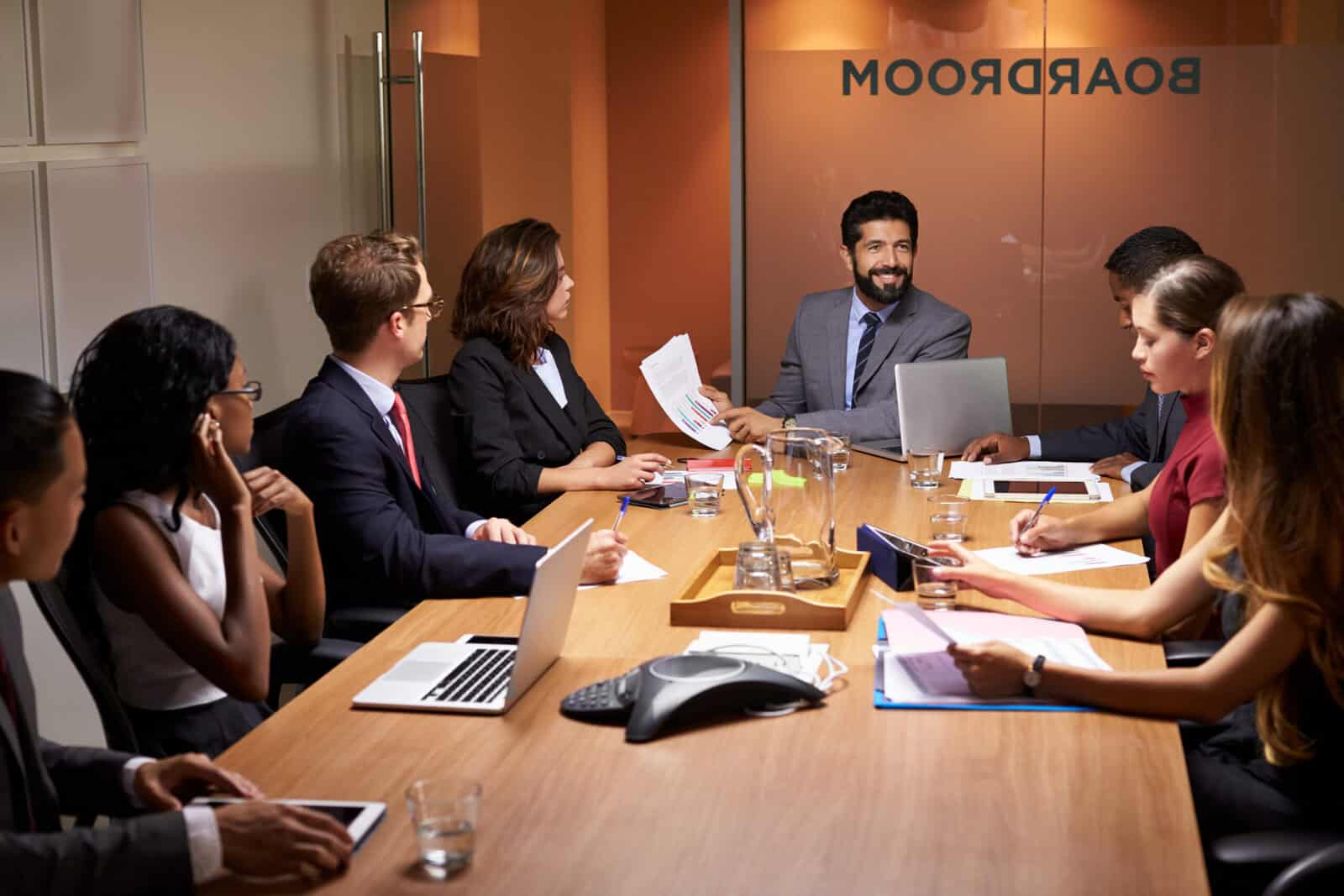
Half an hour looks thin on one timecard. Across 52 weeks and a whole team, it gains weight. Fictional case: 50 workers join one unpaid 30-minute talk each week at $18 an hour. That equals 1,300 hours and $23,400 in base wages over one year, before overtime or state fees. Real cases can be large too.
In fiscal 2025, the DOL Wage and Hour Division recovered more than $259 million for 176,957 workers, an average of $1,465 per worker. Most FLSA claims have a 2-year time limit.
The limit can reach 3 years if the breach was willful, says 29 U.S.C. § 255. One missed lunch wage can grow into a pattern, and a pattern can cost far more. Timekeeping errors can compound across entire teams, resulting in many years of lost paychecks.
Losing Lunch Can Drain Energy and Morale

A meal break is more than a box on a law form. It is a small shore in the midst of a shift. A 2024 poll of 5,000 full-time U.S. workers found that 98% felt lunch helped them do a good job.
Yet 49% skipped a work lunch at least once a week, and 33% did so at least twice. Too many meetings led 19% to skip, says WorldatWork’s report. A peer-reviewed study ran for 12 months and tracked 841 workers at 11 groups. Good rest at lunch was tied to less strain and more drive one year on.
Work scholar Marjaana Sianoja and her co-authors wrote that “lunch breaks offer an important setting for internal recovery during working days.” A meeting can feed the work plan while it starves the pause. Recovery has value.
“I Volunteered” Does Not Erase Earned Pay

Workers may choose to work through lunch, but a boss still cannot accept the labor and wipe out the pay. DOL says work that is “suffered or permitted” must be paid even if no one requested it. The test turns on what management knew or should have known.
Fictional case: a call-center rep clocks out for a 30-minute meal, then joins a team call because the group is short-staffed. Her supervisor hears 4 answers. The help was her choice, but it is still work management saw.
A firm may ban lunch work or require overtime approval. It must still pay for work it allows. Breaking a workplace rule can result in disciplinary action; it does not erase earned wages. The pay duty and the conduct rule are separate. Payment remains due.
Staying in the Building Does Not Always Make Lunch Paid

Location alone does not settle the U.S. pay test. A worker can stay at the job site and still have an unpaid meal if the break is long enough and free from work.
A May 2026 DOL opinion letter used a “predominant benefit” test. It found that a 30-minute onsite meal could be unpaid because the worker did no work. California uses a stricter rule.
The state says a boss who requires a worker to remain at the work site still controls that time. The meal must, as a rule, be paid for, even if no task takes place.
For staff, 2 facts count more than the room where they eat: what limits the boss sets and what tasks the worker does. State law can grant more rights than the U.S. floor. Employer control can make the break compensable.
Records Can Decide a Wage Dispute

Memory fades; a work invite keeps its time stamp. U.S. law makes covered firms keep sound time and pay records, and DOL treats those records as a core FLSA duty.
Staff who face unpaid lunch talks can keep lawful notes. Mark the date, start and end times, required tasks, and the way payroll logged the break. Keep invites and pay stubs off the work system if firm rules and the law permit it. Do not take trade secrets or client data.
If a good-faith conversation at work goes nowhere, the Wage and Hour Division will take claims. It lists 1-866-487-9243 on its complaint page. California staff can also file with the state. FLSA limits are often 2 years, or 3 for a willful breach. A long wait can shrink a claim.
The Safest Employer Rule Is Simple: Pay for the Time

Pay math can be cheaper than a wage fight. If a 30-minute lunch talk is required, job-related, or filled with work, log it as paid time.
HR adviser Suzanne Lucas gave bosses a short rule in a 2024 exchange: “When in doubt, pay your employees. No one will ever complain about being paid too much.” At $18 an hour, a 30-minute talk costs $9 in base pay for one worker.
A repeated mistake can cover up to 3 years of wages for a willful FLSA breach. It can also bring overtime fixes and state fees. California can add 1 hour of premium pay for each day a valid meal was not given. Clear rules, honest time logs, and a real 30-minute break can keep lunch from turning into a wage dispute. Prompt payment prevents disputes.
Key Takeaways
The clock does not stop when food shows up. U.S. law allows a meal break of about 30 minutes to go unpaid only if the worker is off duty. Short breaks of 5 to 20 minutes are paid, and a required lunch talk most often counts as work.
Nonexempt status means more than “hourly,” and salaried exempt staff may get no added pay. California goes beyond U.S. law: many employees who work more than 5 hours must take a 30-minute meal break.
A missed or controlled meal can bring 1 extra hour of pay. DOL won back $259 million in lost wages in 2025. This is broad guidance, not legal advice.
QUESTION FOR READERS: Do companies need clearer rules about unpaid time?
Like our content? Be sure to follow us