12 things husbands quietly resent in marriage
Marriage may be the foundation of many relationships, but let’s face it: your husband might quietly be harboring a few resentments.
These aren’t the explosive arguments you might imagine, but rather the slow-building frustrations that go unnoticed until they eventually bubble up.
Here are 12 things your husband might resent (and you might not even realize!), backed by real data and expert advice.
Feeling Like the “Default Provider”

Even though both of you work, your husband may still feel the weight of being the primary financial provider. The Bureau of Labor Statistics (2024) found that 93.5% of married men are working, compared with 74% of married women with children under 18.
When his value seems tied solely to his paycheck, he might feel his worth is measured in dollars and cents.
Lack of Appreciation for Daily Efforts

You might be surprised, but your husband might feel that his contributions to daily life—like helping around the house or running errands- go unrecognized.
When you overlook these everyday contributions, it can leave him feeling like he’s doing his part without any acknowledgment. A simple “thank you” goes a long way!
Being the Perpetual “Fixer”

If it’s fixing the car or dealing with a leaky faucet, your husband might feel like he’s always on call for repairs. While it’s great that he’s handy, constantly having to solve problems can get exhausting.
Sometimes, he might just want a little help, or even a moment to not be the one fixing everything.
Loss of Personal Autonomy and Space

We all need our personal space, right? Well, your husband might feel like he’s losing his. If it’s time to relax, enjoy a hobby, or hang out with friends. When his personal needs are constantly sidelined, resentment can grow.
After all, no one wants to feel like their personal life is constantly on the back burner.
Emotional and Physical Gatekeeping

If intimacy feels like a one-way street, your husband might quietly resent the imbalance in how it’s initiated. A 2025 study from the Oxford Academic found that 54% of men feel dissatisfaction in their sex lives.
If his needs are ignored or used as leverage, the emotional connection can start to fade, leaving him feeling disconnected and frustrated. Communication is key here—intimacy should be a partnership, not a chore.
The “Parenting Police” Dynamic

Your husband might feel like he’s being criticized for every parenting decision. A 2023 Pew Research study found that 56% of men feel criticized by their wives about their parenting.
When it feels like he’s constantly under scrutiny, he might pull back from being fully involved with the kids, out of frustration. A little more teamwork and a lot less judgment can go a long way in preserving that parenting partnership.
Feeling Like a Roommate, Not a Partner

Sometimes, marriage feels more like running a business together than a loving relationship. If your relationship has shifted from romantic to more transactional, your husband might start to feel more like a roommate than a partner.
It’s important to rekindle the fun and connection that makes a marriage more than just a shared to-do list.
Constant Nagging and Criticism

No one likes to feel like they’re constantly being corrected. This constant barrage of criticism can take a toll on his self-esteem, and over time, it may cause him to withdraw emotionally. A little appreciation and less correction can do wonders for restoring balance.
Disregard for Friendships

Your husband might feel frustrated if his friendships aren’t taken seriously. A 2025 study by the American Survey Center found that men tend to be happier in their marriages when they have at least one good friend outside their relationship.
It’s important to encourage and support his friendships, as they’re key to his mental health.
The Unfair Burden of Being the Emotional “Rock”

Being your emotional support system is one thing, but if your husband feels like he’s carrying all the weight, that can lead to resentment.
He might start to feel like he’s emotionally drained and unsupported, which can create distance between you. Balance is crucial—relationships should be a two-way street.
Disrespect and Insecurity

If your husband feels disrespected or compared to other men, his sense of security in the relationship can take a hit. Respect is foundational to a strong relationship; without it, both parties can start feeling disconnected and undervalued.
The “Moving Goalpost” of Expectations
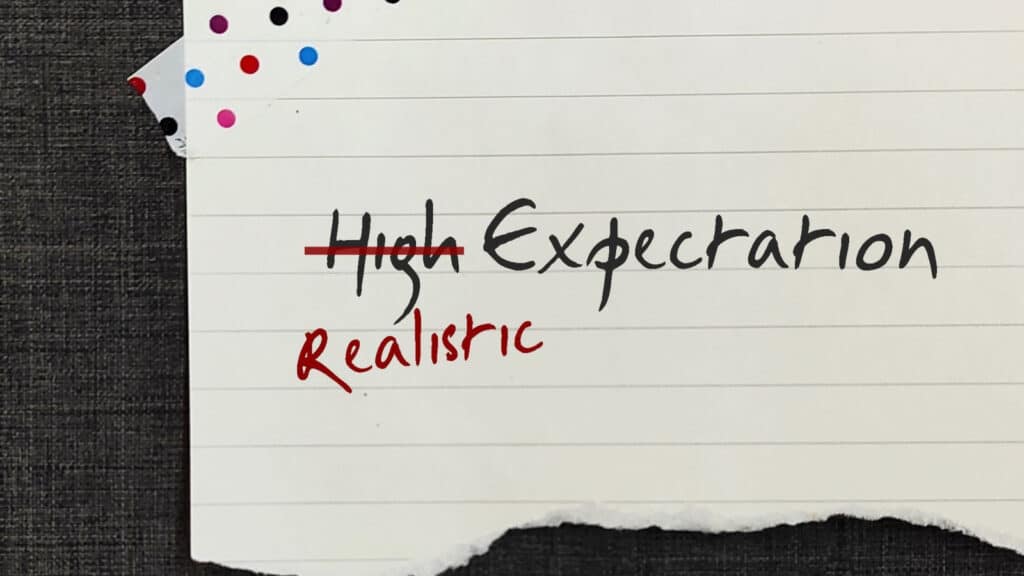
It’s like every time your husband meets one of your expectations, a new one pops up. If every effort he makes is met with new or higher demands, it can lead to frustration.
Clear, realistic communication about expectations can prevent this cycle from driving a wedge between you.
Conclusion

The quiet resentments husbands harbor often come from a lack of appreciation, emotional disconnect, and imbalanced expectations. By addressing these issues with understanding, open communication, and mutual respect, couples can navigate these challenges and create a stronger, more fulfilling marriage.
So, next time you notice something’s off, don’t just brush it aside—have the conversation that could bring both of you closer.
Disclosure line: This article was developed with the assistance of AI and was subsequently reviewed, revised, and approved by our editorial team.
Why investing for retirement is so important for women (and how to do it)

Why investing for retirement is so important for women (and how to do it)
Retirement planning can be challenging, especially for women who face unique obstacles such as the wage gap, caregiving responsibilities, and a longer life expectancy. It’s essential for women to educate themselves on financial literacy and overcome the investing gap to achieve a comfortable and secure retirement. So, let’s talk about why investing for retirement is important for women and how to start on this journey towards financial freedom.
Science Tells Us What To Expect As We Age: Strategies for Thriving in Later Life

Science Tells Us What To Expect As We Age: Strategies for Thriving in Later Life
How does aging affect our bodies and minds, and how can we adapt to those differences? These are questions that pertain to us all. Aging gradually alters people over decades, a long period shaped by individuals’ economic and social circumstances, their behaviors, their neighborhoods, and other factors. Also, while people experience common physiological issues in later life, they don’t follow a well-charted, developmentally predetermined path. Let’s take a look at what science has told us to expect.