12 things I learned after leaving a controlling marriage
The scariest cages don’t always have locks. Mine had wedding photos, trimmed grass, polite smiles, and people who said, “You two look so happy.” From the outside, the marriage looked steady. Inside, I was shrinking one checked phone, one questioned memory, one watched purchase at a time.
The CDC’s 2023 and 2024 intimate partner violence data brief reports that 30.2% of U.S. women and 22.3% of U.S. men have experienced psychological aggression from an intimate partner. That number finally gave a name to what I kept calling stress, conflict, or another rough season.
After leaving, I learned that control rarely arrives wearing its real name. It can sound like concern, dress itself up as protection, and call surveillance ‘love’. It checks your clothes, tracks your spending, mocks your memory, pulls you from people who care about you, then tells you this is what commitment looks like.
The same CDC brief reports that 27.2% of women and 19.5% of men have experienced coercive control and entrapment, including tracking, isolation, threats, money control, and decisions being taken out of their hands.
Leaving did not hand me peace in one bright, perfect moment. It handed me truth in pieces, and each one helped me find my way back to myself.
Control Was Abuse, Even Without Bruises

The first thing I learned was that abuse does not need a bruise to be real. The CDC defines psychological aggression as verbal or nonverbal behavior meant to harm a partner emotionally or exert control, and its 2023 and 2024 data brief found that 30.2% of women and 22.3% of men have experienced it from an intimate partner.
That made me look back at the checked messages, the insults disguised as jokes, the rules around who I could see, and the constant feeling that I needed permission to exist. Lisa Aronson Fontes, PhD, author of Invisible Chains, told DomesticShelters.org, “Anyone can become a victim of coercive control.”
That line matters because shame loves to whisper that smart, strong, or careful people should have known better. I did not need to be weak to be controlled. I only needed to be slowly trained to doubt the sound of my own alarm.
Leaving Was The Most Dangerous Part
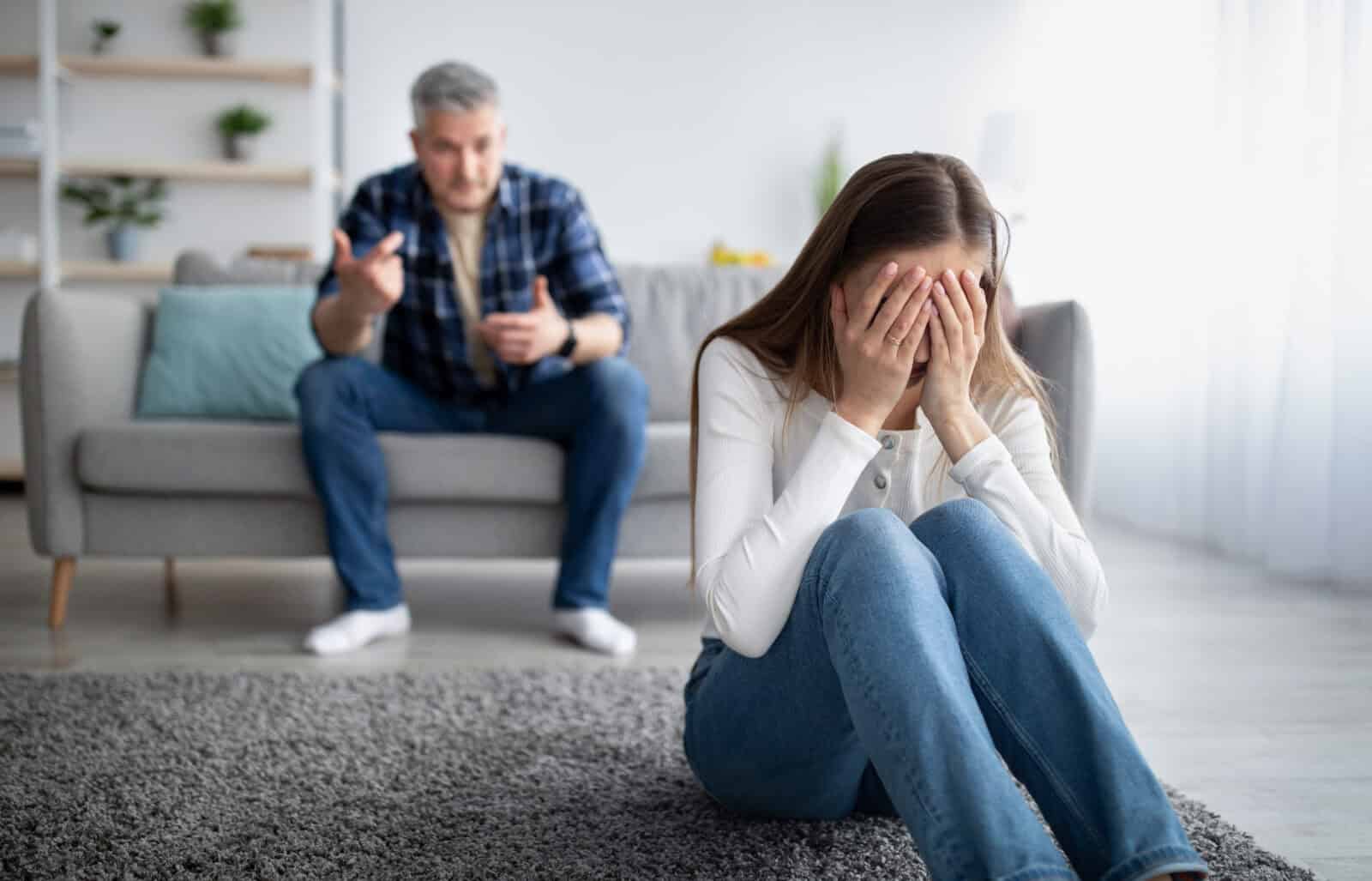
I used to think the hardest part would be deciding to leave, but the National Domestic Violence Hotline warns that leaving is often the most dangerous period for survivors because it threatens the power and control an abusive partner has built.
That changed how I saw my own fear. It was not cowardice. It was information. The CDC reports that intimate partner violence can create safety concerns, fear, missed work, medical needs, and long-lasting health impacts, so leaving had to be more than a dramatic door slam.
It required quietly changing passwords, copying documents, telling trusted people, protecting money, and adjusting routines. The strange part is that freedom can begin in silence: a bag packed without noise, a phone cleared of tracking, a plan written in a place no one else can reach. I learned that careful leaving is still leaving, and survival does not need to look cinematic to be brave.
The Trauma Doesn’t End When The Marriage Does

The marriage ended before my body believed it was over. The CDC says intimate partner violence can affect lifelong health and well-being, including depression and symptoms linked to post-traumatic stress, and a 2022 systematic review in Springer’s Systematic Reviews journal notes that PTSD symptoms have been identified in 31% to 84.4% of women exposed to intimate partner violence.
That explains why a buzzing phone could still make my stomach drop, or why a normal disagreement could feel like thunder rolling toward the house. I had left the person, but my nervous system was still living by old rules. It listened for footsteps. It studied tone. It treated calm as suspicious because calm used to arrive right before criticism.
I learned that healing is not a switch. It is a slow conversation between your mind and your body, where the body needs proof, again and again, that danger no longer owns the room.
Relearning To Trust Your Own Judgment Takes Work

One of the cruelest parts of control is how it turns your own mind into a courtroom. The CDC’s coercive control data includes partners making decisions that should have been yours, tracking your movements, and using threats or pressure to limit your choices.
After a while, even small decisions can feel loaded. What should I wear? Who can I text? Am I remembering this correctly? Carol A. Lambert, MSW, LICSW, a psychotherapist and author of Women with Controlling Partners, writes that having a controlling partner can make someone feel crazy and responsible, then answers it plainly: “you’re not crazy, and you’re not to blame.”
I needed that sentence more than I wanted to admit. Self-trust came back in small spoonfuls. I chose my own clothes. I ordered what I wanted. I said no without building a legal defense around the word. Each choice was a little match struck in a dark room.
Isolation Wasn’t An Accident
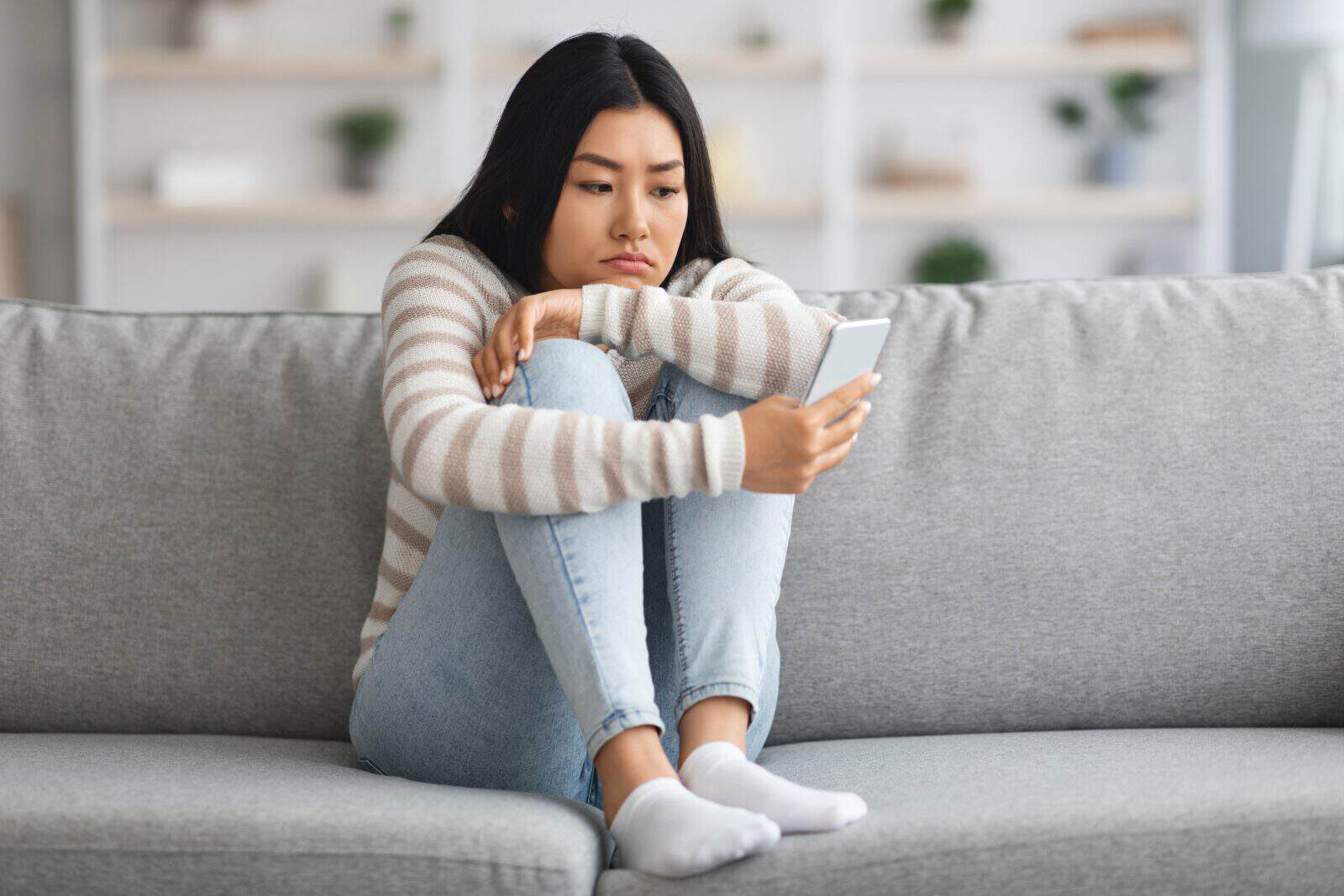
I learned that isolation rarely looks like a locked gate at first. The CDC data brief reports that 16.0% of women and 10.6% of men had an intimate partner try to keep them from seeing or talking to family or friends.
That number made me rethink every friendship that faded under pressure, every family visit that turned into a fight, and every invitation I declined because it was easier than paying for it emotionally later. Control often starts by editing your circle. Your sister is toxic. Your friend is jealous. Your family does not respect us.
Soon, the world gets smaller, and the controller becomes the weather, the map, and the only voice in the room. After leaving, I had to rebuild connections like a person learning to walk after a long winter. One returned call. One honest coffee. One dinner where nobody punished me for laughing. I learned that safe people do not make you smaller.
Emotional Abuse Has Measurable Health Costs
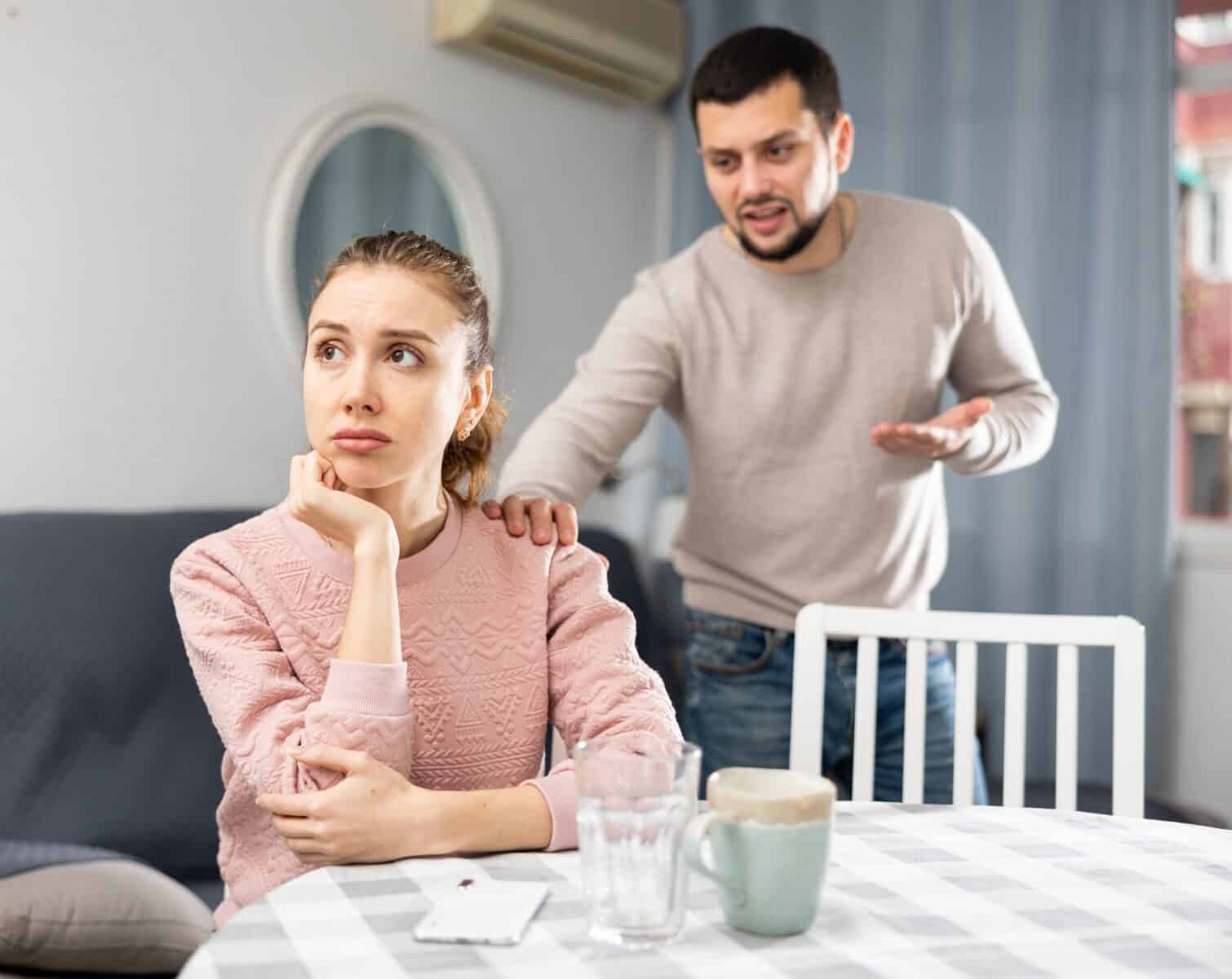
For a long time, I repeated the phrase “it was only emotional” as if that made the damage lighter. The CDC says intimate partner violence can affect the heart, digestive system, reproductive system, muscles, bones, and nervous system, and it can raise the risk of depression, post-traumatic stress symptoms, and risky health behaviors.
The CDC also estimates the lifetime economic burden of intimate partner violence in the United States at $3.6 trillion, with a lifetime cost of $103,767 for women and $23,414 for men. Those numbers made my exhaustion feel less mysterious.
Emotional abuse had been living in my body as headaches, poor sleep, stomach knots, shaking hands, and a strange habit of bracing before anyone touched me. It was not invisible because it was small. It was invisible because so many people are taught to look only for broken furniture, police reports, and bruises.
Co-Parenting With A Controller Requires New Rules

If children are involved, leaving does not always end the relationship. It changes the battlefield. A 2023 concept analysis in the Journal of Advanced Nursing defines post-separation abuse as an ongoing pattern of intimidation by a former intimate partner, including legal abuse, economic abuse, threats involving children, isolation, discrediting, harassment, and stalking.
That helped me understand why a parenting schedule could become a pressure point, why a message about school pickup could turn into a trap, and why “being nice” did not always create peace.
I learned to treat coparenting like business, not friendship. Clear messages. Written records. Short replies. Structured tools. No emotional side doors. It felt cold at first, but cold can be clean. After years of chaos, a boring boundary can feel like fresh air. I learned that protecting the children also meant protecting the calm around them.
Childhood And Past Trauma Made Me More Vulnerable, But Not To Blame
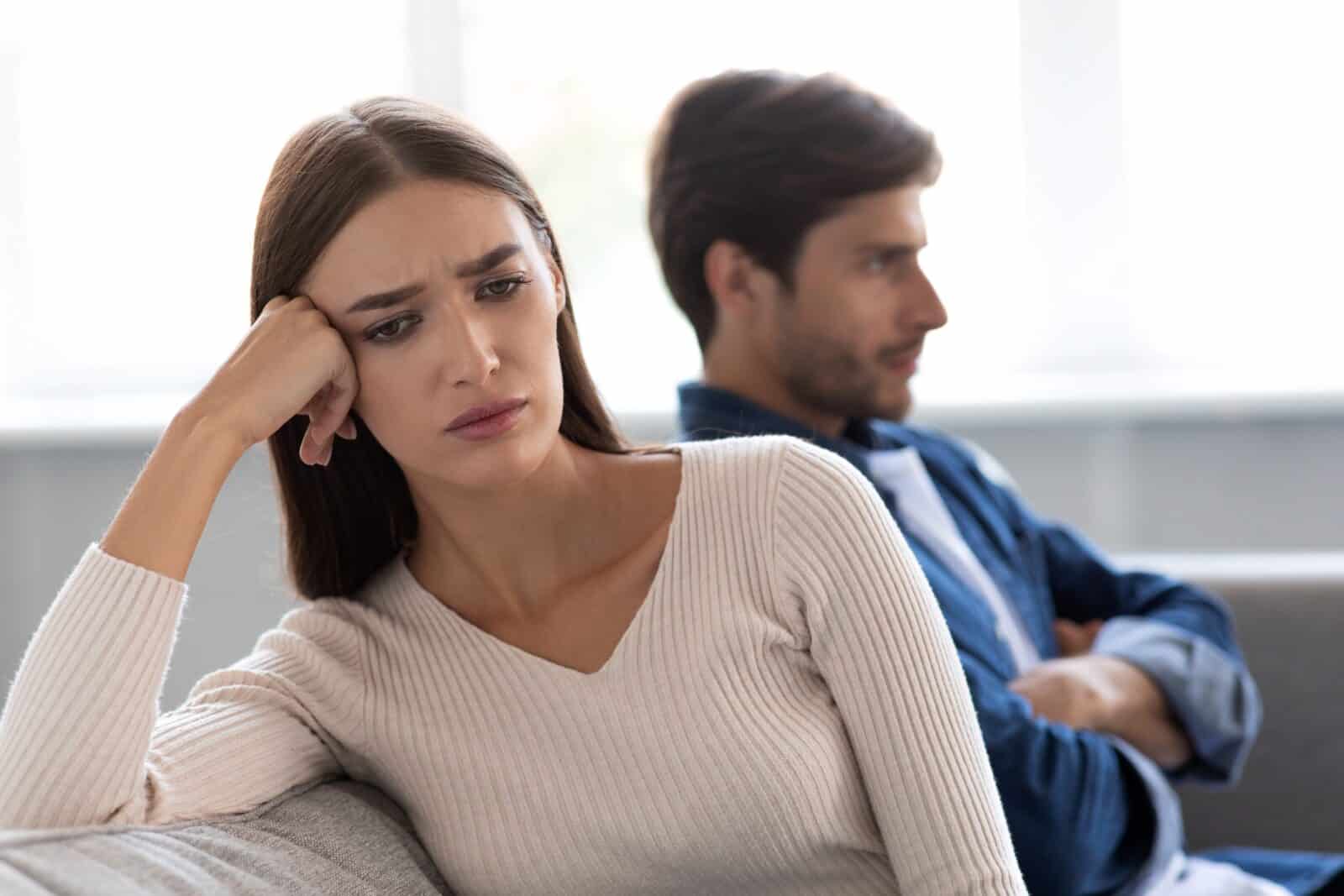
I had to look backward without turning myself into the villain of my own story. Research links childhood trauma and later intimate partner violence risk, and the Office on Women’s Health says children who witness domestic violence face higher risks for long-term physical and mental health problems, along with a greater risk of violence in future relationships.
The CDC also reports that intimate partner violence often starts early, with many people first experiencing it before adulthood. That does not mean I chose control because I wanted pain. It means old patterns can make chaos feel familiar, and familiar can be mistaken for love when your heart learned survival before safety.
I learned that my past explained some of my tolerance, but it did not excuse anyone’s cruelty. A wound may help explain why I stayed, but it never gave another person the right to keep pressing on it.
Financial Control Was A Hidden Cage

Money was not just money in that marriage. It was movement, privacy, options, and oxygen. The CDC data brief reports that 8.8% of women and 4.8% of men had an intimate partner keep them from having their own money, and the National Network to End Domestic Violence says financial abuse occurs in 99% of domestic violence cases.
That can look like monitored purchases, blocked jobs, stolen credit, hidden debt, forced dependence, or being made to explain every dollar as if you are a child asking for lunch money.
I learned that financial control is one of the quietest cages because it can look practical from the outside. After leaving, rebuilding meant opening accounts, checking credit, learning benefits, protecting documents, saving tiny amounts, and treating financial literacy like self-defense. The first dollar that belonged only to me felt small, but it had the weight of a key.
Healing Is Nonlinear, And Social Media Can Mislead

Social media loves a clean healing story: the haircut, the new apartment, the glowing selfie, the caption about peace. Real healing can be much messier.
The CDC links intimate partner violence with depression, post-traumatic stress symptoms, sleep problems, and long-term health effects, which means recovery often moves in loops instead of straight lines.
Judith Lewis Herman, MD, psychiatrist and author of Trauma and Recovery, wrote, “Recovery can take place only within the context of relationships; it cannot occur in isolation.”
That sentence helped me stop treating healing like a solo performance. Some days I felt free. Some days I felt foggy. Some days, I missed the fantasy of what I thought the marriage could become, even as I knew the reality had hurt me. I learned that a bad day after leaving does not mean I made the wrong choice. It means I am human.
Love After Control Requires New Relationship Skills

After control, love can feel confusing because peace may not sparkle at first. The CDC’s coercive control data includes tracking, isolation, threats, financial restriction, and decisions being taken away, so it makes sense that a nervous system shaped by those patterns may misread calm as boredom or mistake intensity for devotion.
I had to learn new signs. A safe person respects a pause. A safe person hears no without punishment. A safe person does not need my passwords, location, bank details, or constant proof of my loyalty.
Love after control requires pacing, boundaries, honesty, and the patience to watch how someone reacts when they do not get their way. I learned that jealousy is not romance, pressure is not passion, and monitoring is not care. The softest kind of love may be the one that lets you breathe without asking where the air came from.
My Story Can Help Others Feel Less Alone

The last lesson surprised me. My story did not need to be polished to be useful. The CDC’s latest intimate partner violence data shows that millions of people in the United States have experienced psychological aggression, coercive control, stalking, physical violence, or sexual violence from an intimate partner, which means many readers may recognize pieces of their own lives in someone else’s words.
Sharing safely can happen in many ways: with a therapist, in a support group, in a journal, over coffee with a trusted friend, or through writing that keeps the survivor in control of what gets told. No survivor owes the public their pain.
Still, when a story is shared by choice, it can become a porch light for someone still standing in the dark. I learned that naming what happened did not trap me in the past. It helped me unlock the door for someone else.
A Short Reflective Close
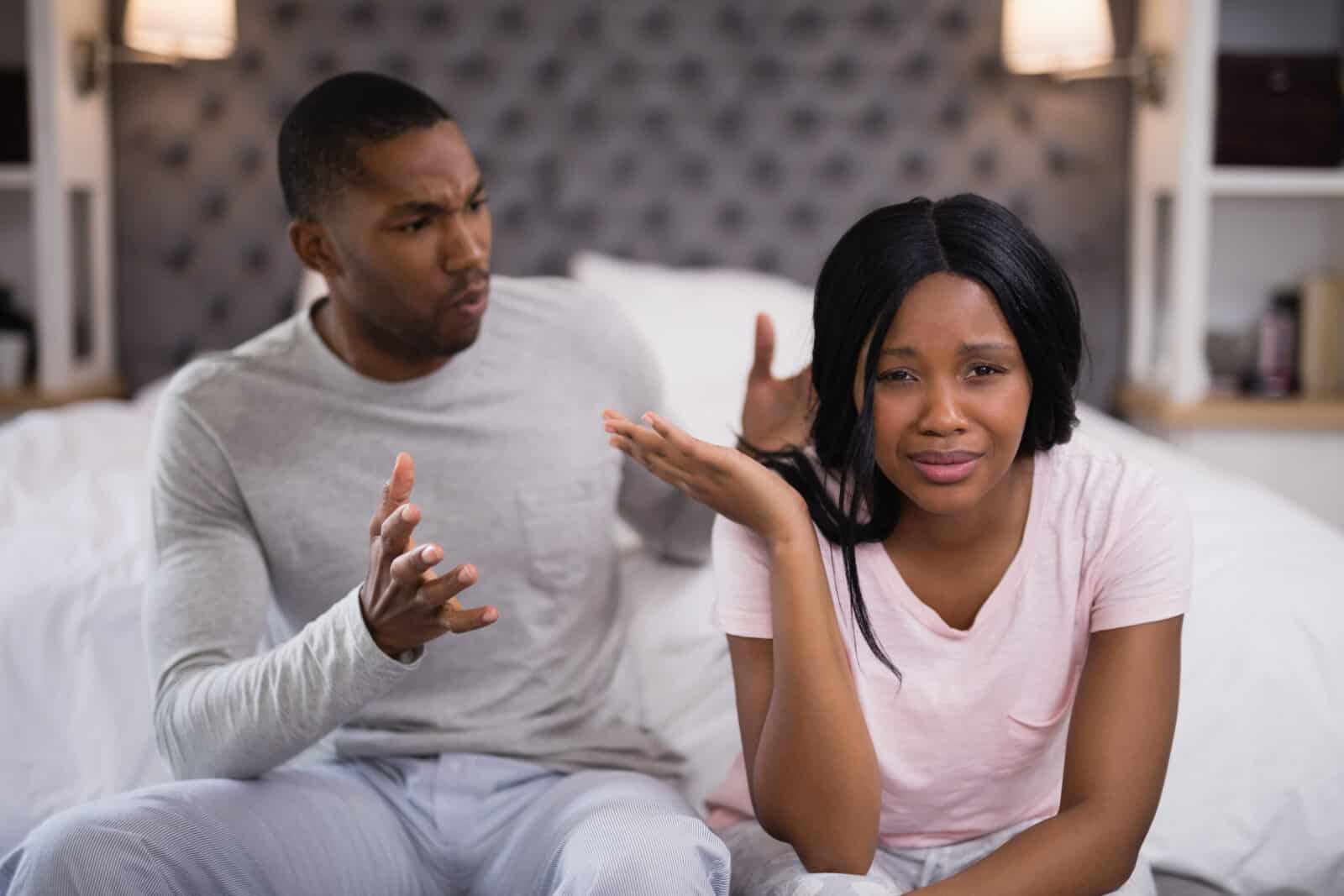
Leaving a controlling marriage did not turn my life into a perfect after photo. The CDC’s data shows psychological aggression affects 30.2% of women and 22.3% of men, so this story lives in more homes than polite conversation admits.
What changed was quieter than a parade and stronger than a slogan. I started hearing my own footsteps again. I learned that freedom is not always loud. Sometimes it is a calm morning, an unlocked phone, a bank password only you know, and one deep breath that belongs to nobody else.
Key Takeaways

Control can be abused even when nobody sees bruises. The CDC’s 2023 and 2024 data brief shows psychological aggression and coercive control affect millions of Americans, and those patterns can include tracking, isolation, threats, humiliation, money control, and forced decisions.
Leaving can require safety planning because risk can rise when control is challenged. The National Domestic Violence Hotline says leaving is often the most dangerous period for survivors, so trusted support, secure communication, emergency planning, and practical preparation matter.
Recovery touches the whole life. CDC research links intimate partner violence with long-term physical, mental, emotional, and economic effects, and NNEDV reports that financial abuse appears in 99% of domestic violence cases.
Support changes the shape of healing. Therapy, advocacy, legal help, financial rebuilding, safe friendships, and survivor communities can help turn survival into a life that finally feels self-directed.
Disclaimer – This list is solely the author’s opinion based on research and publicly available information. It is not intended to be professional advice.
Like our content? Be sure to follow us