11 hard truths every woman can learn about gratitude and the cost of taking love for granted
Okay, so I was going through some relationship survey data by Empathi the other day, of over 40,000 people (which is a lot of messy human feelings in one spreadsheet), and something kept jumping out at me. Most couples don’t blow up. They just… fade. Quietly. Like a song you stop noticing is still playing.
There’s a pattern researchers call the Waltz of Pain. Dramatic name, I know. But it’s basically what happens when two people slowly starve each other of emotional connection until one of them just goes numb. No big fight. No dramatic ultimatum. One day, someone realizes they haven’t really talked in months. That stuck with me.
Love is not a default right
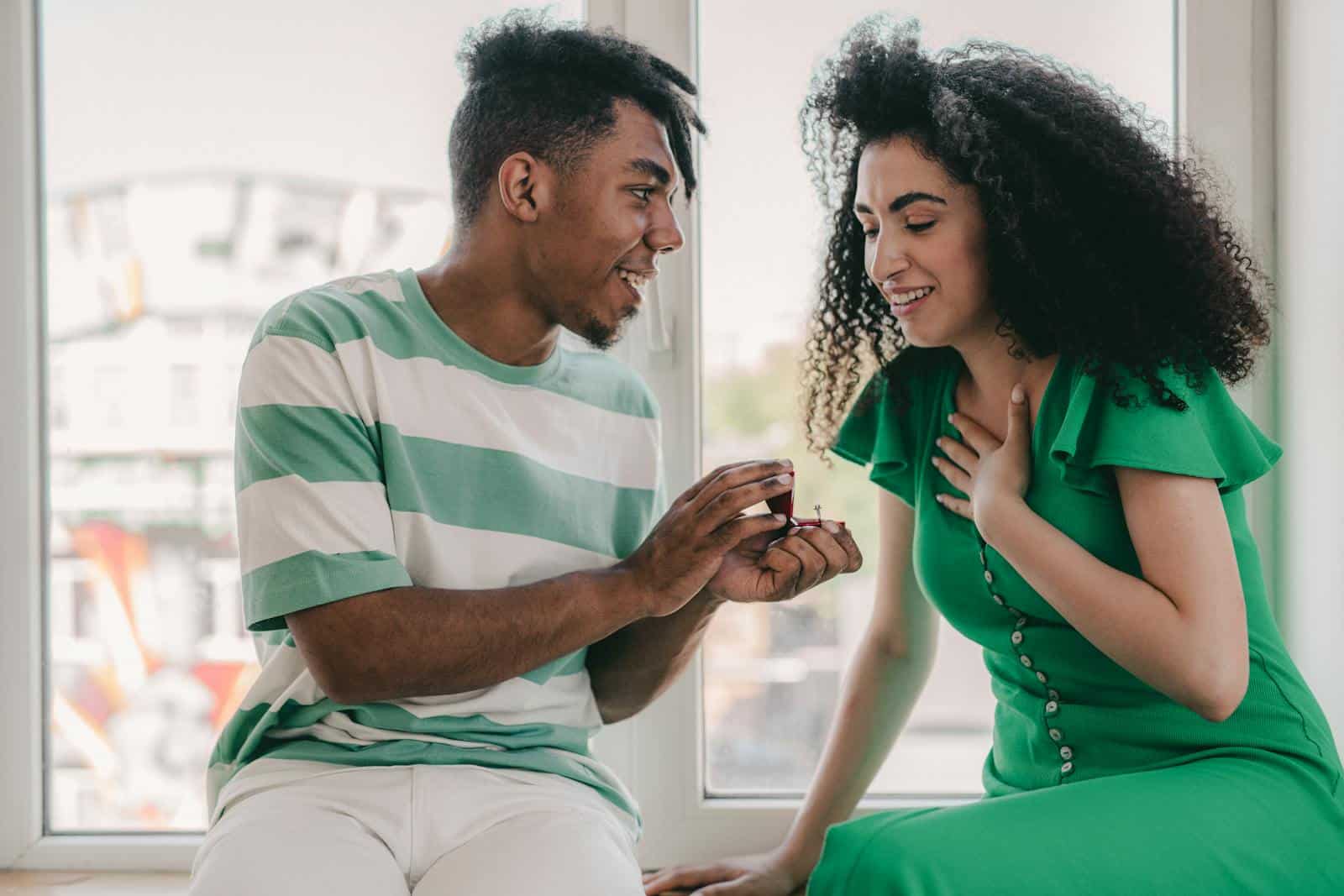
Here’s a thing I think we don’t say enough: love isn’t a right that comes with the title of the relationship. I know that sounds harsh. But think about the people who spend January through November being emotionally checked out, then show up on Valentine’s Day with a giant stuffed bear like that fixes anything. It doesn’t.
That’s not love, that’s image management. You’re performing for an audience of one and hoping they don’t notice the months of nothing that came before it.
Love is something you keep earning. Every day, kind of. Not in some exhausting, walking-on-eggshells way, more like the way you’d treat a friendship you actually value. You show up. You pay attention. You don’t just assume it’ll still be there because your name is on the lease.
The more you take him for granted, the smaller he feels
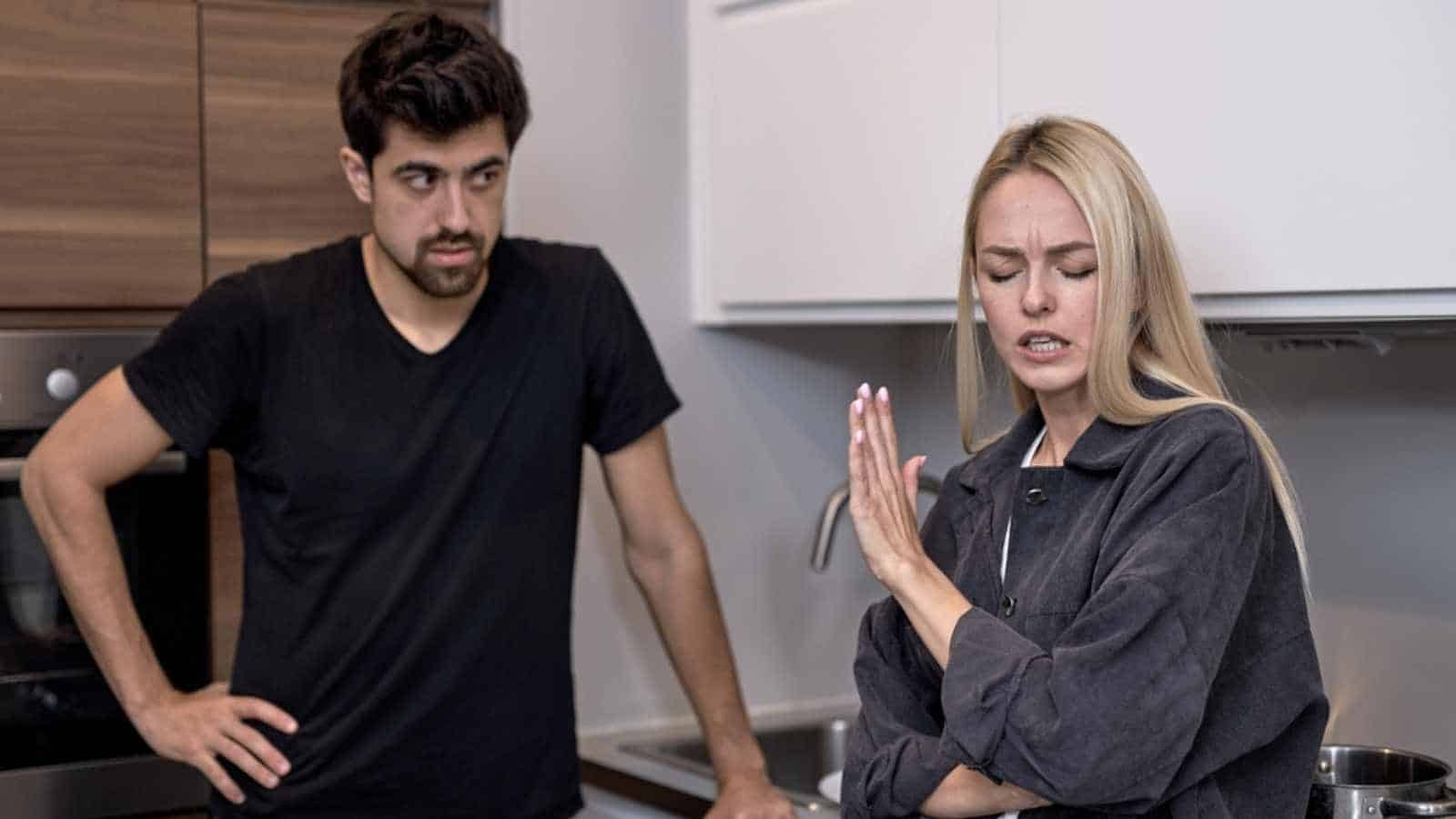
Neglect in relationships rarely looks like the dramatic stuff. It’s not usually cruelty or betrayal. It’s more like… he does the dishes, and you’re already scrolling your phone when he finishes. He comes home and nothing. A grunt, maybe. A nod.
And after that happens enough times, he just stops doing the dishes. Not out of spite. He’s just learned, on some level, that it doesn’t register. So why bother?
John Gottman, who has spent decades studying couples, found that fondness and admiration are basically the load-bearing walls of a marriage. Pull those out, and the whole structure wobbles.
And there’s actually data showing that expressing genuine gratitude bumps up a partner’s responsiveness and satisfaction for up to nine months! Nine months from one real, heartfelt “thank you.” That’s wild to me. Because we’re out here buying gifts when apparently just noticing people works way better.
Gratitude is a Verb, not a feeling
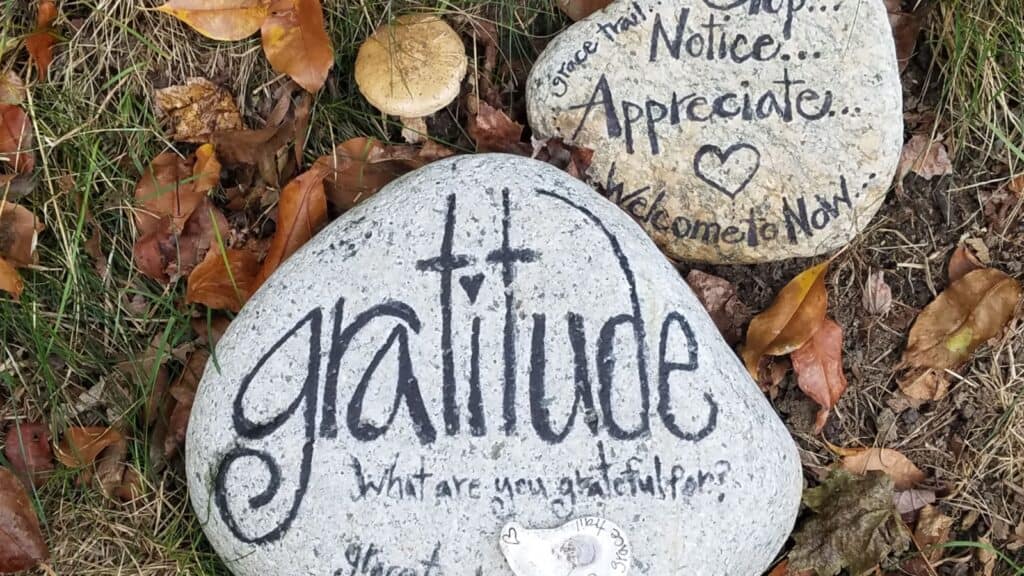
This one flipped my thinking when I first came across it. I always thought of gratitude as something that happens to you. Like, you feel it when things are going well. But psychologist Robert Emmons ran studies where he had people write down five things they were grateful for every day. Just five things. And those people slept better, felt more rested, reported stronger relationships, and showed about a 25% jump in overall happiness.
Twenty-five percent. From just a journal and a pen.
So gratitude is less of a mood and more of a practice. Like going to the gym, except you’re training your brain to notice what’s good instead of defaulting to what’s wrong. You can even make it a morning/evening thing. Five things when you wake up to set your attention for the day, five things at night to wind down.
It sounds almost too simple. But simple things done consistently tend to beat complicated things done occasionally.
Taking love for granted raises the cost of staying

This one is uncomfortable but real. When one partner stops putting in effort, the relationship doesn’t stay balanced; it tips. And the person on the heavy end starts carrying everything. One person pouring their whole heart in, the other giving what feels like a half-hearted 50%.
The little things disappear first. The spontaneous dinners, the random kind texts, the small surprises that say I was thinking about you. Once those go, what’s left starts to feel like an obligation. Like you’re roommates with a shared history.
And people can hold on through that for a long time, sometimes years, because hope is actually a trap in this situation. You keep thinking it’ll shift. It doesn’t always shift.
Eventually, people in that position tend to land in one of three places: they check out mentally and stay, they stay and are genuinely miserable, or they make a plan and leave. None of those are great outcomes. And complacency is usually what got them there.
You can’t blame him for leaving after years of neglect
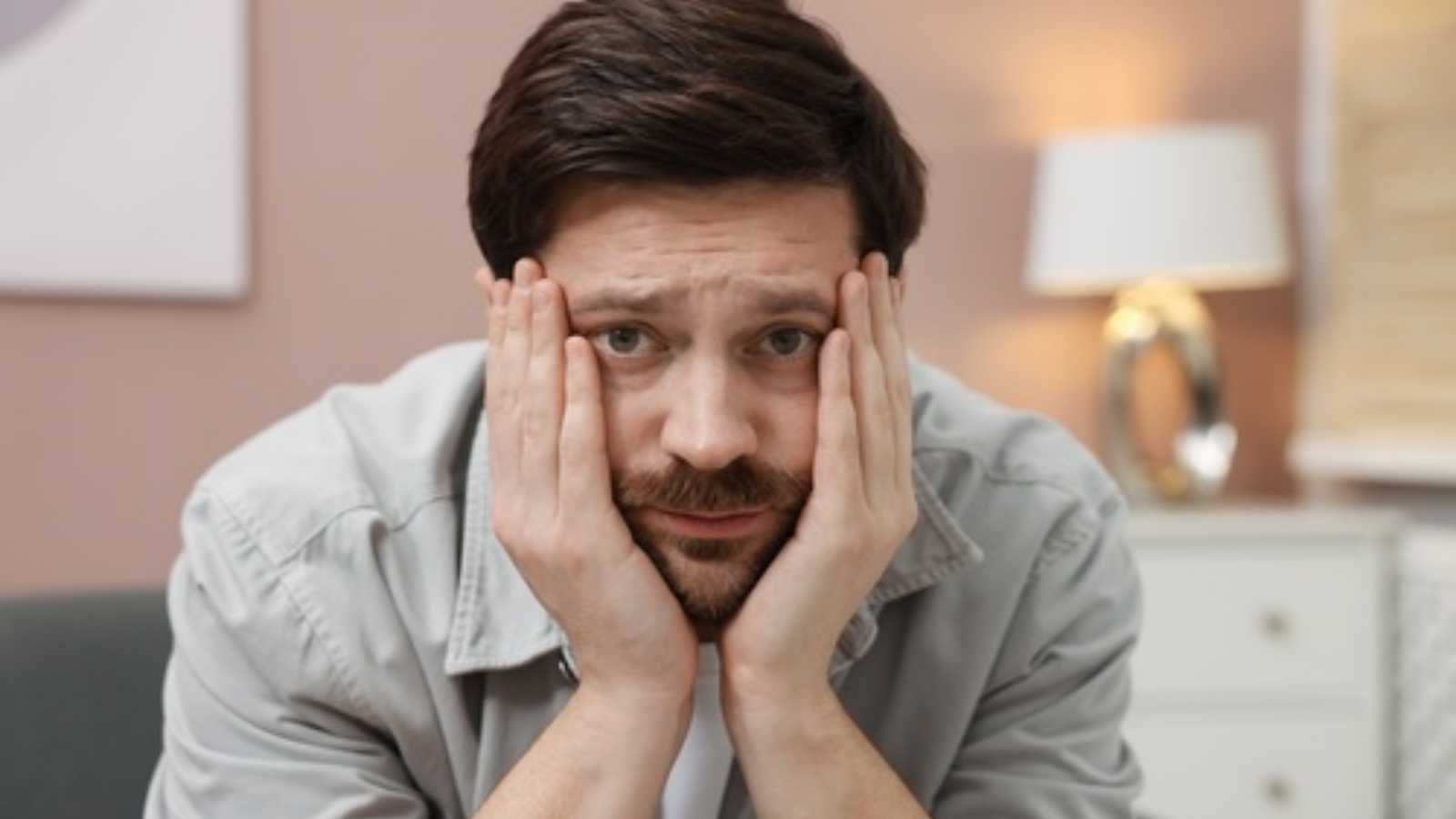
Emotional neglect is tricky because it leaves no visible marks. It’s not what happened, it’s what never did. The conversations that never got deep. The comfort that was never offered. The vulnerability was met with silence or distraction.
And because there’s nothing obvious to point to, people who experience this often turn it inward. They wonder if they’re being too needy. Too sensitive. They gaslight themselves.
But attachment research is pretty detailed: your partner’s emotional availability literally regulates your nervous system. When that availability disappears chronically, your brain starts treating it like a threat. Not metaphorically, actually like a threat. The same alarm bells. And after years of reaching out and finding nothing, the brain adapts. It learns that reaching is pointless. So it stops.
That’s when a once-warm, affectionate person becomes someone who seems cold and distant. They didn’t change because they wanted to. They changed because they had to survive.
Gratitude protects your relationship from “autopilot”

Autopilot is when you get comfortable enough that you stop paying attention. Your focus drifts to work, the kids, your own stuff. Which is normal life. The problem is that your marriage needs to stay on the manual settings, intentional, present, chosen, and autopilot is the opposite of that.
There’s this small example I love: a husband who, every single night, pulled all the covers to his side without realizing it. His wife complained. His first reaction was defensive; I don’t do that. Then he looked at the evidence in the morning. Twisted sheets, all on his side.
That’s autopilot. Not malicious. Just unconscious.
The fix was simple: he started intentionally rolling toward her and pushing the covers over. That’s it. A tiny, conscious act that said I see you, I’m here. Kids pick up on that kind of distance between parents, by the way. They can feel when the warmth goes out of a room, even when no one’s fighting.
Money and roles don’t erase the need for emotional respect
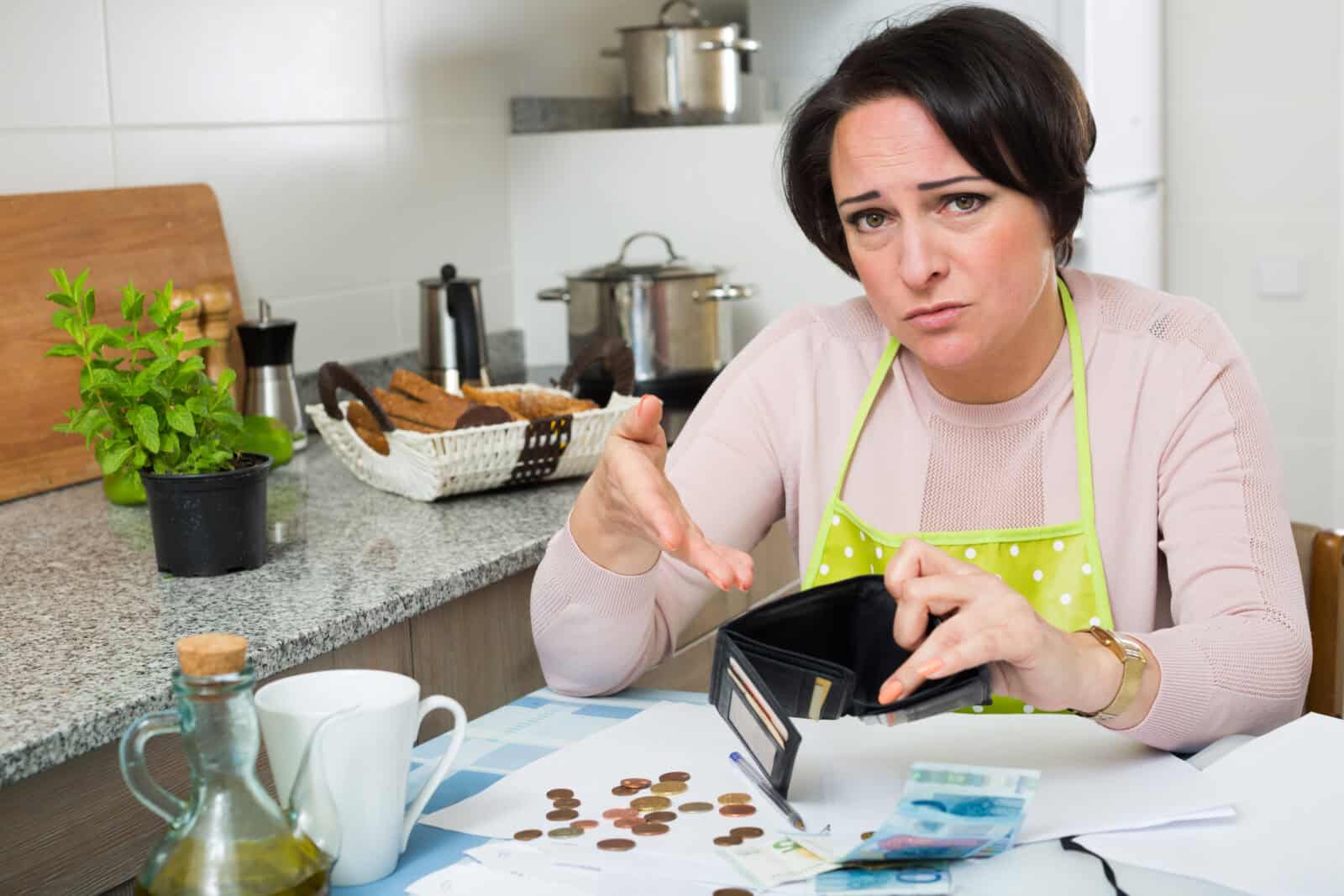
This needs to be said plainly. Bringing home a paycheck, even a big one, does not buy you the right to dismiss someone’s feelings. Neither does being the one who manages the house or the kids.
Respect in a relationship is about treating your partner’s thoughts and feelings like they matter. Equally. Not “I’ll hear you out and then explain why you’re wrong.” Actually listening. Honoring what they need. Not mocking what they care about, not using affection as a weapon, not telling them they’re too sensitive when they’re hurt.
Disrespect compounds. And no amount of financial stability can undo the psychological weight of feeling like you don’t matter to the person who’s supposed to know you best.
You teach him how to treat you by how you treat him

How you treat yourself sets the tone for how others treat you. Not in a woo-woo way, in a very practical one. If your internal self-talk is harsh and critical, you normalize harsh and critical. If you don’t enforce your own limits, you signal that they don’t really exist.
And people genuinely cannot read minds. The clearer you are about what you need, what’s okay, and what’s not, the less room there is for the painful misunderstandings that erode things over time.
You also can’t control how someone behaves. But you can control what you tolerate and what you don’t. That’s not a small thing.
Taking love for granted blinds you to your own growth

Here’s something that doesn’t get talked about enough. When you stop putting in effort in a relationship, it’s not just the bond that suffers. You stop growing, too.
A lot of people, women especially, carry this quiet private vision around with them. A career they actually want. A healthier version of themselves. Something creative they keep meaning to start.
It lives in the back of their mind, warm and specific. But then life gets comfortable, and comfortable is the enemy of that vision. Because getting there requires change, and change is uncomfortable, and uncomfortable is exactly what complacency is designed to help you avoid.
So the vision just… sits there. Waiting.
The loss hits hardest after it’s gone

Breakups are almost always worse once they’re actually real. During a relationship, dissatisfaction sits in this abstract fog; you know something’s off, but it’s vague. Then the split happens, and suddenly the quiet Sunday mornings are gone, the inside jokes nobody else would get, the shared routines, the future you’d been quietly imagining together. All of it, concrete loss, all at once.
That’s when the re-evaluation hits. You start seeing all the things you took for granted with painful clarity. The problem is that clarity tends to arrive right after the door closes.
Gratitude is a daily practice, not a crisis reaction

You can’t ignore a relationship for three years and then expect a grand gesture during a crisis to save it. Gratitude is like a muscle; if you never use it when things are calm, it’s not going to show up for you when things are hard.
But here’s the upside: when you do practice it consistently, your brain actually changes. Regular appreciation releases serotonin and dopamine, lowers stress hormones, and over time rewires your baseline so you start automatically noticing more of what’s good. There’s also a physical side: lower blood pressure, better sleep, and more patience when things get heated.
It doesn’t have to be a big display. A real thank you. A specific text. Sitting together in the morning without your phone for ten minutes. Small things, done with intention, done often. That’s what keeps the light on.
Key Takeaways
- Love isn’t owed. It’s earned, daily, or it disappears.
- Unnoticed people don’t stay; they just leave quietly.
- Don’t wait to feel grateful. Do it first. The feeling catches up.
- One person carrying everything isn’t a relationship, it’s a countdown.
- Small, consistent efforts don’t just save your relationship. It rewires your brain for the better.
Disclaimer – This list is solely the author’s opinion based on research and publicly available information. It is not intended to be professional advice.
Like our content? Be sure to follow us.