12 stunning ways women are turning family heirloom dresses into fashion statements with meaning
Many women spend months searching for a perfect wedding dress. They visit boutique after boutique and try on dozens of mass-produced gowns. Yet the perfect garment might actually sit inside a dusty cardboard box in their own family attic.
Consider the story of a real bride named Olivia, who tried on 41 different store-bought gowns before realizing her dream dress already existed. She rescued her grandmother’s 1956 lace wedding gown and chose to completely remodel it.
This decision reflects a growing movement among style-conscious women who reject fast-fashion trends. They want their clothing to tell a deep personal story while practicing true environmental sustainability. Reusing an existing gown reduces textile consumption and stops high-quality vintage materials from going to waste.
Many families now live by a practical motto shared by a bride named Melissa: use it up, wear it out, make it do, or do without. Turning a legacy garment into a modern masterpiece honors family history while showcasing a highly customized personal aesthetic.
The following breakdown shows exactly how expert designers and real women achieve these breathtaking structural changes.
The Modern Silhouette Restructure
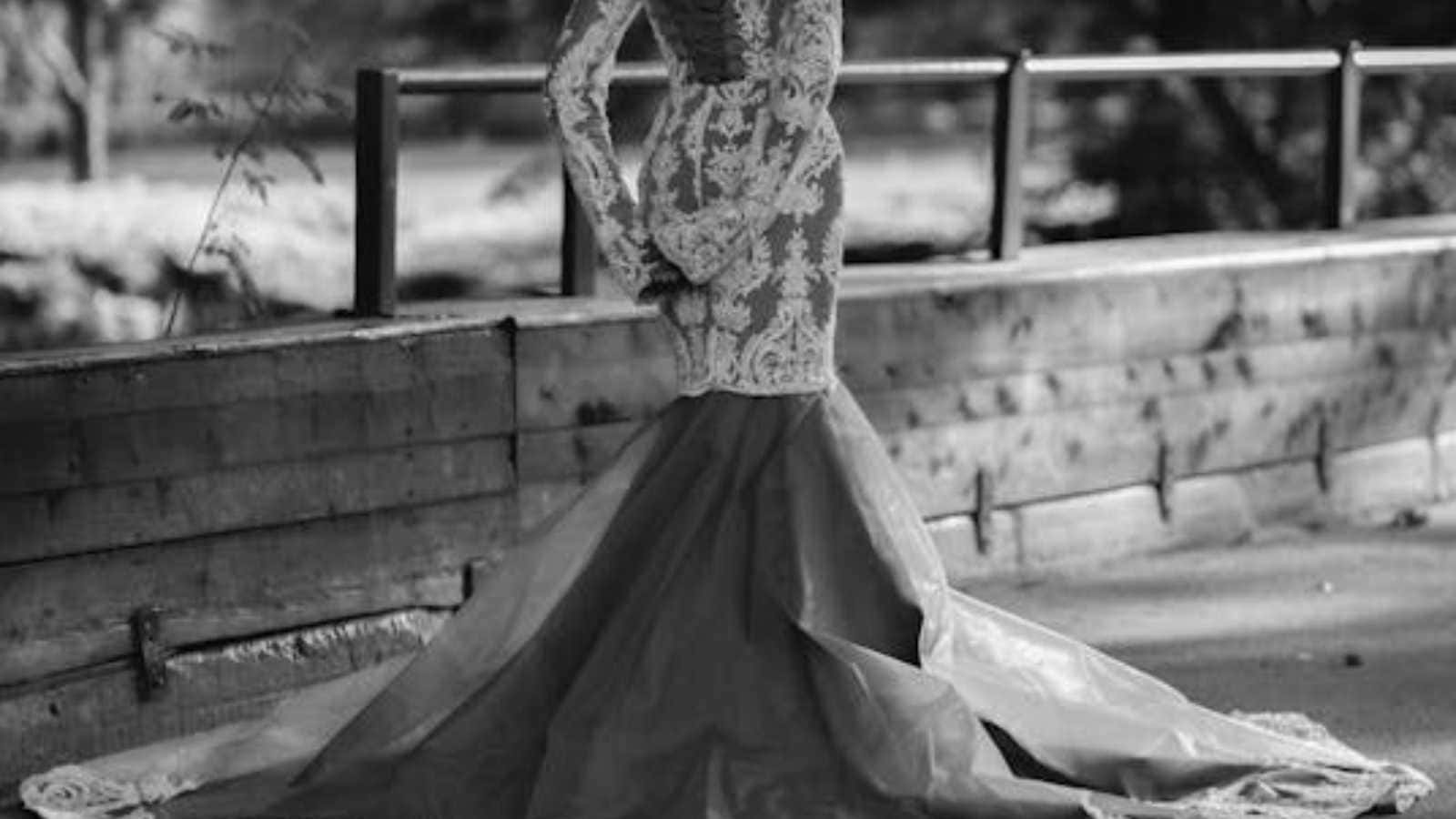
Modern brides frequently remake old family gowns into functional silhouettes to update the overall lines, fit, and design features. The technical process involves removing or rearranging heavy vintage lace, changing outdated sleeves, and radically lowering necklines.
Tailors will meticulously take in or let out seams and repurpose original train fabric into modern accents. When Olivia finished updating her grandmother’s 1956 gown, she remarked that the altered garment felt like a whole new dress. This structural update allows the unique lineage of the piece to shine clearly without looking like a costume.
The Chic Two-Piece Separate

Modern brides crave ultimate versatility and event-to-event convertibility throughout their wedding weekend. Turning a single heirloom gown into a chic two-piece separates allows you to mix and match tops and bottoms for a completely custom look.
For instance, a bride can wear a structured bodice with a pearl-dotted A-line tulle skirt for her ceremony. She can then swap the skirt for wide-leg lace trousers or sequined pants at the reception.
This method delivers two completely different styles using just three distinct pieces. Major bridal designers across the industry now emphasize these mix-and-match sets because they allow women to rewear pieces long after the wedding day.
The Rehearsal Dinner Mini

Tucking a vintage dress away under a bed or in a dark closet robs the garment of its beauty. Shortening the hemline into a rehearsal dinner mini is a stylish way to bring that fabric back into the light.
A real bride named Samantha worked with designer Lovellfaye to transform her mother’s silk-crepe bias-cut gown into a party-ready two-piece set. The designer even used the leftover train fabric to fashion an on-trend neck scarf.
Another bride named Caroline had her grandmother’s 100% silk duchess satin gown precisely tailored for her rehearsal dinner. This option keeps the mood fun, celebratory, and deeply sentimental.
Bridal Minis and Corset
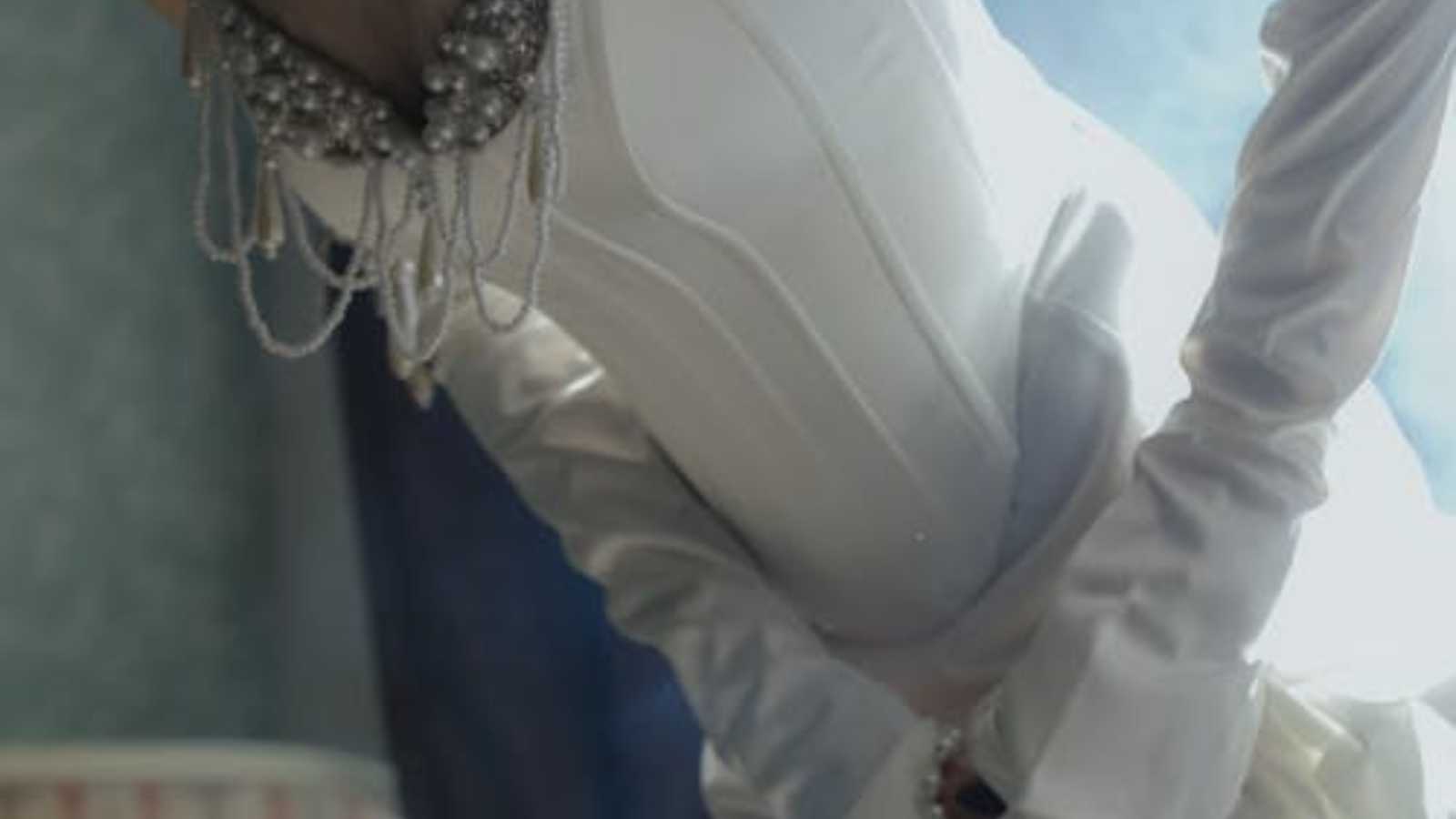
Sometimes an heirloom garment needs to serve more than one person in the family. In a beautiful project documented by textile experts, a mother’s traditional wedding gown was completely reimagined into a shared bridal mini dress.
Designers built the mini using an adjustable corset-style construction at the back. This technical choice meant that three individual sisters could share the exact same dress, as the corset adjusted to fit each body shape flawlessly.
The sisters experienced immense laughter and excitement during their shared fittings. The design team also crafted matching rosette purses and hair clips from the remaining dress scraps to create a unified family collection.
Fabric Inlays and Patchwork
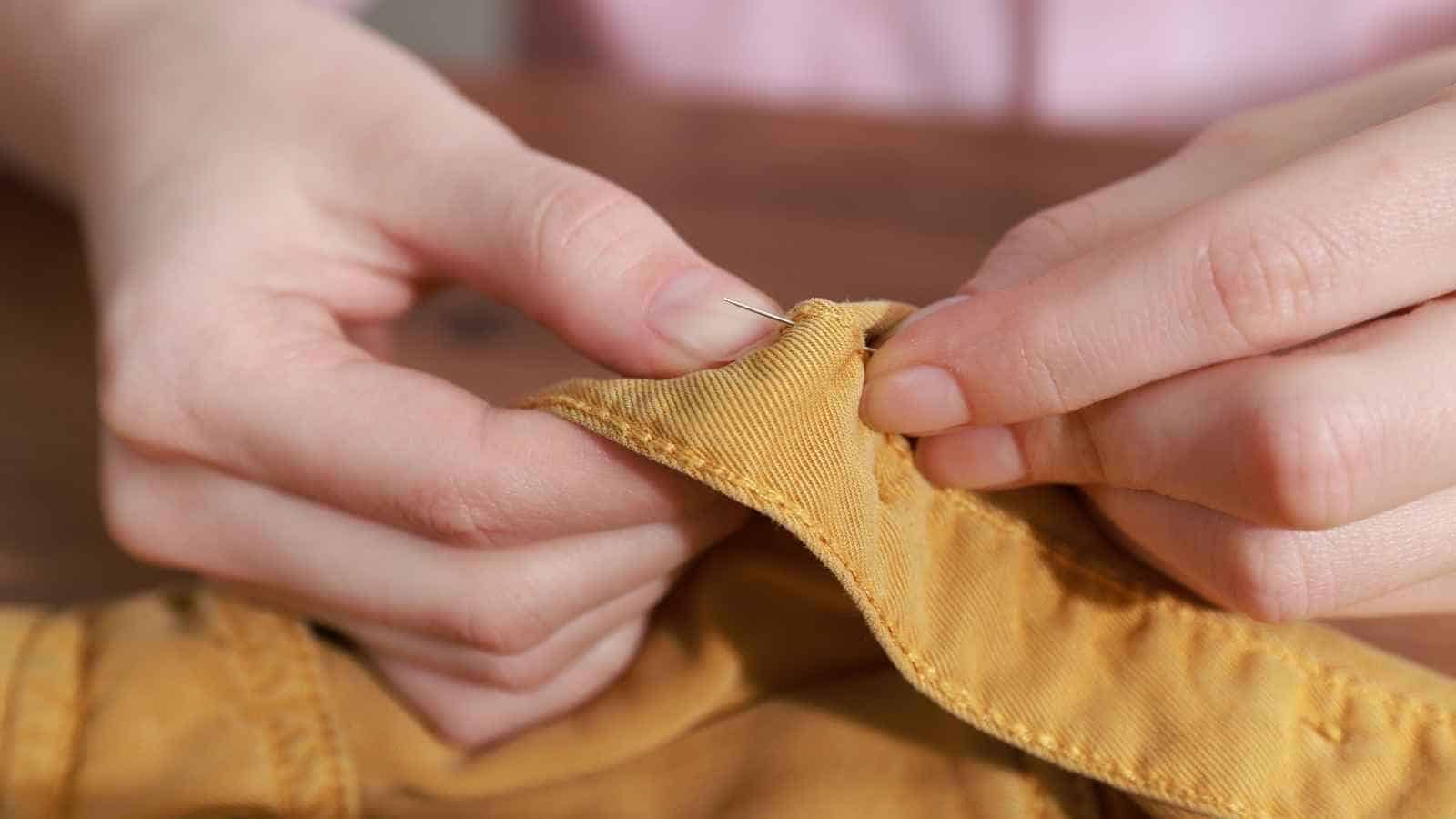
Many women who have experienced the painful loss of a mother prefer to incorporate small fragments of the mother’s gown into a new design. This patchwork approach works beautifully when there is not enough viable fabric to remake a full dress.
Renowned custom designer Marie Hunt handled two emotional cases for brides named Kelly Mack and Amy Rose Montaruli. Hunt carefully removed a single layer of lace from the vintage gowns, noting that each tiny stitch had to be removed without damaging the material.
She cleaned, dried, and pressed the vintage lace before inlaying it into custom veils and embroidered handkerchiefs. The final result allowed the brides to feel completely embraced by their mothers’ memories.
Dyeing It a Bold New Color
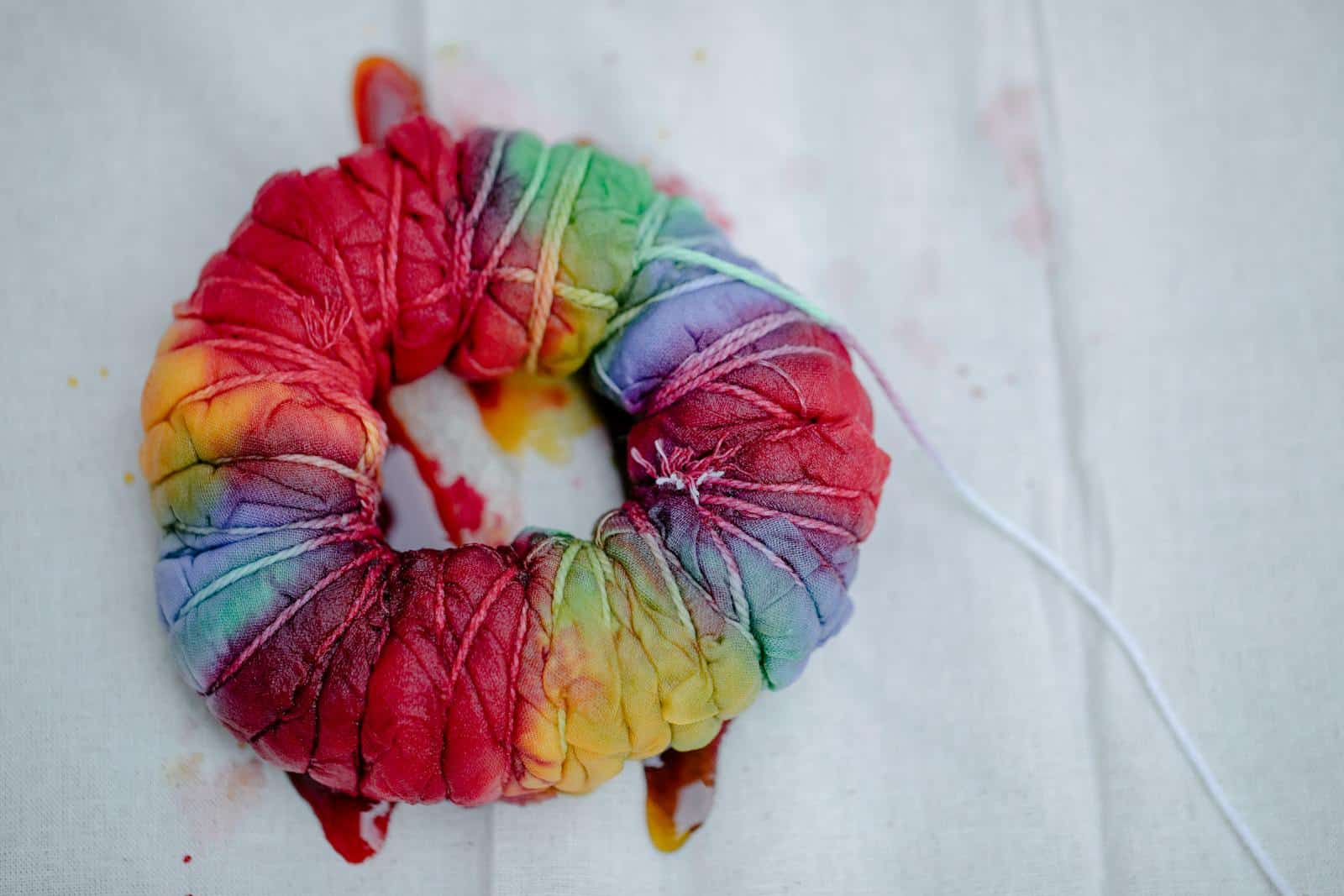
Dyeing an old wedding dress can instantly transform it into a vibrant evening gown or a cocktail dress. However, physical dyeing requires wetting and heating the material, which can permanently alter fabric properties, cause shrinkage, or ruin embellishments.
Experts at Relovable recommend performing a five-minute risk-free digital test first. You can upload a photo of the dress to a recolor app like Pixelcut to try out shades like emerald, navy, or blush.
If the digital version looks like something you would genuinely wear, cut a small swatch of fabric from the train. Wet-test, heat-test, and dye that tiny piece first to verify exactly how the color takes.
Upcycled Statement Accessories
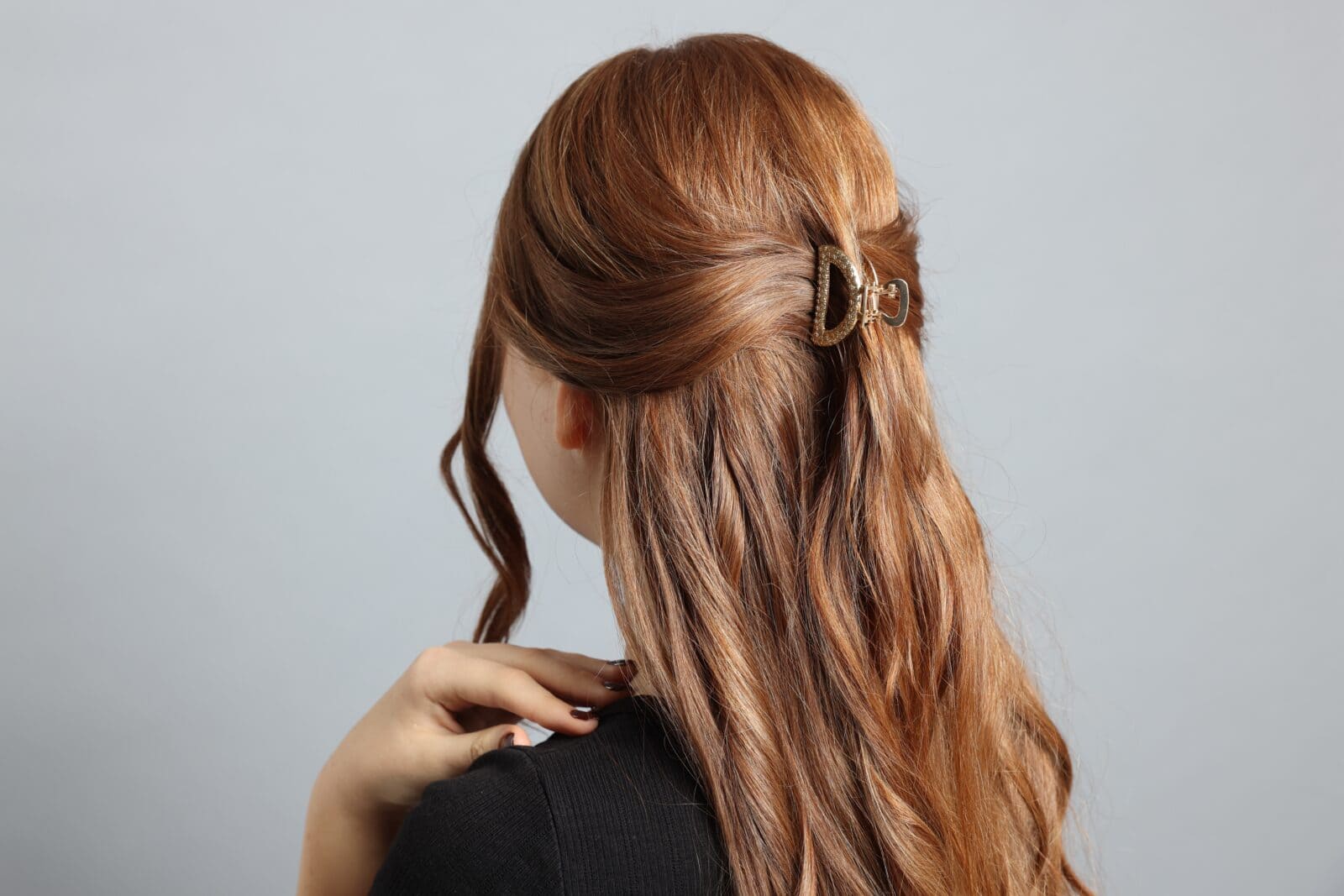
If you want to save money while creating a one-of-a-kind look, building your own hair accessories from heirloom garments is an excellent path. You can easily remove a vintage brooch from an old dress sash and securely attach it to a hair comb or a headband ribbon.
This creates a striking focal point for a center-back hairstyle and fulfills the traditional ‘something old’ requirement. Brides can also harvest strings of faux pearls from an old bodice to scatter through an elegant updo. If you have leftover lace, you can hand-stitch it onto fresh netting to replicate a designer look for a fraction of the price.
The Sentimental Bouquet Wrap
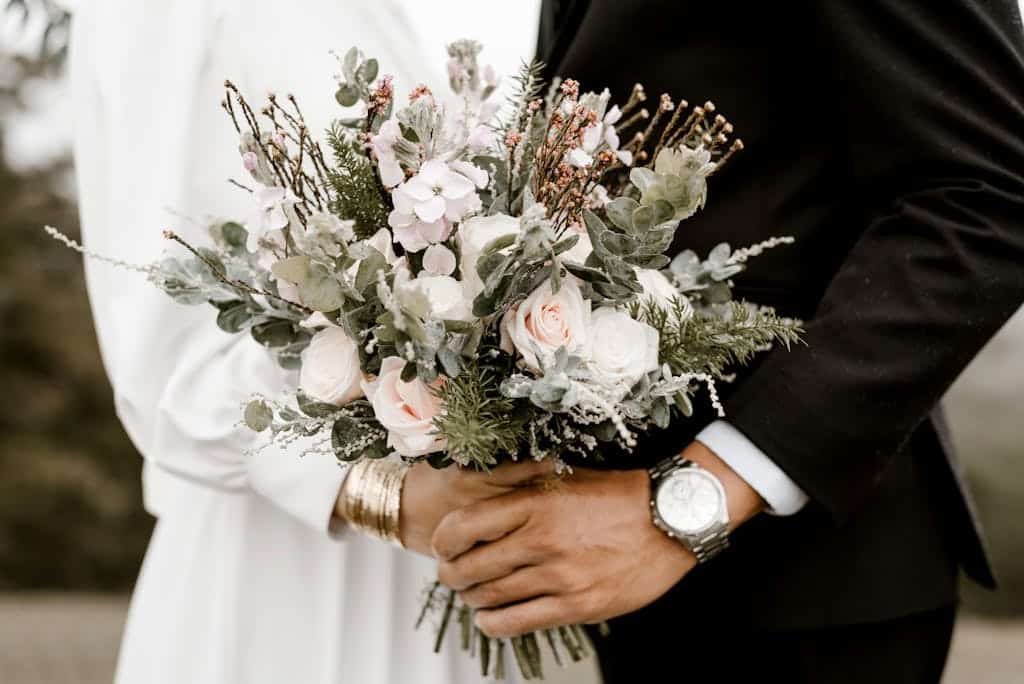
You do not need a massive amount of material to make a powerful statement on your wedding day. Cutting a small 6 to 12-inch swatch of lace or satin from a family dress creates a beautiful bouquet stem wrap.
You simply wrap the fabric securely around the exposed flower stems and fasten it with clean stitches or decorative pins. This creates a highly visible, tactile connection to family history that you carry as you walk down the aisle. It is a low-cost, rapid customization project that keeps the vast majority of the original heirloom dress perfectly intact for future use.
The Statement Veil or Cape
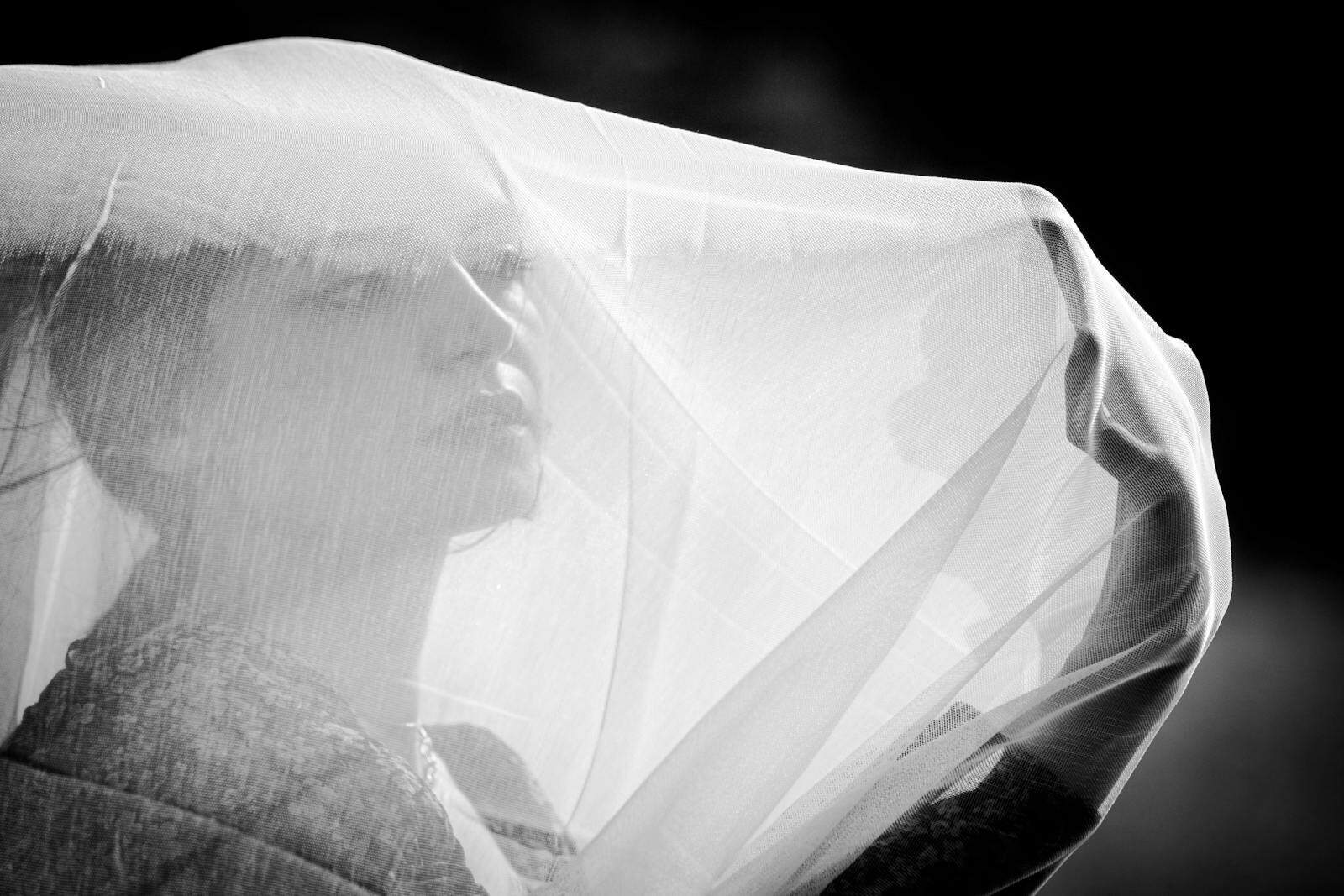
Crafting a dramatic cathedral veil or a sheer bridal cape is a wonderful way to honor an ancestor without changing your new wedding gown. Custom designers follow a stress-free four-step workflow: reviewing photos, holding a design consultation, shipping the garment, and carefully reconstructing it.
Even if an old dress is severely yellowed or has holes, professionals can salvage individual appliqués and Chantilly lace layers. They recommend using a specialized product called Restoration Fabric Restorer. A gentle soak-and-rinse method, followed by flat drying on towels in the shade, completely revives the original color.
The Legacy Christening Robe

Transforming a wedding dress into an heirloom christening gown beautifully links two major family milestones: marriage and parenthood. A preservation specialist named HelenMarie outlines the exact steps to achieve this multi-generational artifact.
You must first assess the dress condition, repair existing damage, and then strategically convert old lace sleeves into infant bodice panels or overlays. Preserving original buttons, embroidery, and sashes retains the emotional narrative.
HelenMarie suggests saving the extra fabric scraps for matching baby bonnets or memory patches and documenting the entire transformation with before-and-after photographs.
Framing It as Fine Art
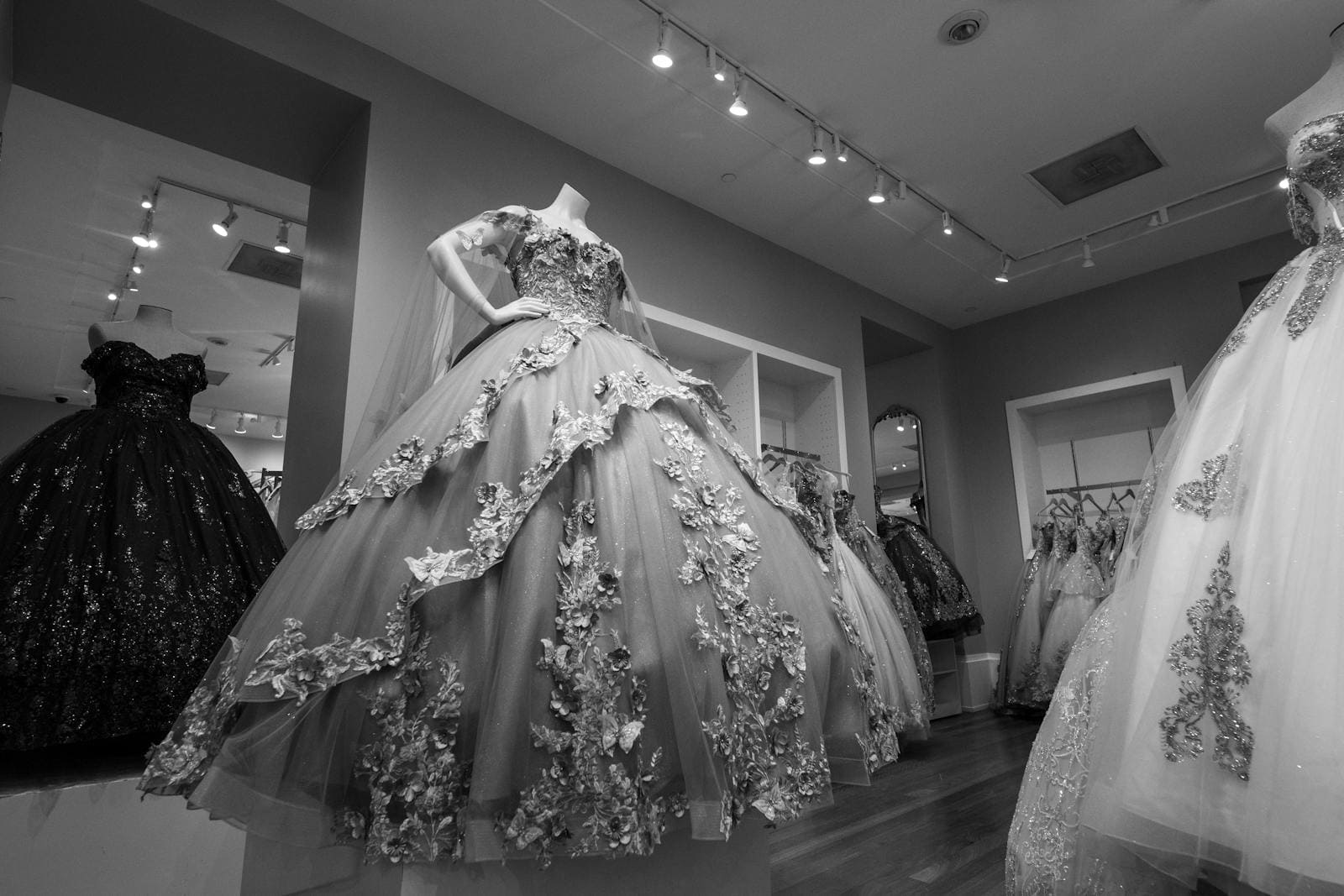
Your wedding dress deserves to be displayed as a true masterpiece rather than folded away in a loft. High-end framing specialists, such as Harten, build oversized shadow boxes up to 4.5 meters tall to mount full-length gowns as wall art.
They use internal padded forms and fabric-covered supports to hold the dress securely without driving stitches through the delicate vintage fabric. To stop chemical damage and fabric yellowing, they line the interiors with acid-free materials. Harten installs UV-protective glazing as a standard feature to block over 99% of harmful wavelengths, ensuring museum-grade preservation.
Boudoir Lingerie Transformation
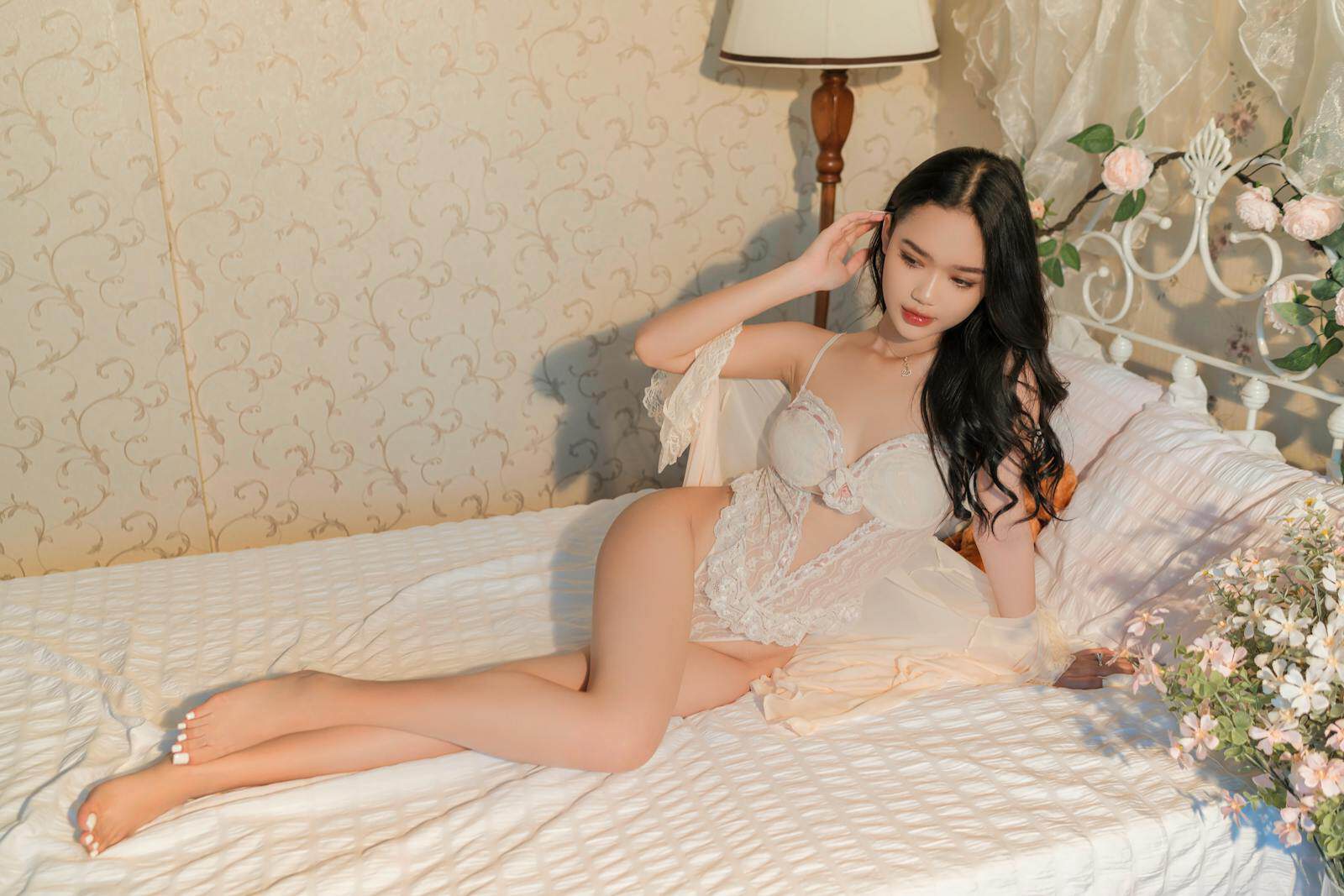
An heirloom is a beautiful object that has been loved and holds real human memory. Creative ateliers are now upcycling rare lace and hand embroidery from vintage gowns into luxury intimate-wear collections, featuring styles such as Antoinette, Marie, and Cara.
Designers use lace, hidden pearls, and French stretch fabrics to craft elegant bridal morning robes and lace kimonos. These pieces are explicitly designed for slow, meaningful moments like wedding mornings, honeymoon travel, and pregnancy boudoir portraits. This gives the original textile an extensive multipurpose longevity that can eventually be passed down to a sister or daughter.
Key Takeaways

- Always conduct digital color trials and physical wet-and-heat patch tests on small swatches before applying dyes or heavy cleaning products to fragile vintage textiles.
- Transforming a full gown into a two-piece separate or a corset mini allows the garment to fit multiple body types and easily transition across different events.
- Even heavily discolored or damaged heirloom gowns contain valuable sections of lace, buttons, and decorative brooches that can be repurposed into high-impact accessories.
- Look beyond the wedding day by converting sentimental bridal fabrics into long-term lifestyle pieces, including museum-grade wall art, intimate wear, or christening robes.
- Complex structural alterations and fabric deconstructions demand expert craftsmanship to preserve the physical integrity and historical value of the original textile.
Disclaimer – This list is solely the author’s opinion based on research and publicly available information. It is not intended to be professional advice.
Like our content? Be sure to follow us.