12 ways beauty ideals are shaping women’s self-image
A flawless face can look one tap away, and that is exactly where the trouble starts. Many women now meet beauty ideals before they even see themselves in the mirror. In 2025, Pew Research Center found that 55% of U.S. women use Instagram, a platform where polished faces, styled bodies, and edited lifestyles are displayed all day.
PubMed also indexed a 2025 study of young women that found that 67.7% believed influencers affected their body image. Nearly half of those women reported high body dissatisfaction, underscoring how deep the pressure can go. Beauty ideals now show up in skincare, fashion, fitness, work, aging, dating, and everyday confidence.
The feed keeps moving, but the mind often pauses on one painful question, “Do I measure up?”
Filters make perfection feel normal
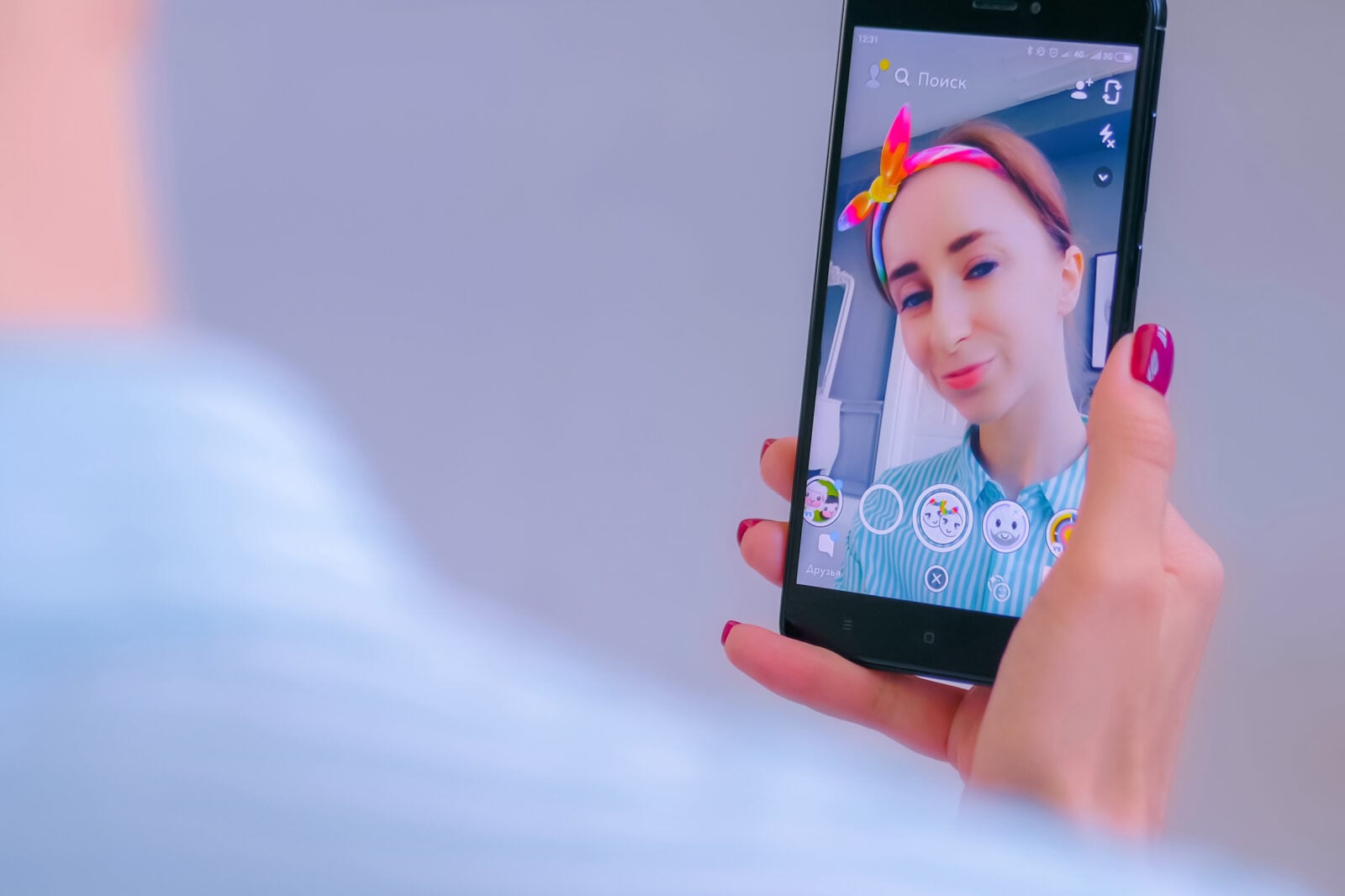
Filters can turn real skin into plastic in seconds. They smooth texture, lift features, brighten eyes, and erase the tiny marks that make a face human. That digital polish can make normal pores look like flaws. A 2025 ScienceDirect review of 43 experimental studies found that idealized images were associated with greater body dissatisfaction via appearance comparisons.
Many women then start judging their morning face against a version that never existed. That quiet comparison can drain joy before the day even starts.
Celebrity looks set the pace
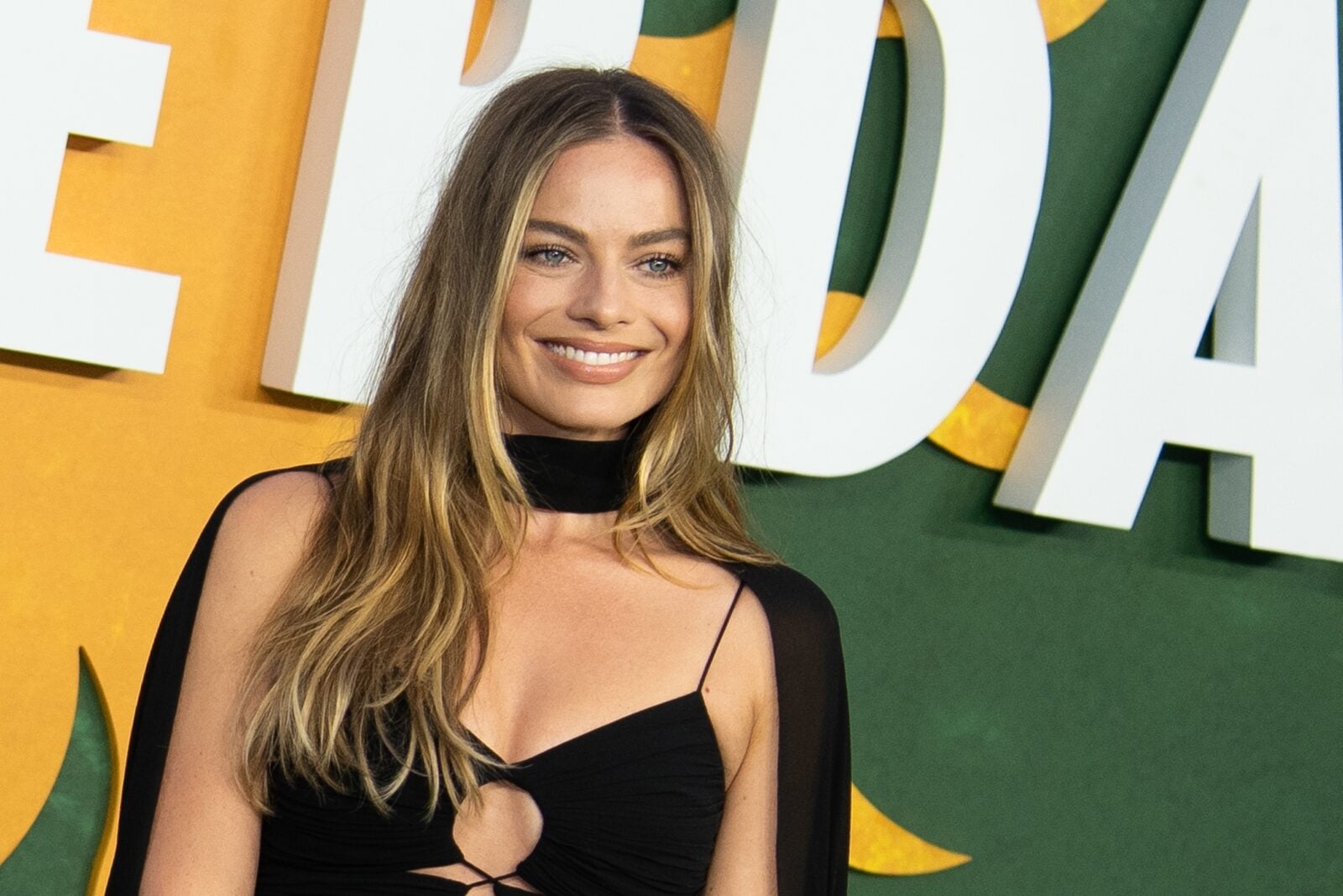
Celebrity beauty trends move fast because fans see them everywhere. One haircut, lip shape, waistline, or red carpet glow can become the new goal by Monday morning. A 2025 study of 176 university students found that thin-ideal celebrity images lowered body satisfaction and increased appearance comparison among young women.
That matters because celebrity beauty often comes with styling teams, lighting, editing, trainers, and significant financial backing. Real women then compare real routines with a full production. The result can feel glamorous, but also exhausting.
Skin tone bias still stings
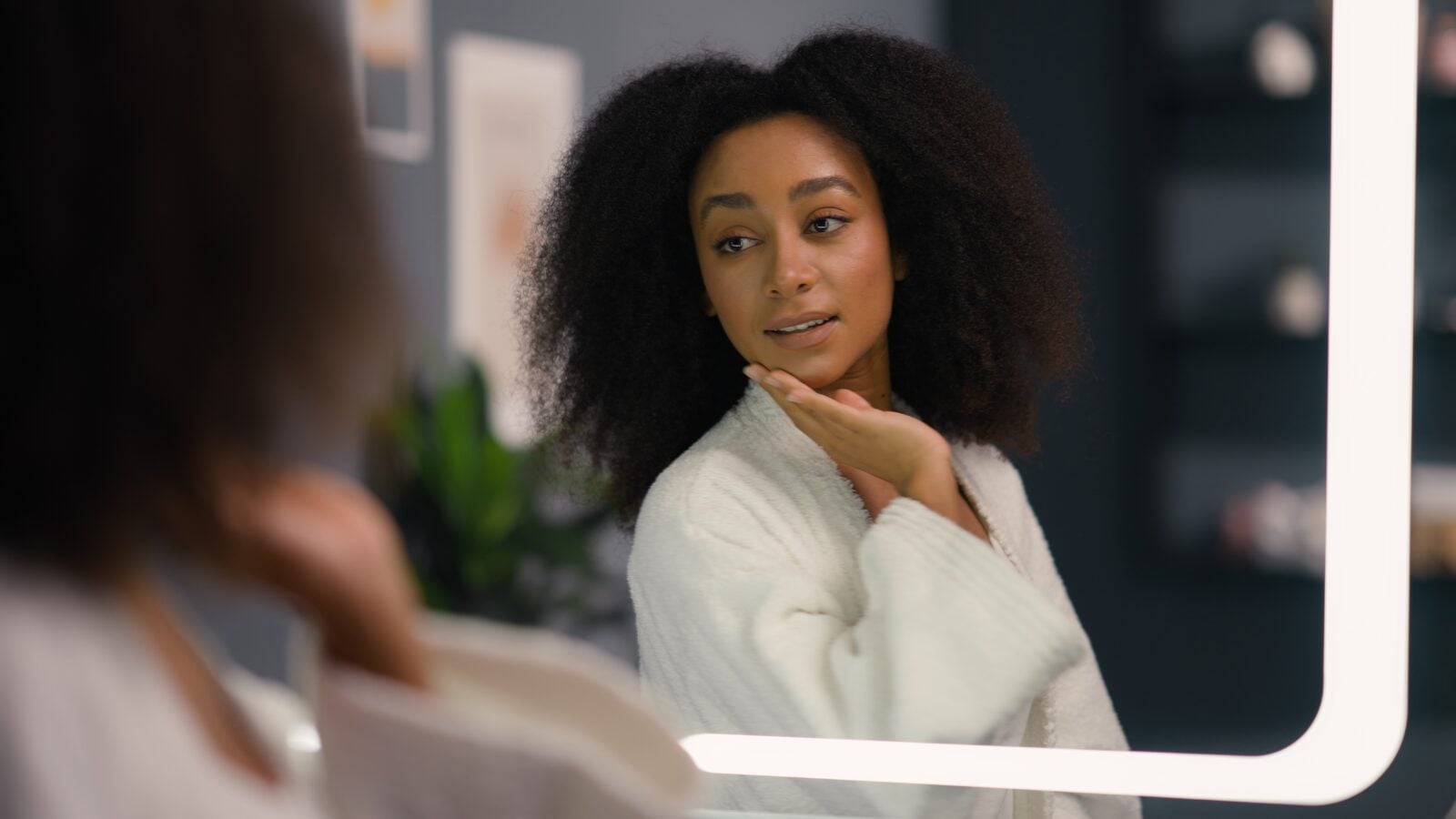
Colorism still shapes beauty in painful ways. It tells some women that lighter skin looks cleaner, softer, richer, or more desirable. The message may arrive through ads, family comments, dating preferences, or social media praise. Women deserve to see their natural shade as power, not a problem to correct.
Body size standards keep shifting
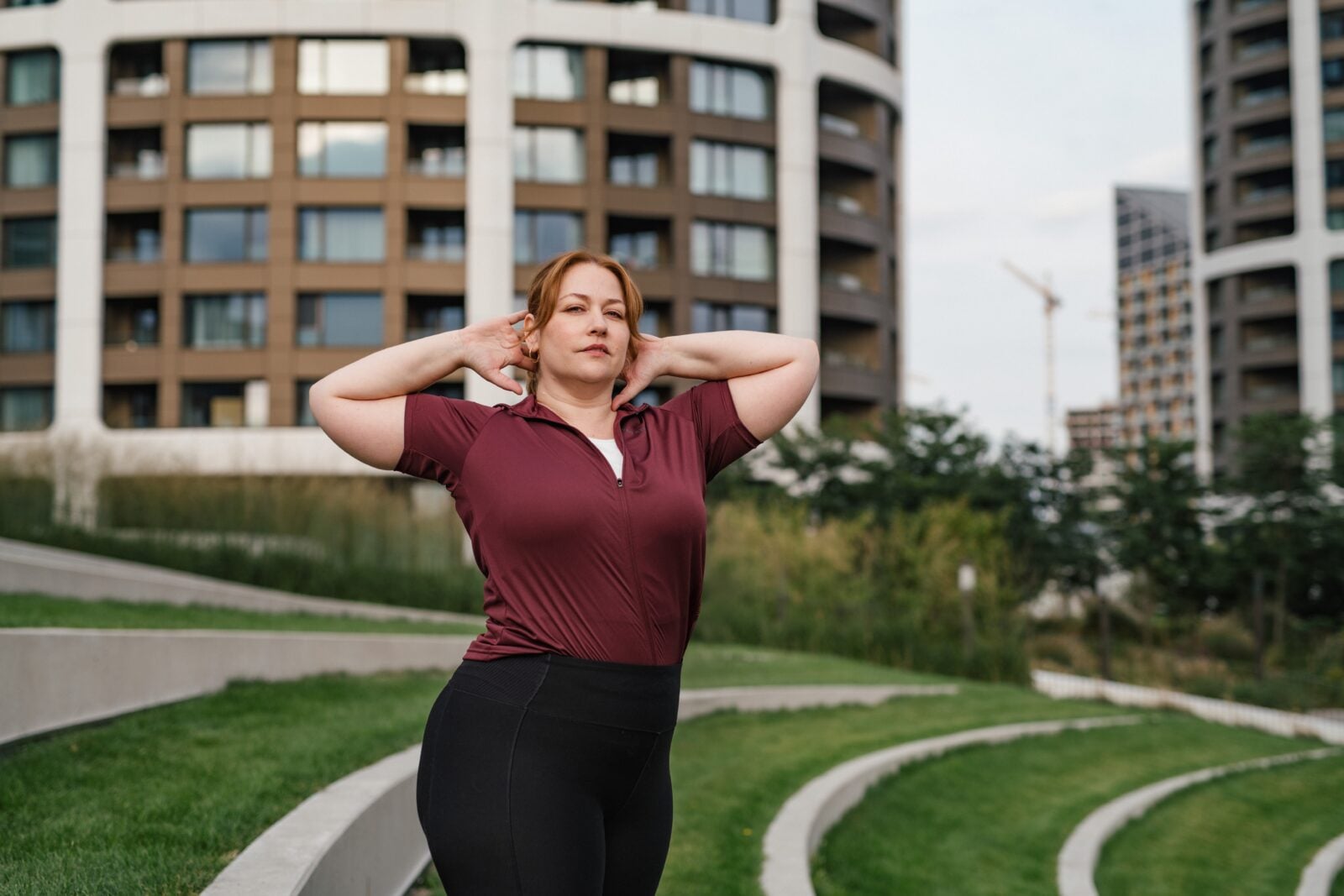
Body ideals keep changing, but they rarely become kinder. One year praises tiny frames, and another praises curves, a flat stomach, and toned arms. PubMed indexed a 2025 study that found 49.4% of young women in the sample showed high body dissatisfaction.
That number explains why many women feel stuck chasing a moving target. Food, clothes, photos, and gym routines can start to feel like a lot. A body should carry a woman through life, not become a daily exam.
Hair norms still carry weight
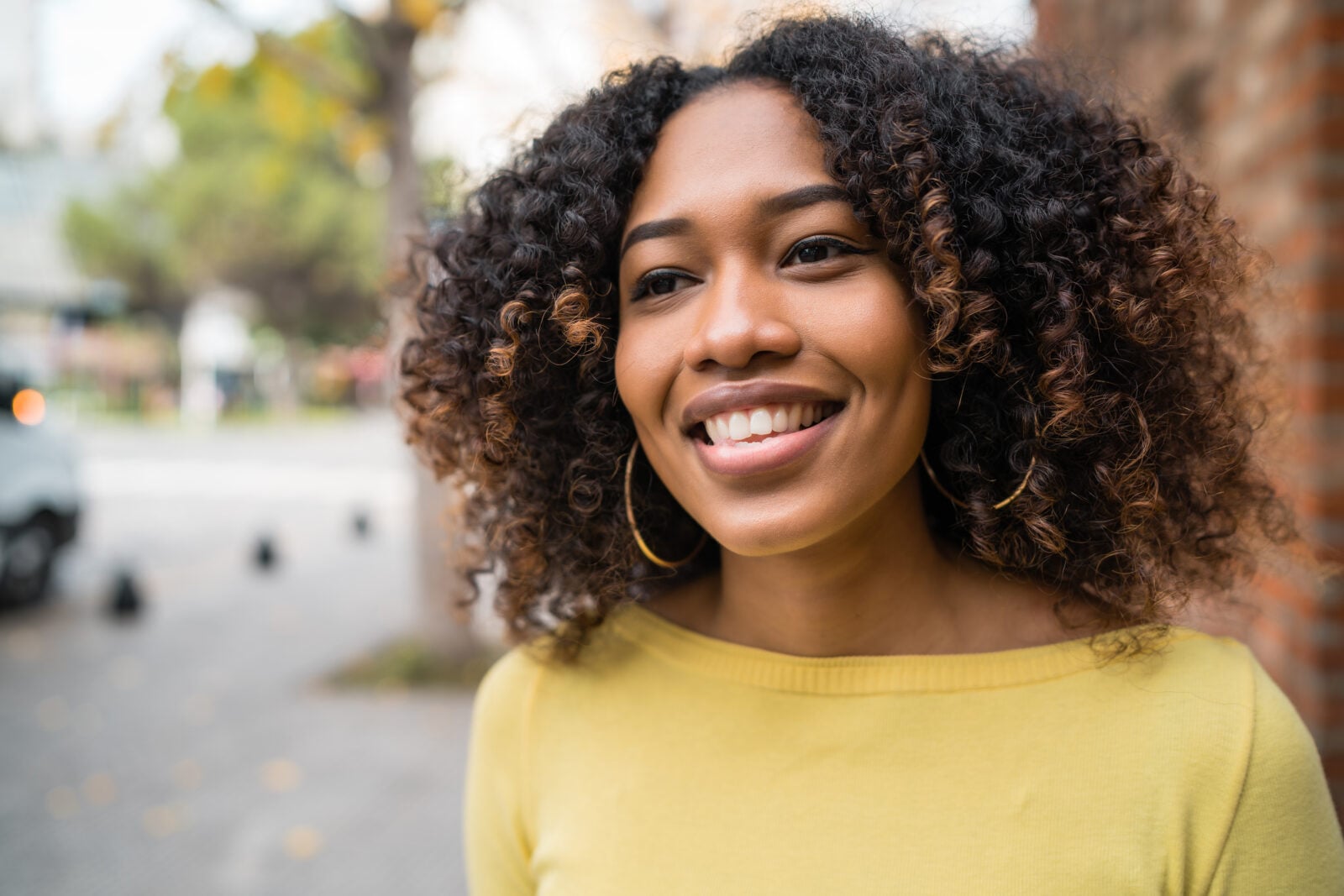
Hair can feel personal, but society often treats it like a public statement. Straight, sleek styles are often called polished, while natural textures still face unfair judgment. Hair should express identity, not serve as a test of worth.
Youth gets overvalued
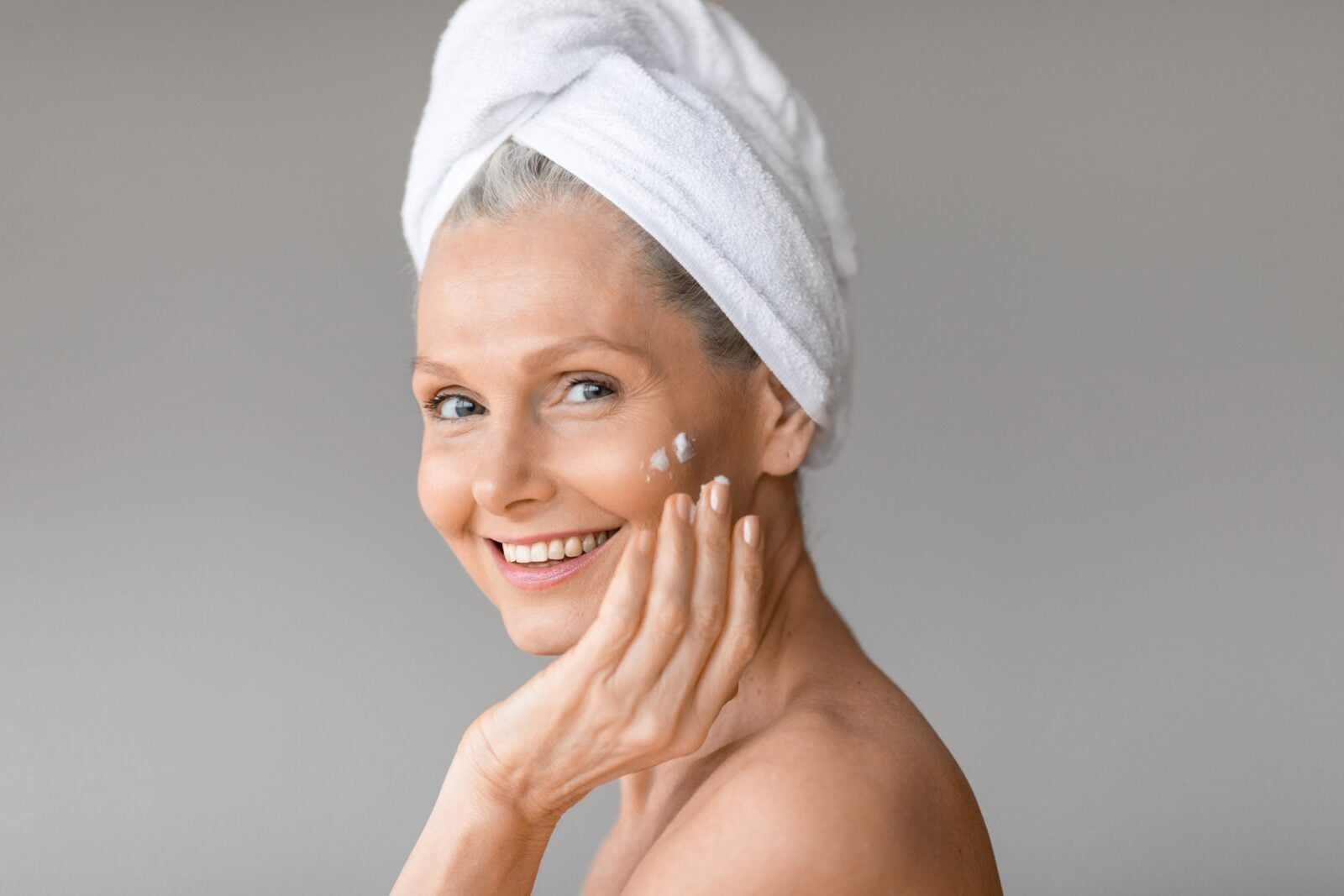
Beauty culture often treats aging like a mistake, and women hear that message early. Creams, filters, and celebrity headlines can make fine lines sound like failure. AARP reported that more than 70% of women over 50 feel pressure to live up to beauty standards shaped by the media.
That pressure can make normal aging feel like a loss of status. Gray hair, softer skin, and laugh lines deserve more respect than panic. A woman does not become less beautiful because time tells the truth.
Cosmetic tweaks feel routine
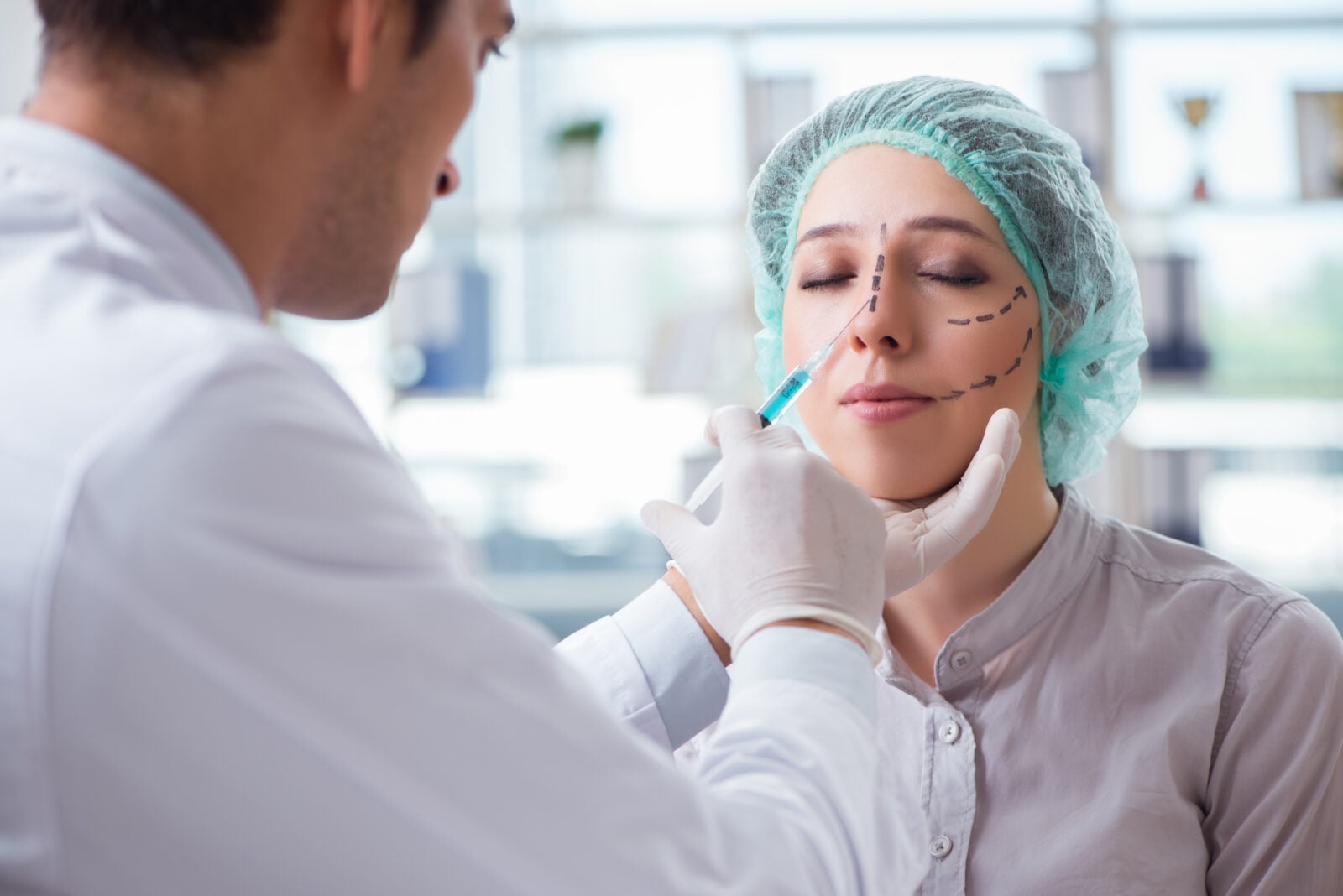
Cosmetic changes now sit closer to daily beauty talk than many people expected. Fillers, Botox, skin tightening, and contouring treatments appear in casual posts and brunch conversations. Some women choose tweaks with confidence, and that choice can be valid. The pressure starts when “optional” begins to feel expected.
Fashion narrows the frame
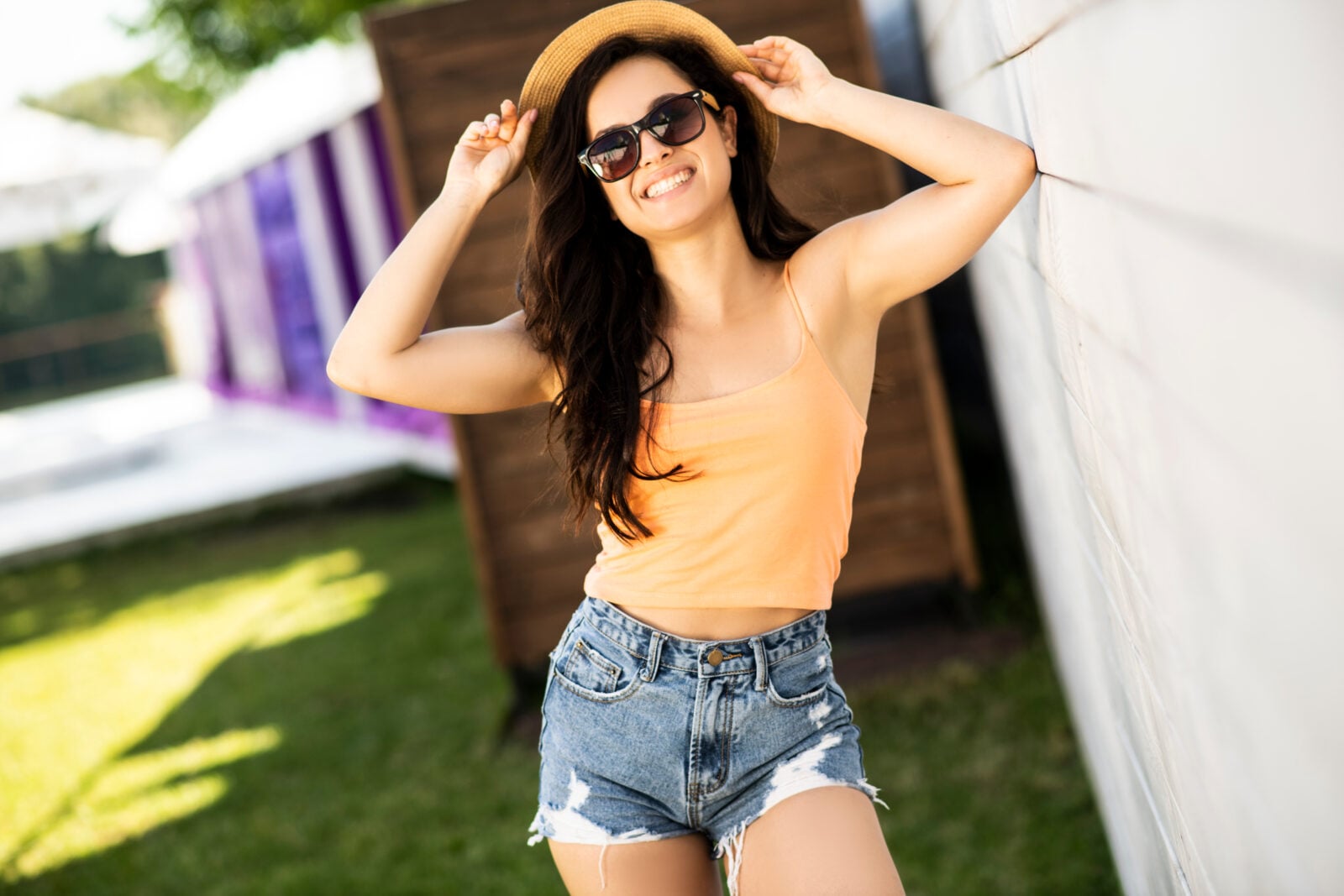
Fashion can make women feel bold, playful, and powerful. It can also shrink the idea of which bodies deserve attention. Vogue Business reported that 97.7% of Autumn-Winter 2025 runway looks appeared on straight-size models, with only 2% on mid-size and 0.3% on plus-size models. That kind of visibility gap sends a loud message.
Women then blame their bodies when clothes fail them. Better fashion should fit real lives, real hips, real waists, and real movement.
Wellness can blur into pressure
Wellness often begins with good goals, like energy, sleep, strength, and calm. Then the internet can twist it into another beauty contest. A 2025 Frontiers study reported that 129 female participants viewed clean-eating or foodie content for 5 minutes to measure changes in mood and body satisfaction.
That small design shows how quickly wellness content can touch self-image. Clean-eating posts can inspire some women but shame others. Health should feel supportive, not like a prettier version of control.
Ads still sell an illusion
Beauty ads still know how to press the sore spot. They promise glow, smoothness, youth, confidence, and social approval in one pretty package.
Women see flawless campaigns, then question their own lines, texture, shape, or age. A product may sit on the shelf, but the standard often follows women home.
Double standards hit hard
Beauty pressure does not land equally on every woman. Race, age, skin tone, hair texture, weight, income, and workplace culture all change the rules. Harvard’s Real Cost of Beauty Ideals project estimated that appearance discrimination costs the U.S. economy $501 billion each year.
That figure shows that beauty standards do more than hurt feelings. They affect opportunity, belonging, and confidence. Women should not have to conform to a narrow definition of beauty to receive fair treatment.
Comparison cycles drain confidence
Comparison now happens in seconds. A woman can scroll past a vacation body, a perfect kitchen selfie, a glowing influencer, and a celebrity close-up before breakfast.
The mind starts measuring skin, hair, clothes, and shape against polished moments. Confidence grows stronger when women remember that a feed is a gallery, not a full life.
Key takeaway
Beauty ideals shape women’s self-image through repetition, comparison, and reward. Social media, celebrities, ads, fashion, wellness culture, hair bias, skin tone bias, and age pressure all teach women what society praises. The most harmful part is how normal these messages can feel after daily exposure.
Women can push back by following more diverse creators, questioning edited images, buying from inclusive brands, and speaking to themselves with more patience. Real beauty needs more room, more ages, more bodies, more skin tones, and more honesty.
Disclaimer – This list is solely the author’s opinion based on research and publicly available information. It is not intended to be professional advice.
Like our content? Be sure to follow us.