What’s out: 15 products women are saying no to now
Across generations, women’s buying habits have profoundly shaped entire industries, from fashion to food and beyond. In recent years, cultural shifts, changing values, and rising awareness about health, sustainability, and personal empowerment have driven many women to reject products once considered essentials.
The following gallery spotlights 15 products that are fading fast from women’s shopping carts, according to primary sources including market research, news outlets, and industry analytics. Let’s explore what’s out, why—and what it means for the future of consumer goods.
1. Pantyhose

Sales of pantyhose have plummeted, with women preferring tights or bare legs in day-to-day life. Control-top pantyhose purchases fell by 47%, regular pantyhose by 40%, and knee-high styles by 59% within six years.
2. Diet Foods

Chemical-laden “diet” products (low-fat, sugar-free, etc.) are on the decline. Sales dropped between 13–22% as women increasingly choose whole, natural foods and favor organic options over processed diet fare.
3. Diet Cola
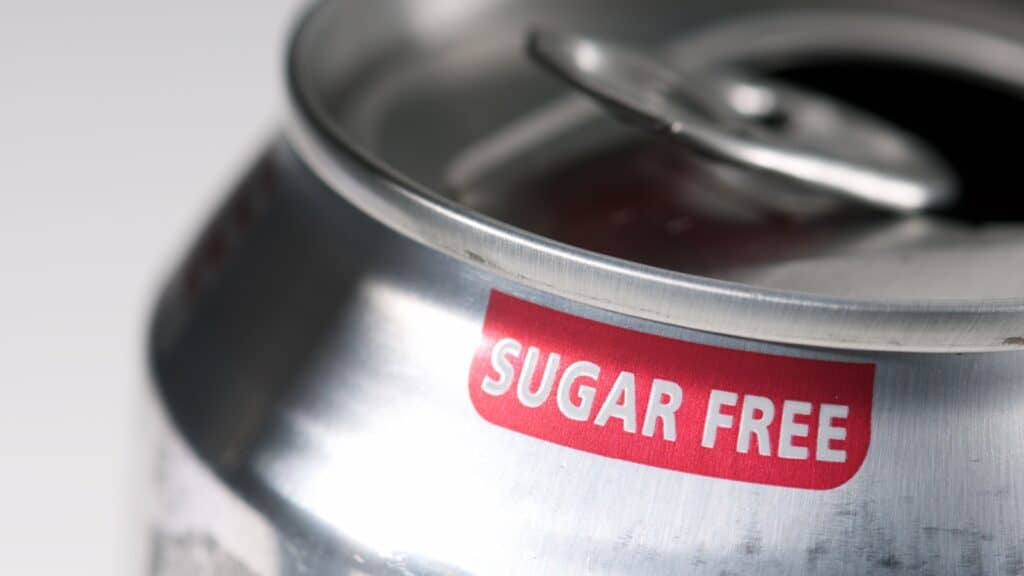
With health warnings mounting and soda taxes surfacing, diet cola purchases are down 21% since 2009. The shift away from aspartame and other chemical sweeteners is driving women toward alternatives like flavored water and kombucha.
4. Cigarettes & Anti-Smoking Products
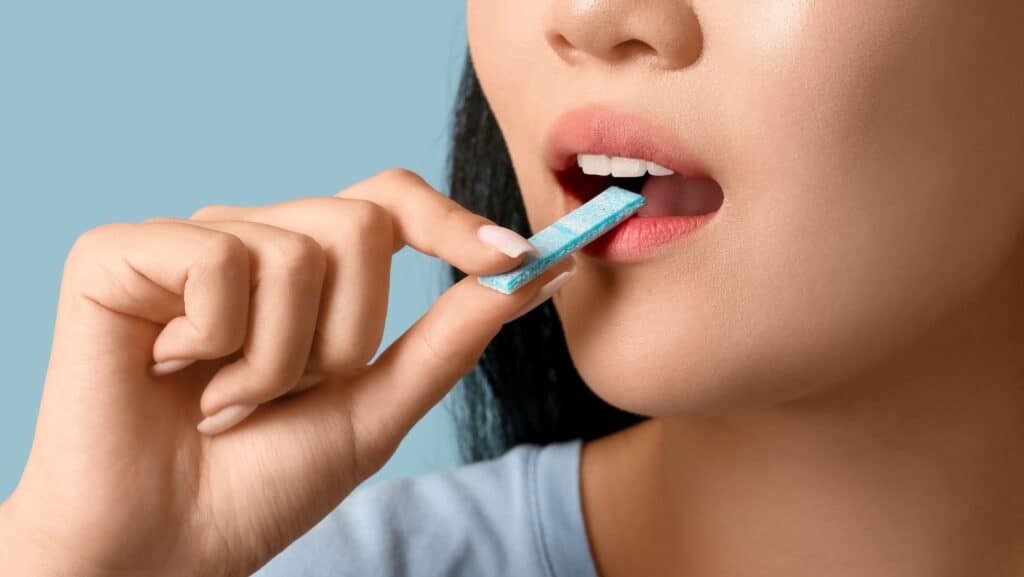
Fewer women are smoking cigarettes, and as a result, purchases of cessation aids like patches and gum have also dropped sharply.
5. Styling Creams & Home Perm Kits

The “natural look” is in. Market data shows declines in sales for hair styling creams, home perm kits, and relaxers as women opt for minimalist hair routines.
6. Business Casual Attire

Blazers, skirts, and slacks have seen a drop in purchases, reflecting the rise of more casual workplace environments and remote work. Blazer sales are down 32%, skirts 18%, and slacks 24%.
7. Non-Scarf Accessories

Fashion accessory sales—watches, gloves, sunglasses, purses—are waning, except for scarves which remain on trend. Glove sales dropped 25%, watches by 15%, and purses by 14%.
8. Books (Physical Formats)

Despite pockets of bestsellers, the overall purchase of print books among women decreased by 13% in five years, as digital media and e-readers gain traction.
9. Bar Soap
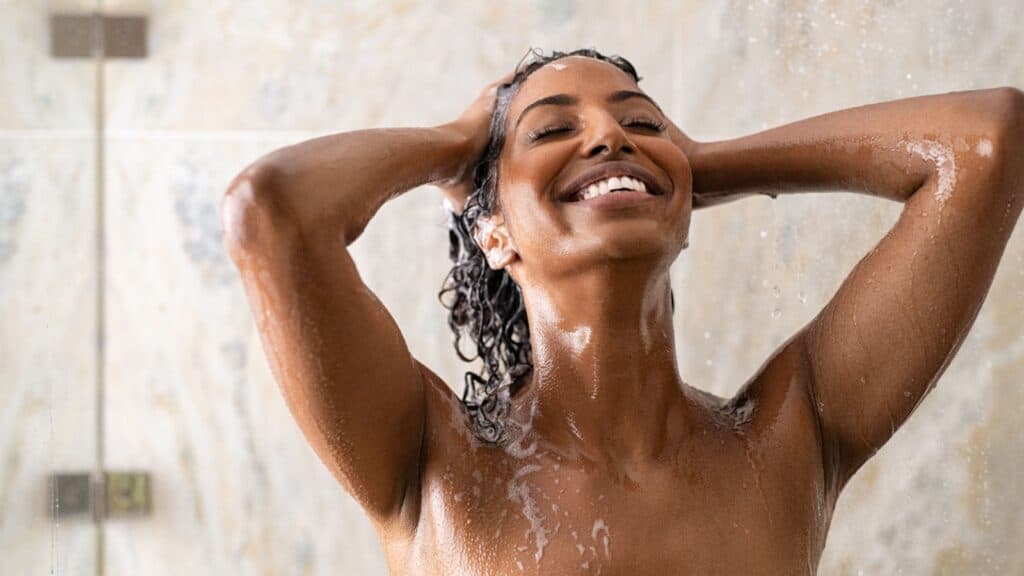
Younger buyers, women included, are shunning traditional bar soap for liquid shower gels and foaming cleansers, citing hygiene and convenience concerns.
10. Designer Handbags

Prestige brands like Kate Spade and Michael Kors have struggled, with millennials and Gen Z women opting for practicality or budget-friendlier options. Discounting has increased as demand flags.
11. Golf Equipment

Interest in golf has waned—a generational trend cutting across both genders, but with notable drop-offs among women. Fewer are picking up or sticking with the sport, impacting equipment and apparel sales.
12. Condoms
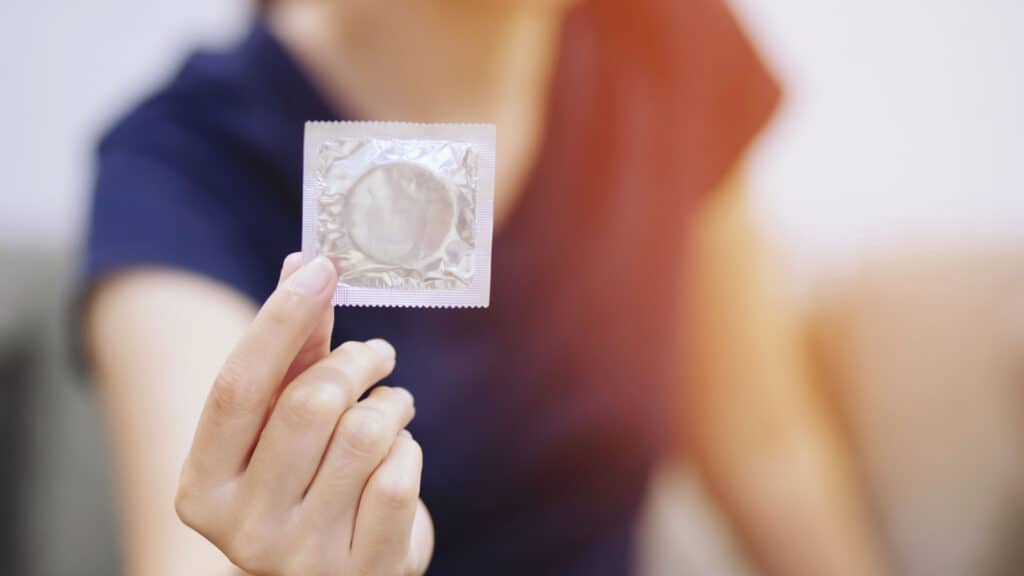
As alternative contraceptives (IUDs, implants, Plan B) become more popular and sexual behavior trends shift, condom sales are falling among women.
13. “Breastaurants” (e.g., Hooters)

Restaurants that market themselves through sexualized female servers have faced declining traffic, especially among younger women who seek more inclusive or respectful dining environments.
14. Fabric Softener

Many women don’t see the need: sales of liquid fabric softener fell 15%, with leading brands reporting double-digit declines. A lack of clear utility drives the retreat.
15. Napkins
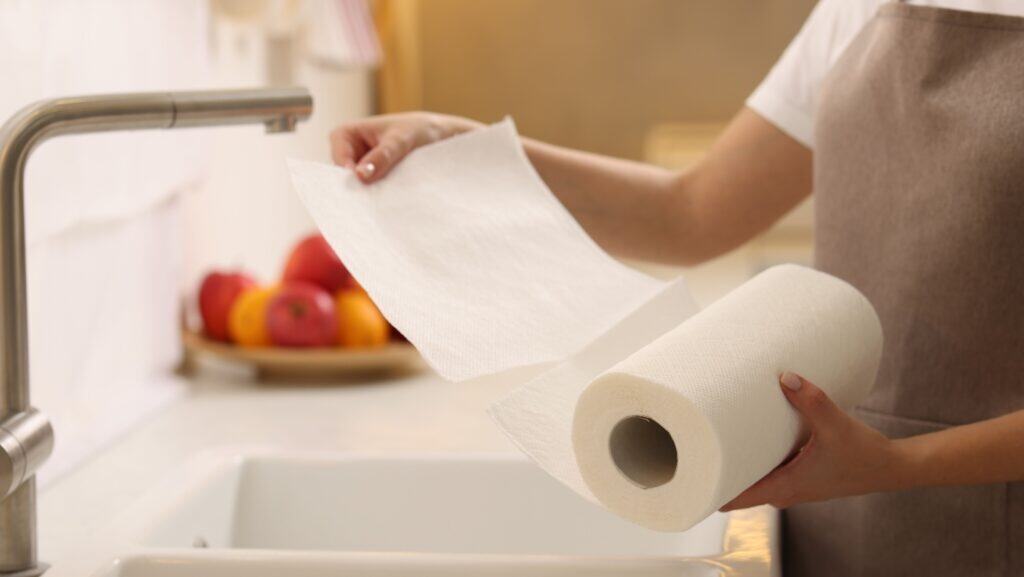
Paper towels have edged out napkins in many homes. Only 56% of shoppers buy napkins compared to 86% who buy paper towels, with women driving the change for versatility and reduction of single-use products.
Conclusion

Women are leading a quiet revolution in shopping choices—turning from “must-have” legacy products toward healthier, more sustainable, practical, and conscious alternatives. Industries tied to outdated trends are scrambling to reinvent themselves, often embracing more inclusive marketing and innovative products. As women redefine what matters in daily life, companies must meet their standards—or risk being left behind.
From Water To Vaseline: The Best Strategies For Hydrated Skin

Proper hydration is one of the most important factors for maintaining healthy, glowing skin.
READ: From Water To Vaseline: The Best Strategies For Hydrated Skin