12 things tourists couldn’t believe were real in the U.S.
America’s most unbelievable destinations aren’t in the movies—they’re real places that leave millions of visitors questioning what they’re seeing.
The United States has a reputation for being a country of extremes, but many visitors discover that reality is even more surprising than the images they see online. Beyond famous attractions like the Statue of Liberty, Disney parks, and Hollywood, America is filled with places that look almost fictional, from impossible landscapes and unusual roadside creations to historic locations with stories that sound too strange to be true. With more than 72 million international visitors traveling to the US in 2024, millions of tourists each year encounter places that completely challenge their expectations.
The country’s enormous size, varied geography, and mix of cultures create experiences that are difficult to find anywhere else in the world. A traveler can walk through ancient forests containing some of the oldest living organisms on Earth, explore underground worlds stretching for hundreds of miles, or discover towns and attractions built around ideas that seem completely unexpected. These are the real places in America that have made tourists stop, stare, and wonder how something so unusual could actually exist.
Racetrack Playa
Located inside Death Valley National Park in California, Racetrack Playa became famous because of its mysterious moving rocks that appeared to travel across the desert floor without human or animal assistance. For decades, visitors discovered large stones scattered across the dry lakebed with long trails behind them, creating one of the strangest natural mysteries in the United States. Some rocks weigh hundreds of pounds, making it seem almost impossible that they could move across the flat surface for anyone seeing the evidence for the first time.
Scientists eventually discovered that the rocks move because of a rare combination of rain, ice, and wind conditions. During colder months, a thin layer of water can freeze across the playa, creating floating ice sheets that allow strong winds to push the rocks slowly across the surface. The movement is extremely gradual, which explains why visitors spent years searching for answers before researchers finally captured the process through scientific observation.
Redwood National and State Parks
Redwood National and State Parks in Northern California surprise tourists because the trees are unlike anything most people have seen before. The coastal redwoods found in this region can grow over 350 feet tall and survive for more than 2,000 years, making them among the largest and oldest living organisms on Earth. Many visitors describe their first walk through these forests as entering a fantasy world because the scale of the trees is difficult to understand from photographs alone.
These forests represent a connection to a much older version of the planet, with some trees existing before many modern civilizations developed. During the early automobile era, several massive redwoods became famous for attractions that allowed cars to drive through openings cut into their trunks. Today, conservation efforts focus on protecting these forests, allowing tourists to experience one of nature’s greatest examples of size, age, and survival.
Hawaiʻi Volcanoes National Park
Many tourists arrive in Hawaii expecting beaches, luxury resorts, and tropical scenery, but Hawaiʻi Volcanoes National Park reveals a completely different side of the islands. Located on the Big Island, the park contains two major volcanoes, including Kīlauea, one of the most active volcanoes on Earth. Visitors are often shocked to discover that they can walk across landscapes shaped by volcanic eruptions and witness evidence of new land being created.
The park offers a rare chance to see geological change happening in real time rather than only reading about it in textbooks. The 2018 eruption of Kīlauea dramatically transformed parts of the island, destroying hundreds of homes and creating new lava fields. For tourists, the experience is unforgettable because it shows the power of nature and reminds them that the planet’s surface is constantly changing.
The Mystery Spot
The Mystery Spot near Santa Cruz, California, has confused visitors since it opened in 1939 by creating the illusion that gravity is behaving differently. Inside the attraction, people appear to stand at strange angles, objects seem to roll uphill, and visitors notice unusual changes in height depending on where they stand. Many tourists arrive expecting a simple attraction but leave amazed because their own eyes seem to disagree with what they know about physics.
The strange effects are caused by optical illusions created by the surrounding landscape and the way the human brain interprets visual information. The attraction became popular because it turned a scientific trick into an entertaining experience for travelers. Although the mystery has been explained, it remains a favorite destination because visitors still enjoy the feeling of witnessing something that appears impossible.
The Alamo
The Alamo in San Antonio, Texas, surprises many tourists because the building itself is much smaller than they imagine. Visitors often expect a massive fortress similar to European castles, but the historic mission is actually a modest structure surrounded by the modern city. The contrast between its simple appearance and its enormous historical importance is one of the first things many travelers notice.
The site became famous because of the 1836 Battle of the Alamo during the Texas Revolution. A small group of defenders held the mission against a much larger Mexican army, creating a story that became deeply connected with Texas identity and American history. Millions of visitors explore the location every year, often amazed that such a small place could have such a powerful historical impact.
Las Vegas Strip
The Las Vegas Strip is one of the American locations that many international tourists describe as feeling unreal. Stretching about 4.2 miles through Nevada, the Strip contains enormous hotels, casinos, entertainment venues, luxury shopping areas, and replicas of famous landmarks from around the world. The combination of bright lights, massive buildings, and nonstop activity creates an environment unlike almost anywhere else.
The scale of Las Vegas is what shocks many first-time visitors because nearly everything is designed to be larger than expected. Some resorts contain thousands of rooms, artificial beaches, indoor attractions, and entertainment spaces that attract millions of visitors every year. The Strip represents a unique combination of tourism, architecture, and entertainment that has turned a desert location into one of the world’s most recognizable destinations.
The Wave
The Wave, located near the Arizona and Utah border, is one of the most unusual rock formations in the United States because it looks almost too perfect to be natural. The sandstone curves resemble ocean waves frozen in motion, creating patterns that appear carefully designed rather than shaped by nature. Many tourists first encounter images of The Wave online and assume they have been digitally edited before discovering that the landscape truly exists.
The formation was created over millions of years as wind and water slowly eroded layers of sandstone. Because the area is fragile, access is limited through a permit system that allows only a small number of visitors each day. This restriction has made The Wave one of the most sought-after destinations in the Southwest.
Carhenge
Carhenge in Alliance, Nebraska, is one of America’s strangest roadside attractions because it recreates England’s famous Stonehenge using old automobiles. Built in 1987 by artist Jim Reinders, the structure uses 39 vehicles arranged in a circular formation, with several cars buried vertically to imitate the appearance of ancient stones. Tourists often stop expecting a normal attraction but discover a surprising mix of creativity, humor, and engineering.
The attraction began as a personal tribute but eventually became a destination visited by travelers from around the world. Carhenge represents the unusual creativity often found along American highways, where ordinary objects can become famous landmarks. It demonstrates how tourism is not always about ancient history or natural wonders, but sometimes about unique ideas created by individuals.
Grand Canyon
The Grand Canyon is one of the most famous natural landmarks on Earth, yet many tourists still cannot understand its size until they stand at the edge themselves. Located in Arizona, the canyon stretches about 277 miles long and reaches depths of more than one mile. Photographs rarely capture the true scale, which is why many visitors describe their first view as a completely overwhelming experience.
The canyon was shaped over millions of years by the Colorado River, creating layers of rock that reveal nearly two billion years of geological history. Millions of people visit each year to hike, explore, and experience the landscape. For international tourists, the Grand Canyon often becomes a reminder of how powerful natural forces can be when given enough time.
Mammoth Cave National Park
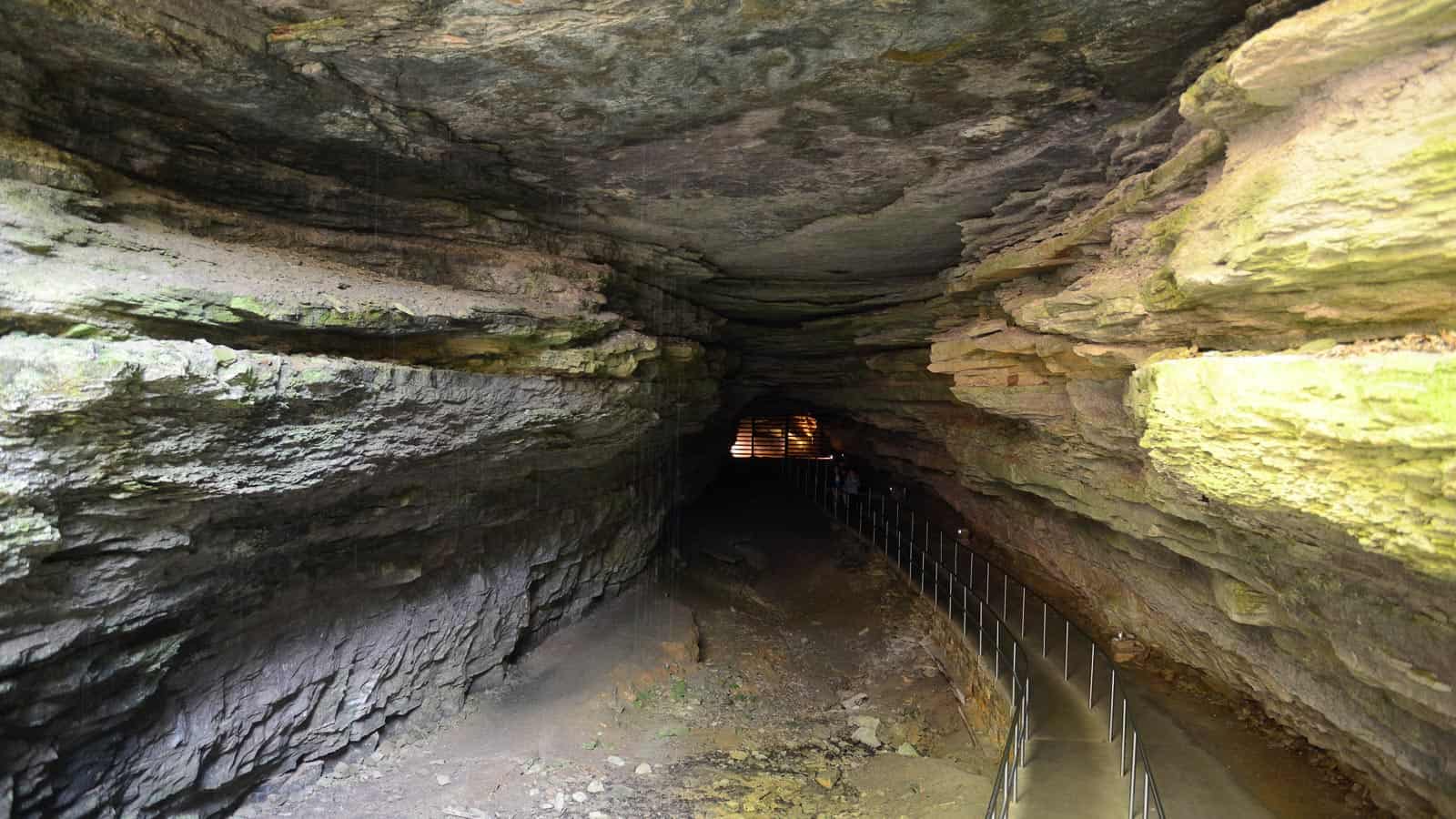
Mammoth Cave National Park in Kentucky surprises visitors because one of the world’s largest underground environments exists beneath ordinary-looking land. The cave system contains more than 426 miles of explored passages, making it the longest-known cave system on Earth. Tourists entering the cave often describe the experience as discovering an entirely different world hidden beneath the surface.
The cave has a long history, with Indigenous people using the area thousands of years ago before European settlers arrived. Scientists continue exploring the underground system, meaning discoveries are still possible today. The combination of history, geology, and mystery makes Mammoth Cave one of America’s most fascinating hidden landscapes.
Winchester Mystery House
The Winchester Mystery House in San Jose, California, is famous for its design, which looks unlike any ordinary home. The mansion contains 160 rooms, staircases that lead nowhere, doors opening into walls, and unusual architectural choices that leave visitors confused. Many tourists arrive expecting a historic house but discover a structure that feels more like a giant puzzle.
Construction began in 1886 and continued for decades, creating one of the most unusual homes in America. Stories surrounding Sarah Winchester and the reason behind the strange design have contributed to the mansion’s popularity. Whether visitors believe the legends or simply appreciate the architecture, the house remains one of the country’s most memorable attractions.
Salvation Mountain
Located in the California desert near the Salton Sea, Salvation Mountain is one of the most unusual public art projects in America. Created by artist Leonard Knight beginning in the 1980s, the massive hillside structure is covered with colorful paintings, religious messages, flowers, and designs made from adobe, straw, and thousands of gallons of paint. Many tourists are shocked when they encounter the bright artwork because it appears suddenly in the middle of an empty desert landscape.
Salvation Mountain became a famous example of outsider art and attracted visitors from around the world who wanted to experience its unusual design and personal story. The project was built through decades of dedication rather than professional construction methods, making it different from traditional tourist attractions. Although the structure has faced preservation challenges due to weather and age, it remains a symbol of creativity and determination.
Key Takeaway
The United States is filled with places that challenge expectations and reveal a side of the country many tourists never imagine. From natural wonders created over millions of years to unusual attractions built through human creativity, these destinations show that America’s most unforgettable experiences are often the ones that seem impossible at first. The country’s size, history, and diversity continue to create discoveries that leave visitors amazed long after they return home.
More articles you might like:
- 12 Travel Mistakes American Women Make In Europe
- Don’t Fall Prey To These 10 Travel Scams This Summer
- How To Travel With Your Dog: Planes, Trains, Automobiles – And Boats!