12 Things Lonely Women Do That They Don’t Talk About
Loneliness can manifest in various ways that often go unspoken, especially for women. Studies show that women tend to hide their feelings of loneliness, either to avoid judgment or because they don’t know how to express the pain.
AARP research shows that loneliness affects many adults, with 37% of women and 42% of men reporting it, while a significant number experience it without even realizing it. Understanding loneliness’s subtle signs can lead to better support for those experiencing this emotion.
Here are 12 behaviors that many lonely women exhibit but rarely discuss.
Turn Down Social Invitations

Lonely women often turn down social invitations but mask their true feelings by claiming they’re “too busy.” According to research by Parade, this response is often a defense mechanism. By saying they’re busy, women avoid the vulnerability of admitting their loneliness or social anxiety.
This strategy helps protect them from the potential judgment of others, but it also deepens their isolation. This behavior can inadvertently create a cycle of loneliness, as avoiding social interactions further reinforces the lack of emotional connection they feel.
Instead of admitting loneliness, women choose socially accepted excuses. The fear of rejection leads to avoiding intimate social experiences, trapping them in an emotional cycle.
Over-Schedule To Avoid Feeling Alone

To distract themselves from loneliness, women often fill their calendars with errands, meetings, and side hustles. An article by Helpguide says, these busy schedules are a form of escapism, offering a temporary solution to emotional emptiness. While the external busyness may seem productive, it does little to fulfill emotional needs. Women may continue to overschedule as a way to avoid the discomfort of sitting with their loneliness, but it ultimately leaves them feeling drained and emotionally unfulfilled.
This over-scheduling becomes a coping mechanism, but it prevents real emotional connections. Women often hope that staying busy will fill the void left by emotional loneliness, but it rarely works in the long term.
Put Everyone Else First and Resent It

Many lonely women put others’ needs ahead of their own, agreeing to requests they don’t genuinely want to fulfill. This is a common behavior in which women derive a sense of value from feeling needed, but over time, it can lead to burnout and resentment.
By constantly saying “yes” to others, they neglect their own emotional needs, which fosters hidden frustration. This behavior often stems from a desire for connection but ends up creating more distance in relationships due to unexpressed emotions.
The need to please leads to resentment. Women often feel unappreciated, which deepens their isolation, even though they appear to be constantly giving and caring for others.
Lower Standards In Relationships

Lonely women may lower their standards in relationships, often tolerating emotionally shallow or dismissive partners. According to studies from YourTango, loneliness can cloud judgment, making women more likely to settle for relationships that don’t meet their emotional needs.
This behavior can result from believing they won’t find someone better, leading to dissatisfaction and emotional frustration. Women often stay in these relationships, believing that any connection is better than none, even if it doesn’t fulfill their deeper needs.
Loneliness can make settling feel like the only option. By tolerating poor treatment, women avoid confronting the pain of being alone, but in the end, this only prolongs their emotional distress.
Avoid Close Friendships Out Of Fear

Women who feel lonely often avoid deepening friendships, fearing rejection or disappointment. These women often keep their relationships superficial, making excuses not to follow up after meeting new people. By doing so, they protect themselves from the emotional risk of being let down. This defense mechanism keeps them from forming the deep connections they desire, resulting in long-term isolation despite being surrounded by potential friends.
Fear of being let down leads to emotional distance. Women hide their vulnerability by keeping relationships casual, unintentionally reinforcing their loneliness.
Say “I’m Fine” When Falling Apart

When feeling lonely, many women default to saying “I’m fine,” even when they’re struggling emotionally. Research from Elitedaily tell us that this phrase has become a shield against judgment.
Women often feel that admitting their loneliness or emotional distress would make them appear weak, so they suppress their true feelings. This behavior isolates them further, as they’re unable to seek the support they need while pretending everything is okay.
Hiding behind the phrase “I’m fine” keeps emotions from being expressed. Women avoid vulnerability, even when it’s clear that they need emotional support, perpetuating the cycle of loneliness.
Rely Heavily On Pets or Social Media

Lonely women often turn to pets, social media, or television for comfort and temporary connection. Statistics by dailymail, up to 60% of women will pick a pet over a men. While another report from nationalworld, states that 59% of lonely women turn to media. These behaviors can briefly mimic social connection, tricking the brain into feeling connected without actual human interaction. However, this escapism doesn’t address the emotional void and can deepen loneliness further. These activities offer only temporary distractions, failing to fulfill the need for meaningful human connection.
Escapism through pets and screens doesn’t fill the emotional void. Women may feel a momentary connection, but these actions rarely provide lasting emotional satisfaction or resolve feelings of loneliness.
Maintain A “Strong” Image While Fragile

Women who feel lonely often project an image of being strong and self-sufficient, even when they feel vulnerable inside. This behavior is a defense mechanism that helps women shield themselves from rejection. They fear appearing needy or weak, so they refuse help even when they desperately need it. This stance can further isolate them, as they struggle with feelings of loneliness without allowing others to provide emotional support.
Projecting strength hides true emotions. Women feel pressure to maintain an independent image, even when it leads to increased loneliness and emotional distance.
Compare Themselves To Others

Lonely women often find themselves comparing their lives to others’ carefully curated highlight reels on social media. Loneliness is linked to increased social media use, which exacerbates feelings of inadequacy. Women may scroll through photos of happy couples or successful peers, leading them to feel their own lives are lacking. These comparisons can deepen feelings of isolation and inadequacy, making women feel disconnected from those around them.
Social media comparisons amplify loneliness. Women feel disconnected when they compare their reality to others’ idealized lives online, increasing feelings of isolation and insecurity.
Downplay Emotional Needs

Lonely women often downplay their emotional needs, dismissing feelings like sadness or longing as “overreacting” to avoid being seen as weak. This minimization keeps them from seeking the emotional support they need, preventing deeper emotional connections. By suppressing their feelings, they isolate themselves further, unable to share their vulnerabilities with others. This habit reinforces loneliness and keeps their true emotional needs hidden.
Suppressing emotions worsens loneliness. By labeling emotional needs as “dramatic,” women avoid confronting their loneliness and miss opportunities for connection and support.
Let Self-Care Slide
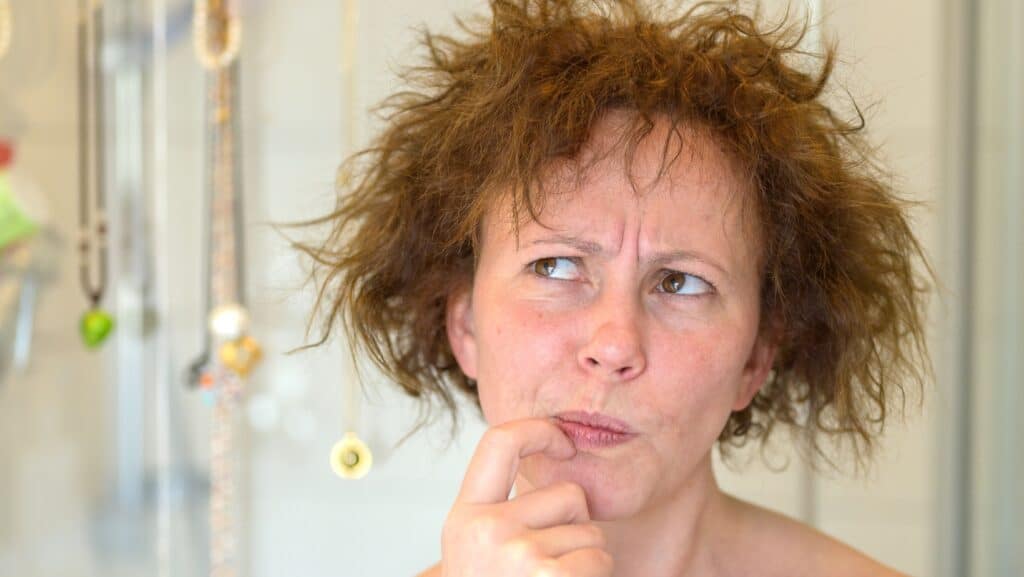
Women struggling with loneliness often neglect self-care routines, reasoning that “no one will notice anyway.”Loneliness is linked to lower self-esteem and poor self-care. This “why bother” attitude can lead to neglect of physical, mental, and emotional health, making them feel even more isolated. Women may forgo grooming or exercise routines, which reinforces their belief that they are not worthy of attention or care, further deepening their feelings of isolation.
Neglecting self-care amplifies isolation. Women who stop caring for themselves feel disconnected from others, creating a cycle of emotional and physical neglect that worsens loneliness.
You may want to read: Behaviors that can lead to loneliness and isolation in women as they age
Use Work As A Distraction

Lonely women often immerse themselves in work or side projects to avoid confronting their emotional isolation. This coping mechanism can offer a temporary escape but doesn’t address the root cause of loneliness. While staying busy may seem productive, it can prevent women from processing their emotions or from seeking meaningful connections. As they focus on career achievements or hustling, their emotional needs remain unmet, leading to a cycle of isolation and burnout.
Escaping through work doesn’t solve emotional voids. Constant hustle may offer temporary relief, but it deepens the underlying loneliness by neglecting emotional connections.
Core lesson
Lonely women often hide their struggles behind socially acceptable excuses and distractions, but these behaviors mask deep emotional needs. Recognizing these signs and offering emotional support can help break the cycle of loneliness and foster more meaningful connections.
You may want to read: Habits older women swear by that may help with healthy aging