12 things parents of mixed race babies wish you would stop asking
A mother pushes her stroller through a quiet suburban grocery store. She stops to check the ripeness of a melon. Within seconds, a stranger leans in, peers at the sleeping baby, and asks a question that stops the afternoon cold.
This scene repeats daily across the United States. It happens in doctors’ offices, parks, and school gates. As our neighborhoods change, these moments of friction become more common.
Recent data from the Pew Research Center highlights a steady rise in the multiracial population. More Americans identify as multiracial now than at any other point in history. Yet public social etiquette has not kept pace with this demographic shift.
Many parents of mixed-race children find themselves constantly defending their roles. They face a barrage of “innocent” questions that strip away their privacy. These inquiries often reduce a living, breathing child to a collection of racial traits or a genetic puzzle to be solved.
Are you the babysitter?
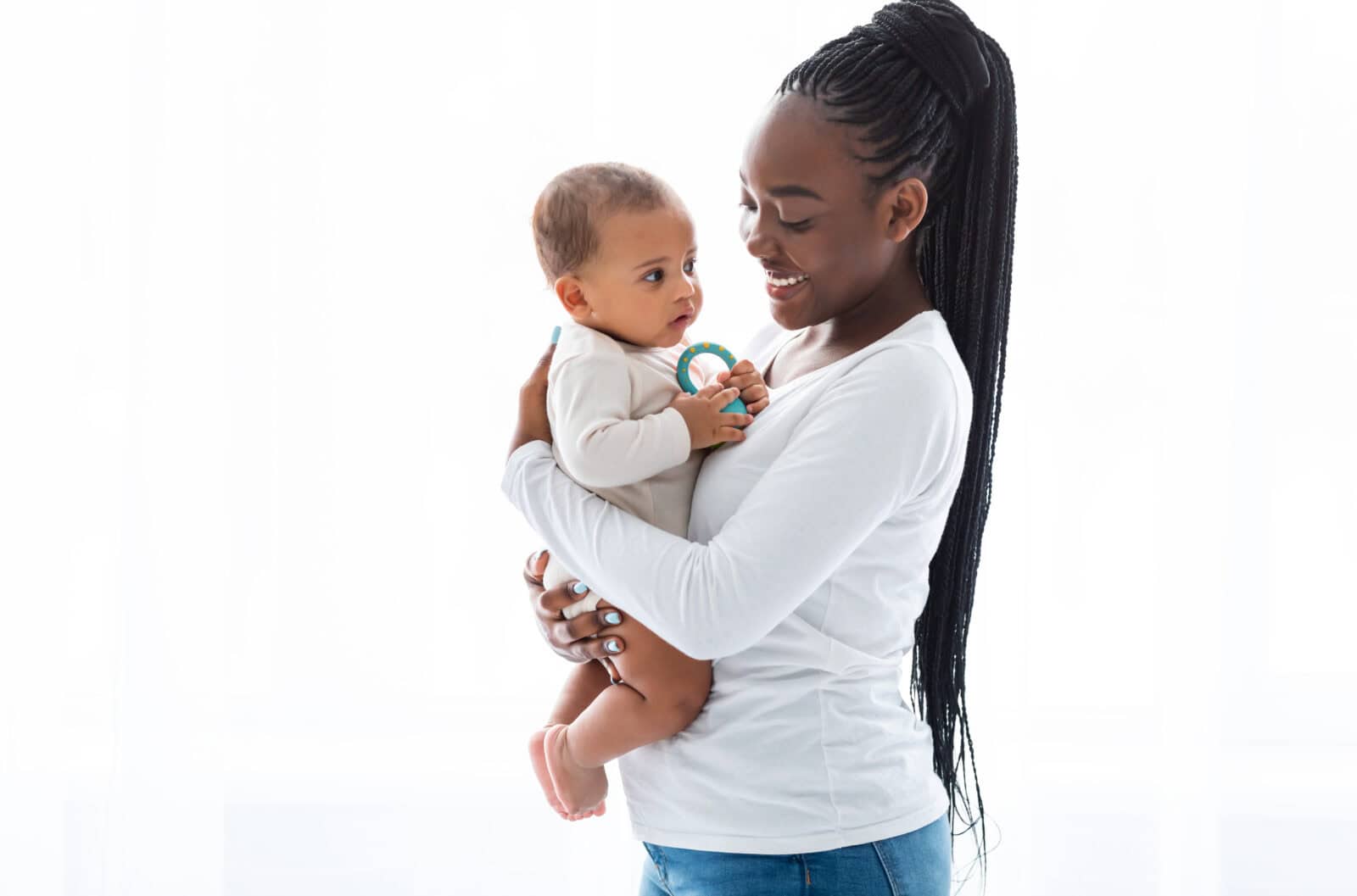
This question is a common sting that hits mothers hardest in public spaces. It happens most often to Black mothers with lighter-skinned children who do not fit a stranger’s narrow idea of family.
Ena Miller shared her experience with the BBC in 2021 regarding this exact issue. She faced immediate scrutiny after her daughter was born because her child appeared “white.” Strangers assumed she was the hired help rather than the biological parent.
This assumption effectively erases the biological and emotional bond of motherhood. It suggests that a mother and child must be visual carbon copies to be related.
When you ask this, you tell the parent they do not look like they belong with their own child. It turns a simple family outing into a job interview or a security check.
Are they adopted?

People often ask this when they cannot immediately map the child’s features to the parent. They seek a legal explanation for a perceived visual mismatch within the family unit. This inquiry is rooted in a deep-seated racist bias about what a family “should” look like.
Parents find this question highly intrusive because it demands private medical or legal history on the spot. A family’s origin story is not public property for casual sidewalk consumption. In a hypothetical park scenario, a mother might just want to enjoy the swings with her toddler. Instead, she has to explain her lineage or her birth story to a total stranger.
This curiosity might feel harmless to the asker, but it is a microaggression to the parent. It signals that the family looks “incorrect” to the outside world. The constant need to justify a child’s presence in a family is a heavy burden.
It turns a private bond into a public debate. Most parents simply want to be seen as a family without the legal footnotes attached.
Do you think they will be confused about her race as they grow up?

This is a heavy burden to place on a toddler. This inquiry places a heavy psychological burden on a child who is still learning to walk.
It assumes that being mixed-race is a problem that requires a future solution. The question suggests that the child will live in a permanent state of identity crisis or internal war.
However, the American Psychological Association provides a different perspective. Their research shows that children do notice race early. The confusion actually comes from society’s narrow boxes, not the child’s own mind.
These children often develop a very rich and fluid sense of self as they grow up. They do not need outsiders predicting a psychological breakdown before they even start school.
Asking this question frames the child’s existence as a tragedy or a puzzle. It ignores the strength and resilience found in multiracial identities. Parents want their children to be celebrated, not analyzed for future trauma.
What was it like giving birth to a Black baby?

Some questions border on the absurd. Parents report being asked what it was like to see a baby of a “different” race come out of them. BabyCenter has documented cases of mixed-race twins where one appears Black and one appears white. Genetics is not a simple paint mixer. It is a complex system of possibilities.
The shock expressed by strangers is dehumanizing to both the mother and the infant. It treats the birth of a human being like a magic trick or a freak occurrence. In reality, mixed-race babies can have a wide range of skin tones and features from day one. This is not a biological error; it is how genetics works in diverse families.
Asking about the “shock” of birth turns a sacred, private moment into a circus side-show for the public. It makes the mother feel like an outsider in her own delivery room. This kind of questioning reduces the miracle of life to a racial spectacle. It is a profound violation of a parent’s peace.
Are you sure they’re really yours?

Fathers are not exempt from this scrutiny. Men often face the blunt question: “Are you sure they are really yours?” This is a direct attack on the integrity of the family. It implies infidelity, a mistake, or deception.
Black fathers, in particular, deal with these microaggressions more than almost any other group. It turns a simple walk in the park or a trip to the mall into a moment of defense.
No parent should have to justify their biological connection to their child while doing everyday chores. This question suggests that a man’s paternity is only valid if the child looks exactly like him. It ignores the reality that genes can manifest in diverse ways within a single generation.
This kind of interrogation is deeply disrespectful and creates a hostile environment for fathers. It reinforces the idea that some families are “real” while others are suspect. A father’s bond is not up for public verification.
Did you tan or bleach your baby?

It sounds like a joke, but many parents of mixed-race babies actually hear this in public. Others might ask if the parent “bleached” the child if the skin appears lighter than expected. These questions suggest that the parent is actively trying to “fix” or alter the child’s skin tone.
It is a bizarre leap of logic that reveals a deep discomfort with natural skin diversity. Skin tone is a biological trait that can fluctuate based on many factors. It can change with sun exposure or simply shift as a baby’s melanin develops over time. Suggesting a parent would chemically or environmentally alter a child’s skin is deeply insulting. It treats the child like a project rather than a person.
This line of questioning shows how obsessed society remains with color-coding human beings. It places a “correct” value on certain shades and treats others as something to be modified. Parents find these comments among the most offensive they encounter. It turns natural biology into a suspicious act.
Where do their light features come from?
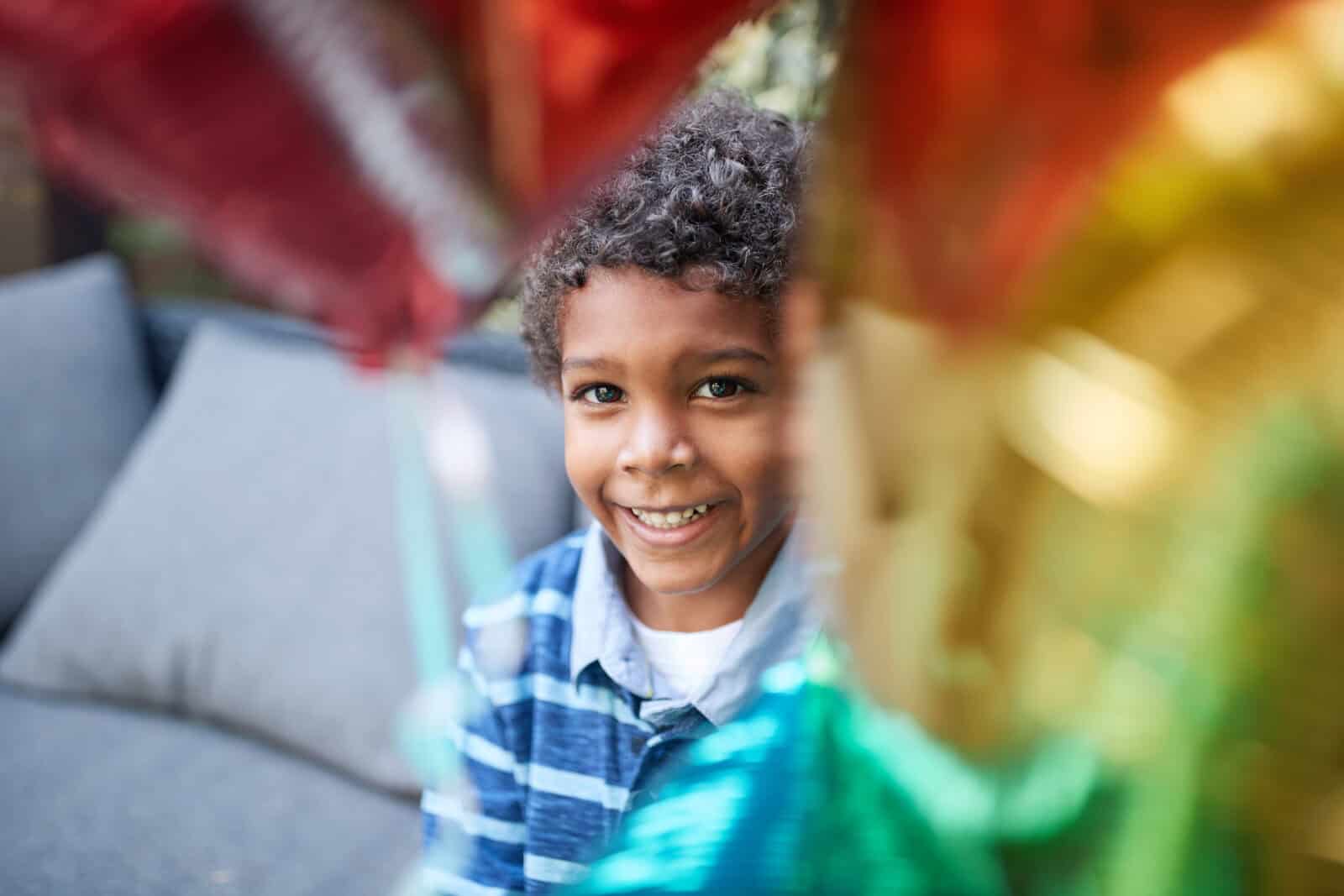
This is a common way people try to dissect a child’s face. They look for the “white part” or the “Black part,” as if they were examining a map or a puzzle. This reduces a living child to a set of specific features for analysis.
Data from MadeForMums reminds us that genes are incredibly unpredictable. Recessive traits can pop up after being hidden for several generations.
A child is a whole person, not a collection of parts imported from different continents. Asking for a historical lesson on every feature is a burden to the parent. It suggests that a child’s beauty is only interesting because of its racial origin. Let the child have just eyes or hair, without a genetic history report attached.
This constant dissection makes families feel like they are on display in a museum. It prevents the parent and child from just being seen as people. Each feature is just a part of a unique individual.
What will they identify as?

People love to ask this question as if the child must pick a side or a team immediately. They want to know if the child will be “Black enough” or “White enough” for their comfort. This puts immense pressure on a family to define something that is still evolving naturally.
Pew Research notes on identity complexity show that multiracial individuals often have shifting identities. It is a personal journey that can change as the person grows and learns more about themselves.
Forcing a child into a rigid category early serves the observer’s need for order, not the child’s well-being. It suggests that being “both” is neither valid nor stable as a way to exist in the world.
This question often stems from a desire to “rank” the child’s heritage. Parents find it intrusive because it asks them to predict their child’s future internal world. A child should be allowed to grow without strangers slapping labels on them. Identity is a private matter, not a public poll.
I wonder if her hair will be nappy?
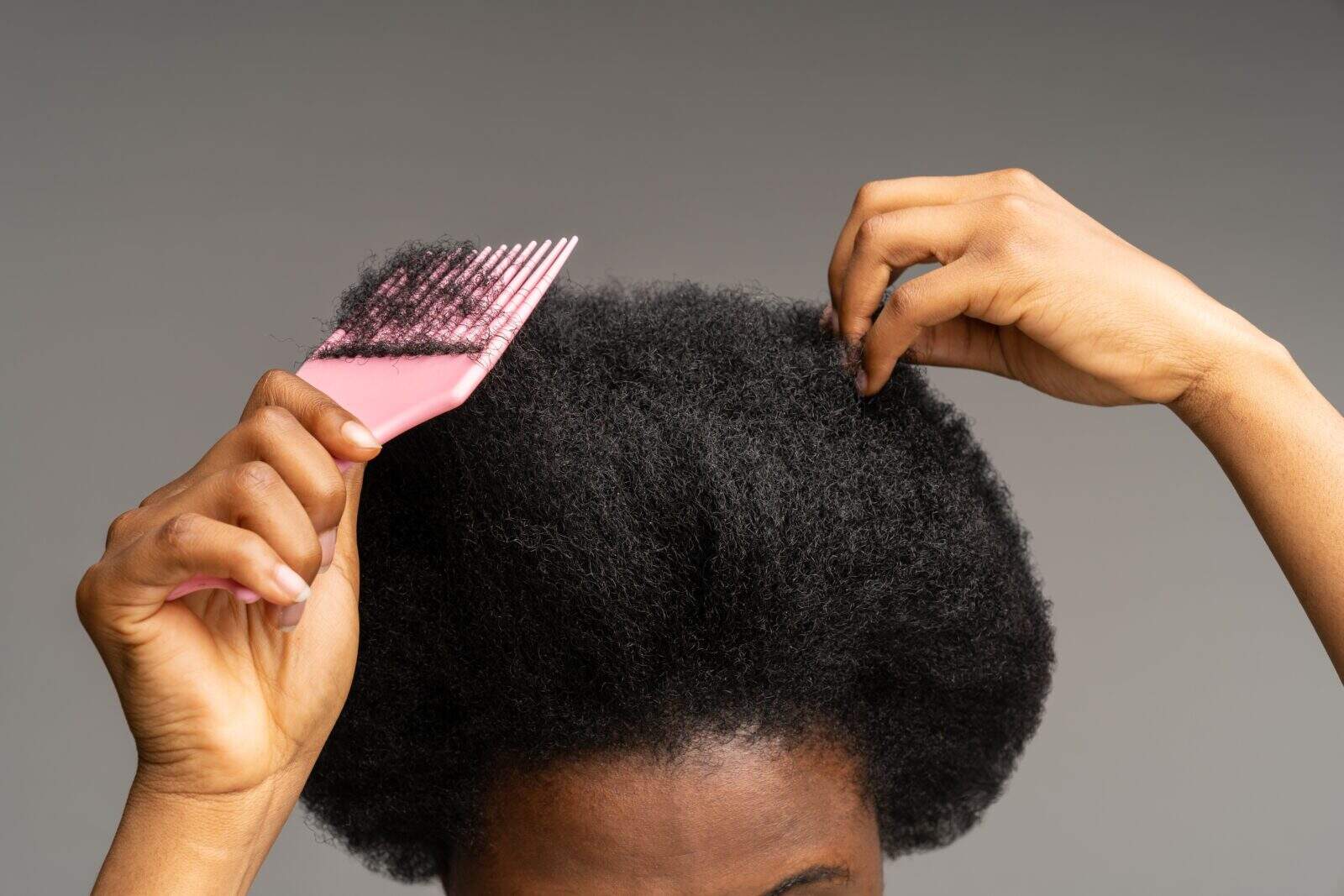
This question is loaded with historical weight and deep social pain. The word “nappy” has been used for centuries to discriminate against and dehumanize Black people. Bringing this word up to a parent about their baby is incredibly insensitive and rude.
A PMC/NIH study on hair texture in diverse populations shows that texture varies wildly across groups. It often changes significantly as a child grows from infancy into toddlerhood. Commenting on a baby’s hair in this way centers on old, harmful beauty standards. It marks the child’s traits as “difficult” or “lesser” before they can even speak for themselves.
This kind of prediction is often rooted in colorism and a preference for “manageable” European hair. It makes the parent feel that their child’s natural features are already being judged by the world. It is a way of marking the child as “other” from the very start. No baby should have their worth tied to the curl pattern of their hair.
What’s their percentage?
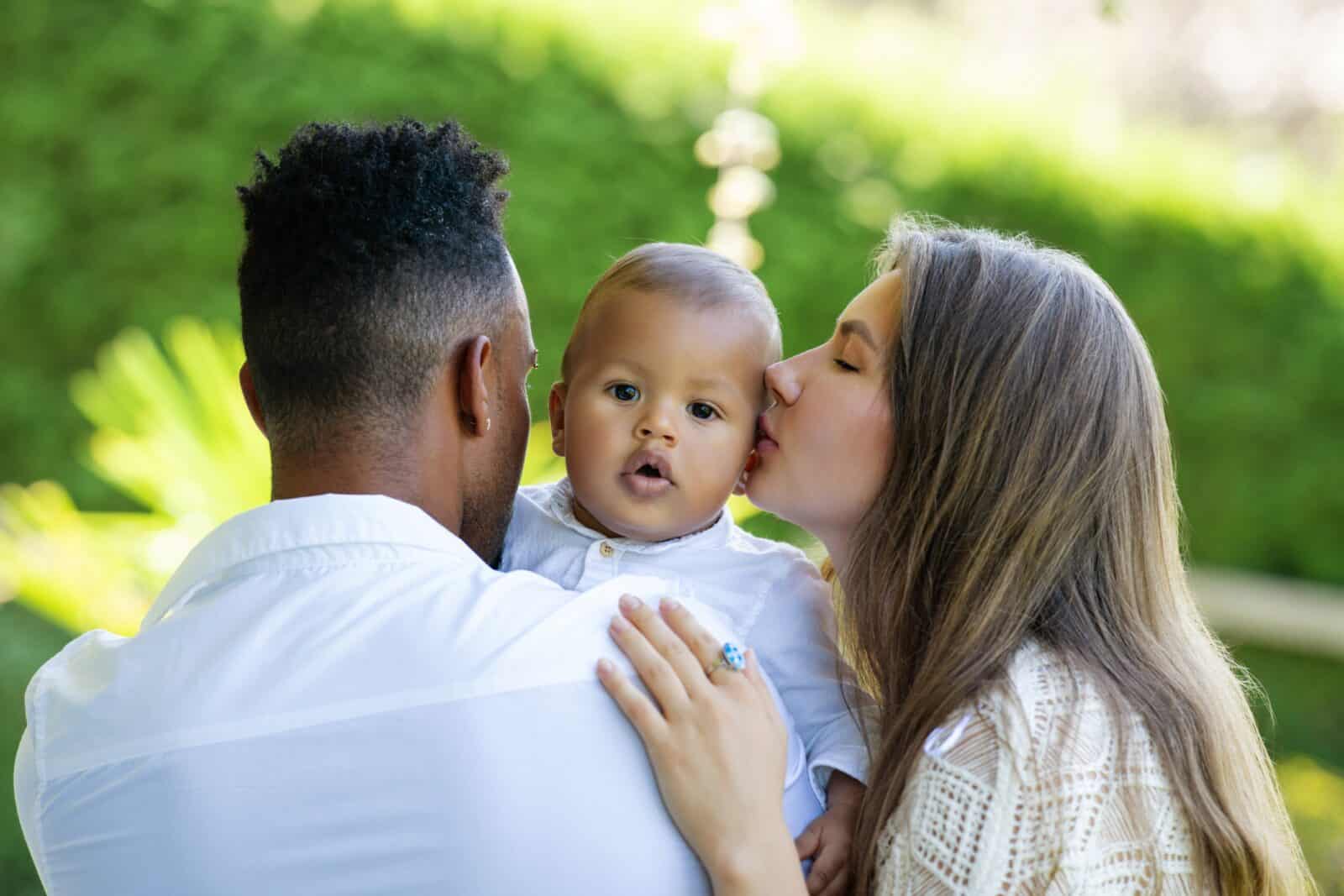
Asking for a “percentage” turns a human being into a math problem or a pie chart. People want to hear “50/50” or “a quarter” as if they are measuring ingredients for a recipe. This is a cold and clinical leftover from colonial “blood quantum” laws.
Those laws were designed to exclude and categorize people based on how much “pure” blood they had. It is an outdated and offensive way to view a modern family. A child is 100% of who they are, regardless of the math behind their DNA. They are not a fraction of a person.
When you ask for percentages, you are asking how much of the child “belongs” to a certain racial group. It strips away the child’s individuality and replaces it with a statistics report. This line of questioning is often used to decide how to “treat” the child or what boxes they fit into. Parents find it dehumanizing because it treats their child like a product. A child is a whole human life, not a set of decimal points.
At least they’re white-passing
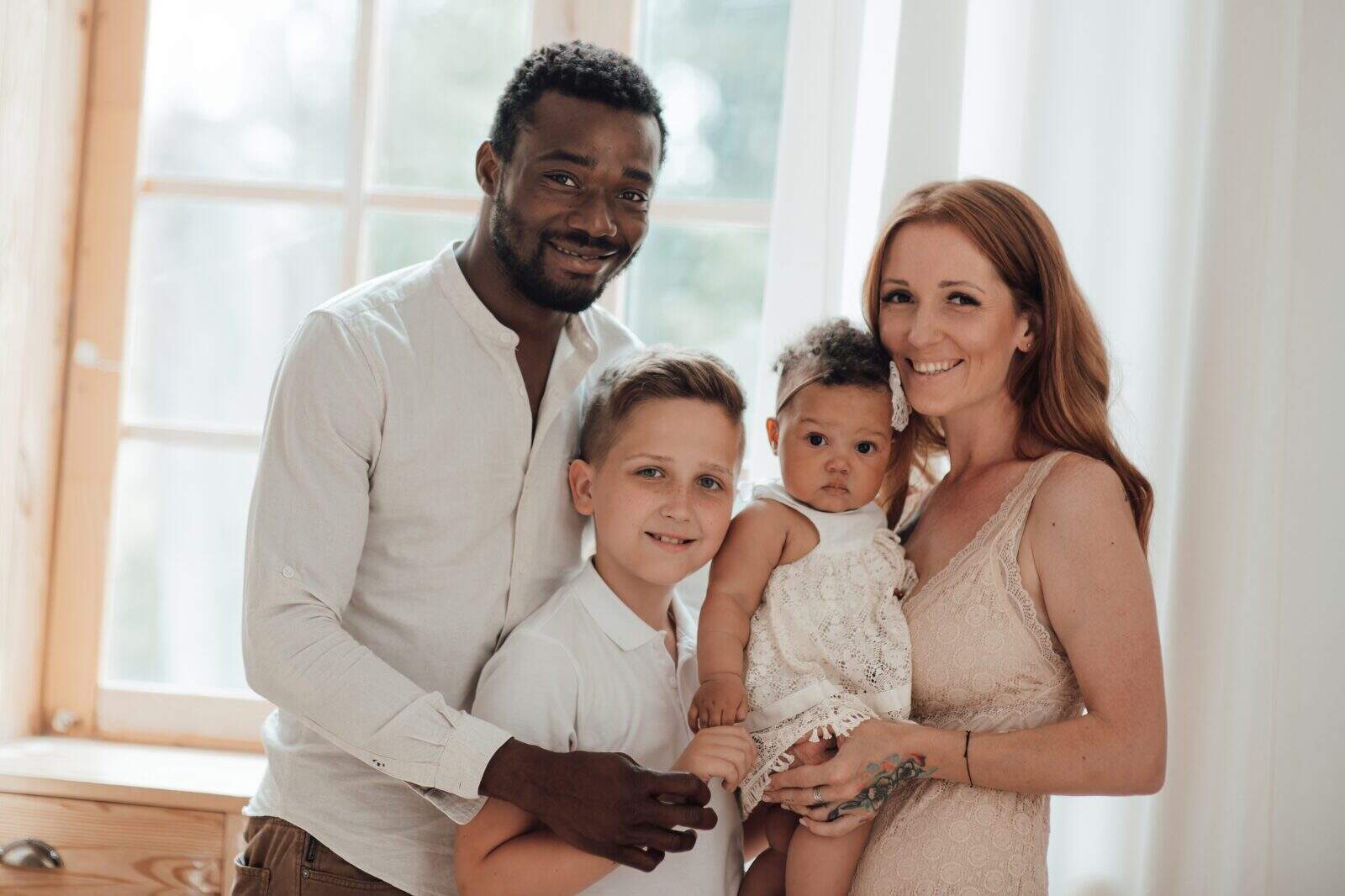
This is perhaps the most damaging “compliment” a parent can receive. It suggests that the child is “lucky” because they look less like either parent. It reinforces the system of colorism, which privileges lighter skin over darker skin tones.
A YouthREX analysis explains how this creates a harmful hierarchy within the community. It tells the parent that their own features are something to be avoided or “fixed” in the next generation. This is not a kind statement; it is a declaration of deep-seated racial bias. It suggests that the child’s value is tied to how well they can hide their heritage.
This puts the parent in a position where they feel their own identity is being insulted. It also sets the child up for a life of hiding who they truly are to please others. There is no “at least” when it comes to a child’s appearance. Every child should be seen as perfect, exactly as they are. This comment is a backhanded slap to the family’s identity.
What are they?
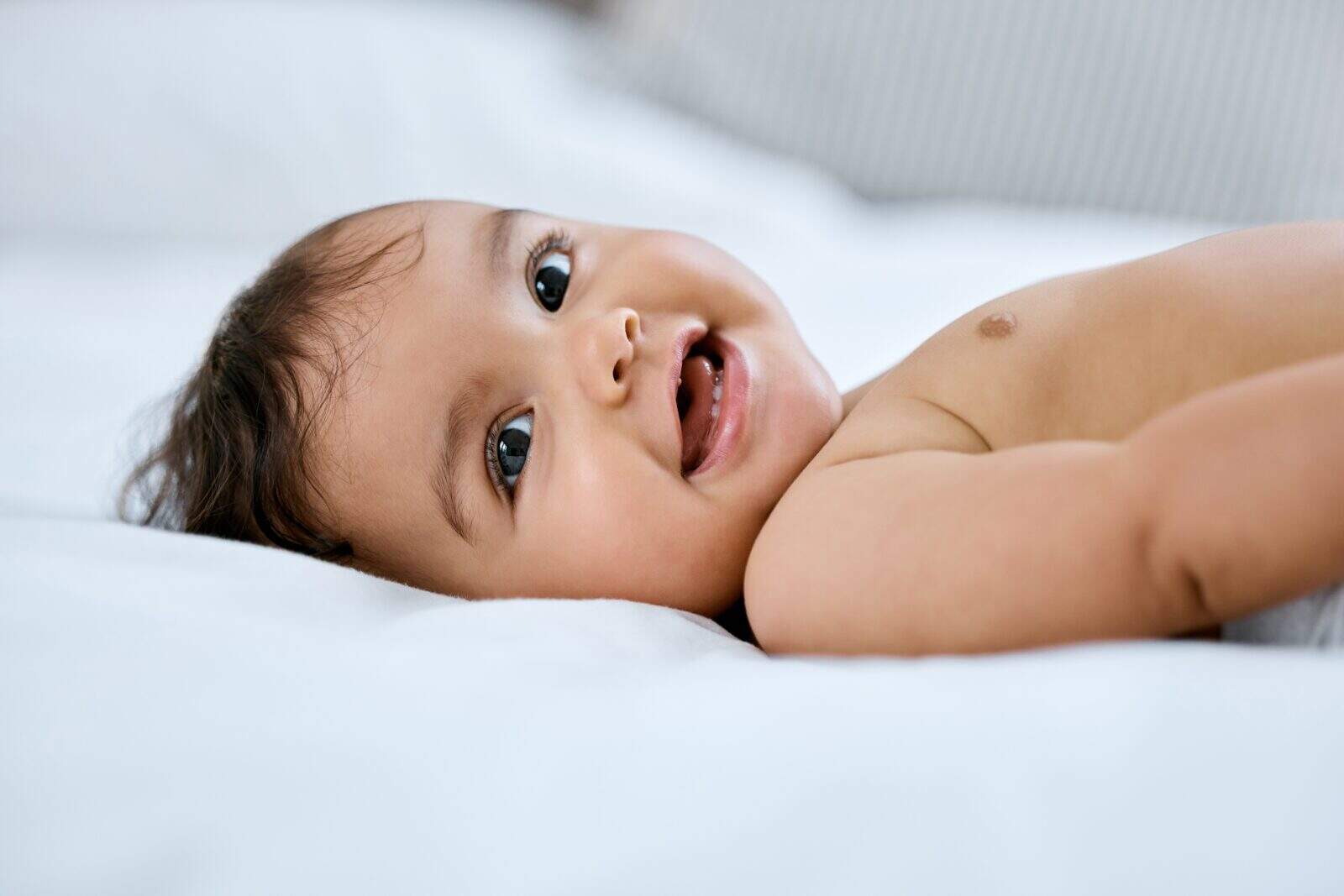
The most dehumanizing question of all is the simple inquiry: “What are they?” Using the word “what” instead of “who” treats the child like an object or a different species. It implies the child is an exotic item to be categorized and filed away for the observer’s convenience.
This is the peak of racial reductionism, where a person is seen only as a biological curiosity. Children are people with names, favorite toys, and unique personalities. When race is the only thing a stranger sees, the humanity of the child is completely lost.
Using “what” creates a wall between the observer and the family. It makes the parent feel like their child is a lab specimen. This question underpins the “othering” that multiracial families face every day. We must do better to see the person behind the phenotype.
Key Takeaways

- Check your curiosity: Ask yourself if you would ask a family of the same race the same question.
- Respect the “Who”: Focus on the child’s personality or age rather than their racial makeup.
- Acknowledge the parent: Use language that affirms the parental role, like “Your child is lovely.”
- Wait for an invitation: If a parent wants to discuss their heritage, they will bring it up.
- Mind the setting: A busy sidewalk is never the place for a deep dive into genetic history.
Like our content? Be sure to follow us.