12 things that shift when men move beyond the friendzone
Have you ever thought that one of the best romantic relationships began in the form of friendship? And there is some persuasive evidence for it. Recent reports indicate that when men shift from the friend zone to a romantic relationship, their relationships change considerably.
A meta-analysis published in Social Psychological and Personality Science found that approximately two-thirds (68%) of romantic relationships begin as friendships.
Pew researchers also found that, in 2025, couples who met online were 30 percent less likely to achieve long-term success than those who started as friends. Statistics like these make it clear: leaving the friend zone could be the key to a long-lasting romance.
Communication deepens

Whenever the men come out of the friend zone, the discussions become even more intimate. What used to be light-hearted banter turns into a conversation about dreams, fears, and hopes for the future. The 2025 phys.org study indicates that best-friend couples report a much greater level of emotional intimacy and that vulnerability is a major element in their conversations.
The men start to open up more, sharing secrets and feelings that were kept at the bottom. This change in communication lays the foundation for trust and emotional attachment, leading to more frequent and meaningful late-night discussions and heart-to-heart conversations.
Physical boundaries change

There is also a new meaning to physical contact as men leave the friend zone. The mere hugging has now transformed into passionate cuddles, and these occasional caresses quickly turn into spontaneous kisses. As reported by xoNecole in 2024, nearly 42 percent of friends-with-benefits cases would result in a long-term relationship, as physical attraction shoots to the moon.
The fact that the exchange initially consisted of innocent, friendly gestures and then became more intimate, such as holding hands and spooning, clearly indicates a change in the relationship dynamic. Such physical differences not only lead to attraction but also indicate that the relationship has grown emotionally.
Priorities realign

As a relationship develops, priorities shift. Men are beginning to make time to spend with their new love interests, and dating has taken the place of previous social activities. A study by the National Institutes of Health found that couples who began as friends tend to experience a shift in their social life, with the peer interactions moving to the background.
Such repositioning enables more intimate communication and closeness, and weekends and evenings are devoted to relationship development. Men begin to focus their energies on shared objectives and experiences, which strengthen the relationship in the long run.
Protectiveness increases

Romance means a natural enrichment of protectiveness. Men tend to be more concerned about their partner’s well-being, stay in constant touch, and offer support whenever necessary. A 2025 phys.org study found that best-friend couples are inclined to play protective roles in their relationships, providing emotional and physical support.
Men who used to be carefree about their partner’s daily routine now begin sending home safe messages. texts. This is a natural manifestation of love, and it is one of the deepest transformations that takes place when men go beyond friendship.
Jealousy appears

It might also manifest as jealousy, as the men begin to view their partner differently. A simple conversation between friends has become contentious with possible romantic overtones. Romantic relationship jealousy is more likely to stem from the couple’s dynamic than from the couple’s personality traits.
Social media is merely pouring fuel on the fire, and the men are now more protective of their relationship status and more aware of external threats. This change indicates a stronger emotional attachment that men experience when they go from friends to lovers.
Future planning emerges

As soon as men leave the friend zone, they start involving their partners in their plans. The thought of vacation, career, and family talk suddenly shifts to ‘we’ rather than ‘I’. Forbes observed in 2025 that the idea of future-proofing relationships has become a trend, with couples needing common interests to sustain long-lasting relationships.
This shift would cement the relationship, as the plans indicate commitment and congruence in values. When a couple starts as best friends, they are more likely to make a long-term commitment and have a strong relationship.
Emotional investment grows
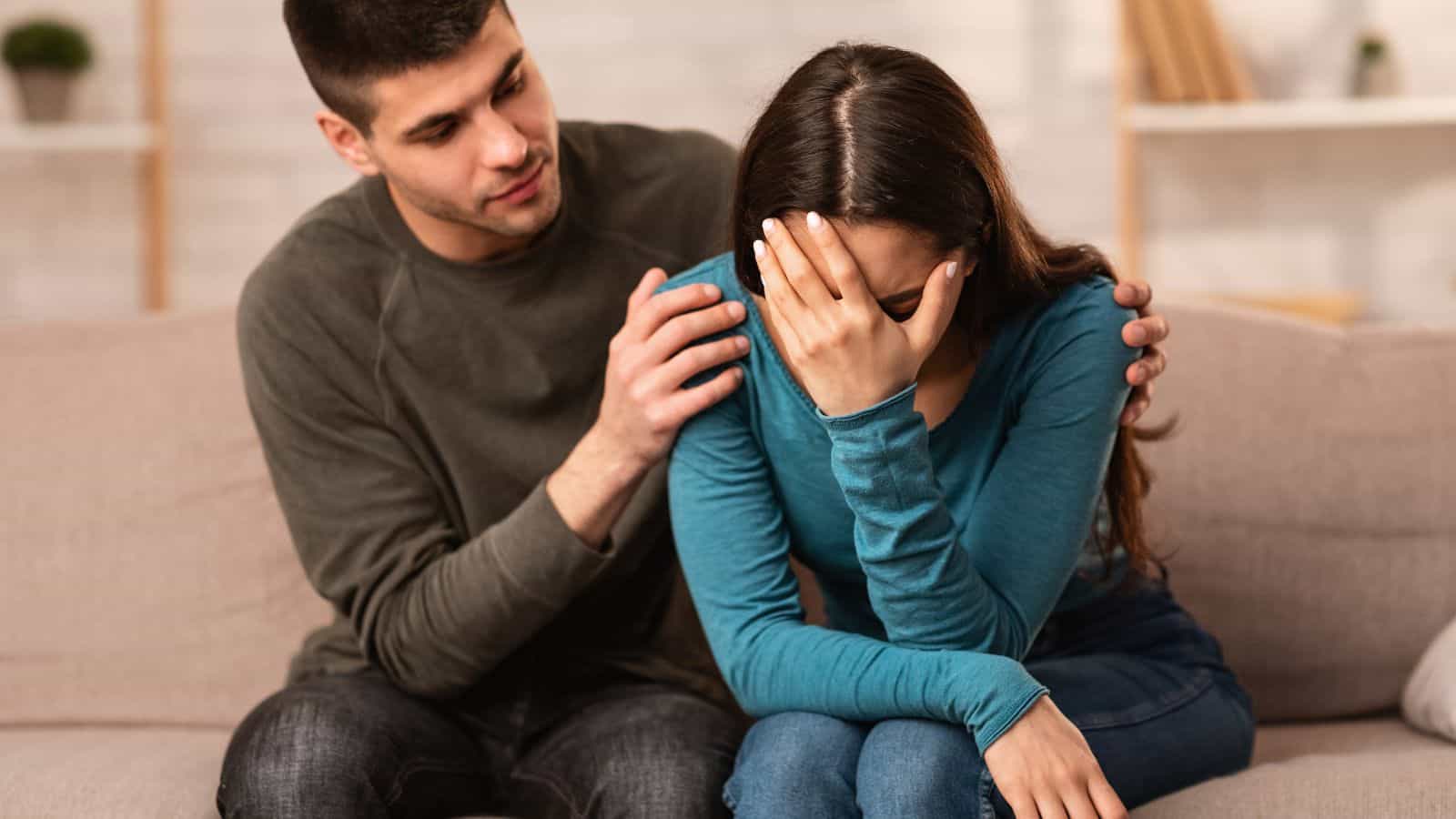
A man goes beyond friendship, and with that comes an emotional investment. Men are extremely sensitive to their partners’ feelings, and 70 percent say their emotions grow stronger over time.
Bad days are not only shared; good days are made even better when shared. This heightened emotional attachment deepens the relationship, enabling men to show empathy and understanding in ways never seen before. Their love relationship thrives as they become emotionally involved.
Affection becomes intentional

Efforts to express affection grow more deliberate as romantic feelings build. Such minor gestures as dropping sweet notes or coming up with considerate surprises are made common aspects of the relationship.
Friend-based couples have more positive relationship outcomes than those who form relationships in other ways.
These conscious gestures are daily reminders of love and dedication, binding the relationship even closer. It could be a lingering hug or even a random compliment, but these acts further enhance the emotional bond between partners.
Conflict dynamics shift

When men go beyond friendship, the meaning of struggles changes. What was a simple dispute between two people has become an emotional investment. A 2025 study of gender conflicts, published on Studocu, found that romantic partners are more likely than platonic friends to resolve conflicts honestly and thoughtfully.
Apologies are more sincere, and resolutions are usually reached more quickly because the two parties want to save the relationship. With time, these fights may strengthen the relationship as the couple learns to resolve conflicts with sensitivity and empathy.
Social identity changes

When men enter into a love affair, their social identity changes. They start calling their partner ‘my girlfriend,’ a minor yet significant shift that alters their perception of the relationship.
This shift, according to a 2014 University of Minnesota thesis, is a natural progression from friends to lovers. Men will start flaunting their partners in social circles and presenting them to friends and family members with a sense of pride. This change in social identity reinforces the couple’s relationship, making it clear that it is romantic.
Trust expands

When men cross the friend zone, trust builds exponentially. The secrets that were traditionally kept to avoid embarrassment are now discussed publicly. The APA indicates that friendships provide a strong foundation for trust and that it is easier to shift to a romantic relationship.
Men are more open to expressing their vulnerabilities because they know their partner will listen. It is this trust that leads to a solid romantic relationship.
Commitment signals appear

Lastly, commitment cues start to appear after leaving the friend zone. The relationship goes official, and discussions about exclusivity and commitment begin. A 2025 Stanford study of informal relationships found that men are more likely to make the relationship official on Facebook and discuss their future intentions.
Such signs of commitment mark the final phase of the transition process, indicating that the relationship has become a friendship and a serious, committed partnership.
Key takeaways
The relationship undergoes many changes when the man leaves the friend zone. The communication deepens, the distance between people widens, and priorities are redefined. Protectiveness, jealousy, and future planning also help strengthen the bond.
Emotional commitment deepens, love becomes more deliberate, and more conflicts are resolved with deeper insight. Social identities evolve, confidence is achieved, and commitment cements the bond. These 12 changes illustrate how shifting from friends to lovers can lead to long-lasting, satisfying romantic relationships.
These statistics indicate that friendships-turned-romances are more likely to endure over time, making the friend zone worth trying for long-term love.
Like our content? Be sure to follow us.