12 things you should know about the world’s most isolated island
The International Space Station is technically closer to the people of Tristan da Cunha than any other human being on the planet. While astronauts orbit a mere 250 miles above the Earth, the 250 residents of this volcanic peak sit 1,500 miles away from the nearest bit of civilization, according to Young Pioneer Tours.
It is a place where the Atlantic Ocean stretches out in every direction for thousands of miles, leaving a tiny community to carve out a life on the side of a massive volcano. There are no flashing neon signs or bustling subway stations here. Instead, life moves to the rhythm of the waves and the heavy gusts of the South Atlantic winds.
This is a world where privacy is a myth and cooperation is the only way to stay alive. Most people in the United States cannot imagine a day without a cell signal, yet they have built a thriving society without most of the digital noise we take for granted. It is a fascinating look at what happens when humans are pushed to the very edge of the map.
No airport exists; You must take a boat from Cape Town
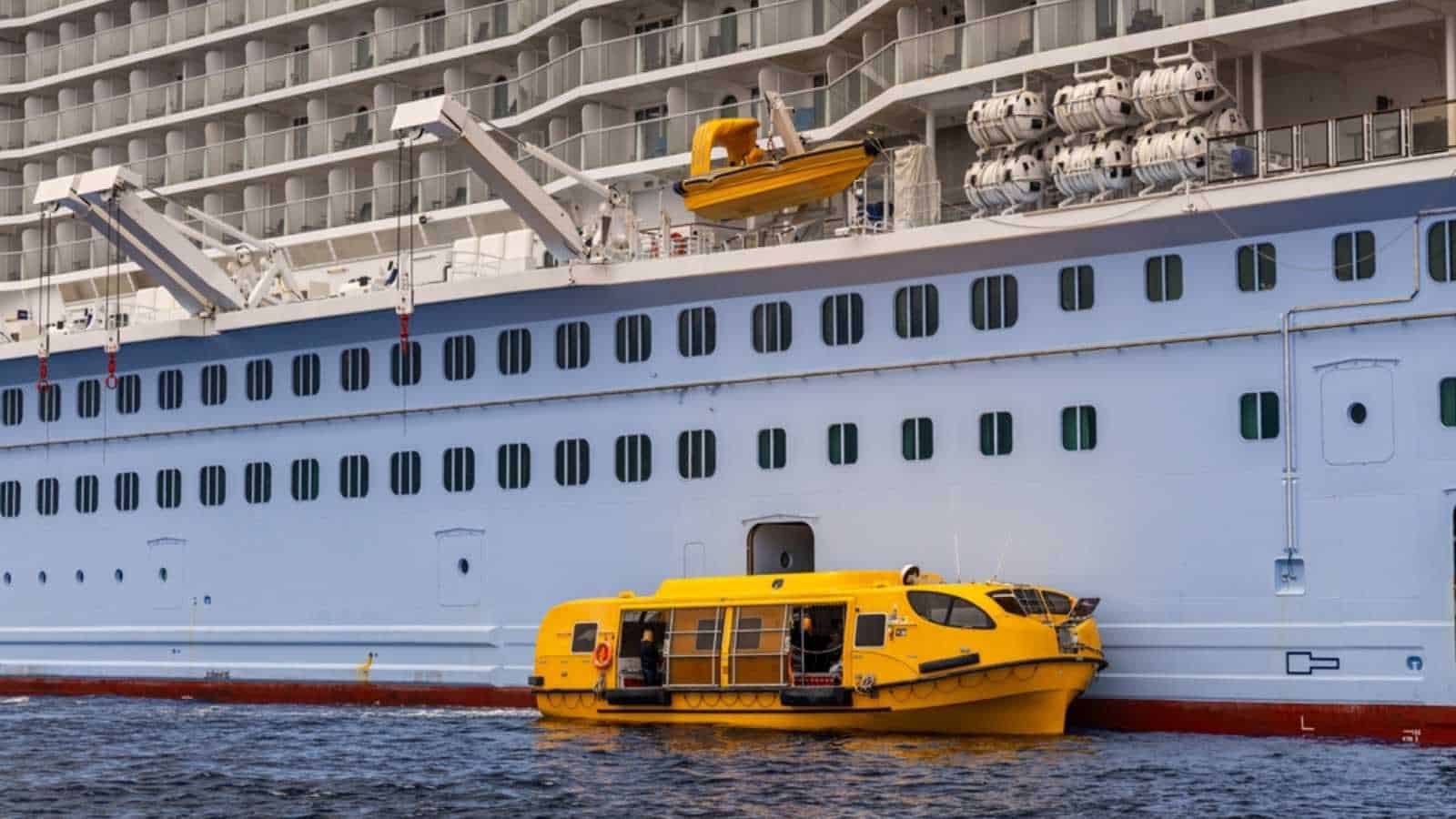
Getting to this island is the ultimate test of patience because you cannot simply book a flight and arrive by dinner time. There are no runways or landing strips tucked away between the cliffs. If you want to set foot on this soil, you have to start your journey in South Africa. Cape Town serves as the primary gateway, but even then, you are at the mercy of the sea.
The distance across open water is roughly 2,400 kilometers (about 1,500 miles). Because no planes can land, every single person and every single piece of mail must arrive by ship. This lack of an airport keeps the island shielded from the typical rush of global tourism. It creates a natural barrier that only the most dedicated travelers ever cross.
Most visitors arrive on expedition vessels or small fishing boats built to withstand the rough conditions of the deep ocean. It is a stark reminder that some places on this planet remain truly off the grid and unreachable by modern aviation.
The journey takes six days; It is often across the world’s roughest seas
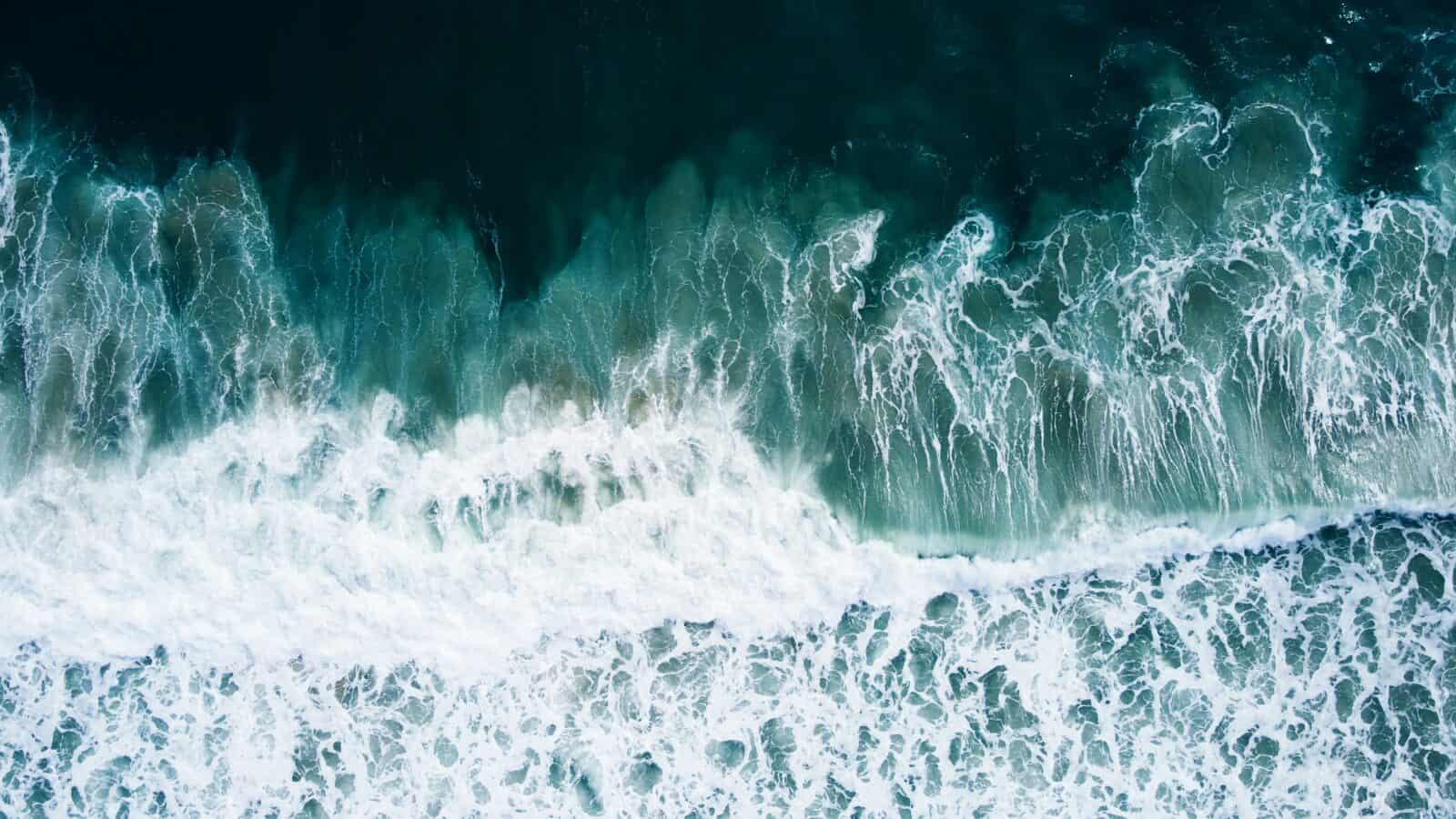
If you think a long-haul flight is exhausting, try spending nearly a week on a boat tossing through the South Atlantic. The trip from Cape Town typically takes about six days, and those are not calm days on a sun-drenched deck. The waters surrounding the island are among the most violent on the planet.
You are essentially crossing a massive watery desert where the swells can rise like mountains. Weather conditions often turn unpredictable, meaning your six-day trip might stretch even longer if the captain decides it is too dangerous to approach. There is no such thing as a smooth ride in this part of the world.
Travelers often describe the experience as a physical endurance test, where the ship feels small against the ocean’s power. It is a journey that separates casual tourists from true explorers willing to brave the world’s roughest seas for a glimpse of isolation.
Ships are rare; Only about 10 trips happen each year
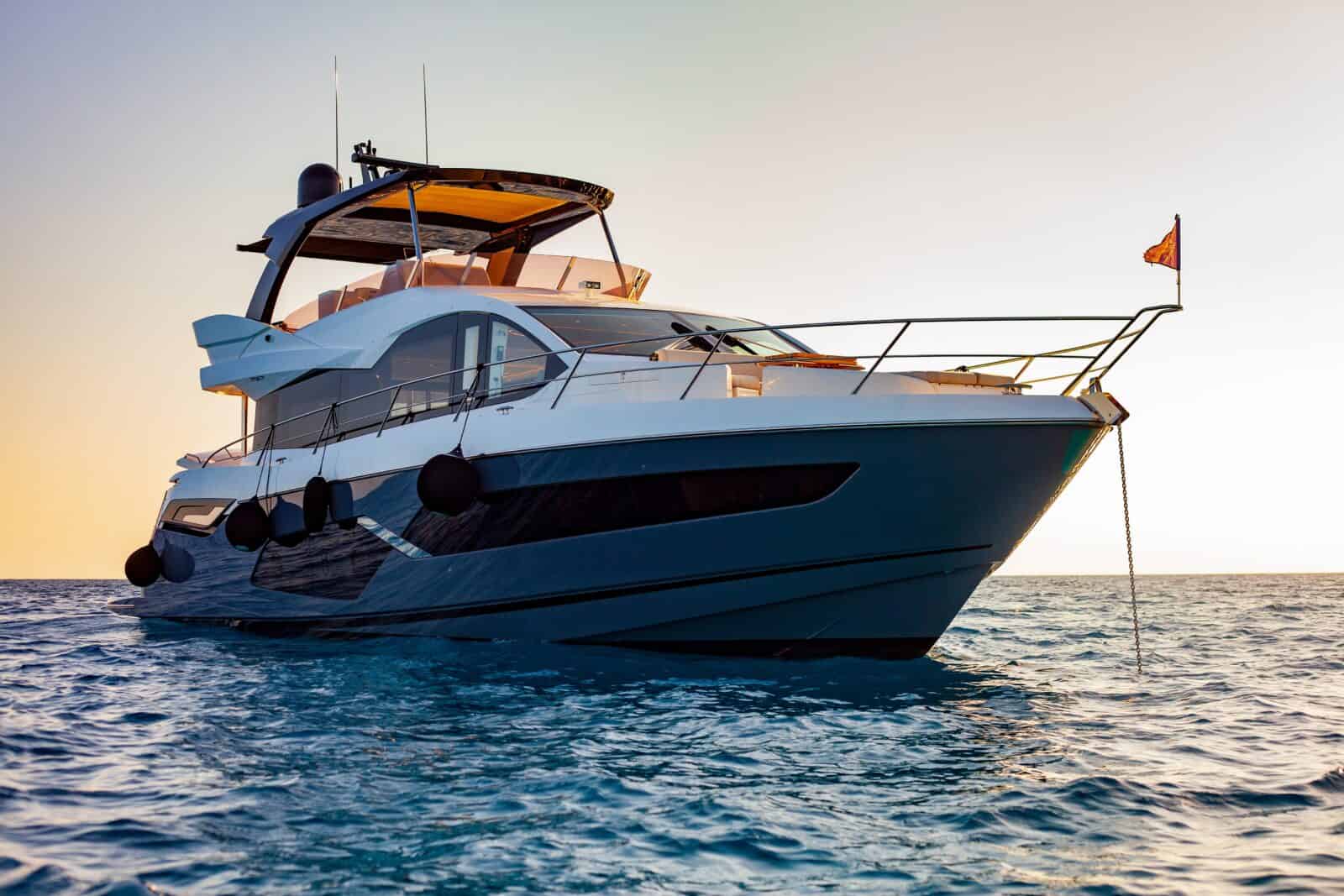
The scarcity of transport makes a trip here feel like winning a lottery. You cannot just show up at the docks and hope for a seat. There are only about 10 scheduled return trips every year, and they are usually split between three specific ships. The MV Lance is one of the main lifelines, making about six voyages annually. It is a working vessel that carries a maximum of only 12 passengers.
Another ship, the MFV Edinburgh, makes about 3 trips a year but focuses heavily on fishing, so its schedule can shift based on the catch. Then there is the SA Agulhas II, which visits only once a year, in September. This ship is a bit larger and can carry over 40 people, but it only stays for a few weeks before heading back.
Because the trips are so infrequent, the community relies heavily on each arrival for supplies and news. Missing a boat could mean waiting months for the next opportunity to leave or arrive, which adds a layer of pressure to every departure.
Booking is essential. You must apply for permission from the Island Council months in advance
You cannot just decide to visit this island on a whim. The local government maintains very strict control over who comes and goes to protect its tiny community. Before you even think about buying a boat ticket, you must email the Island Council to ask for permission.
This process often takes months or even years of planning. They want to know exactly why you are coming, where you will stay, and how you plan to pay for your trip. You also have to provide a police certificate to prove you have a clean record. This is not a sign of being unfriendly; it is a safety measure. With fewer than 300 residents, they have to be careful about who they let into their home.
If you are a journalist or researcher, there is even a non-refundable £500 fee just to have your application considered. You must also show proof of health insurance that covers an expensive medical evacuation to South Africa. Without that paperwork, the shipping companies will not even let you board the vessel in Cape Town.
One settlement only; All residents live in Edinburgh of the Seven Seas
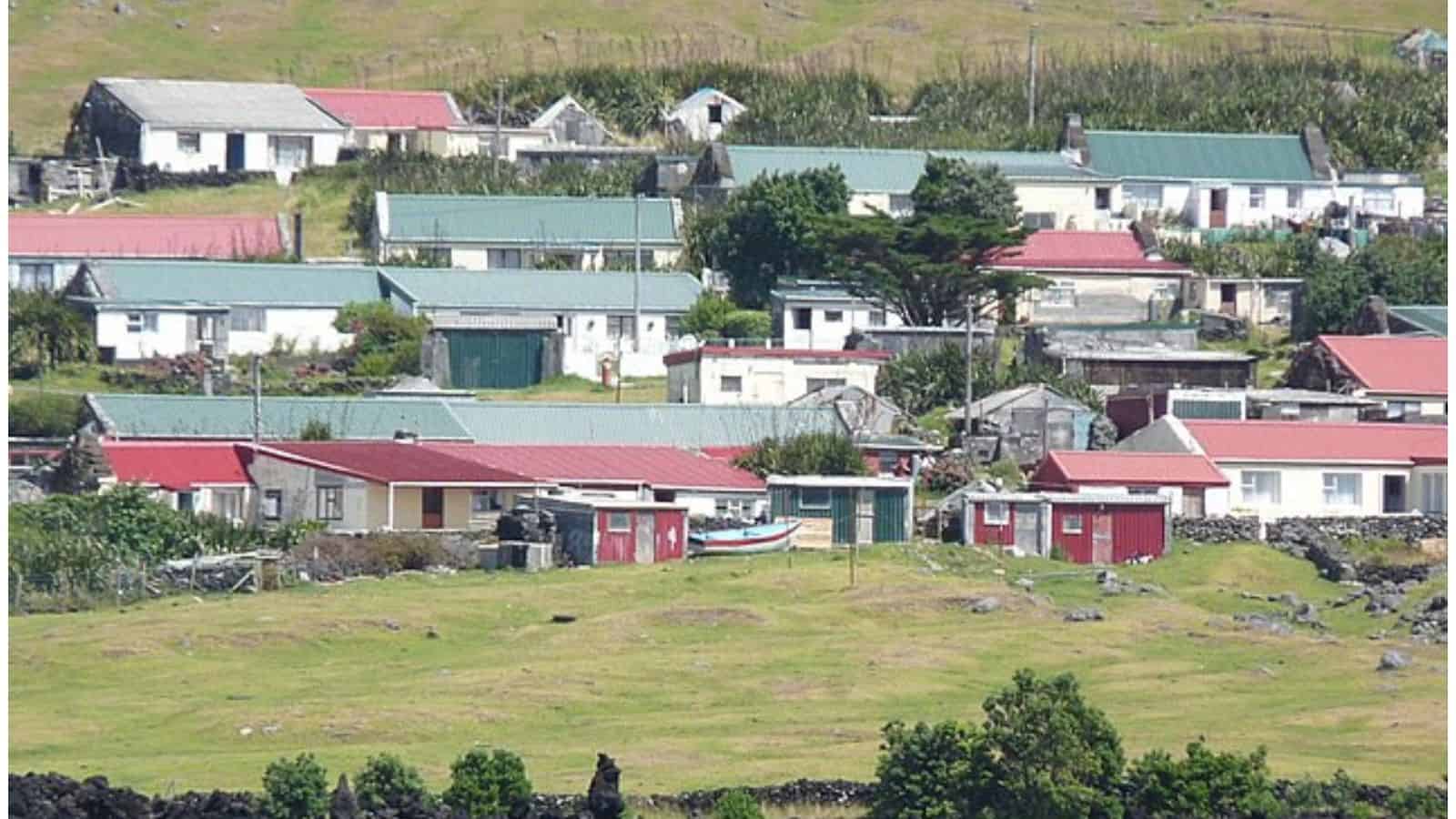
There is no such thing as driving to the next town over for a change of scenery. Every single person on the island lives in one village called Edinburgh of the Seven Seas. The locals often just call it “The Settlement.” It was established in the early 1800s and sits on a small, flat plain at the base of dramatic cliffs. This compact area holds everything the community needs to function.
There are two churches, a school, a hospital, and a single supermarket. You will also find a post office, a cafe, and even a small golf club. Because everyone is concentrated in this one spot, the sense of community is incredibly high. You see the same faces at the post office that you saw at the social hall the night before.
There are no satellite villages or hidden cabins in the woods. When you leave the boundaries of the settlement, you are stepping into a raw and uninhabited wilderness that belongs entirely to nature.
Everyone is a farmer
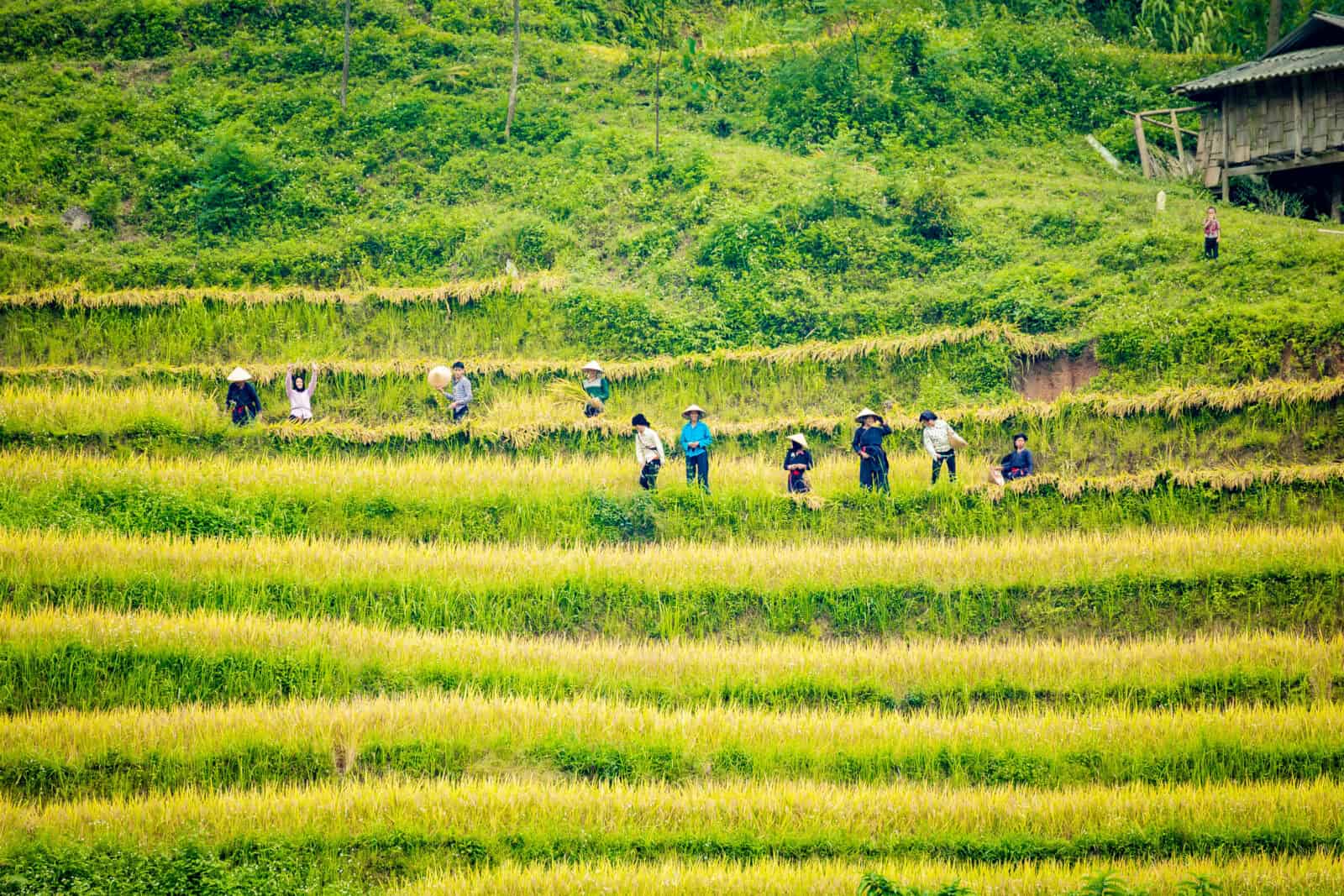
Survival on a volcanic rock in the middle of the ocean requires a very practical approach to food. On this island, every family is a farmer. This is not a hobby; it is a necessity. The land is owned communally, meaning nobody can buy or sell the soil. Instead, the community limits the number of livestock each family can keep to ensure the pastures are not overgrazed.
Each household maintains its own potato patches, which are famous for keeping the islanders fed during lean times. They also keep sheep, cattle, and poultry like ducks and hens. The government even has a department that helps with things like veterinary care and the importation of new breeding stock.
It is a highly equitable system in which the goal is for everyone to have enough, rather than for one person to have everything. Even the local priest or doctor might be seen helping with the sheep shearing when the time comes. This shared responsibility creates a bond that is hard to find in modern cities.
Limited surnames; Most of the 250 residents share just seven family names

If you walk through the village and shout for a Mr. Glass, you might have half the town turn around. Because the population is so small and isolated, the variety of family names is very limited. Almost all of the 250 residents descend from the original seven settler families. The names you will hear most often are Glass, Swain, Green, Rogers, Hagan, Repetto, and Lavarello.
This shared ancestry has created a unique social fabric where everyone is essentially a distant cousin. It also influenced the way people speak. The islanders have developed what linguists call the rarest dialect of English in the world.
They often drop their “t” sounds and add an “h” to the beginning of words that start with vowels. For example, they might say “happle” instead of apple. It is a fascinating example of how language evolves when a group of people remains in one place for two centuries with little outside influence.
Living here requires high levels of cooperation and social harmony

You cannot afford to hold a grudge when you are stuck on an island with only 250 people. For over a hundred years, the community operated without any formal police force or government. They relied on a system of voluntary consensus where everyone had to agree on major decisions.
Even when the British government tried to appoint a “Head Man” in the past, the locals largely ignored the title. They prefer a flat social structure where no one person has power over the others. This history of “voluntary anarchy” has led to a society with zero recorded crime or physical fights in living memory.
If a house needs a new roof, the neighbors show up to help. If someone is sick, the whole village knows and offers support. This level of cooperation is not just a nice idea; it is a survival strategy. In such a harsh environment, a person who tries to go it alone will not last very long.
The Internet is available via satellite, but is very slow and expensive

If you are the type of person who needs to stream 4K videos or scroll through social media for hours, this island will be a shock to your system. There is no cell phone service here at all. You can forget about getting a 5G signal or even a basic text message. The internet does exist, but it is provided through a single satellite link that is notoriously slow and very expensive.
Most of the community shares this limited bandwidth, so you might wait minutes for a simple email to load. There is a small building with a satellite dish where people can go to get online, but it is a far cry from the high-speed fiber optics we use in the United States.
This digital isolation forces people to live in the moment and interact face-to-face. It is a natural digital detox that encourages people to spend more time outdoors and less time staring at screens.
Healthcare is basic

Living on the edge of the world means you have to be very careful with your health. The island has one facility called the Camogli Healthcare Centre. It was built recently and is very clean and well-maintained, but it is designed for primary care and minor procedures. There are usually two doctors on the island, but they are generalists who have to be ready for anything from a broken bone to an emergency surgery.
However, they do not have the equipment for major operations or specialized treatments. If a woman is pregnant or if someone has a serious heart issue, they usually have to be evacuated. This is a massive ordeal that involves waiting for a ship and then spending six days at sea to reach a hospital in Cape Town. Because the boats are so rare, the community has to be incredibly self-sufficient and resilient in meeting daily health needs.
As a British Overseas Territory, they use the GBP

Even though they are thousands of miles from London, the people here are British citizens and use the UK Pound Sterling as their official currency. If you visit, you will notice that the local shop and the bar only take cash. There are no credit card machines and no ATMs hidden behind the potato patches.
You can exchange other currencies, such as US Dollars or South African Rand, at the local treasury office, but it is best to arrive with cash in hand. The post office is a popular spot for visitors because the island produces unique stamps that are highly prized by collectors around the world.
Buying a stamp or a souvenir at the tourism center is a simple transaction that connects this tiny volcanic peak to the global economy. It is a quirk of history that a place so far removed from Europe still operates under the financial rules of the British crown.
Weather dictates life
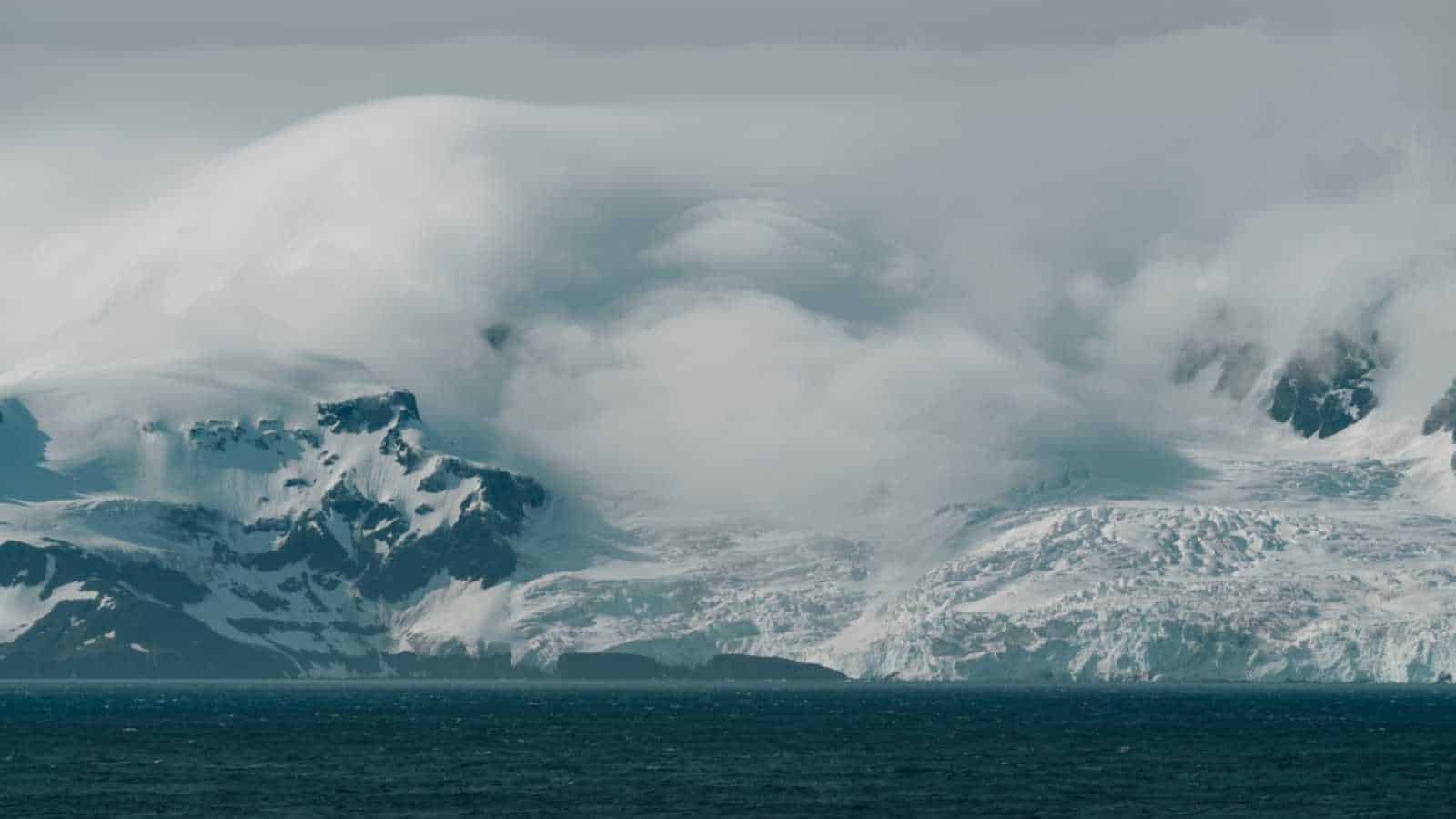
On this island, the weather is the ultimate boss. You might have a plan to go fishing or work in the fields, but if the wind picks up, those plans are canceled immediately. The island sits right in the path of fierce westerly winds that can reach hurricane speeds without much warning.
These winds are so strong that they can make it impossible to walk outside. Residents often find themselves trapped in their homes for days while the storm rages against the cliffs. The ocean is equally unforgiving, with massive swells that can close the harbor for weeks at a time.
This means that ships cannot land supplies, and no one can leave. The islanders have a deep respect for the environment because they know that nature holds all the cards. You have to be the type of person who can handle being stuck indoors with a book and a fire while the wind howls outside. It is a life of constant adaptation to the raw power of the Atlantic.
Key Takeaways

- Travel is a Major Commitment: Reaching the island requires a six-day boat journey from Cape Town, as there is no airport.
- Extreme Planning Required: You must secure permission from the Island Council months in advance and provide a police certificate.
- A Communal Way of Life: Everyone is a farmer, and the land is shared, creating a society built on cooperation and trust.
- Limited Modern Tech: With no cell service and very slow internet, life on the island is a forced break from the digital world.
- Nature is in Control: Fierce winds and rough seas govern daily schedules, requiring residents to be incredibly resilient.
Disclaimer – This list is solely the author’s opinion based on research and publicly available information. It is not intended to be professional advice.
Like our content? Be sure to follow us.