12 U.S. cities known for extremely high humidity
You know the feeling. You step outside, and the air feels almost heavy enough to touch. Instead of a refreshing breeze, it feels like you’re walking through a warm, damp blanket. Across the United States, certain cities deal with this sensation far more often because of their location near oceans, rivers, wetlands, and massive lakes that keep moisture trapped in the atmosphere.
Humidity can shape everything from daily comfort to home maintenance and summer safety. According to long-term climate records from NOAA and the National Weather Service, many of the country’s most humid cities regularly see average relative humidity levels above 70%. The places below stand out because their geography keeps moisture in the air year after year, making sticky conditions a normal part of life.
New Orleans, Louisiana
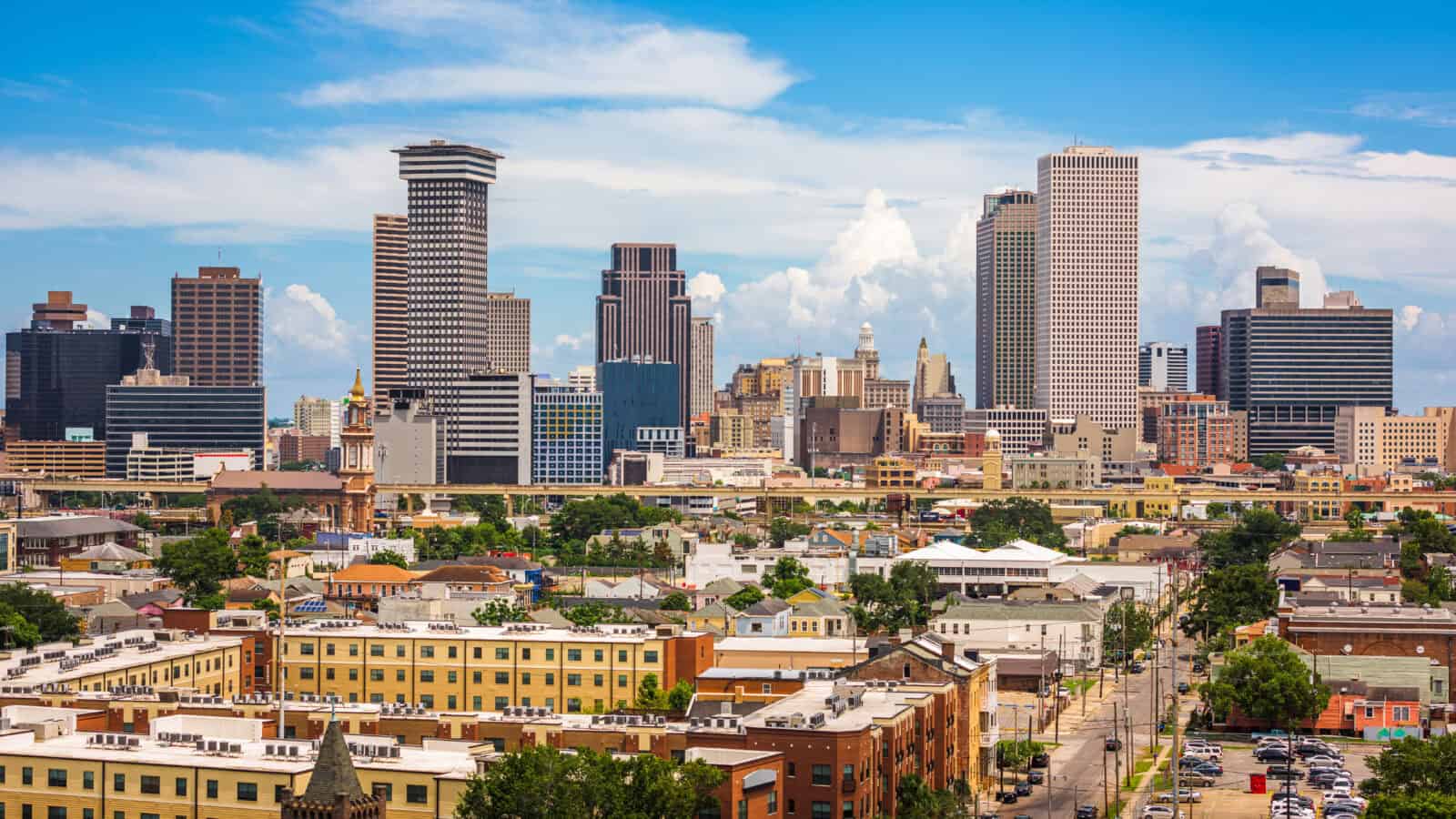
New Orleans is one of the first cities people think of when they picture extreme humidity. Climate records from the World Atlas show the city’s average relative humidity stays around the mid-70% range, with morning readings often climbing into the 80s because of its location near the Gulf of Mexico, Lake Pontchartrain, and surrounding wetlands.
That constant moisture affects more than how the air feels. Humidity increases the risk of mold, puts extra pressure on air conditioning systems, and can speed up damage to buildings. During summer, the combination of heat and moisture can make outdoor activities feel exhausting, which is why many residents plan errands and exercise around cooler parts of the day.
Jacksonville, Florida
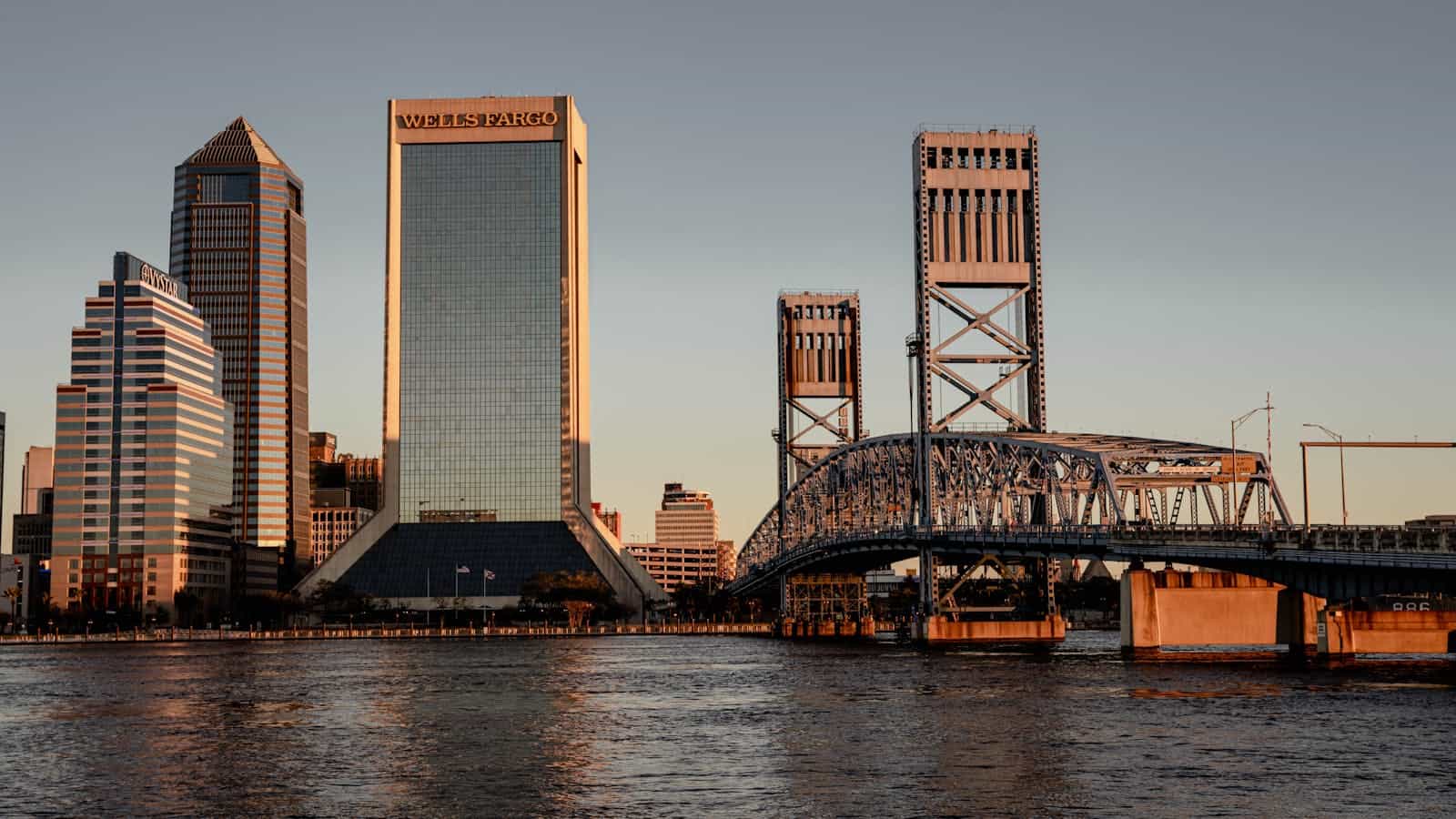
Jacksonville’s coastal location makes it one of Florida’s stickiest cities. Long-term weather data show the city’s average relative humidity sits around the mid-70% range, with early mornings frequently reaching the upper-80% range as moisture rises from the Atlantic Ocean, the St. Johns River, and nearby wetlands.
The humidity affects everyday life in ways newcomers quickly notice. Homes often need strong cooling systems and good ventilation to control moisture, while residents rely on lightweight clothing and hydration during warmer months. Even when temperatures are moderate, the air can still feel heavy because of the amount of moisture it holds.
Houston, Texas
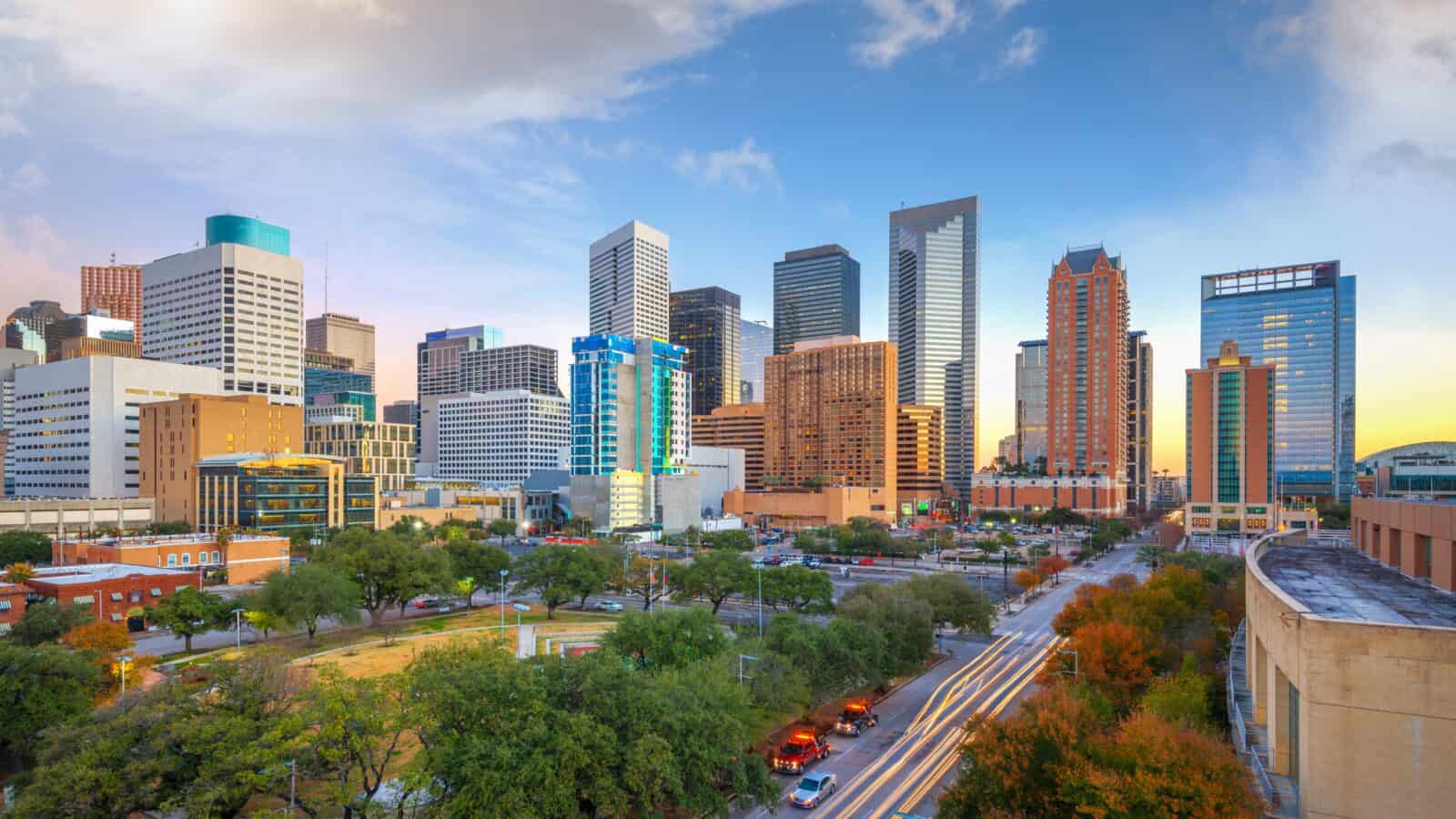
Houston’s humidity comes from its Gulf Coast location and low-lying landscape filled with bayous and waterways. Morning humidity levels can reach around 75%, creating the familiar sticky feeling many residents associate with the city’s summers.
That moisture also plays a role in Houston’s weather risks. High humidity pushes heat indexes higher, making hot days more dangerous for outdoor workers, and it helps fuel the thunderstorms that contribute to the region’s flooding challenges. In Houston, humidity is tied closely to both comfort and climate hazards.
Orlando, Florida
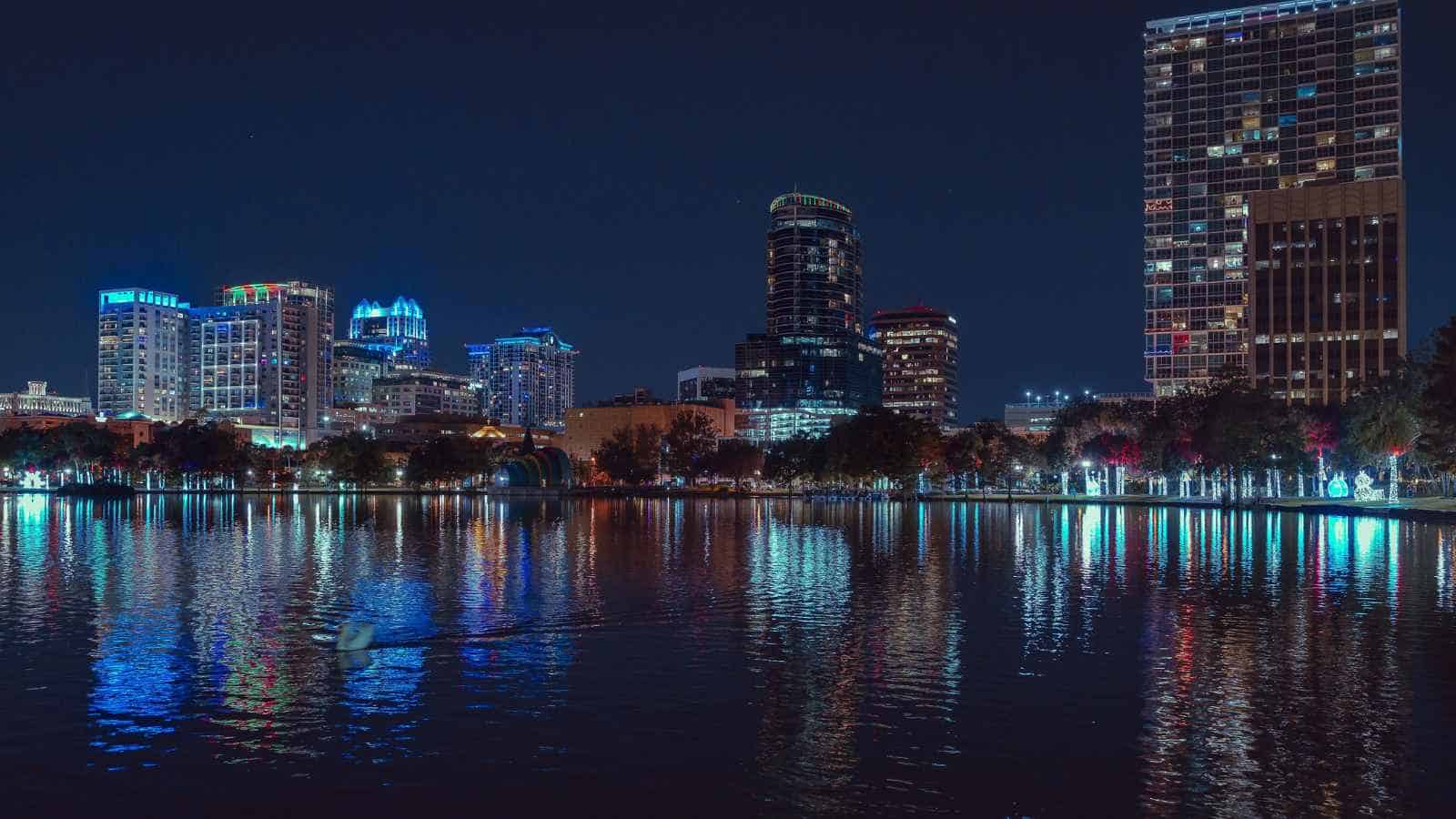
Orlando may be known for theme parks and sunshine, but its humidity is one of the first things visitors notice. Weather station data place the city’s average relative humidity in the low-to-mid-70% range.
The city’s inland location does not protect it from moisture because humid air moves in from both the Gulf of Mexico and the Atlantic Ocean. For visitors and residents, the humidity means hot days can feel much harder, especially when spending hours outdoors. Cooling systems, shade, and regular breaks become essential parts of daily routines.
Tampa, Florida
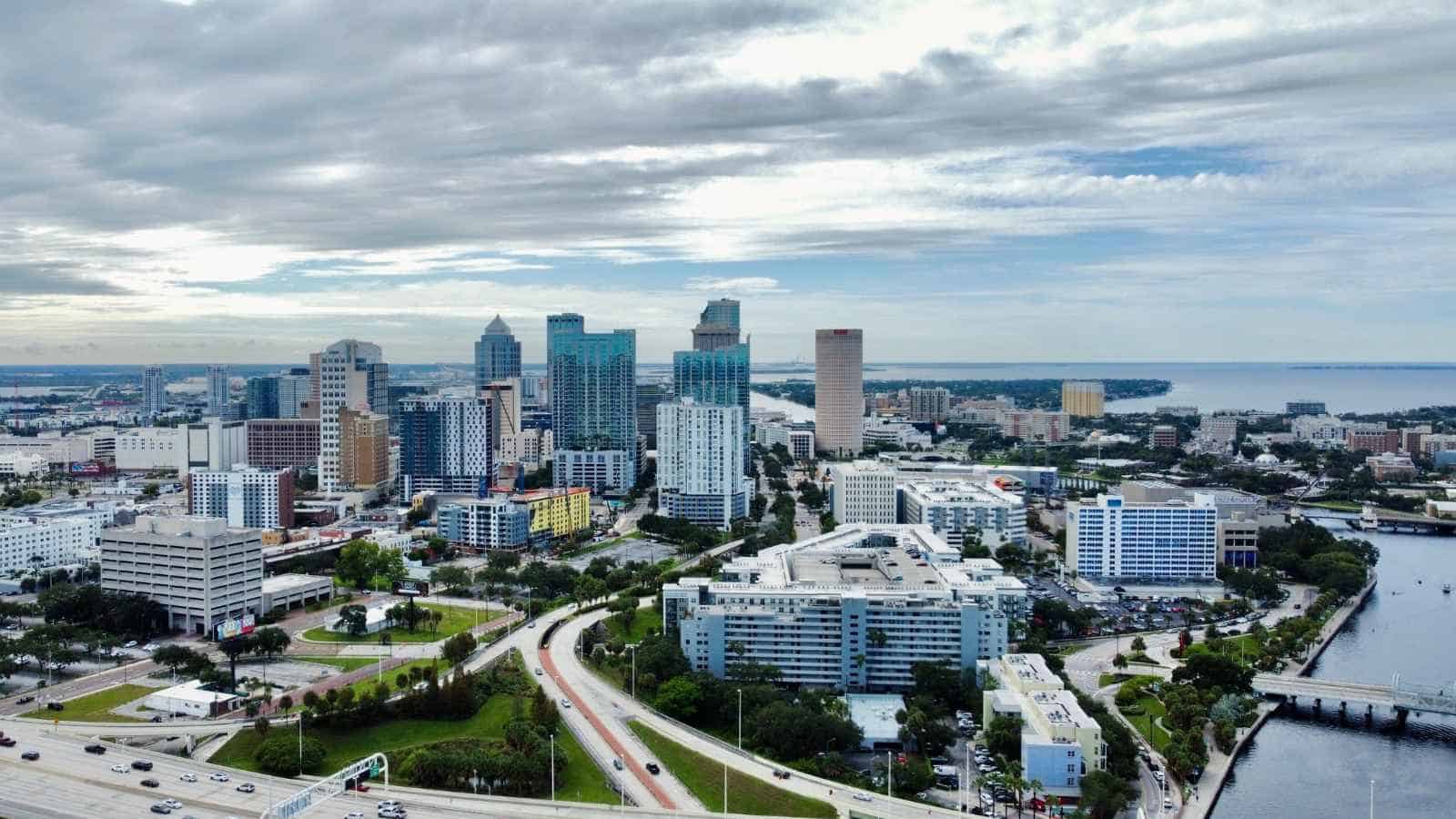
Tampa’s position along Tampa Bay and the Gulf of Mexico keeps warm, moist air moving into the region throughout the year. Climate summaries from NOAA and other weather records show average relative humidity levels typically remain in the low-to-mid-70% range.
That persistent moisture creates challenges inside and outside the home. Residents often deal with condensation, mold concerns, and higher cooling costs because air conditioners must remove both heat and moisture. Tampa’s humidity is less of a seasonal visitor and more of a permanent feature of the local climate.
Miami, Florida
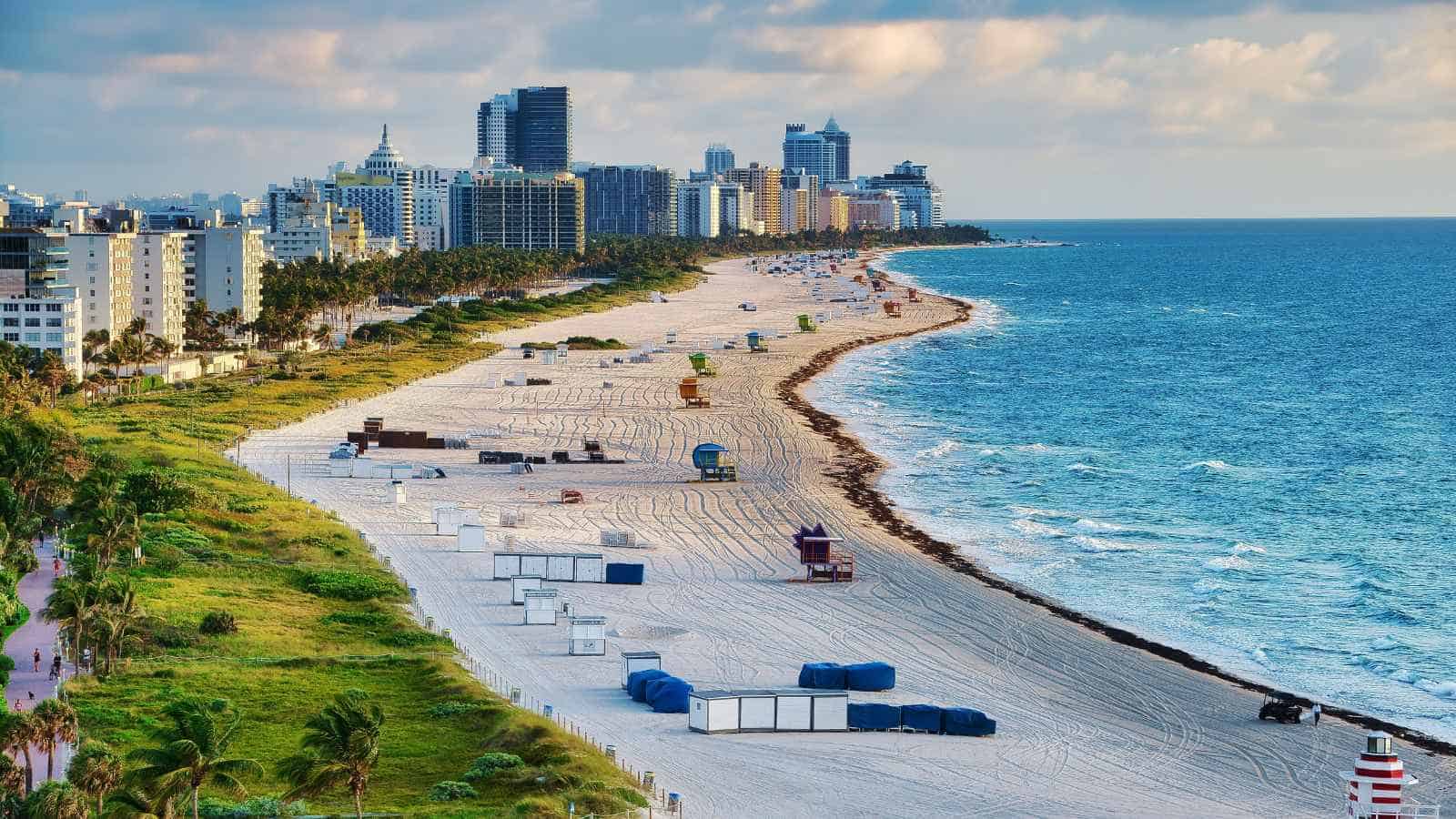
Miami’s tropical climate gives it some of the most recognizable humidity in the country. Average relative humidity falls around the low-70% range, with morning readings often reaching the 80s because of moisture from the Atlantic Ocean and Caribbean waters.
The city’s humidity shapes nearly every part of daily life. Air conditioning runs frequently, homes need strong ventilation, and mold prevention becomes a regular concern. For visitors, the biggest surprise is often how quickly the warm, humid air is noticeable the moment they step outside.
San Francisco, California

San Francisco stands out because its humidity comes without the extreme heat found in many other cities on this list. Coastal climate records show average relative humidity in the low-to-mid-70% range, driven by Pacific Ocean air, fog, and the city’s famous marine layer.
The experience is different from Gulf Coast humidity. Instead of feeling hot and sticky, San Francisco often feels cool and damp. Fog and moisture can affect buildings by slowing drying times, increasing mildew concerns, and contributing to the chilly feeling residents experience near the coast.
Seattle, Washington

Seattle’s reputation for gray skies and drizzle is closely connected to its humid climate. NOAA climate records show average relative humidity levels in the low-70% range, with afternoon humidity often staying above 60% even when rainfall is limited.
Unlike cities with tropical humidity, Seattle’s moisture arrives with cooler temperatures. That creates a damp climate that supports lush vegetation but can also lead to moss growth, moisture problems, and the need for careful home maintenance. Residents often adapt with waterproof clothing and better indoor moisture control.
Portland, Oregon
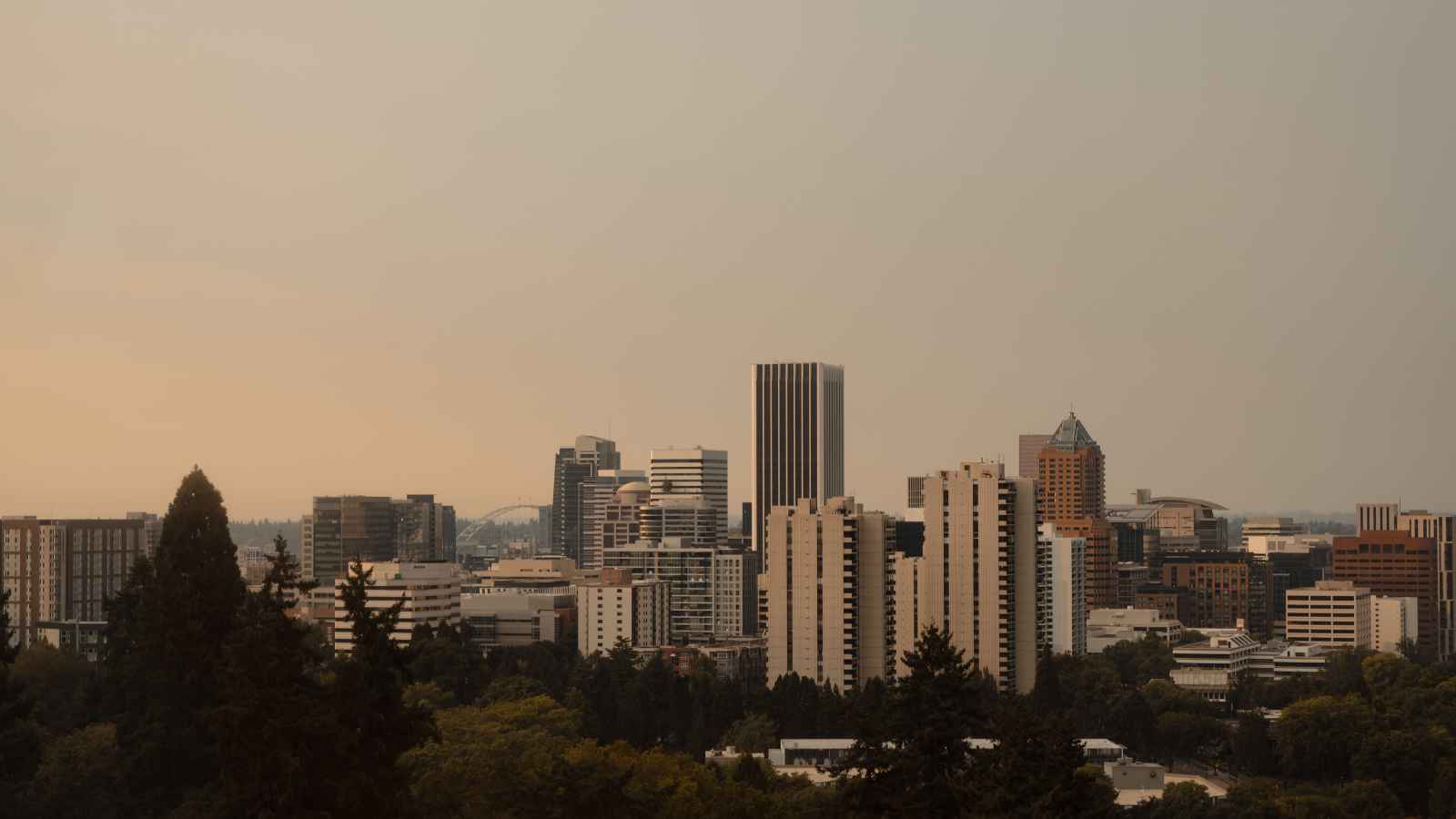
Portland’s climate shares many similarities with Seattle because both cities are influenced by Pacific Ocean air. Climate records show Portland’s average relative humidity remains around the low-70% range, thanks to frequent cloud cover, rainfall, and coastal moisture moving inland.
The humidity helps create Portland’s famously green landscape, but it also brings practical challenges. Homeowners often have to manage mold, mildew, and moisture buildup, especially during wetter months. The air may not feel as heavy as Florida’s humidity, but the moisture is still a defining part of the region.
Grand Rapids, Michigan

Grand Rapids shows that humidity is not just a Southern problem. Climate records influenced by Lake Michigan show the city’s average relative humidity often reaches the low-70% range, as the lake adds moisture to the surrounding air.
That lake’s influence shapes the city’s weather throughout the year. Summers can become muggy, while colder months often bring a damp chill. The same moisture that contributes to cloudy skies and storms also helps create the changing conditions residents experience across all four seasons.
Rochester, New York
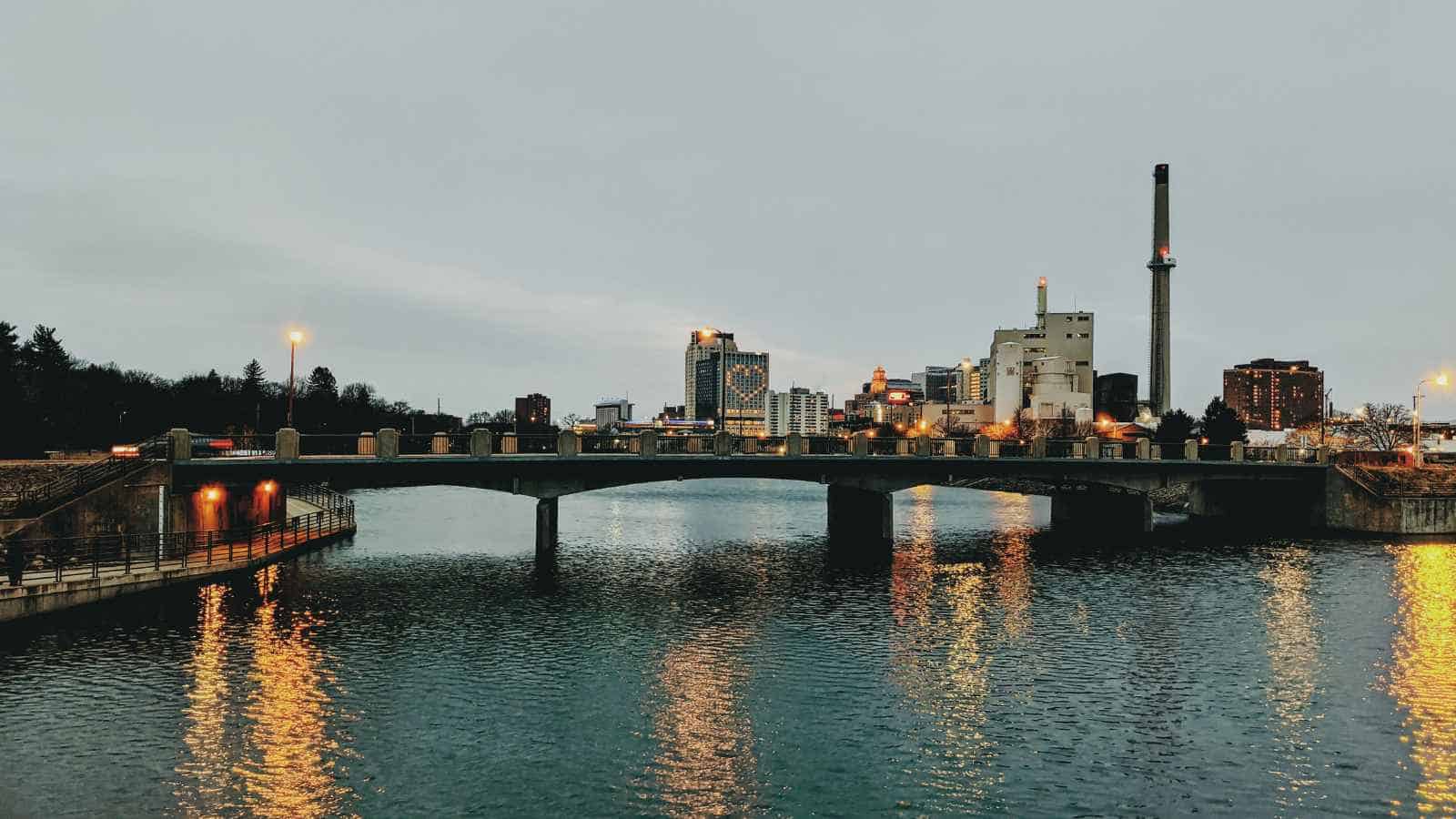
Rochester’s humidity is strongly connected to nearby Lake Ontario. Average relative humidity levels often sit in the low-70% range, with lake moisture contributing to fog, clouds, and changing weather patterns.
The city’s humidity feels different depending on the season. Summer days can become sticky, while winter air can feel colder because of the damp conditions. Many homes rely on proper insulation and moisture control to stay comfortable throughout the year.
Milwaukee, Wisconsin
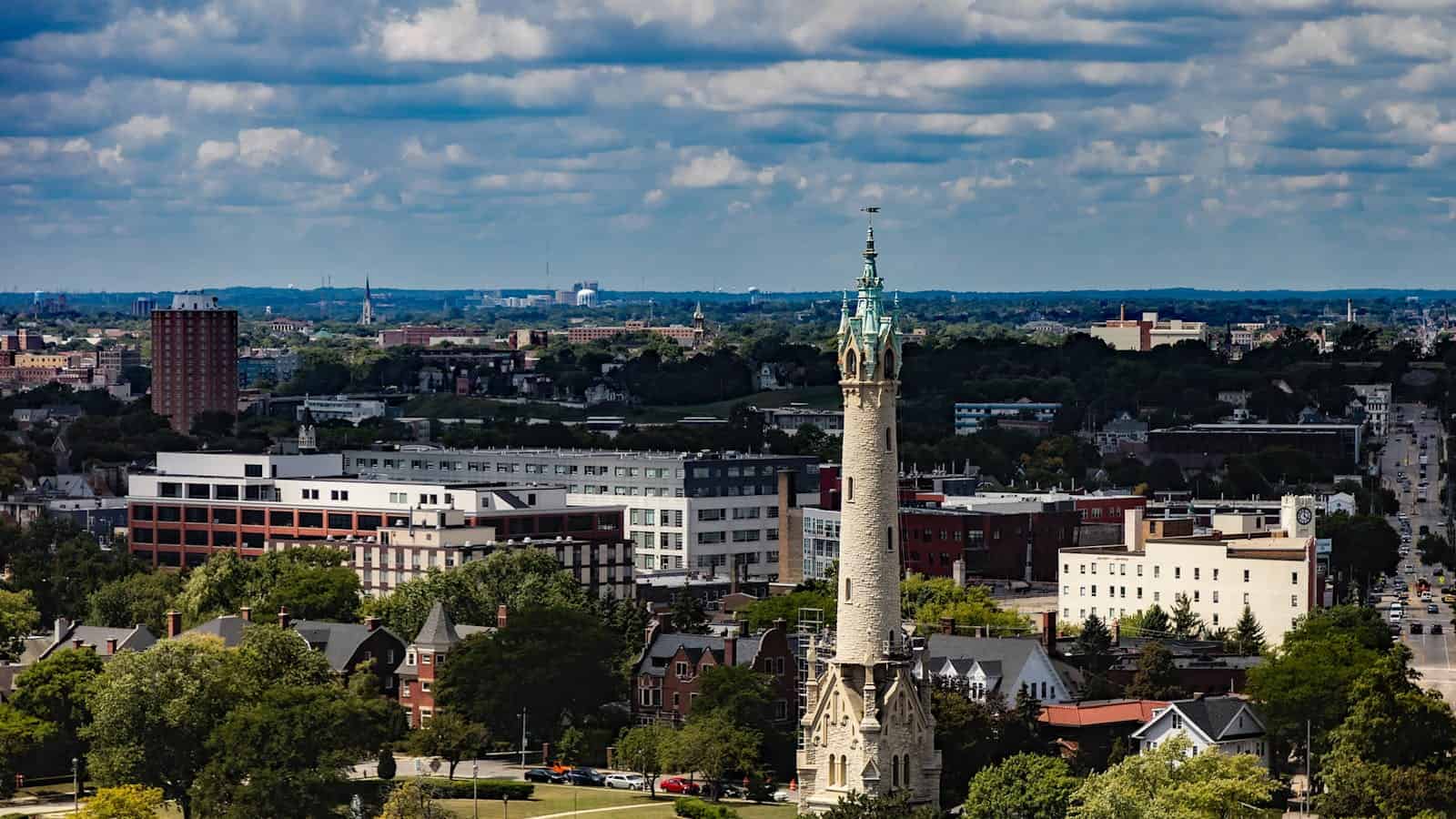
Milwaukee’s location on the western shore of Lake Michigan gives it a surprisingly humid climate. Weather analyses based on long-term station data show that afternoon relative humidity can remain above 60%, even during the part of the day when humidity usually drops.
That moisture influences how the city feels during every season. Summer days can become sticky, while spring and fall often bring cool, damp air. Managing indoor humidity, preventing condensation, and protecting buildings from moisture are important parts of living near the Great Lakes.
Disclaimer – This list is solely the author’s opinion based on research and publicly available information. It is not intended to be professional advice.
Like our content? Be sure to follow us.