12 unending debates around women’s hair, identity, and public standards
Hair is the only part of the human body that a woman can change entirely by Tuesday and still be expected to explain on Wednesday. Cut it and people ask why. Cover it and governments legislate the answer. Grow it out and employers write policies around it. Relax for decades, and the lawsuits arrive 30 years later, with medical evidence nobody bothered to collect while the products were selling.
No other physical feature sits at the intersection of race, religion, law, labor, and identity with this much accumulated friction, and no other feature gets dismissed as quickly when women try to name that friction out loud.
The global hair industry targeting women was valued at over $90 billion in 2023. That number includes the products sold to fix hair that was never broken, the dyes purchased out of professional anxiety, the relaxers applied to meet a workplace standard written before most of their users were born, and the removal creams marketed as maintenance for a body state that existed for most of human history without requiring correction.
The Professionalism Trap
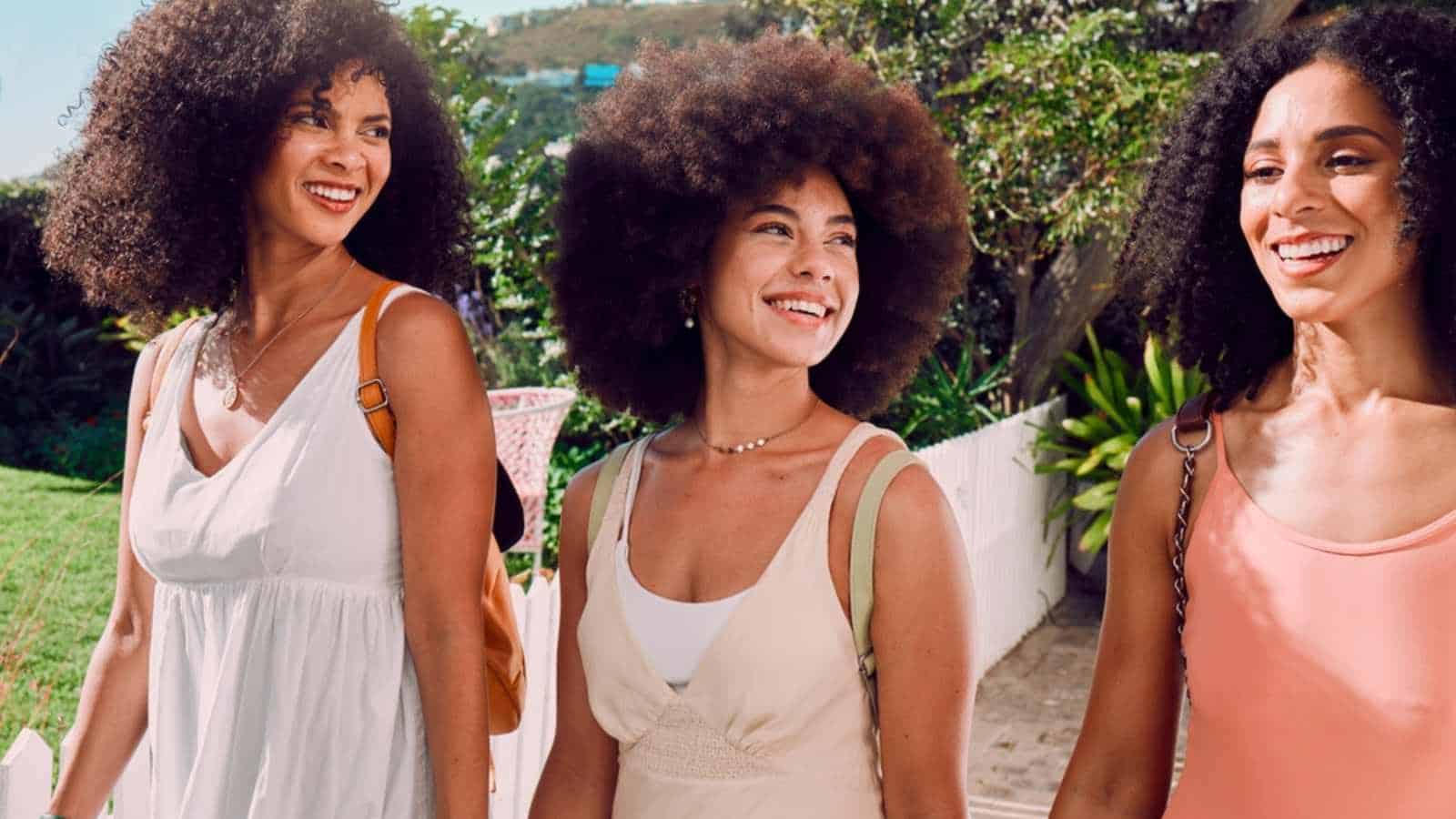
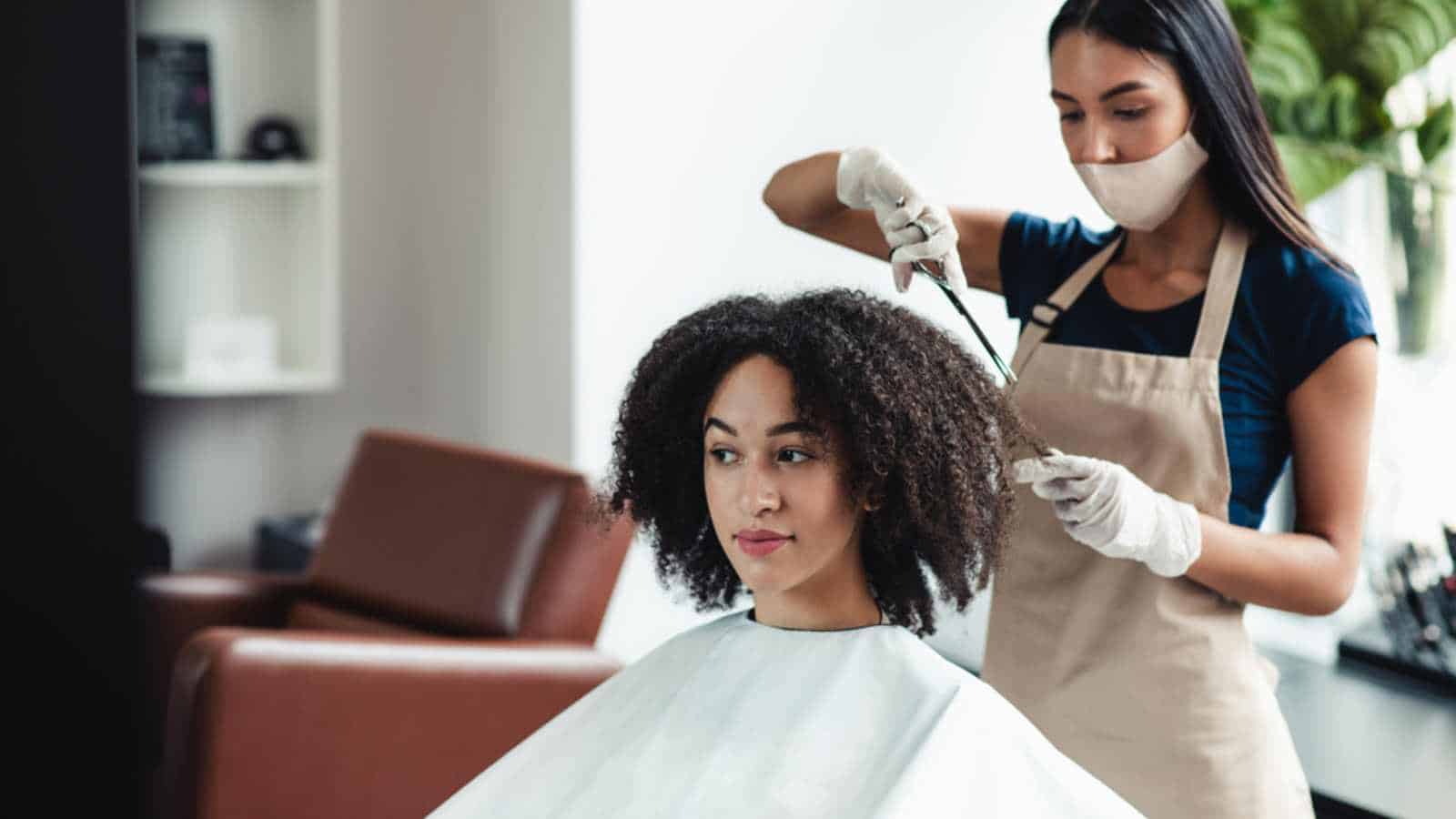
A 2023 CROWN Act research report found that Black women are 2.5 times more likely to be sent home from work because of their hair, and 80% more likely to feel pressure to change their natural hair to fit into workplace culture. The numbers land harder when you consider that most corporate grooming standards were written in the 1950s and 60s decades, when the default employee was assumed to be white, male, and straight-haired.
The workplace professionalism debate around women’s hair sits at an odd intersection of aesthetics and power. Straightened hair has been the de facto standard for decades, and for Black women especially, the cost of deviating from it has been literal. As of early 2026, the CROWN Act (Creating a Respectful and Open World for Natural Hair) has been adopted in 27 states, meaning that in 23 states it remains legally defensible to reject a candidate because her locs look unprofessional.
Women with natural or ethnic hairstyles face a measurable wage penalty in Western professional environments, particularly in client-facing roles. Meanwhile, the global hair relaxer market, driven disproportionately by workplace pressure on Black and mixed-race women, is still growing. The compliance is monetized.
Natural Hair as Political Act
Fifty-five years after the Black Power movement turned the Afro into an emblem of resistance, the same hairstyle still triggers dress code violations in schools. That continuity exposes how much aesthetic politics have stayed frozen while the legal infrastructure around them has partially thawed. The Afro became political because the conditions that made it political never fully changed.
Angela Davis’s Afro became one of the most reproduced images of 1970s radical politics, appearing on FBI Most Wanted posters and eventually on merchandise globally. Her image was appropriated so thoroughly that she later reflected, with some exasperation, that people seemed more interested in the Afro than in the political ideas it once signaled.
Hair as a symbol is extraordinarily durable and extraordinarily easy to detach from its original meaning. By the 1990s, the Afro had been repackaged as retro-cool and nostalgia-chic; the same style that got women fired in 1972 was being sold in fashion editorials by 1998.
The Hijab Debate
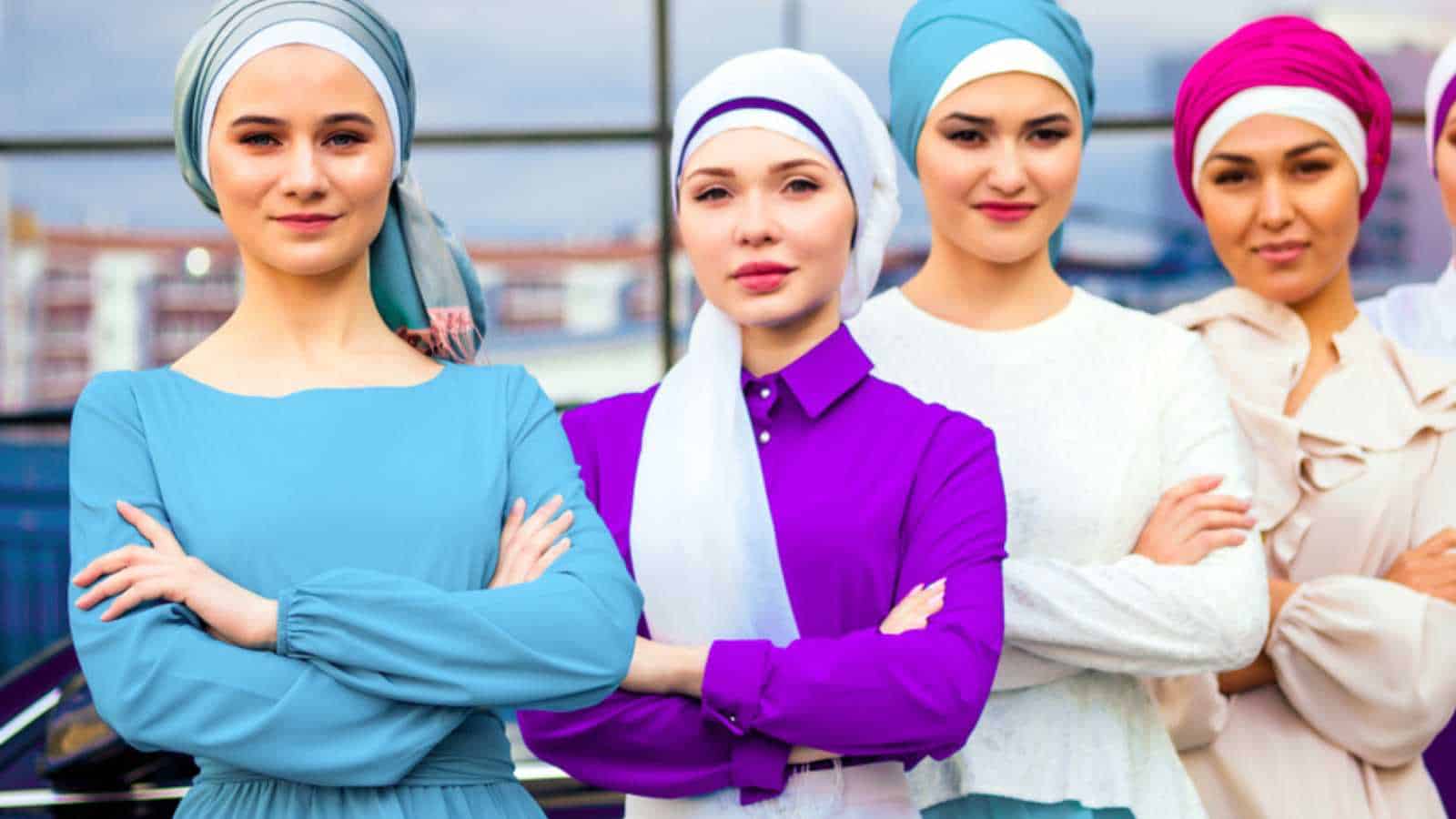
France’s 2004 ban on religious symbols in public schools remains the most discussed legislative flashpoint in the global hijab debate, but it is far from isolated. As of 2024, Belgium, Austria, Denmark, and parts of Switzerland have enacted partial or full bans on face coverings or headscarves in specific public settings. Iran, in stark contrast, mandates the hijab by law, meaning women are being legally coerced from opposite directions depending on which country they live in, with their autonomy as the consistent casualty.
The data on Muslim women’s own views about the hijab complicates every neat political narrative. A University of Michigan survey conducted on behalf of the Pew Research Center, covering seven Muslim-majority countries, found opinion on women’s head covering deeply split: in Lebanon, 49% said it was acceptable for a woman to appear in public without covering her hair at all.
In Western Europe, studies consistently show that the majority of Muslim women who wear the hijab report doing so out of personal religious conviction, not family coercion, a finding that embarrasses both the anti-hijab legislators who frame bans as liberation and the anti-feminist conservatives who claim all observance is freely chosen. The actual picture has always been more granular than either camp allows.
Relaxers, Lye, and Long-Term Damage
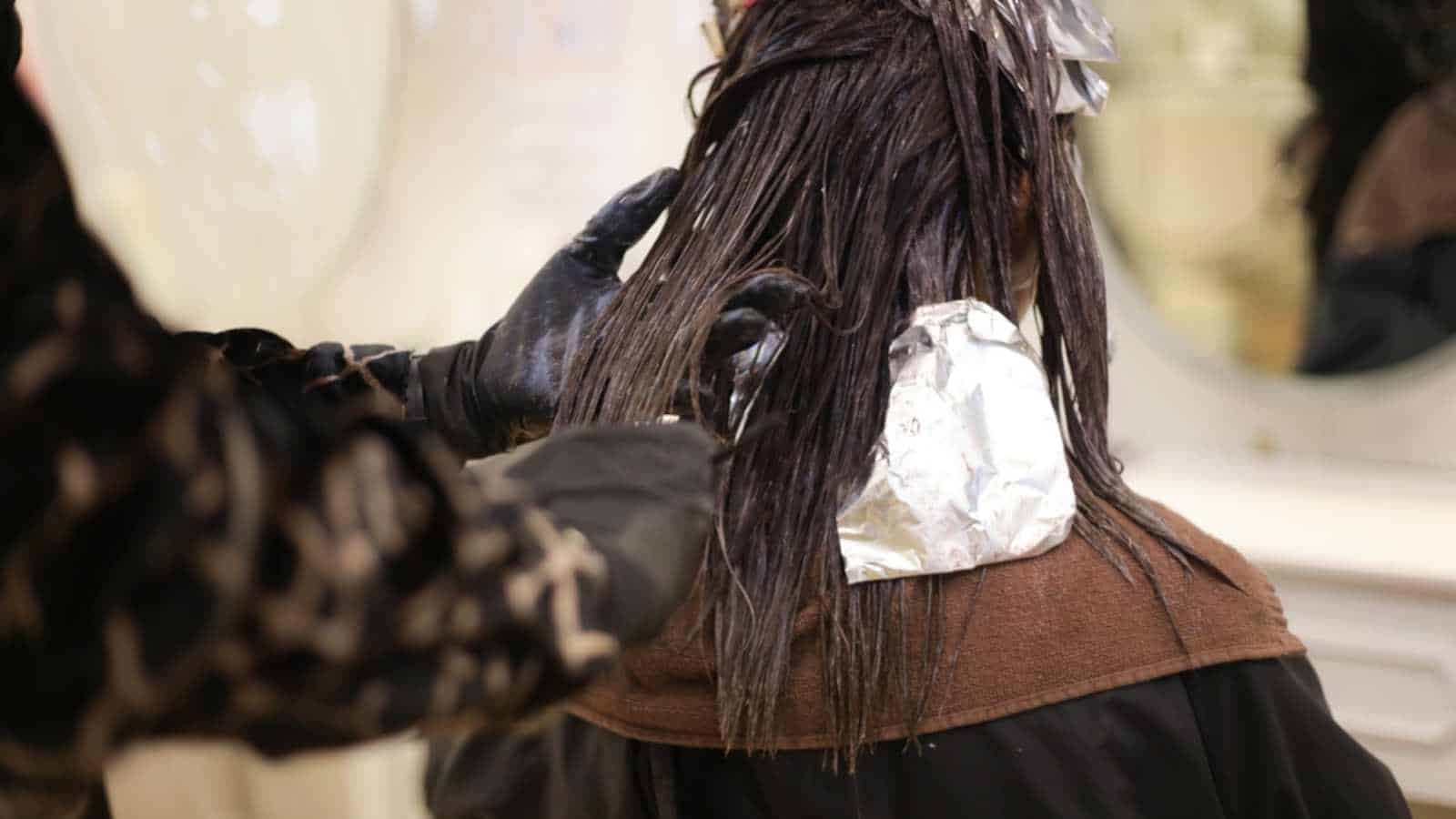
In October 2023, a U.S. federal court certified a class action lawsuit against manufacturers of chemical hair relaxers, with plaintiffs linking product use to uterine and ovarian cancer. The study that accelerated legal action, published in the Journal of the National Cancer Institute in 2022, found that women who used chemical straighteners more than four times a year had more than double the risk of uterine cancer compared to non-users. The sample comprised 33,497 women followed for nearly 11 years.
Lye-based relaxers: sodium hydroxide formulations strong enough to chemically break the protein bonds in hair, have been sold to Black women and girls as young as toddlers since the 1970s. The marketing never mentioned pH levels that sit between 10 and 14 (caustic lye falls at the high end), nor did it headline the fact that repeated scalp application creates a documented pathway for chemical absorption.
A 2021 Silent Spring Institute study detected 66 chemicals of concern in hair products marketed specifically to Black women, including parabens, phthalates, and formaldehyde-releasing preservatives at concentrations higher than those found in mainstream beauty products. The disparity was not a coincidence; it followed the historical pattern of beauty industry regulation being weakest in markets with fewer institutional advocates.
Gray Hair and the Age Penalty Women Pay That Men Simply Do Not

George Clooney’s salt-and-pepper hair made him sexier, according to multiple reader polls conducted by entertainment publications across three decades. When actress Jamie Lee Curtis went fully gray in the early 2000s, media coverage focused on whether the choice was brave, a word that implies the default expectation was concealment. The linguistic difference between a man being distinguished by gray hair and a woman being brave for keeping it encodes an entire double standard in two adjectives.
A 2021 AARP survey found that 78% of workers aged 45–74 reported witnessing or experiencing age discrimination, and women reported it at significantly higher rates than men in appearance-related contexts.
Separate research by the National Bureau of Economic Research found that women’s callback rates for job applications fell sharply after 49, while men’s callbacks did not decline at equivalent rates until their mid-50s.
Hair color isn’t the sole variable, but visible aging cues, of which gray hair is the most immediate, correlate directly with the drop. The same biological process that makes an older man seem authoritative makes an older woman seem past her prime, a phrase that has no male equivalent in common use.
Locs in Court
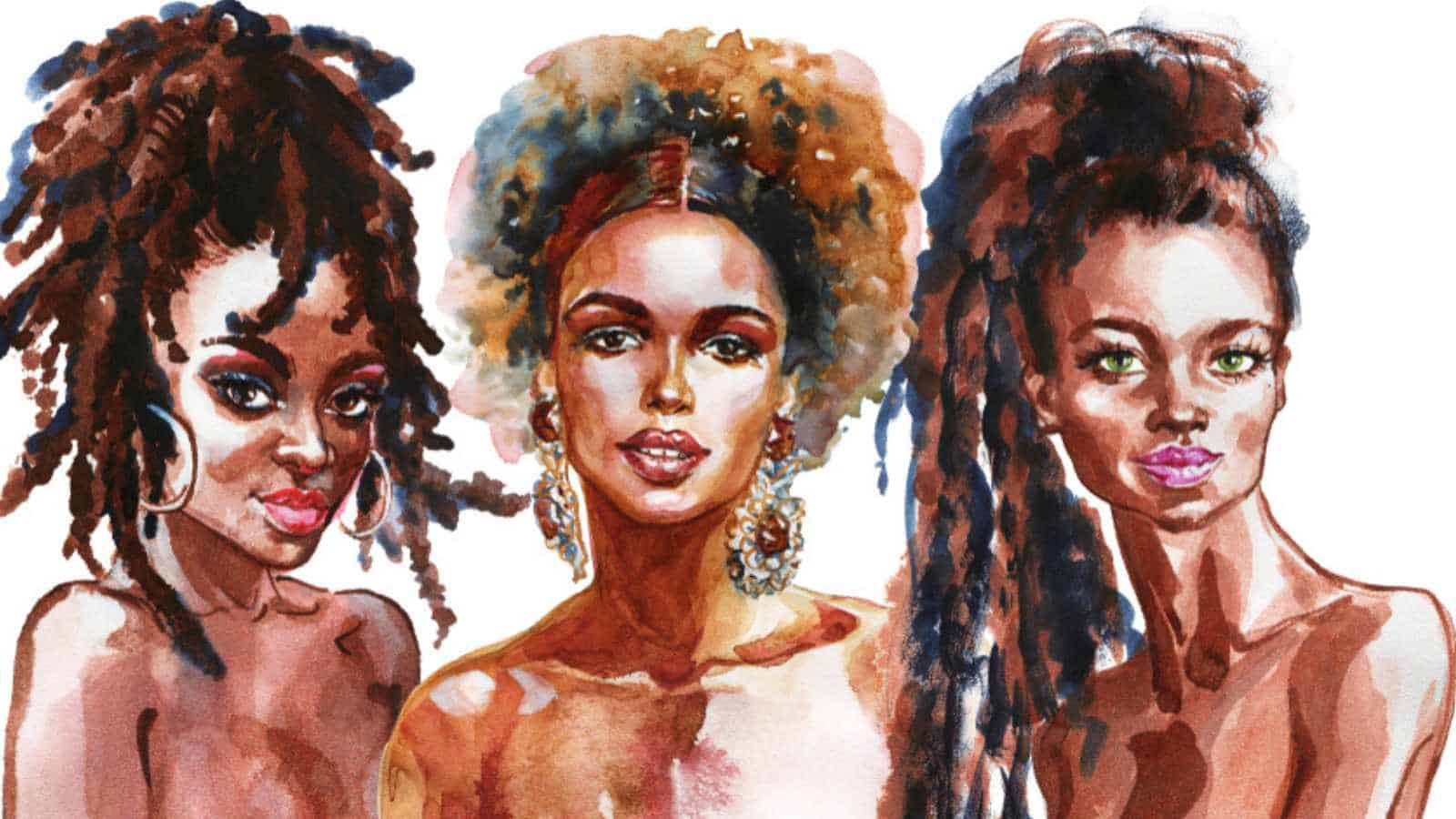
In 2016, the 11th U.S. Circuit Court of Appeals ruled unanimously that an employer could legally refuse to hire a woman because she wore dreadlocks, finding that the company’s grooming policy didn’t violate Title VII of the Civil Rights Act because locs are a mutable characteristic, something a person could theoretically change.
The case, EEOC v. Catastrophe Management Solutions, began when Chastity Jones had a job offer rescinded after an HR manager told her that dreadlocks tend to get messy. The ability to chemically destroy a cultural hairstyle to conform to a white-normative standard doesn’t make the demand to do so race-neutral, but the court disagreed. After the Supreme Court declined to intervene in 2018, the ruling became a binding precedent in Alabama, Florida, and Georgia.
Dreadlocks carry documented cultural and religious significance for Rastafarians, various African ethnic groups, some Hindu traditions, and indigenous communities on multiple continents.
The Billion-Dollar Braids Economy and Who Actually Benefits From It
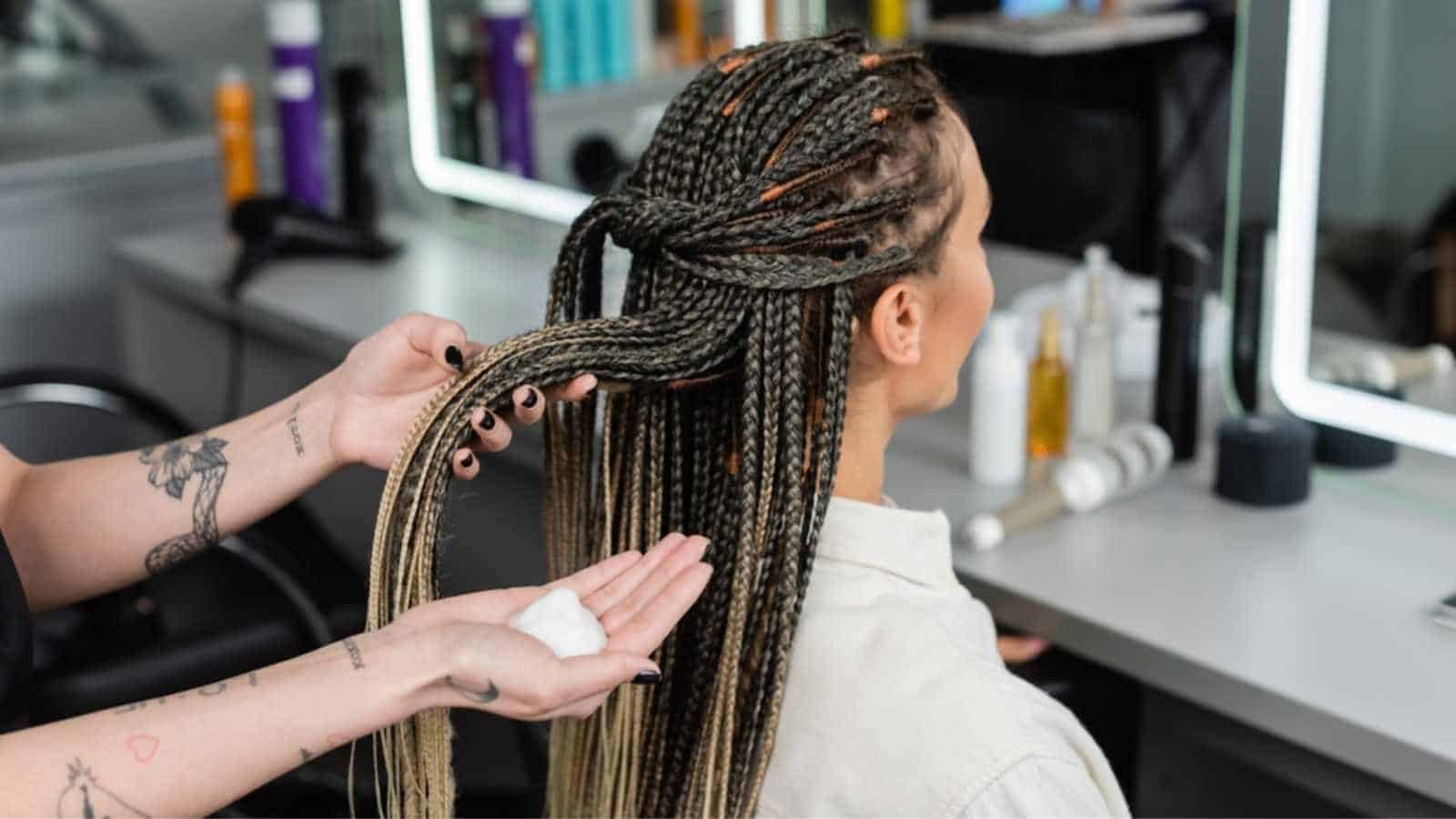
Box braids, cornrows, Senegalese twists, and knotless braids collectively anchor a market described as a cultural export generating enormous commercial value, most of which does not return to the communities that originated and maintained these styles. The U.S. ethnic hair and beauty market was valued at $3.2 billion in 2023, with braiding services representing a significant and growing share. The stylists doing the work, overwhelmingly Black and African immigrant women, often operate in a licensing landscape designed against them.
Eleven U.S. states, as of 2024, still require braiders to obtain a cosmetology license to operate legally, a credential that requires up to 1,500 hours of training in techniques that are irrelevant to braiding. An unlicensed braid shop poses no verifiable public health risk distinct from a licensed salon, but the licensing requirement effectively criminalizes traditional African braiding practices unless they pass through an expensive, culturally irrelevant certification system. Several states have reformed their laws following litigation; most have not.
Meanwhile, fashion and luxury brands have repeatedly introduced braided styles, under names like cornrow-inspired or goddess braid, in runway collections and marketing campaigns, without crediting their African origins or compensating Black artists and communities.
Hair Texture and the Science That Beauty Marketing Ignored for Decades
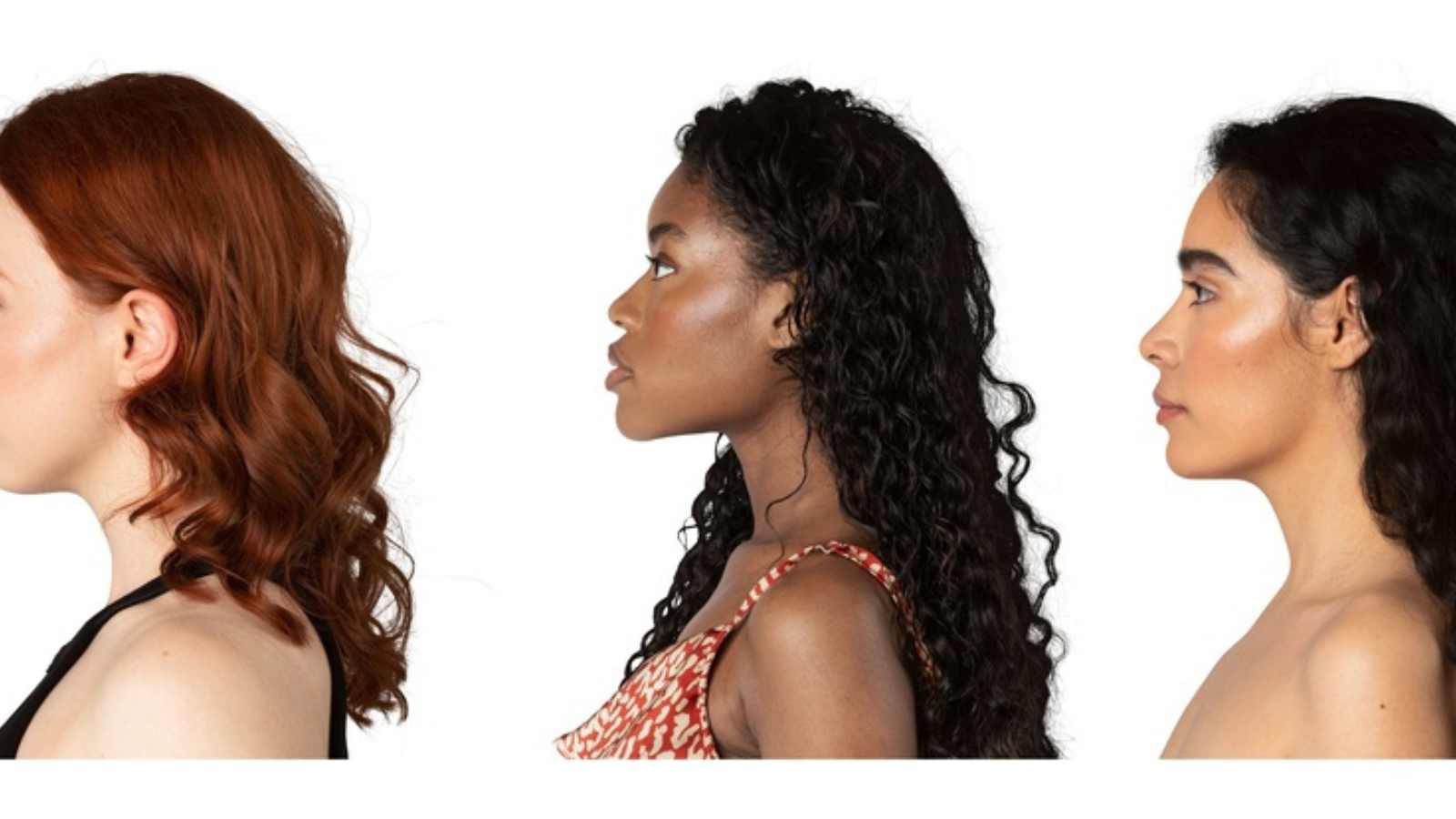
The classification system for hair texture, from Type 1 (straight) through Type 4C (tightly coiled), was developed by hairstylist Andre Walker in the 1990s for his book promoting products compatible with his celebrity clients’ hair. Despite its origin, it has functioned as the default hair classification language in the beauty industry for thirty years, with its limitations, particularly its imprecision around porosity, density, and strand width, largely absorbed without challenge until the natural hair movement demanded better vocabulary.
Hair texture is determined by multiple genetic variants, not a single gene, and the diversity of hair forms within African populations is greater than that between African and European populations. This directly contradicts the implicit beauty-industry hierarchy that positioned straight hair at the apex of a normal spectrum and classified coiled or kinky hair as a deviation. Biologically, the distribution is inverted: tightly coiled hair is statistically more common globally, making straight hair the narrower deviation from the broader human norm.
The Social Media Hair Ideal and the Anxiety It Manufactures at Scale

The algorithm rewards the aesthetic, which rewards creators who produce it, which floods the feed with one version of desirable hair, which establishes that version as the baseline against which viewers measure themselves. This is a feedback loop that operates at a speed and scale that 1990s magazine culture never achieved.
Dermatologists have documented a corresponding rise in patients presenting with traction alopecia, hair loss caused by tight styling, in the same demographic, partly attributable to extended wear of styles emulated from influencer content without regard for scalp health.
A competing view suggests that social media has also provided the most expansive platform in history for natural hair representation, with creators like Naptural85 and thousands of others building audiences in the millions around unfiltered hair content. The counter-argument has merit: the same algorithm that amplifies Eurocentric ideals also amplifies every departure from them, and the natural hair movement owes a significant portion of its post-2009 momentum to YouTube and later Instagram.
Hair Removal and the Standard Nobody Questions Loudly Enough
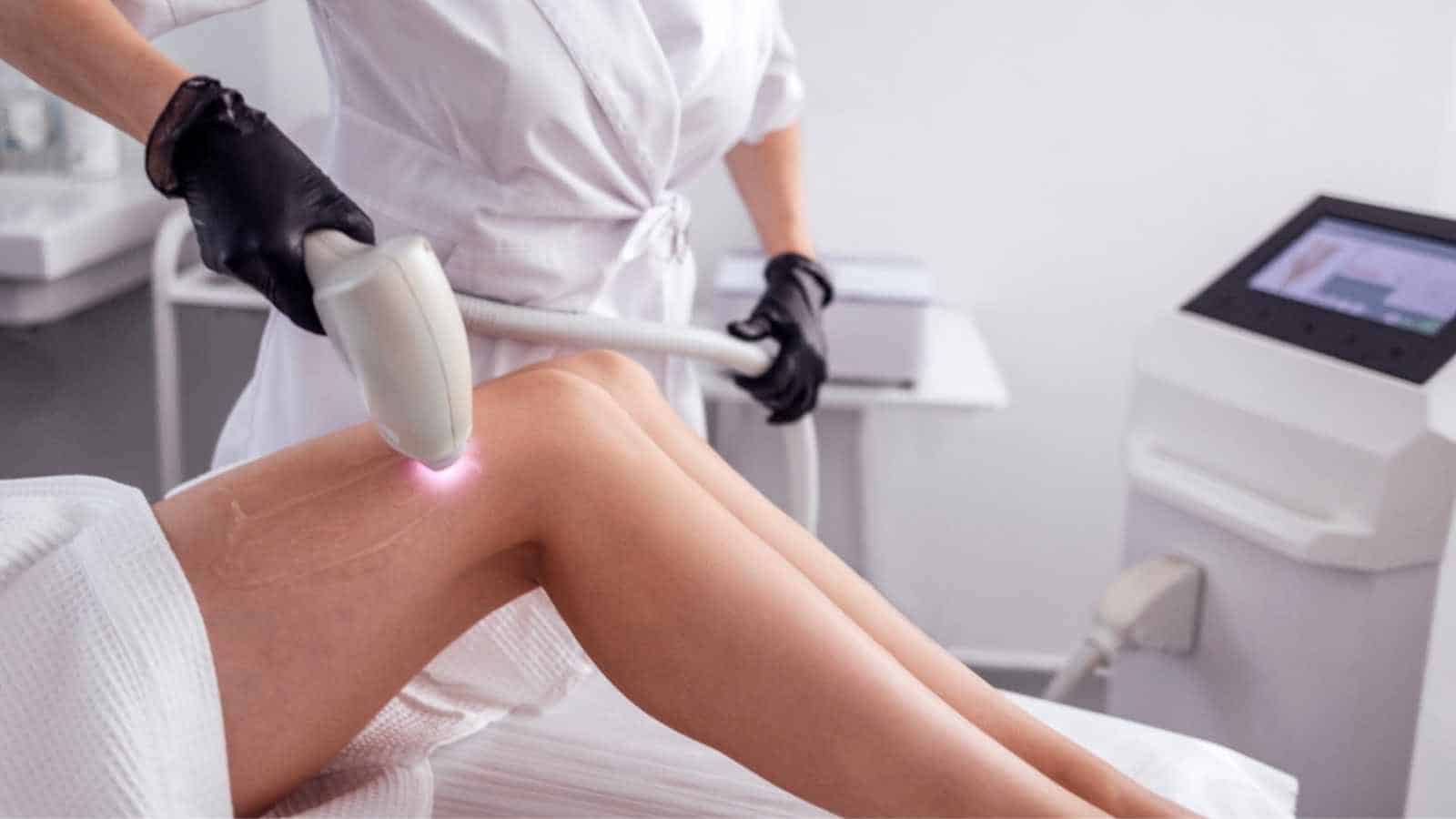
The global hair removal market, encompassing waxing, laser hair removal, shaving products, and depilatory creams, is primarily targeted at women. The growth projection assumes the continued normalization of female body hair removal as a baseline hygiene or grooming expectation rather than an aesthetic preference. Marketing for these products has almost never been framed as a choice; it has been framed as maintenance, suggesting that the unshaved state is the deviation requiring correction.
The modern expectation that American women shave their underarms emerged largely between 1915 and 1920, directly following advertising campaigns targeting women after hemlines shortened and sleeveless dresses appeared in fashion.
The leg-shaving norm followed in the 1940s, accelerated by wartime nylon shortages that made bare legs more common and advertising that framed smooth legs as feminine. Armpit hair on women remains one of the more reliably provocative images in Western media.
Hair in Religious Life
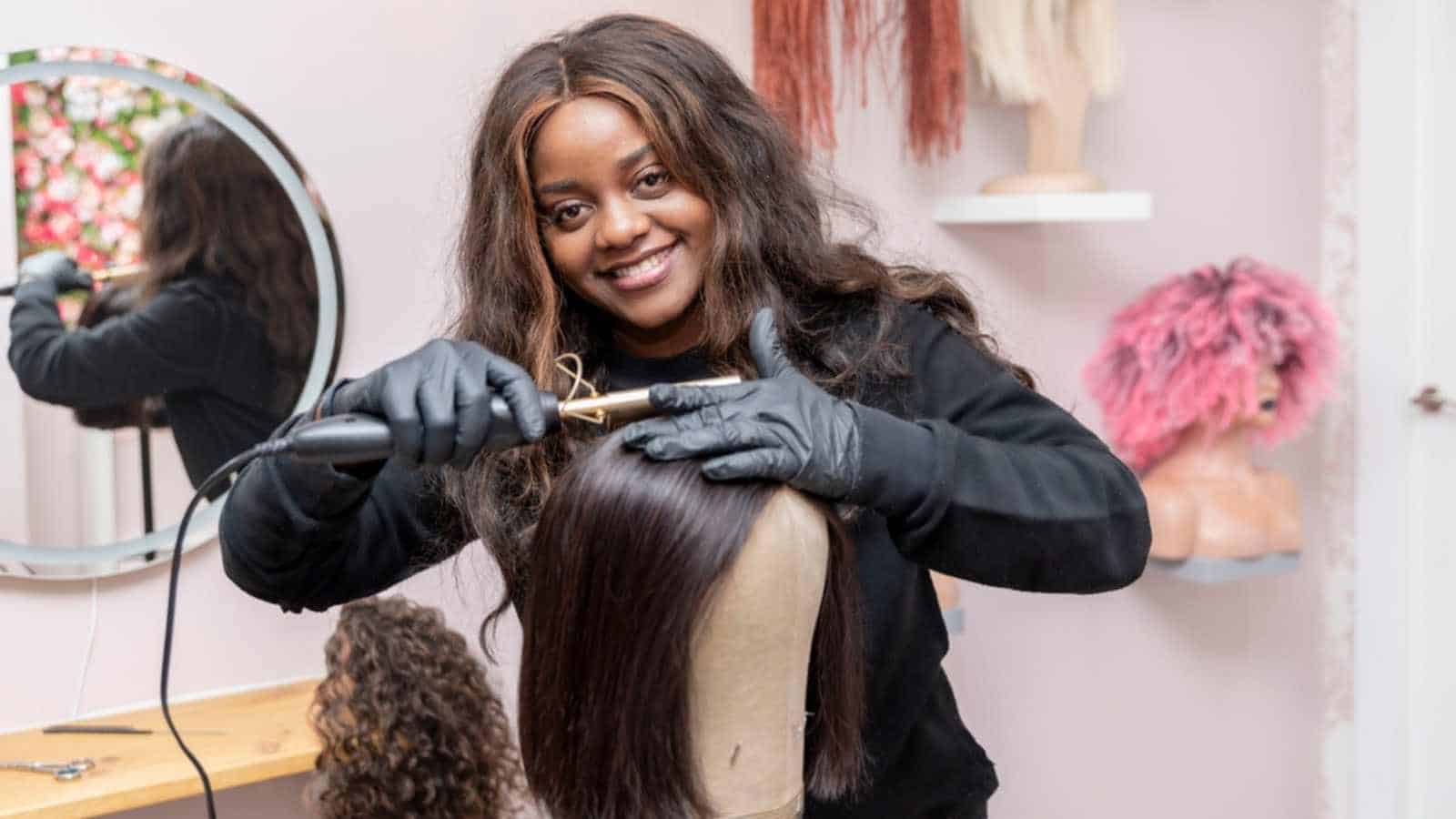
Orthodox Jewish women’s practice of covering their hair after marriage with wigs, scarves, or hats intersects with feminist analysis in complex ways. The sheitel, a wig worn to maintain tzniut (modesty) while appearing conventionally groomed in public, has generated internal debates within Orthodox feminism for decades.
Some scholars argue that the wig undermines the spiritual logic of modesty; others contend that hair covering is an expression of marital identity with personal spiritual depth. Neither position fully controls the practice, because the women who actually wear sheitels hold a range of views that resist external categorization.
Sikh men’s unshorn hair, covered by a dastar, is among the most documented cases of religious hair intersecting with state power. In France, the 2004 law banning conspicuous religious symbols in schools affected Sikh students’ turbans alongside Muslim girls’ hijabs, producing a coalition of religious communities united by the experience of having the state legislate their relationship to their own hair.
The law was challenged at the European Court of Human Rights and largely upheld, with the court finding that the restriction served the principle of secularism, a ruling that critics argued privileged one conception of public space over actual religious freedom.
The Natural Hair Movement’s Success and Its Unresolved Contradictions
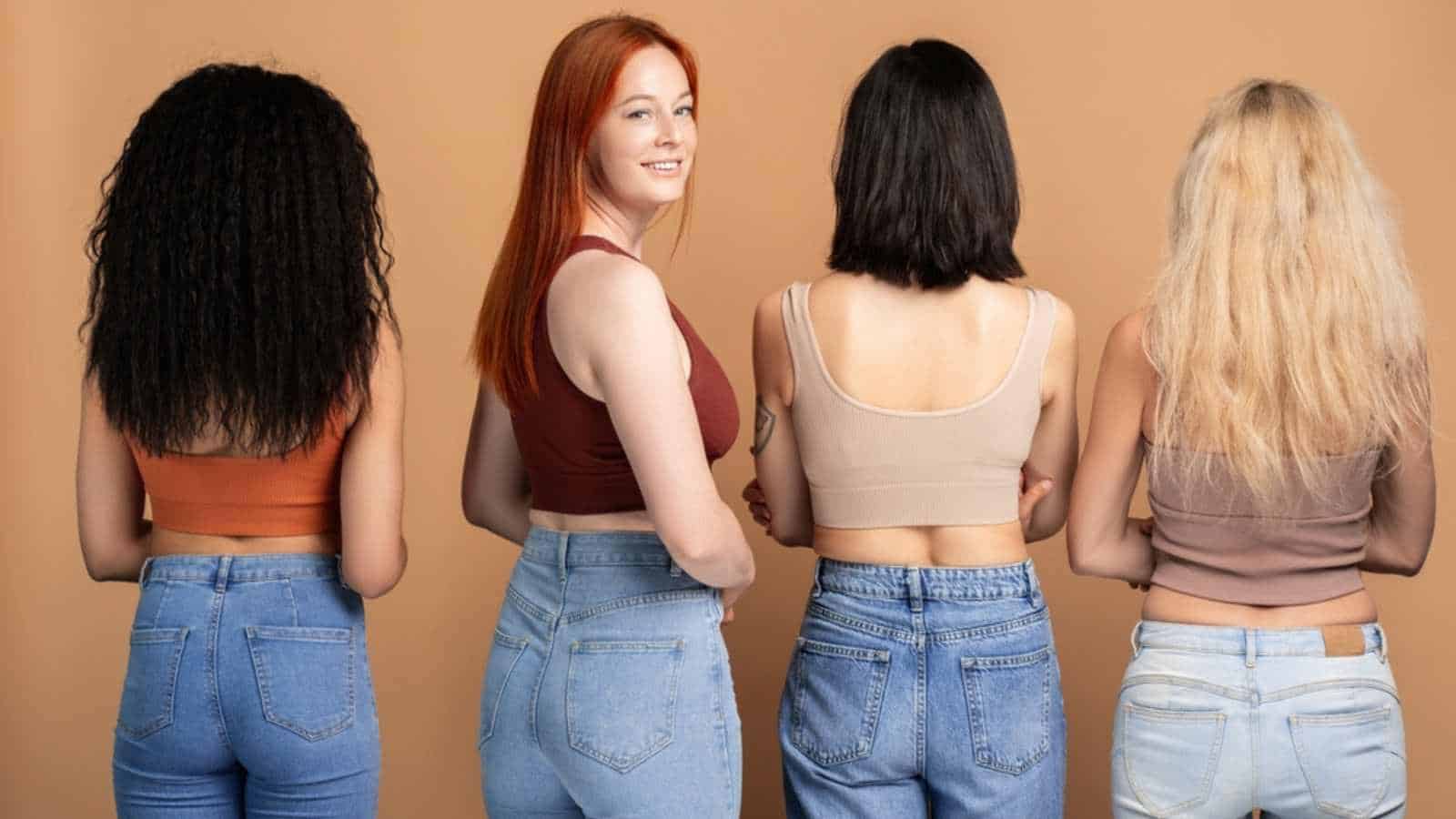
By 2013, Mintel found that 70% of Black women reported currently wearing or having worn their hair natural in the previous 12 months: a figure that reflected relaxer sales collapsing 26% from their 2008 peak. By the mid-2010s, major beauty conglomerates were acquiring natural hair brands at a pace that confirmed the market had matured: Unilever purchased SheaMoisture’s parent company in 2017, L’Oréal acquired Carol’s Daughter in 2014, and Procter & Gamble launched its own textured hair lines. The establishment had arrived.
The corporate acquisition of Black-owned natural hair brands created an industry that sold Black women their own cultural practices through companies that had historically excluded them. SheaMoisture’s 2017 ad controversy, in which a campaign about hair struggles featured almost no Black women, illustrated exactly how quickly community-rooted brands can lose their orientation under conglomerate ownership. The natural hair movement had grown large enough to be commodified, and commodification has a well-documented flattening effect on the political dimensions of cultural practice.
Key Takeaways:

- Black women bear the heaviest legal, financial, and health costs of hair standards they had no hand in writing.
- Grooming policies marketed as neutral have always encoded whose hair was the default.
- State power over women’s hair operates in both directions, mandating coverage in some countries and criminalizing it in others.
- The natural hair movement won cultural ground while losing economic control of the market it created.
- Hair remains one of the few battlegrounds where appearance, identity, and institutional power collide with full legal backing on the wrong side.
Disclaimer – This list is solely the author’s opinion based on research and publicly available information. It is not intended to be professional advice.
Like our content? Be sure to follow us