Grocery stores are quietly replacing fresh beef with a controversial alternative as prices hit historic highs this June
The rising cost of a simple hamburger is revealing how quickly long-standing food traditions can change.
Summer is officially here, and backyard grills are firing up across the country. You might notice something strange when you visit your local supermarket this month. Shoppers are feeling the heat as their grocery bills continue to skyrocket unexpectedly.
Retailers are scrambling to keep meat cases stocked without scaring away their loyal customers. They have quietly introduced controversial meat alternatives to replace expensive traditional cuts. Let us look into what is really happening behind the scenes at your favorite store.
The Perfect Storm Brewing Behind Your Meat Counter

Your local butcher is dealing with a messy situation that is entirely out of their control. Farmers are struggling to keep up with the massive appetite of American consumers. The cost of doing business has gone through the roof for everyone involved.
Every link in the supply chain is feeling the squeeze right now. Transportation issues and extreme weather have made a bad situation even worse. Store managers are tearing their hair out trying to balance the books.
Why Alternative Proteins Are Quietly Taking Over

Stores need something cheaper to fill the empty spaces in their display cases. Fortune reports that beef prices shot up 16 percent year over year. This massive price hike forced companies to get creative with their inventory.
Retailers are betting big that you will not notice the switch if the packaging looks familiar. They are mixing plant-based proteins with traditional meat to stretch their supplies. These blended products look incredibly similar to the real thing at first glance.
Shoppers Are Experiencing Major Sticker Shock

A quick trip to pick up dinner ingredients now feels like a major financial commitment. The Federal Reserve Bank of St. Louis states the price of a pound of ground beef jumped almost 13 percent since last May. Regular folks are doing a double take when they see the new price tags.
You are definitely not alone if you feel like your wallet is taking a beating. People are openly complaining about these outrageous costs on social media every single day. Many families are simply choosing to walk away from the meat department entirely.
Supermarkets Pivot To Keep Costs Somewhat Reasonable

Big box stores know that customers will shop elsewhere if prices climb too high. They are bringing in these alternative options to offer a more budget-friendly choice. The strategy is to give you something that looks like meat without the premium price.
Some grocery chains are being totally upfront about these changes, while others stay silent. A clever label can easily hide the fact that you are buying a meat substitute. You really have to read the fine print if you want to know the truth.
The Hidden Truth Inside Your Favorite Burger Patties
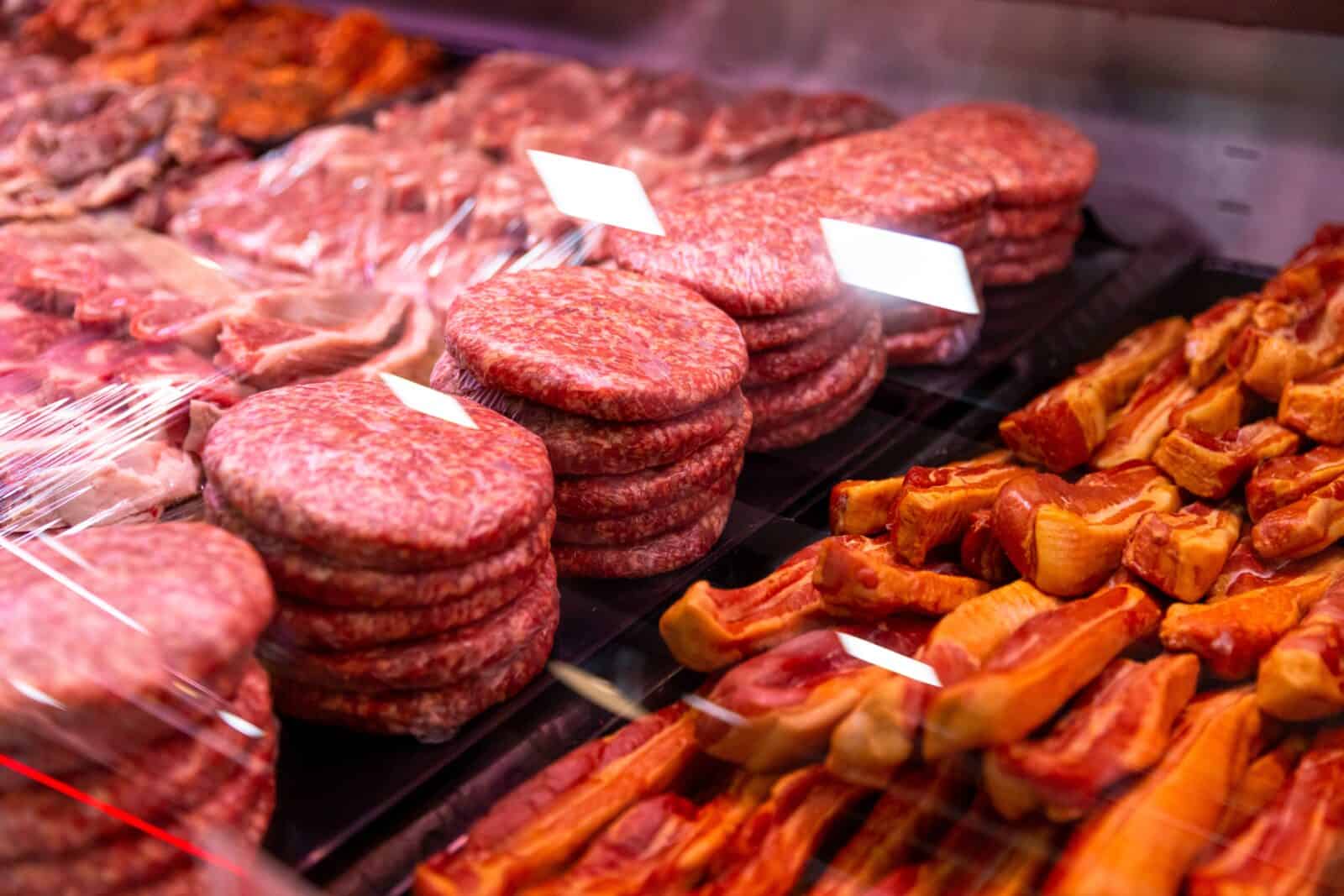
Those perfect-looking patties might contain ingredients you never expected to eat. The United States Department of Agriculture slashed its 2026 beef production forecast to 25.438 billion pounds. This huge drop in supply means your burgers need a little extra help to stay affordable.
Food scientists have worked overtime to make these alternatives taste just like the real deal. They use soy and pea proteins to mimic the texture of a juicy steak. Sometimes the flavor is so spot on that even die-hard carnivores cannot tell the difference.
How Market Factors Are Playing A Massive Role Here

Cattle ranchers are facing challenges that most of us cannot even begin to imagine. Five market fed steer prices climbed to just under $245 per hundredweight late last summer. These crazy numbers mean farmers are paying a fortune just to keep their businesses afloat.
The cost of feed and fuel has practically doubled over the past few years. Ranchers have no choice but to pass those extra expenses down to the consumer. The entire system is buckling under the weight of these economic pressures.
Weather Changes Impacting Your Local Grocery Aisles

Mother Nature has not been very kind to the agricultural industry lately. Beef cow slaughter rates dropped by 17 percent as producers hold back their herds. Droughts and heat waves have destroyed grazing lands across the country.
Farmers need rain badly if they want to get things back to normal. Without proper grass to eat, cows cannot grow to their full potential. This environmental crisis directly translates to fewer options and higher prices at your local store.
Consumer Reactions To The Changing Meat Department
People are starting to catch on to what is happening right under their noses. Wholesale beef cutout values have peaked at over $400 per hundredweight in recent months. Shoppers realize they are paying premium prices for products that contain cheap fillers.
Some buyers are totally fine with the change because it saves them money. Others feel completely betrayed and are demanding pure meat products immediately. The debate is getting pretty heated in grocery aisles across the nation.
The Nutritional Trade-Offs in Your New Dinner
Swapping out traditional meat for alternatives brings some interesting health factors into play. Many of these controversial substitutes contain high amounts of sodium and artificial additives. You might be cutting costs, but you could be sacrificing essential nutrients along the way.
Health experts recommend reading the nutrition facts before you toss anything into your cart. Sometimes the real thing is actually much better for your body in the long run. It really depends on what kind of diet you are trying to maintain.
A Massive Shift In American Dinner Habits

We are witnessing a historical change in how our country prepares its evening meals. Families are experimenting with new recipes that do not rely heavily on traditional cuts. Tacos and pasta dishes are becoming the new stars of the summertime dinner table.
The days of a massive steak taking up half your plate might be over. People are learning to treat beef as a special treat rather than a daily staple. This cultural shift will likely change the grocery industry for decades to come.
Like our content? Be sure to follow us