Government says they are shrinking grocery bills. Here’s what the data shows
Relief can feel strangely invisible when prices stop soaring but never seem to come back down.
The federal administration frequently cites cooling economic indicators as evidence that relief is coming to your local supermarket. Officials regularly state that their policies are putting more money back into the pockets of hardworking families. However, everyday shoppers often feel a disconnect between political statements and the reality of their weekly checkout receipts.
People want to know whether the cost of feeding their families is genuinely dropping or just rising more slowly. The latest federal reports provide a clear picture of what is truly happening in the agricultural and retail sectors. Let us explore ten key facts about your food costs based on the most recent data available.
Grocery Prices Continue A Modest Climb

The official USDA data reveal that food-at-home prices rose 2.9 percent from April 2025 to April 2026. This means your basic supermarket trip still costs slightly more than it did exactly one year ago. Politicians highlight that this inflation rate is much slower than the shocking spikes we saw a couple of years back.
A slower increase is technically an improvement for the national economy. Families still feel the pinch because salaries have not completely caught up to the accumulated price hikes. Shoppers are simply paying more money for the same cart of essential household provisions.
Restaurant Meals Still Outpace Home Cooking

Taking your family out for dinner remains significantly more expensive than cooking a homemade meal. USDA data show food away from home prices increased by 3.6 percent from April 2025 to April 2026. Restaurants are passing their higher labor and ingredient costs directly onto the consumer menu.
Many Americans have started treating a simple burger night out as a luxury rather than a regular convenience. Fast food joints and casual dining spots no longer feel like the budget-friendly alternatives they once were. You will save a considerable amount of cash by preparing your meals right in your own kitchen.
Eggs Offer Relief After Years Of Sticker Shock
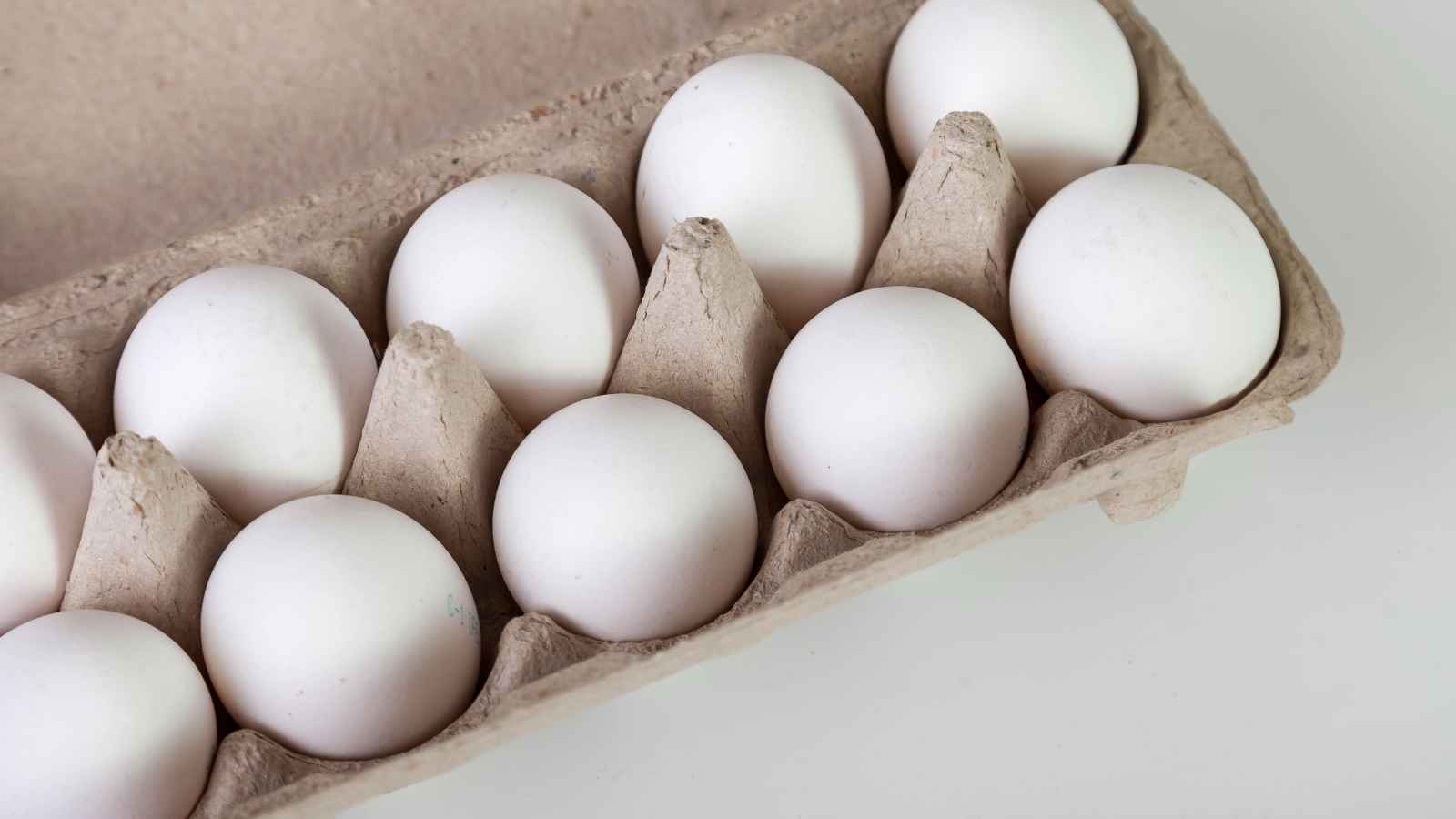
Finally, we have some genuinely good news for your morning breakfast routine. Retail egg prices were actually 39.2 percent lower in April 2026 compared to April 2025. A recovery from the devastating avian influenza outbreaks has allowed farmers to rebuild their laying flocks.
You can finally bake those birthday cakes and make Sunday omelets without cringing at the register. This massive price drop serves as a perfect example of how agricultural supply chains can heal over time. We are finally seeing egg cartons return to pricing levels that feel normal and affordable.
Beef Prices Remain Stubbornly High
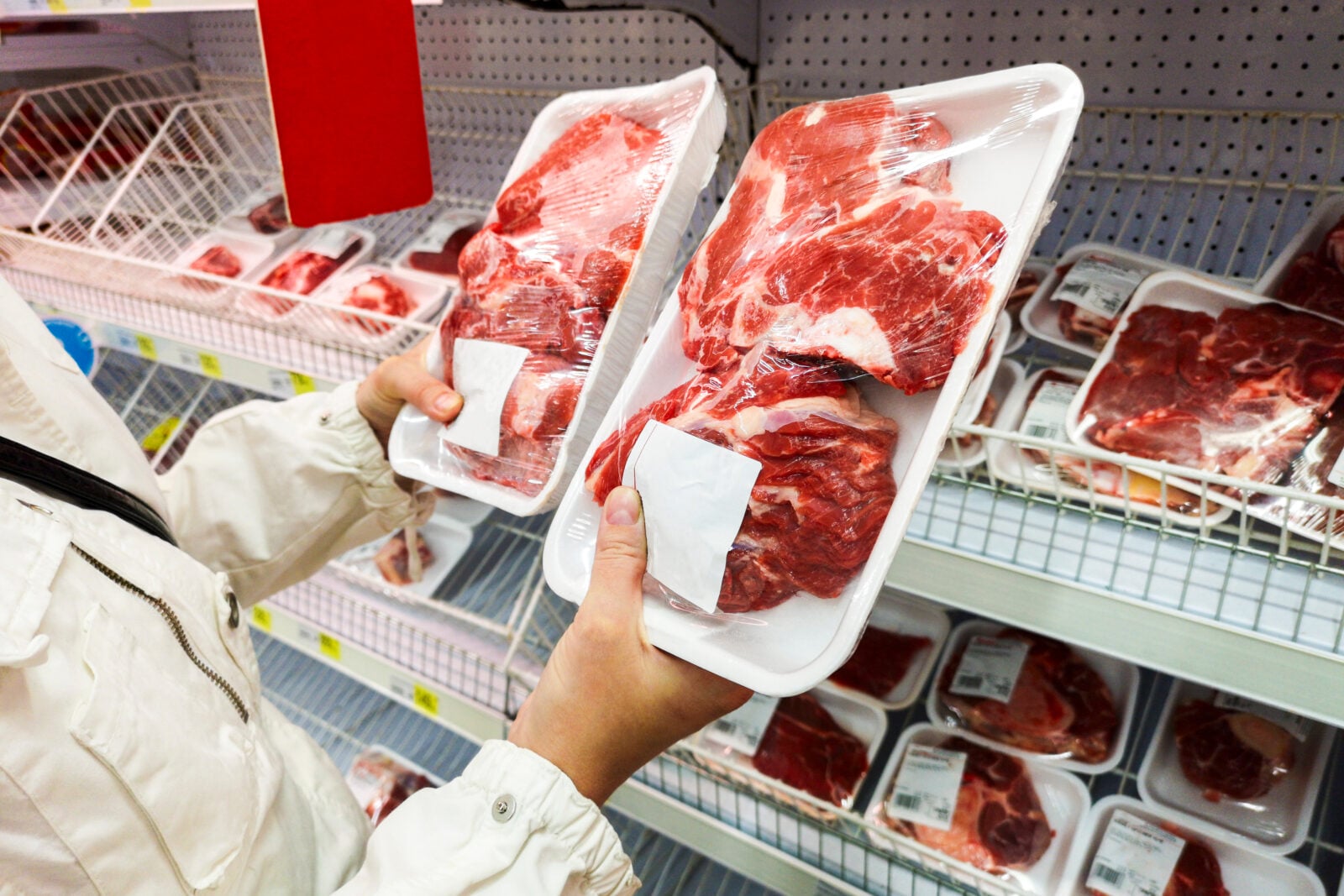
Grilling season might require a bigger budget if you plan to serve hamburgers and steaks. According to a recent USDA report, beef and veal prices were 14.8 percent higher in April 2026 than the previous year. The national cattle herd has been shrinking for a few years due to severe weather and drought conditions.
Ranchers simply do not have enough cattle to meet the steady consumer demand for red meat. This shortage forces supermarkets to charge premium rates at the butcher counter. You might want to consider swapping out that expensive ribeye for a more affordable protein alternative.
Fresh Vegetables See Double-Digit Hikes
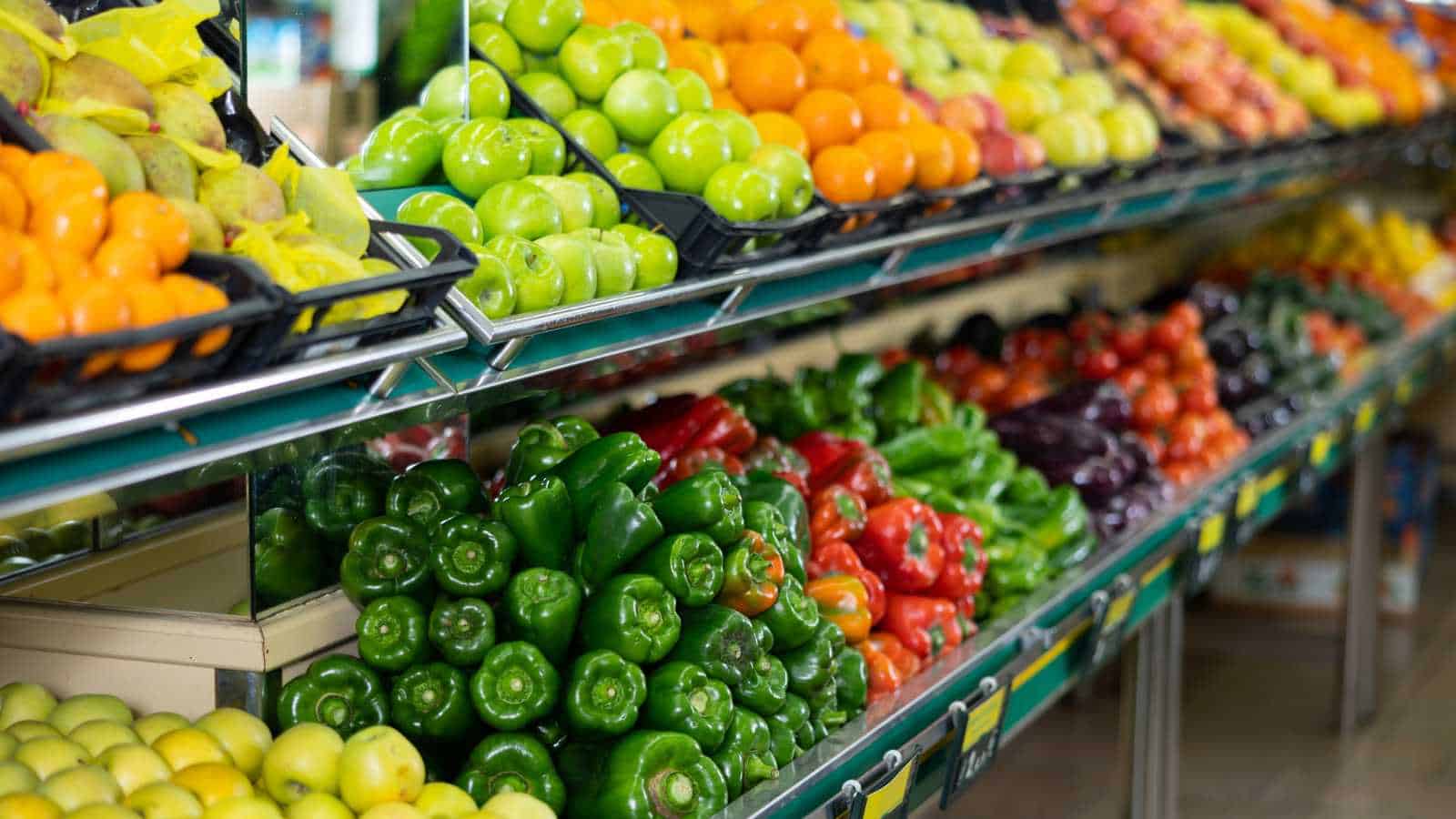
Eating a healthy salad is becoming a surprisingly expensive habit for the average American household. Government indexes indicate that fresh vegetable prices were 11.5 percent higher in April 2026 than a year prior. Certain items like fresh tomatoes have seen even more dramatic spikes due to seasonal harvest issues.
Farmers face higher costs for fertilizer and transportation, which inevitably trickles down to the produce aisle. Your local grocery store has to mark up those bell peppers and greens just to break even. Families are finding it increasingly difficult to afford fresh produce on a tight weekly budget.
Sugar And Sweets Keep Getting Pricier

Satisfying your sweet tooth requires a few extra dollars these days. Prices for sugar and sweets were 6.3 percent higher in April 2026 compared to the same time last year. Global sugar production challenges have directly impacted the cost of everything from candy bars to baking ingredients.
Chocolate lovers are particularly feeling the pain whenever they grab a treat at the checkout lane. Manufacturers shrink the size of candy bars while simultaneously raising the suggested retail price. This persistent inflation in the snack aisle makes indulging in a small treat less enjoyable.
Weather Conditions Impact The Food Supply

Mother Nature plays a massive role in determining what you pay at the supermarket register. Unpredictable weather patterns can easily wipe out an entire crop of citrus fruits or wheat. When droughts or floods hit major agricultural regions, the cost of raw ingredients skyrockets almost immediately.
Consumers rarely think about a distant drought when they grab a loaf of bread off the shelf. These climate disruptions create a ripple effect that touches nearly every aisle in the store. A bad harvest season guarantees that you will end up paying a premium for basic staples.
Transportation Costs Affect The Supermarket Aisle

Getting food from a rural farm to your urban neighborhood is an expensive logistical process. Trucking companies must factor in fuel prices and driver wages when setting their freight rates. These delivery expenses get quietly baked into the final price tag of every grocery item.
Supermarkets operate on razor-thin margins and cannot afford to absorb these shipping hikes. The store manager simply updates the shelf tags to reflect the higher delivery costs. Your final grocery bill always includes the hidden price of moving that food across the country.
Consumers Hunt For Bargains Every Week
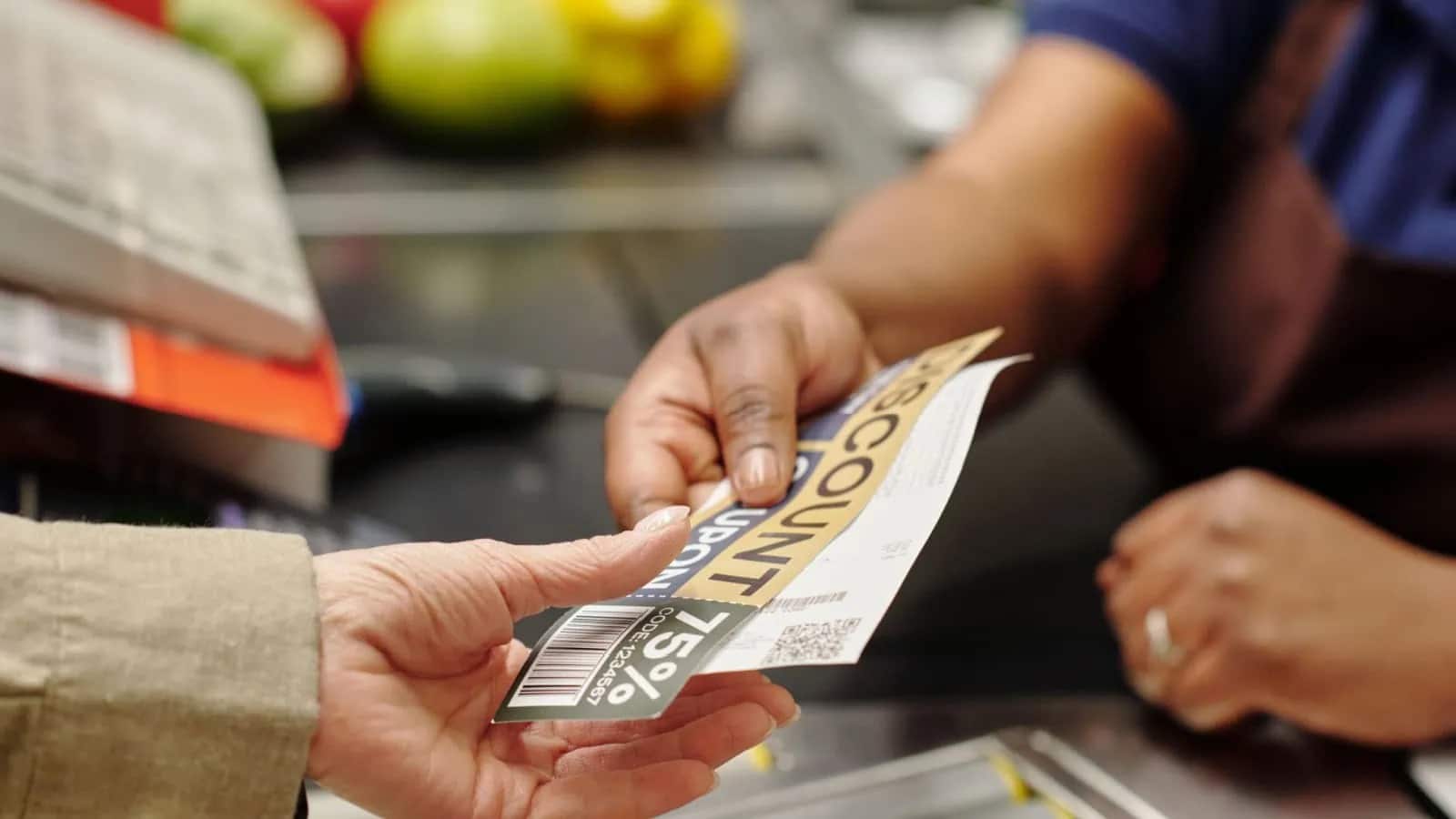
Shoppers are getting incredibly creative to stretch their paychecks as far as possible. Coupon clipping and loyalty programs are experiencing a massive revival among everyday Americans. Families are intentionally bypassing name-brand products in favor of cheaper generic store alternatives.
People are actively comparing weekly circulars to find the best deals on meat and produce. Sometimes it takes visiting three different stores just to check everything off the shopping list affordably. This exhausting routine proves that Americans are fighting hard to keep their household budgets intact.
The Disconnect Between Politics And Reality

Government officials love to tout economic progress and celebrate dropping inflation percentages. These broad macroeconomic numbers provide very little comfort to a mother trying to buy milk. A statistical deceleration in price growth does not magically reverse the massive increases from previous years.
The political narrative will always focus on the most optimistic interpretation of the data. Everyday citizens judge the economy based solely on the total at the bottom of their receipt. Until prices actually drop across the board, shoppers will continue to feel the heavy burden of inflation.
Like our content? Be sure to follow us