12 healthy foods that can be dangerous to overeat
We often stroll through the aisles of the local grocery store, thinking that filling our cart with superfoods is a foolproof plan for longevity. It is easy to assume that if a handful of spinach is great, then an entire bucket must be even better for us. However, Mother Nature has a funny way of reminding us that balance is the secret sauce to a long and vibrant life.
Nutrition research published in the EFSA Journal warns that even essential vitamins and minerals can cause harm when people regularly exceed safe amounts, which is why modern guidelines now include tolerable upper intake levels alongside daily recommendations. This research suggests that even the most virtuous dinner plate can turn into a biological burden if we are not careful.
Let us look at the staples that require a bit of moderation to keep our bodies humming along.
Liver

The liver is often called nature’s multivitamin because it is bursting with vitamins A and B12, as well as copper. It was a common part of the American diet decades ago and is making a comeback among the ancestral eating crowd. A small serving can provide enough nutrients to last you for an entire week or more.
Health authorities warn that regularly consuming very high doses of preformed vitamin A from supplements or large amounts of liver can eventually cause toxicity, leading to bone pain, headaches, and skin changes as the vitamin builds up in your liver. Treat it like a powerful supplement rather than a daily main course to stay safe.
Brazil Nuts

These creamy nuts are the undisputed kings of selenium, a mineral that helps our bodies stay in tip-top shape. Eating just one nut provides a massive dose of this essential nutrient, making them a true powerhouse in a very small package. They are perfect for a quick snack while you are planning your next summer travel adventure.
Analyses of their nutrient content show that a single Brazil nut can contain more than 100% of the recommended daily selenium intake, and a one-ounce serving may reach nearly 1,000%. Eating too much can lead to selenium toxicity, which might cause your hair to thin or your nails to become brittle. It is best to stick to just one or two a day to reap the rewards without the risks.
Spinach And Leafy Greens

Spinach is the leafy hero of many a morning green juice, packed with iron and vitamins that make us feel like a cartoon sailor. It is a staple in almost every healthy recipe found online today because of its incredible nutrient density. Most people assume they can pile it as high as a mountain on their lunch plate without any repercussions.
Health writers point out that spinach is rich in oxalates, and kidney stone data suggest that roughly one in ten people will develop a stone at some point, often influenced by how much oxalate they absorb.
These compounds can bind to calcium in the body, creating crystals that are a real nightmare to pass. While it is great for your heart, alternating your greens is a smart move for your urinary tract as well.
Tuna and Large Fish

A nice tuna steak feels like a luxury meal, offering plenty of lean protein and heart-healthy fats that support brain health. Many fitness enthusiasts rely on canned tuna as a quick and cheap way to hit their daily macro goals without much fuss. It is a go-to option when you are trying to keep a tight handle on your monthly spending.
Mercury testing shows that bigeye tuna can average around 0.689 parts per million of mercury in its flesh, which is higher than many other commonly eaten fish. High levels of this heavy metal can interfere with your nervous system and cause vision or hearing issues over time. Experts suggest limiting high mercury fish to once a week to keep your toxic load low and manageable.
Cinnamon

Adding a dash of cinnamon to your oatmeal feels like a cozy way to boost your metabolism and manage blood sugar. Many people love the spicy kick it brings to their favorite autumn treats or morning coffee routines. It is a spice that has been used for centuries to support overall wellness and flavor in the kitchen.
Food safety authorities in Europe have set a tolerable daily intake of about 0.1 milligrams of coumarin per kilogram of body weight because high, long-term intakes from Cassia cinnamon can stress the liver.
Most store-bought cinnamon is the Cassia variety, which is much higher in this compound than the pricier Ceylon version. A light dusting is fine, but drinking it by the spoonful is a recipe for internal trouble.
Water

It sounds like a joke, but you can actually drink too much of the most essential liquid on the planet. Hydration is usually the golden rule of wellness, especially when you are spending a hot day at the sunny beach. Most of us are constantly reminded to carry a bottle and keep sipping throughout the day to stay sharp.
Case reports of endurance athletes show that drinking far beyond thirst during long events can lead to dangerous water intoxication when blood sodium becomes too diluted. This condition, called hyponatremia, can cause brain swelling and, in extreme cases, can be fatal if the balance is not restored quickly. Listen to your thirst and your body’s signals instead of forcing gallons out of a sense of duty.
Red Beets
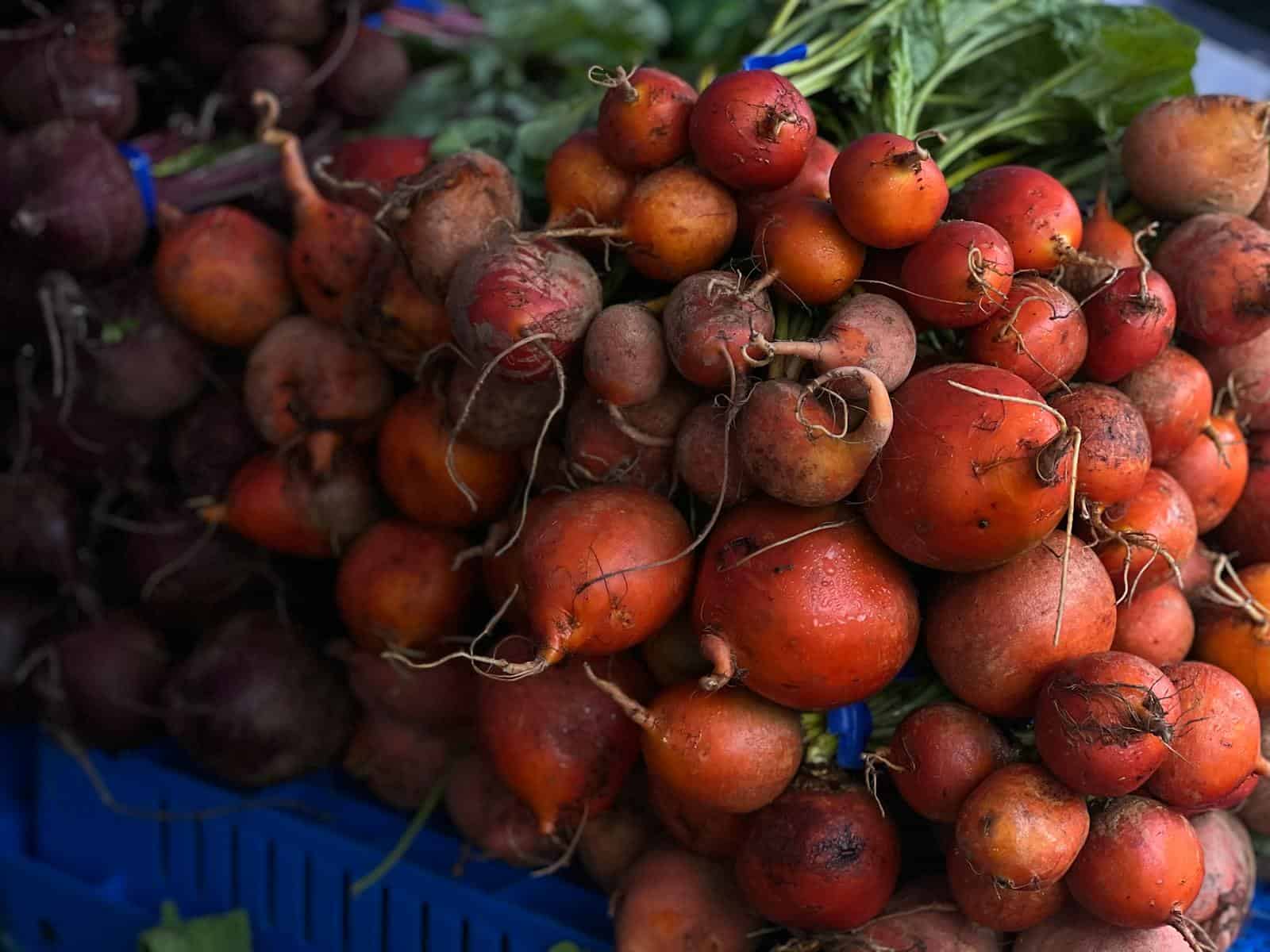
Beets are famous for their deep purple color and their ability to help lower blood pressure during a long day. They are often turned into powders or juices for athletes seeking a natural edge during training sessions. Many people find them a delicious, earthy addition to a roasted vegetable medley or a fresh salad.
Like spinach, beets are high in oxalates, and researchers note that people who are prone to kidney stones often absorb more dietary oxalate than those who never form stones. They can also cause a harmless but startling condition where your urine turns pink or red after a heavy meal. Moderation ensures you get the nitric oxide benefits without the unwanted mineral buildup in your system.
Nutmeg
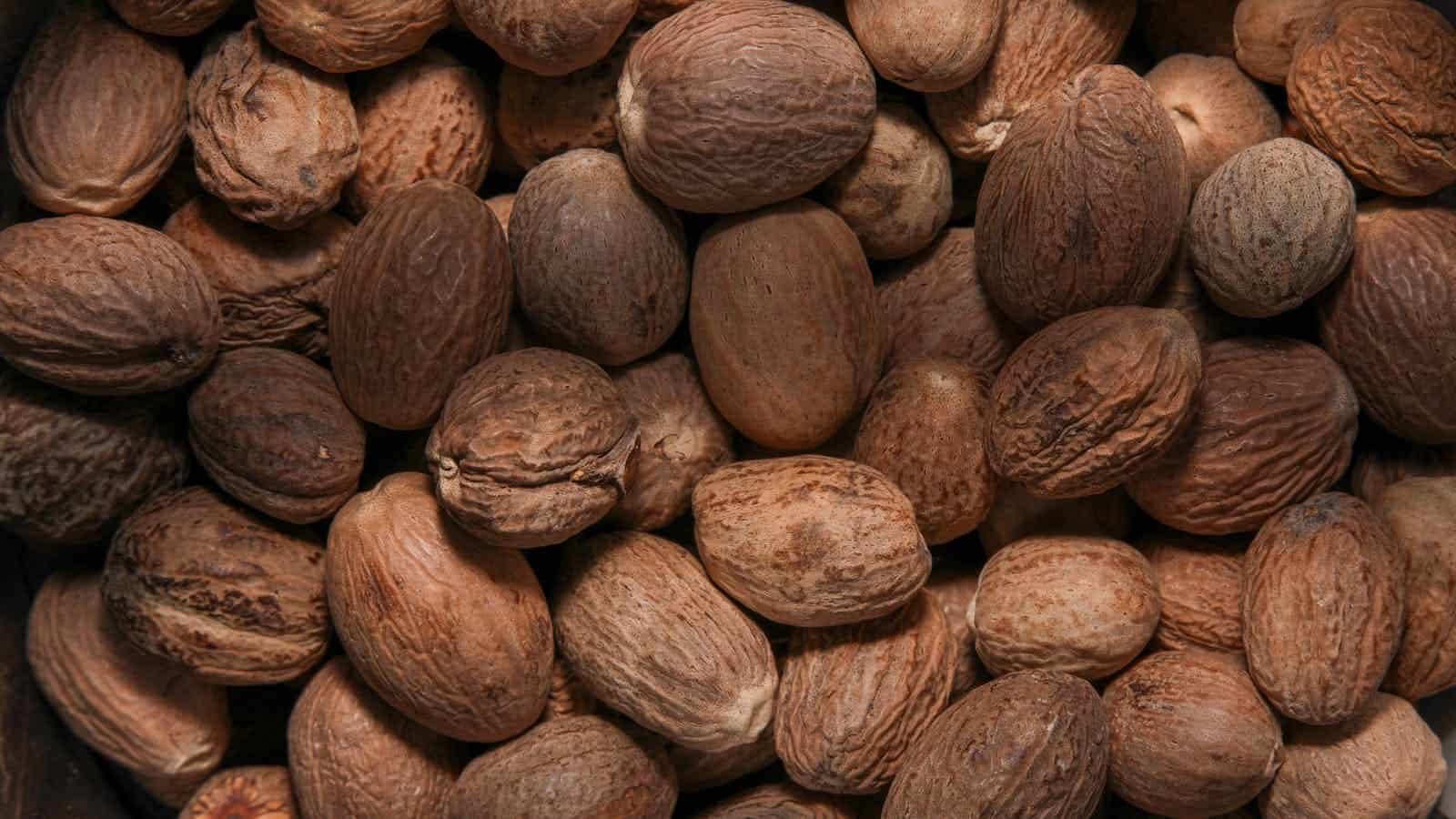
Nutmeg is the secret ingredient in many baked goods, offering a warm and nutty aroma that feels like home. A tiny pinch is usually all you need to transform a bland dish into something truly special and memorable. It is a staple in the spice rack of anyone who takes their seasonal baking seriously and with pride.
Toxicology reports describe rare but serious cases of nutmeg poisoning, where several teaspoons or more led to hallucinations, rapid heartbeat, and severe nausea from the compound myristicin. These symptoms can last for many hours and feel far from festive if you go overboard. It is a powerful reminder that even the humblest spice requires a respectful hand when seasoning.
Seaweed And Kelp

Seaweed is a salty and crunchy snack that provides a rare natural source of iodine for thyroid health. It has become a popular alternative to potato chips for those looking for a low-calorie way to satisfy a craving. Many cultures have successfully used it as a primary source of nutrition and minerals for thousands of years.
However, scientific reviews note that regularly eating very iodine-rich seaweeds, especially kelp, can push iodine intake above safe levels and trigger thyroid dysfunction in susceptible people. As experts often say, the dose makes the poison, and even essential minerals can backfire if you go overboard.
Soy Products

Tofu and soy milk are excellent plant-based proteins that have helped millions reduce their red meat intake. They are versatile and soak up flavors like a sponge, making them a favorite for creative cooks everywhere. Many people rely on them as a primary source of nutrients in a vegetarian or vegan lifestyle.
Soy isoflavones from food generally produce only mild estrogen‑like effects, and typical intakes do not show great hormonal changes in most adults. While moderate intake is widely considered beneficial, relying solely on soy for every meal might not be the best long-term strategy. Diversifying your protein sources keeps your nutritional orchestra playing in balance.
Cruciferous Vegetables
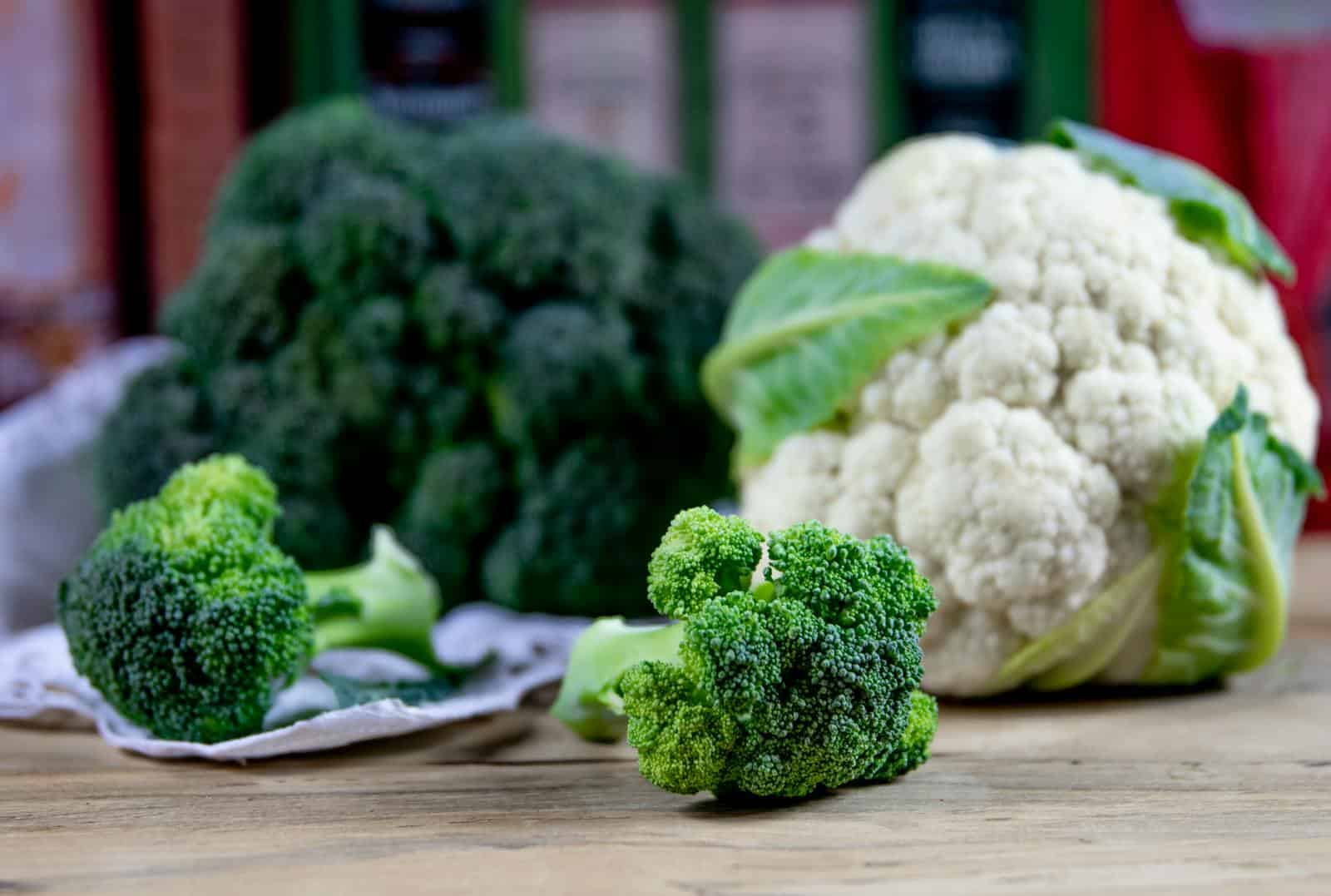
Broccoli and cabbage are famous for their cancer-fighting properties and their high fiber content that keeps us full. They are the backbone of many healthy lifestyles because they provide a lot of volume for very few calories. Most people believe that you simply cannot eat too much of these crunchy and green garden delights.
These veggies contain compounds called goitrogens, which can interfere with iodine use in the thyroid when eaten in massive amounts, especially in people who already have low iodine intake. Cooking these vegetables usually reduces those compounds, so raw enthusiasts should be the ones to watch their levels most closely.
Lemons And Acidic Fruits

Squeezing a lemon into your water every morning is a classic wellness habit that is said to aid digestion. It provides a bright burst of vitamin C that can help your immune system stay strong during the colder months. Many people love the refreshing zing it adds to their drinks and meals throughout the day.
Dentists point out that frequent exposure to acidic drinks and fruits can slowly erode tooth enamel, and once that protective layer is worn down, it does not grow back, leaving teeth more sensitive and more prone to cavities. Drinking acidic beverages through a straw and giving your mouth breaks between sips can help protect your pearly whites.
Key Takeaway

Living a healthy life is less about finding a magic bullet and more about practicing the art of moderation in all things. Even the most celebrated superfoods have a threshold at which their benefits begin to fade, and their risks start to climb.
By varying your diet and listening to your body, you can enjoy all the nutrients nature has to offer without tipping the scales too far. Remember that variety is not just the spice of life; it is a fundamental pillar of nutritional safety and long-term wellness. Keep your curiosity high and your portions sensible as you navigate the world of food.
Disclaimer – This list is solely the author’s opinion based on research and publicly available information. It is not intended to be professional advice.
Like our content? Be sure to follow us