13 foods that may help keep your arteries clear
Health experts say diet plays a major role in protecting cardiovascular health and reducing the risk of chronic disease.
Maintaining a clear path for your blood to flow is one of the most important things you can do for your longevity. Many of us worry about our external appearance, but the pipes inside our bodies deserve just as much attention as the paint on our cars. Eating the right things can act like a gentle scrub for your system, keeping everything moving smoothly without a hitch.
Nearly half of the deaths from heart‑related and metabolic diseases in the United States are linked to poor eating habits, according to research by NIH’s National Heart, Lung, and Blood Institute (NHLBI). This shows why your daily food choices are such a powerful way to protect your long-term health. By making small changes to your plate, you can support your circulatory system and feel much more energetic.
Chia Seeds
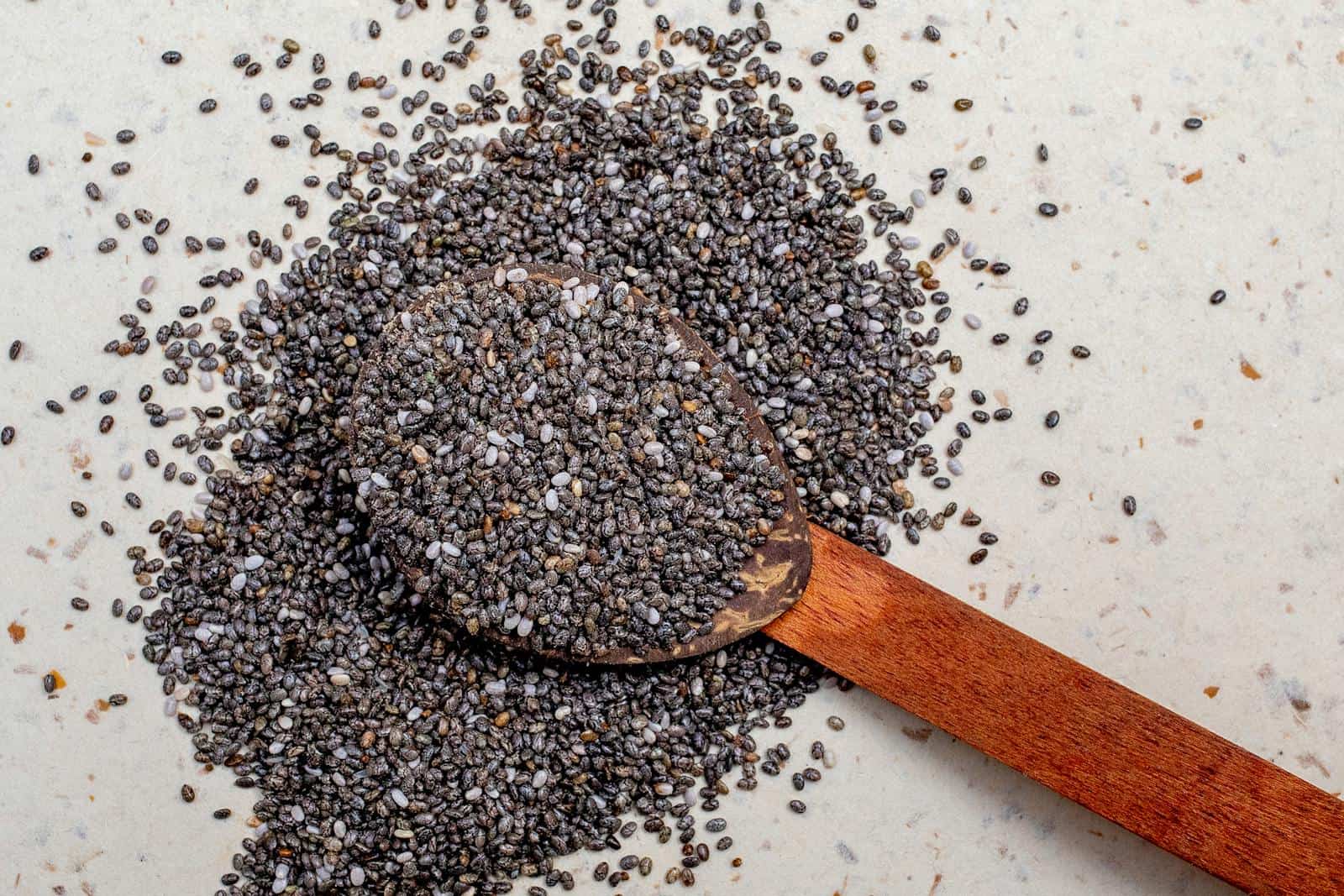
These tiny seeds are a fantastic source of plant-based omega-3s and an incredible amount of fiber for their size. When they hit water, they form a gel that helps regulate the absorption of fats and sugars into your bloodstream. They are an easy addition to any snack and provide strong support for your heart and blood vessels.
Adding chia seeds to yogurt, smoothies, or oatmeal can increase your daily fiber intake, which supports healthier cholesterol and blood sugar levels over time. They are a true superfood that requires almost no preparation to enjoy in your daily life. It is the ultimate convenience food for someone who wants to stay healthy on a very busy schedule.
Fatty Fish
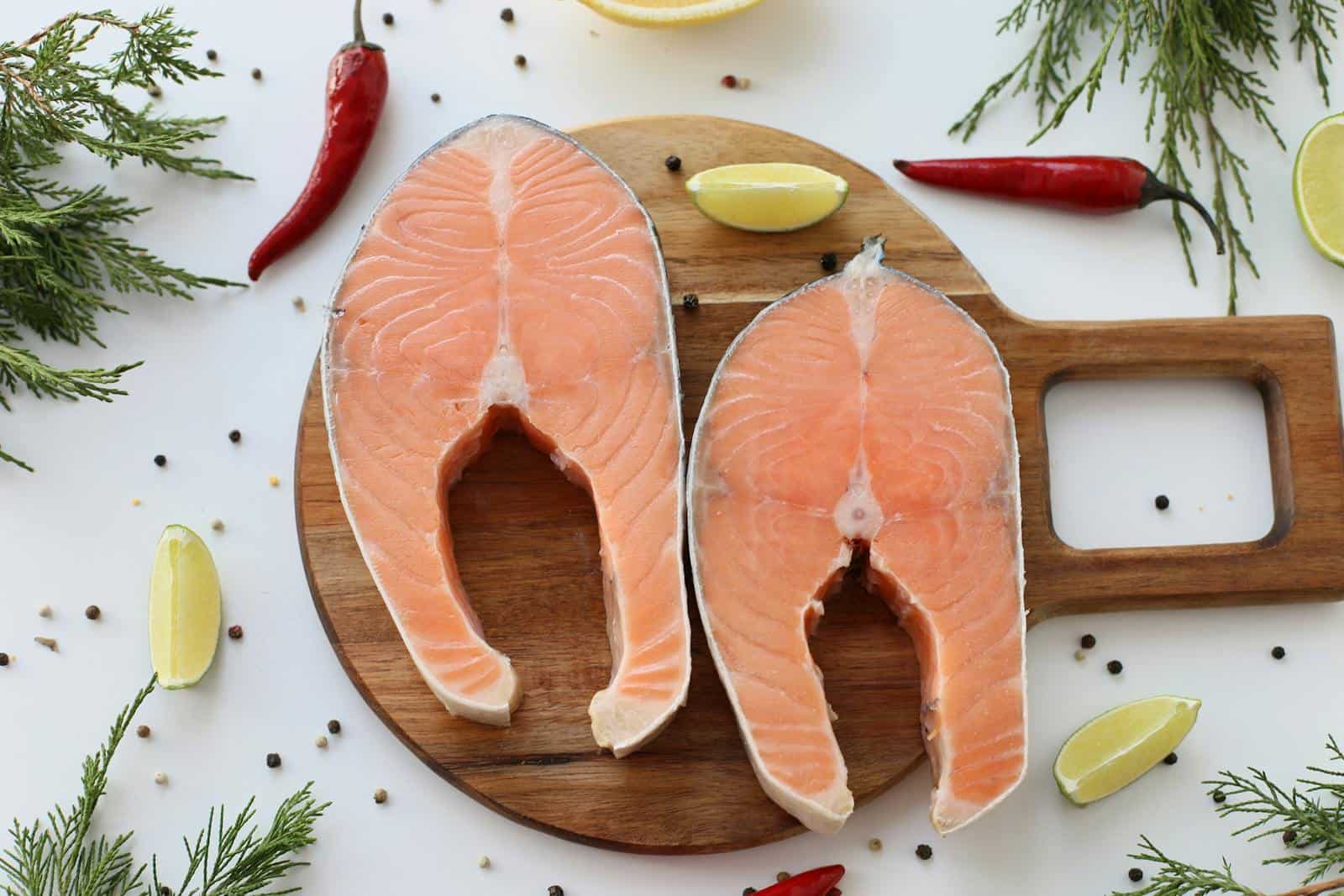
Salmon and mackerel are like high-quality oil for an engine, providing essential omega-3 fatty acids that reduce inflammation. These healthy fats help prevent the buildup of plaque that can lead to stiff or clogged passages over time. Adding a serving of fish to your weekly routine is a delicious way to show your cardiovascular system some extra love.
Experts explain that omega-3 fats from fish help lower triglycerides, slow plaque buildup in arteries, and modestly reduce blood pressure. Choosing grilled or baked fish instead of fried options gives you all the benefits without the extra load of unhealthy fats. It is much easier to enjoy a piece of salmon now than to face a major procedure later.
Leafy Greens
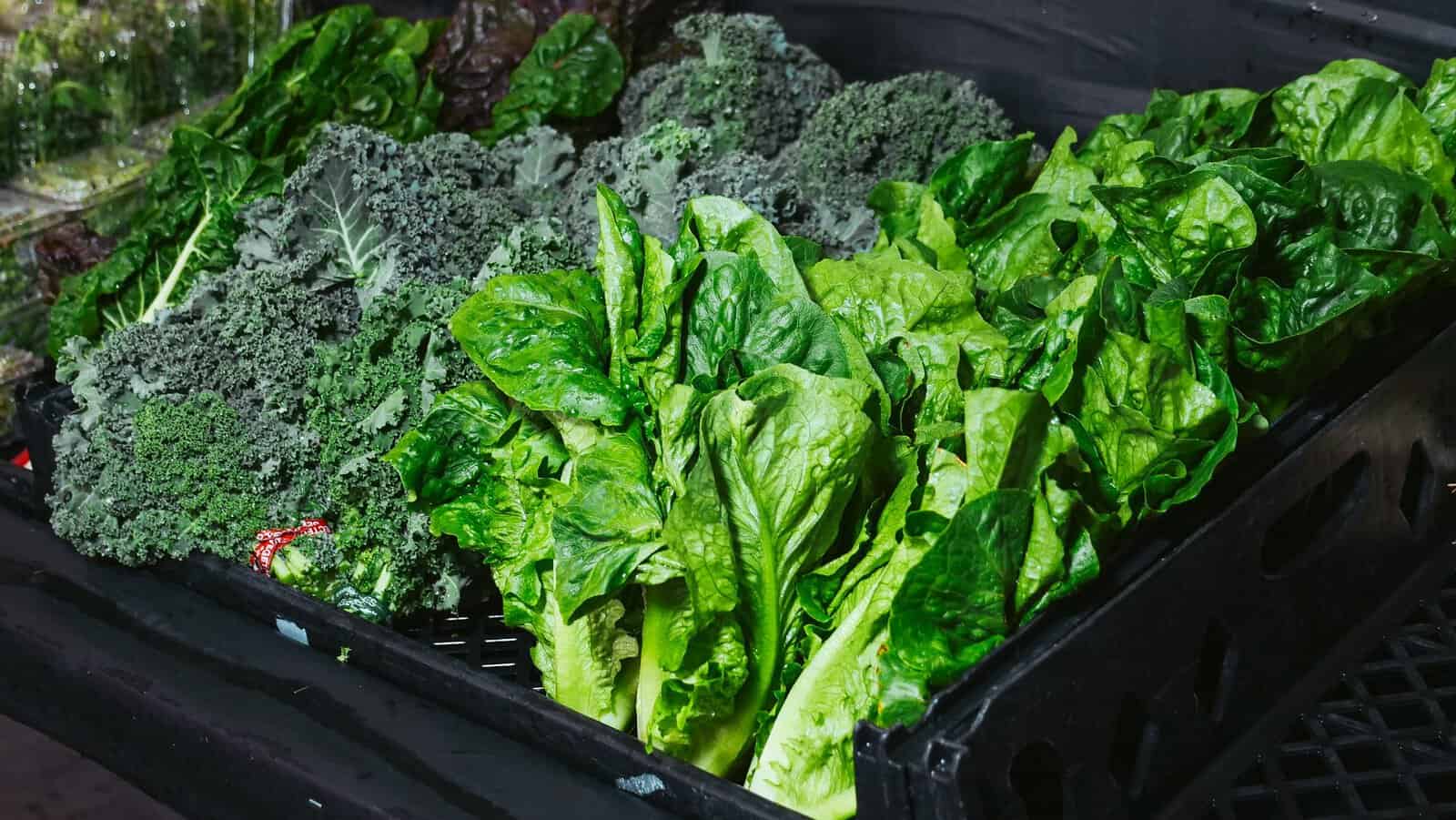
Spinach and kale are rich in nitrates that help dilate your blood vessels, improving blood flow and lowering blood pressure. These greens act as a natural signal for relaxation in your arteries, allowing blood to flow with less effort. They are also rich in vitamin K, which helps prevent calcium from building up in your delicate tissues.
A long-term study found that people who ate about one cup of nitrate-rich leafy greens daily had lower blood pressure and up to a 26% lower risk of heart disease. You can easily toss a handful into a smoothie or a soup without changing the flavor too much. It is a low-calorie way to pack a huge nutritional punch into your afternoon meal.
Berries

Strawberries and blueberries are tiny powerhouses of antioxidants called flavonoids that protect your internal linings from damage. These colorful fruits help keep your blood flowing freely by reducing oxidative stress that can lead to blockages. They are nature’s candy, offering a sweet treat that actually works to keep your system in top shape.
Research has shown that berries are rich in polyphenols like anthocyanins and that regular berry intake can improve cholesterol levels, blood pressure, and other cardiovascular risk markers. Keeping a bag of frozen berries in your freezer makes it easy to add them to your morning breakfast or snacks. It is a small investment in your future that tastes absolutely great every single morning.
Oats

Starting your day with a bowl of oatmeal provides a specific type of soluble fiber that binds to cholesterol and helps remove it from your body. This process prevents bad fats from entering your bloodstream and sticking to the walls of your arteries like wet cement. It is a hearty, filling way to stay satisfied while keeping your internal pipes clear.
Heart-healthy diet reviews note that diets rich in whole grains and soluble fiber, such as oats, are linked with lower LDL cholesterol and reduced risk of heart disease. This modest reduction, repeated day after day, can make a real difference in your long-term cardiovascular wellness. Plus, oats are incredibly versatile and can be prepared in dozens of different ways to keep things interesting.
Avocados

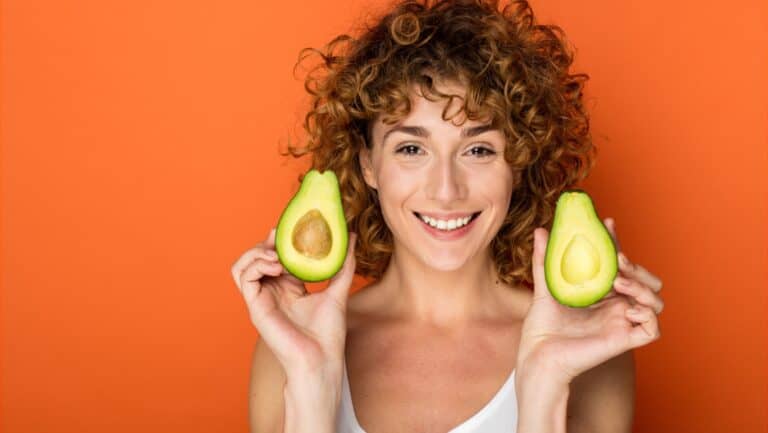
These creamy fruits are famous for their monounsaturated fats, which help lower the bad cholesterol levels that clog your system. They also provide a good dose of potassium, which is essential for maintaining a steady and healthy heart rhythm. Adding a few slices to your toast is a great way to improve your fat profile without using butter.
Studies suggest that replacing foods high in saturated fat with avocado can improve LDL cholesterol and overall heart risk profiles. Making this simple swap in your sandwiches and salads is a smart move that supports your arteries without feeling like a strict diet. Your heart gets a better kind of fuel while your taste buds still feel spoiled.
Walnuts
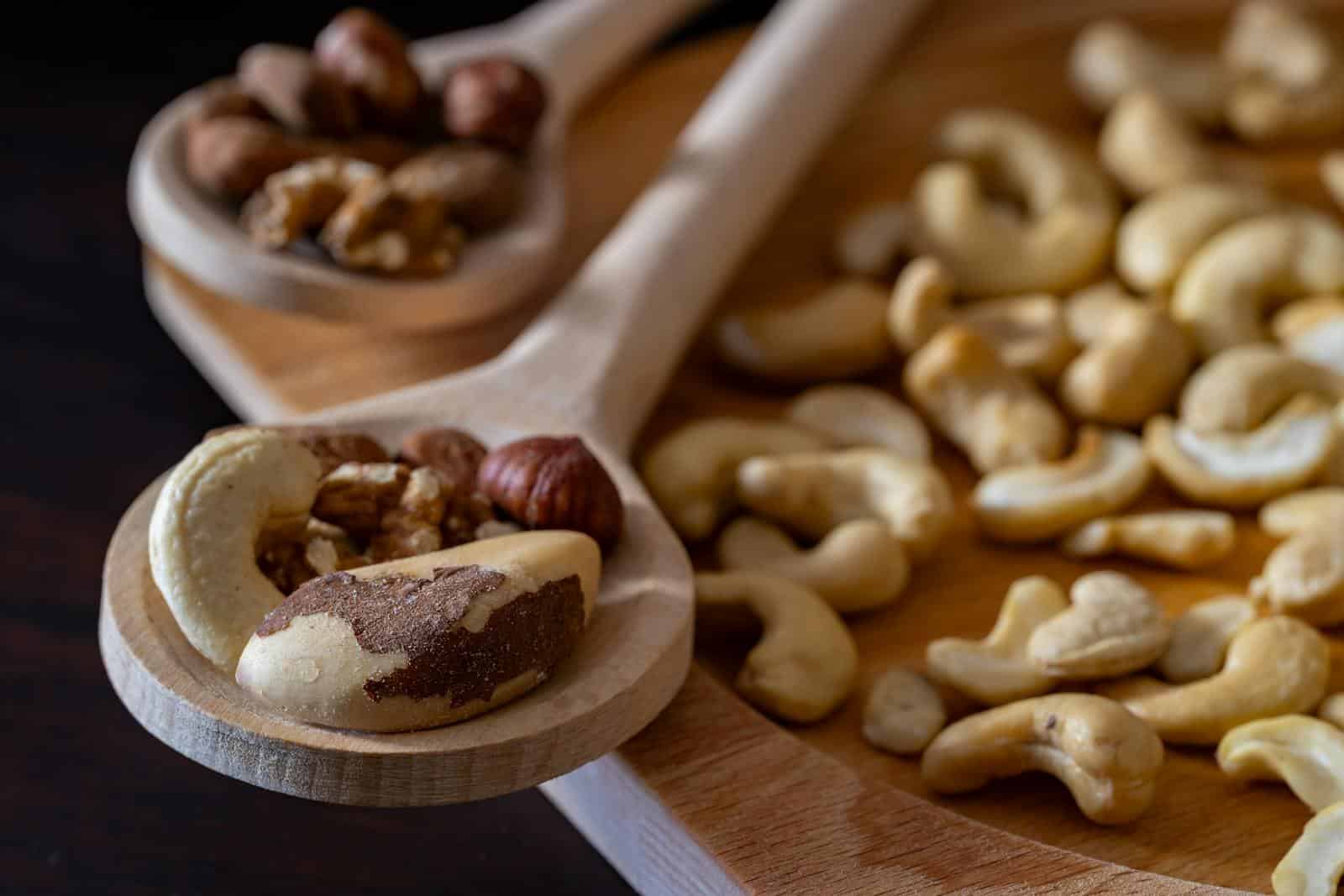
Nuts are a fantastic source of plant-based protein and healthy fats that support the strength of your arterial walls. Walnuts contain alpha-linolenic acid, which helps reduce inflammation that often precedes the formation of dangerous plaque. A small handful is enough to provide the nutrients your body needs to stay resilient against daily stress.
Large studies have linked regular nut consumption, including walnuts, with lower rates of cardiovascular disease and healthier cholesterol levels. They are a perfect snack to keep in your car or at your desk for those moments when hunger strikes. Choosing nuts over processed snacks is a smart move for anyone looking to stay fit and active as they plan for retirement.
Olive Oil

A staple of the Mediterranean diet, extra-virgin olive oil is rich in polyphenols that help protect your blood vessels from aging. Using it as your primary cooking fat helps keep your arteries flexible and less likely to stiffen, which is associated with poor health. It is like a liquid shield that guards your circulatory system from the inside out.
Heart diet research shows that people who follow Mediterranean-style eating patterns that emphasize olive oil tend to have fewer heart attacks and strokes. Drizzling it over your salad or vegetables adds rich flavor and heart-protective benefits. It is one of the most studied and praised fats in the world for a very good reason.
Garlic

This pungent bulb has been used for centuries as a natural remedy to improve circulation and reduce blood clotting. Garlic contains a compound called allicin, which helps relax the smooth muscle in your blood vessels, allowing blood to flow more easily. It is a powerful seasoning that does much of the heavy lifting for your cardiovascular health.
Clinical trials have found that garlic supplements can modestly lower blood pressure in people with hypertension. You do not need to eat it raw to get the benefits; adding it generously to your favorite recipes works perfectly. It makes every meal taste better while giving your body a natural boost of strength and vitality.
Turmeric
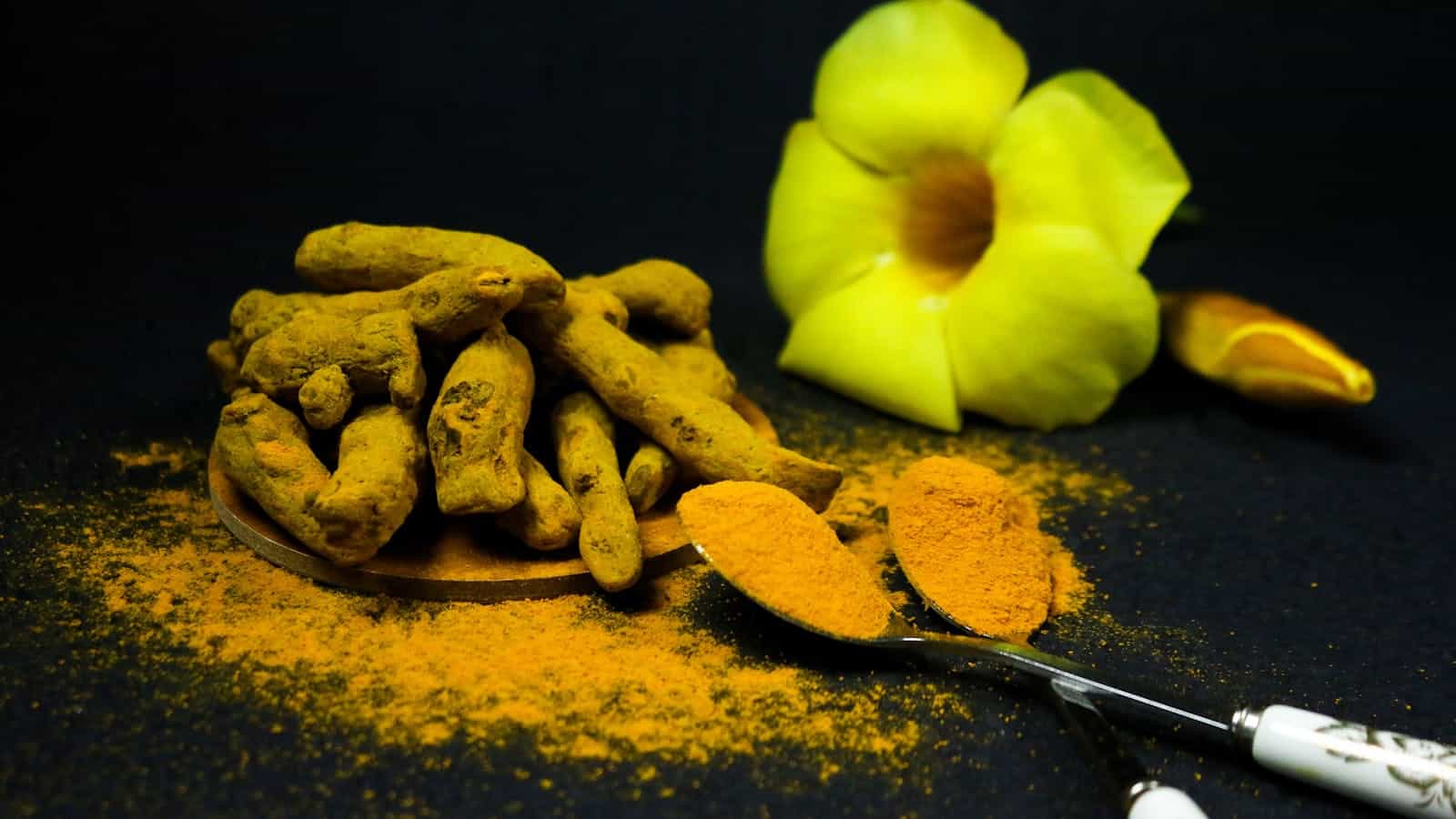
The bright yellow spice found in curry contains curcumin, a powerful anti-inflammatory. By reducing swelling and damage within your arteries, turmeric helps prevent the initial triggers of plaque formation. It is an easy way to add a bit of exotic flair and a lot of protection to your daily meals.
Curcumin can improve endothelial function, which is how well the inner lining of your blood vessels helps control blood flow and pressure. This improvement helps your body regulate blood pressure and clotting much more effectively than it could on its own. A little bit of this golden spice goes a long way in keeping your internal systems running smoothly.
Beans And Legumes
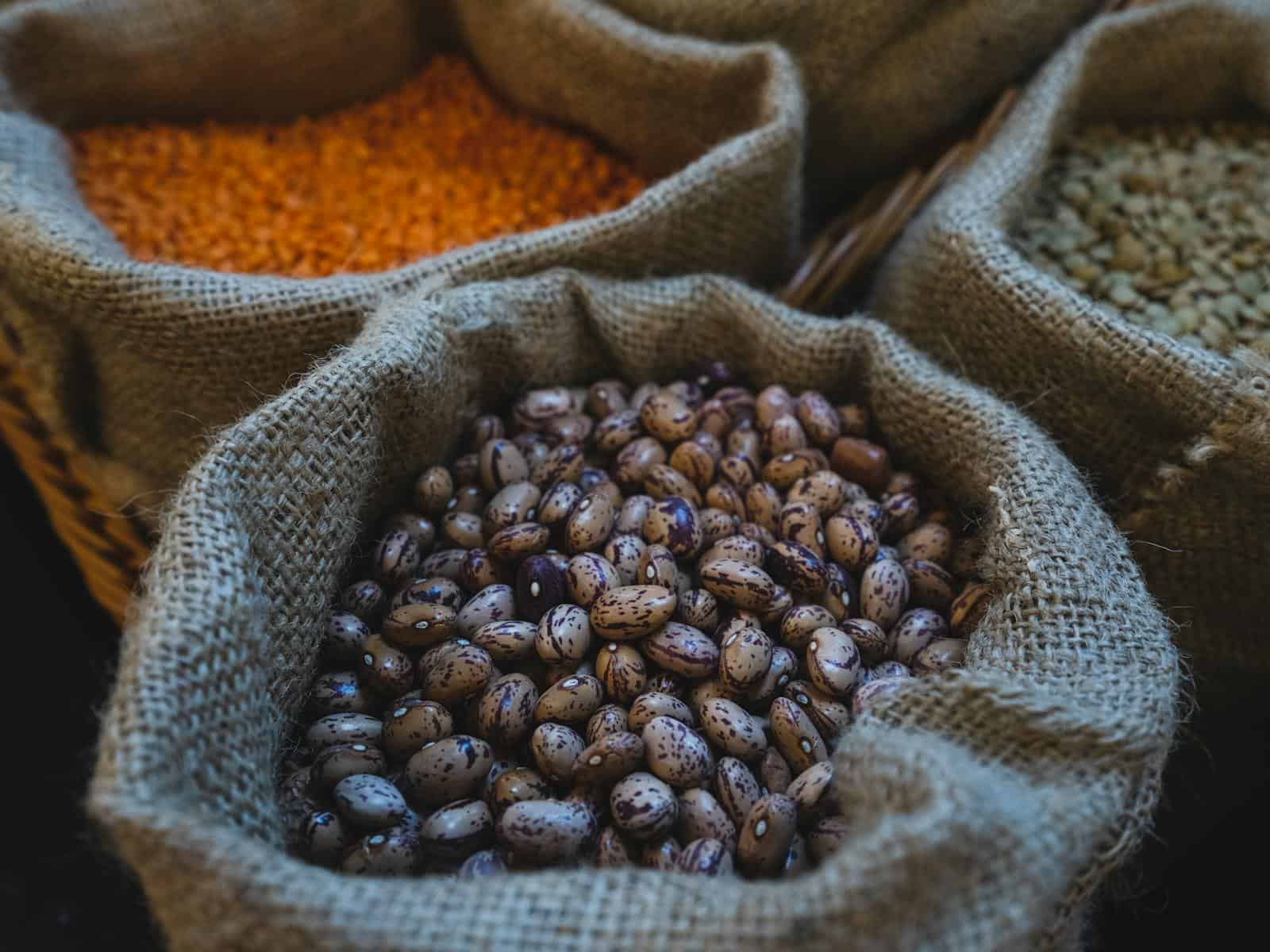
Lentils and chickpeas are loaded with fiber and plant protein, making them an excellent choice for keeping your arteries clear. They help stabilize blood sugar and lower cholesterol levels, which can lead to long-term damage to your circulatory system. They are also very friendly on your personal budget since they are quite affordable at most shops.
Nutrition studies have shown that eating a daily serving of beans or lentils can reduce LDL cholesterol and modestly lower the risk of heart disease. This small change can have a cumulative effect over several years, leading to a much healthier heart as you age. They are incredibly filling, which helps you avoid the temptation to reach for less healthy processed options during the day.
Asparagus

This green vegetable is a natural diuretic and a great source of fiber, helping clear your system. It works to prevent the hardening of arteries by assisting the body in removing excess salt and fluid that can strain the heart. It is a sophisticated addition to any dinner, offering a unique set of nutrients for your vascular health.
Asparagus is also high in folate, which helps break down homocysteine, an amino acid linked to heart disease and stroke. Keeping these levels in check is vital to staying out of the doctor’s office and on the move. It is a delicious way to keep your blood chemistry balanced and safe throughout the year.
Pomegranates
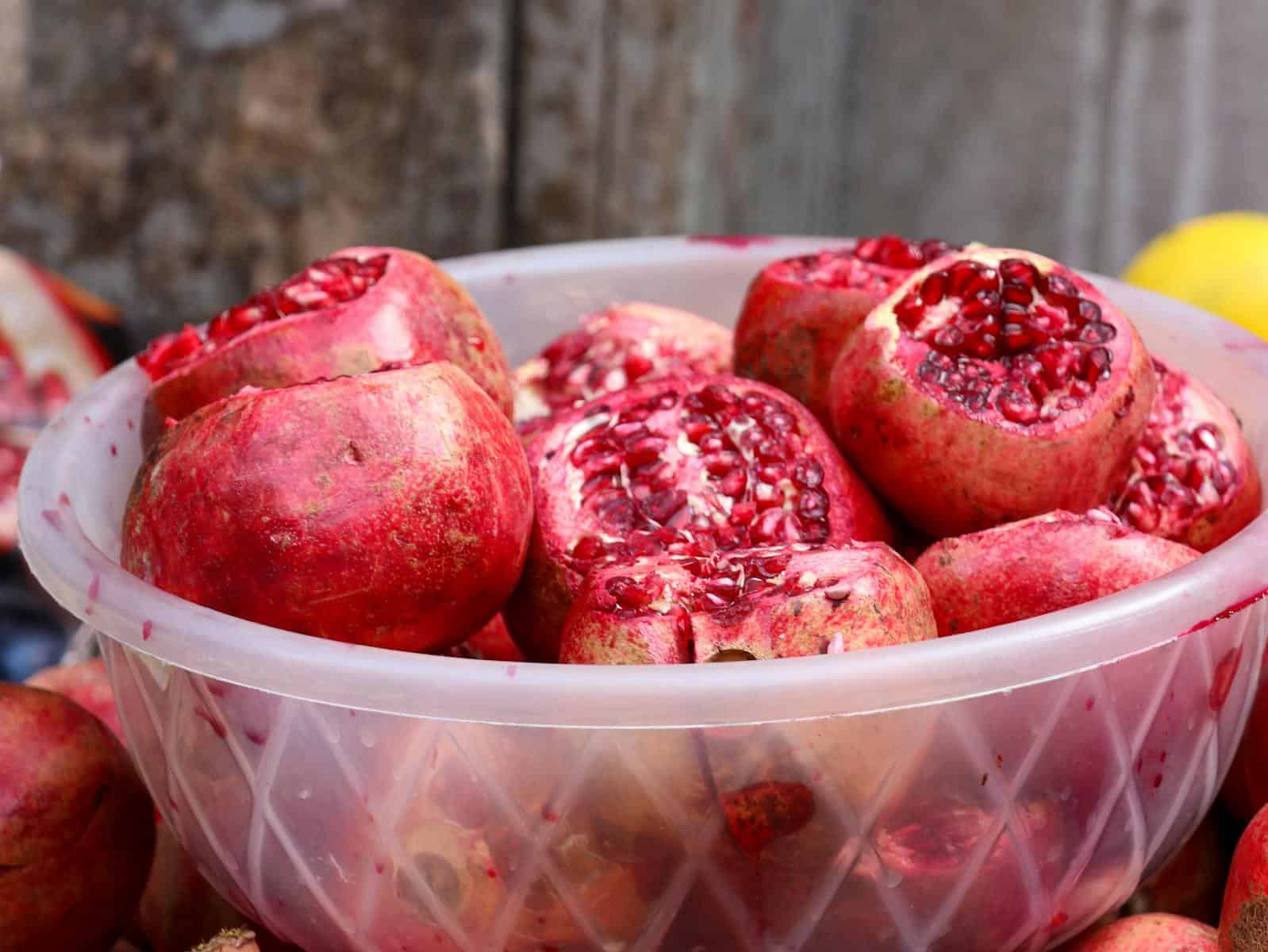
The seeds of this vibrant fruit are rich in unique antioxidants that may help slow plaque buildup. Pomegranate juice can help increase blood flow and keep your arteries from becoming thick and stiff over time. It is a refreshing and potent drink that acts as a deep cleaner for your entire circulatory system.
Some human studies suggest that regular consumption of pomegranate juice can improve markers of arterial health and reduce oxidative stress. This is an impressive result for a simple fruit juice that you can find at almost any local shop. It is a sweet way to take control of your internal environment and protect your future self.
Key Takeaway

Keeping your arteries clear is not about a single miracle ingredient, but rather a consistent pattern of choosing the right foods. By filling your plate with these healthy meals, you create a protective environment for your heart.
These choices help lower inflammation, reduce cholesterol, and keep your blood vessels flexible enough to handle the stresses of life. It is never too late to start making these small shifts that lead to big improvements in your overall vitality.
Disclaimer – This list is solely the author’s opinion based on research and publicly available information. It is not intended to be professional advice.
Like our content? Be sure to follow us