12 foods that went from cheap and unpopular to restaurant delicacies
Food historians have documented numerous examples of ingredients once considered inexpensive or undesirable becoming culinary favorites. In the 19th century, lobster was so abundant in the northeastern United States that it was commonly fed to prisoners, apprentices, and farm workers. Oxtail, beef tongue, and other inexpensive cuts were staples in working-class kitchens because they cost far less than prime cuts of meat.
Today, many of these same foods command premium prices in restaurants, driven by changing tastes, skilled preparation, and growing demand for traditional and nose-to-tail cuisine. Here are 12 foods that made the remarkable journey from budget staples to sought-after delicacies.
Sweetbreads
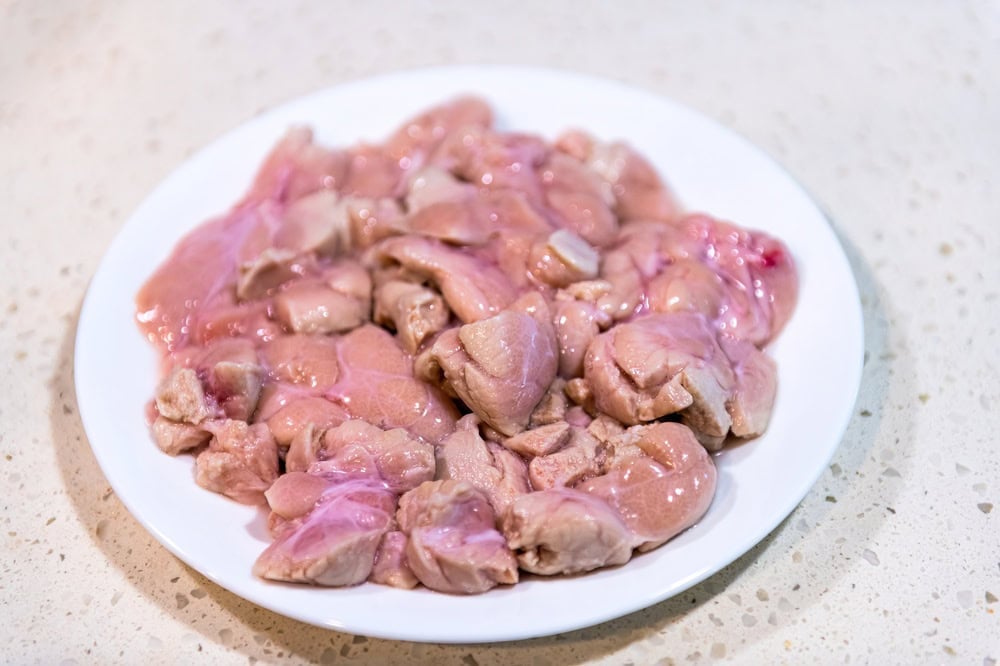
Organ meats were traditionally reserved for households that needed to utilize every single part of a slaughtered animal to survive. The thymus and pancreas glands of calves were viewed with deep suspicion by mainstream shoppers who preferred familiar steaks. They were cheap, highly perishable, and required extensive preparation to make them palatable.
Innovative chefs eventually unlocked the secret to preparing these delicate morsels by soaking, pressing, and frying them until golden brown. They are celebrated on high-end tasting menus for their incredibly rich, velvety texture and mild flavor profile. It turns out that a little culinary creativity can transform an unpopular organ into a highly sought-after delicacy.
Lobster

Back in colonial New England, these armored crustaceans were so ridiculously abundant that they would wash ashore in massive piles after heavy storms. Settlers viewed them as complete trash and fed them exclusively to prisoners, indentured servants, and farm animals. In fact, serving them to guests was considered an embarrassing sign of true poverty.
The picture today is completely different. Preliminary 2024 figures from the Maine Department of Marine Resources show that Maine’s commercial harvesters earned over 528 million dollars from lobster alone, making it the state’s single most valuable fishery. That huge price tag shows how dramatically this former “poverty food” has climbed the social and economic ladder.
Chicken Wings
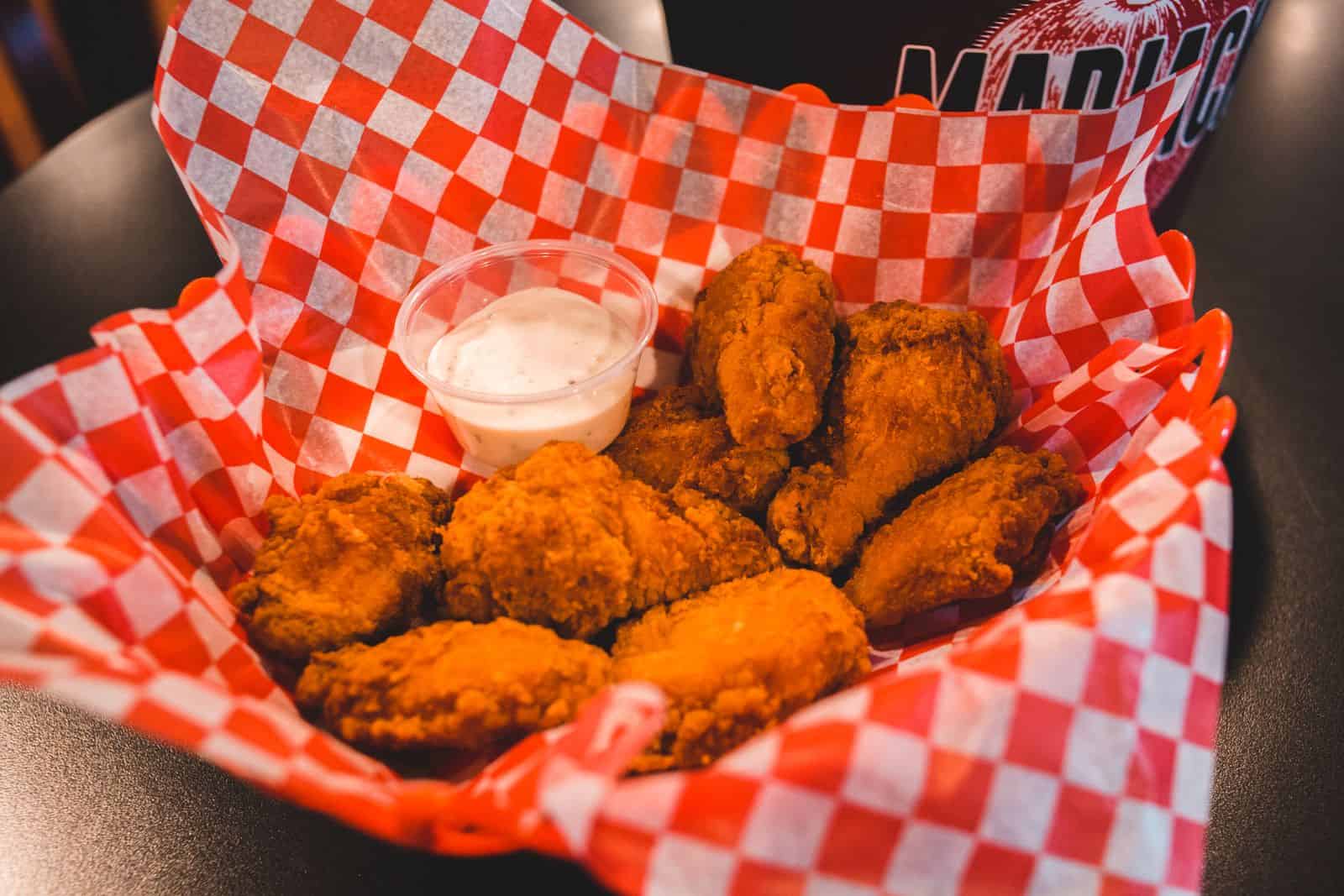
There was a time when the humblest parts of the bird were viewed as completely useless by butchers and home cooks alike. They were regularly discarded or reduced to standard stocks because nobody wanted to bother picking the meat off the bone. They were considered a cheap byproduct of the far more desirable breast cuts.
Everything changed in the 1960s when one bar in Buffalo turned leftovers into a legend. The Anchor Bar’s own history credits owner Teressa Bellissimo with frying wings and tossing them in hot sauce in 1964, a move that transformed a scrap part into one of the most profitable pub foods in America. Today, sports fans hand over serious cash for baskets that used to be nearly free.
Polenta
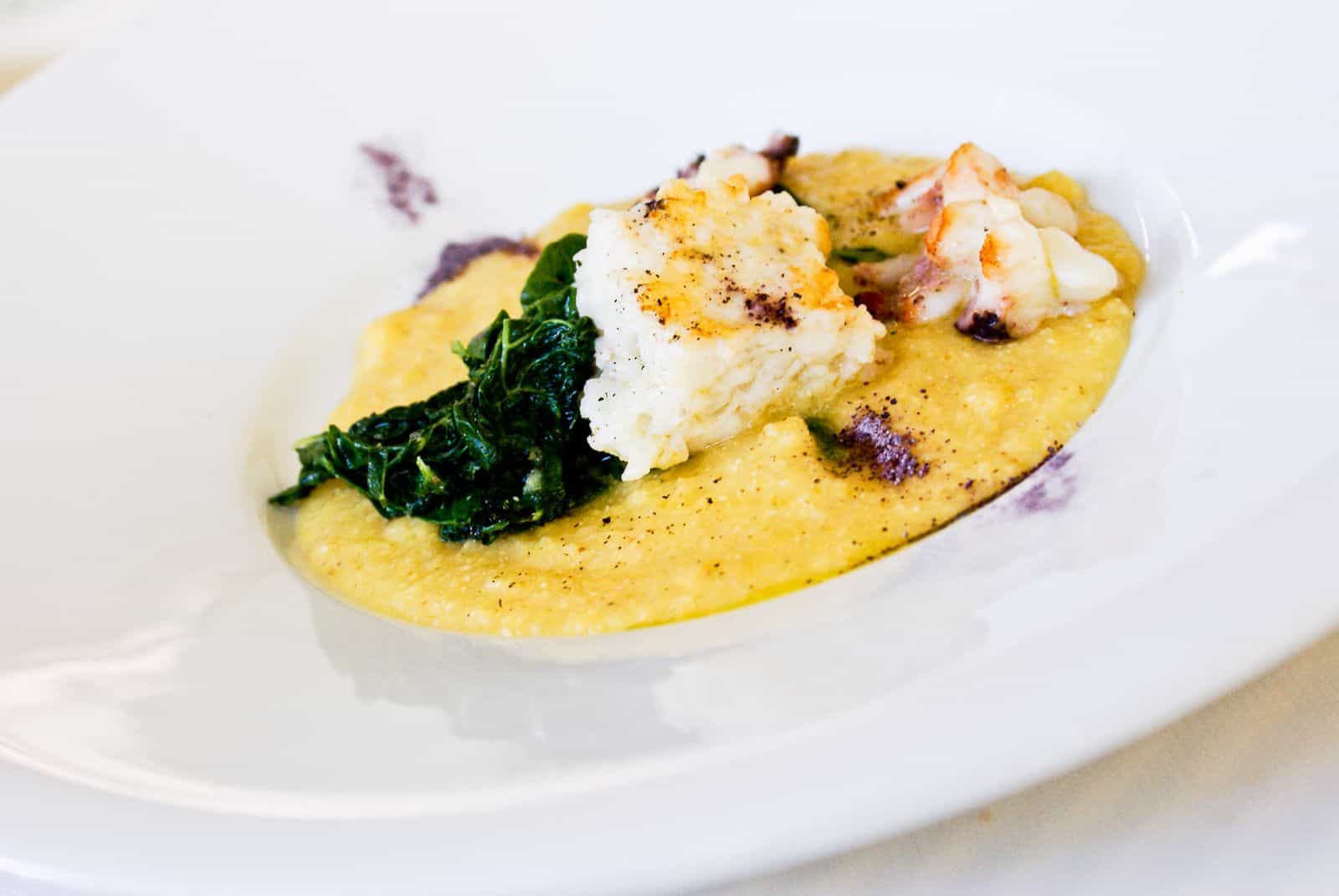
This simple cornmeal mush was the absolute backbone of peasant survival across Northern Italy for generations. It was a cheap, filling starch that could be stretched to feed a massive family when wheat was scarce or unaffordable.
Wealthier citizens looked down on it as heavy, unrefined fuel meant only for the impoverished working class. Modern chefs eventually realized that this humble yellow grain serves as an incredible, velvety canvas for rich ragus and artisan cheeses.
Food writing and restaurant coverage often point to creamy polenta as a classic example of cucina povera, or “poor kitchen,” being elevated to fine dining, with diners now paying premium prices for bowls their ancestors would have eaten out of necessity.
Oysters
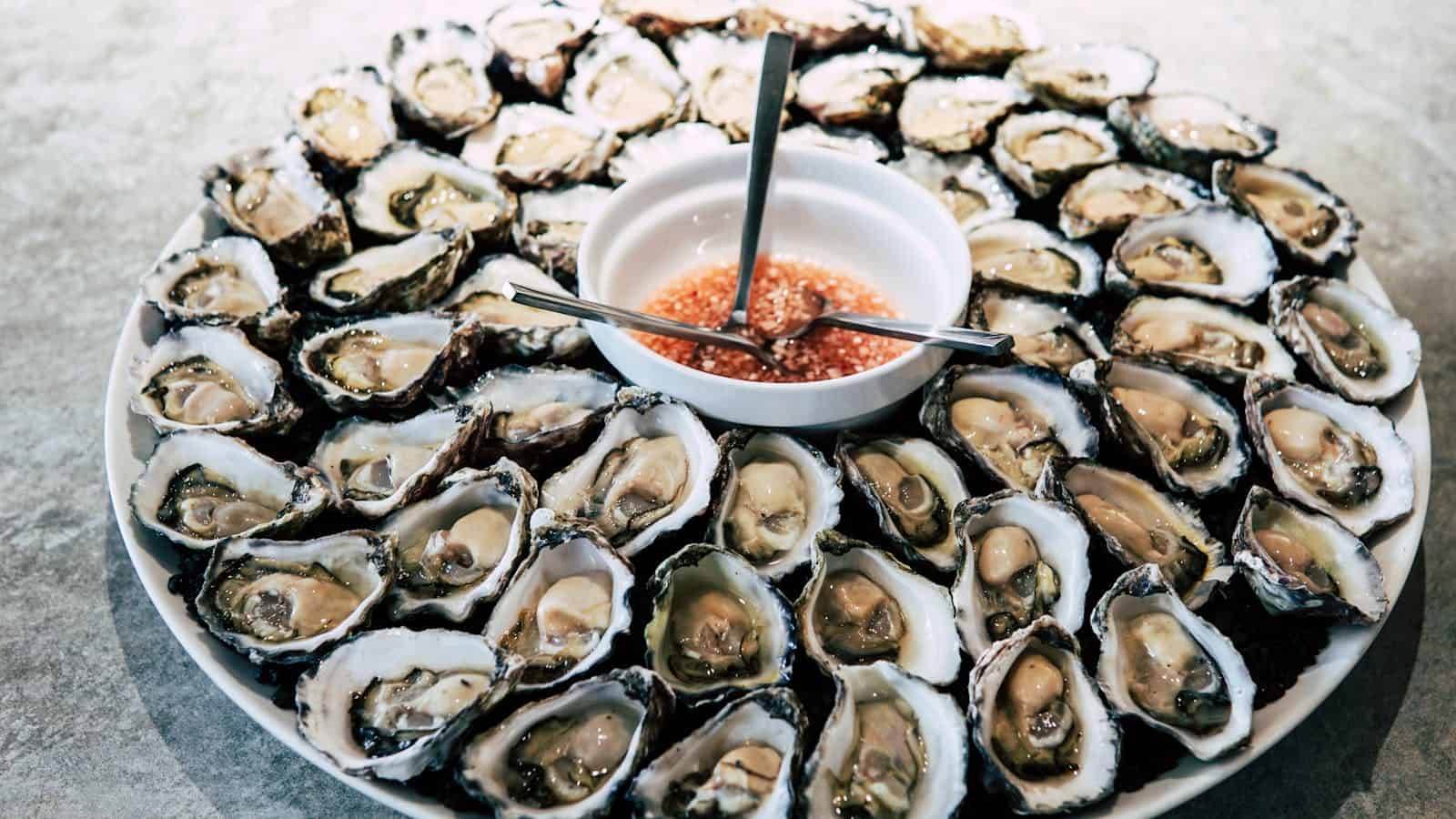
In the early nineteenth century, these bivalves were so incredibly plentiful in New York Harbor that street carts sold them for mere pennies to hungry workers. They were the ultimate working-class snack, often pickled or packed into cheap stews to stretch a tight household income. Shucking them was a daily chore for the poorest families in coastal communities.
Overfishing, pollution, and habitat destruction eventually wiped out many wild beds and turned oysters into a premium delicacy. Historical reporting shows how once-abundant East Coast oyster reefs were devastated by industrial waste and overharvesting, and now raw bars sell carefully farmed or wild oysters for several dollars each. A food that once filled bellies cheaply now eats into your restaurant budget in a single order.
Pork Belly
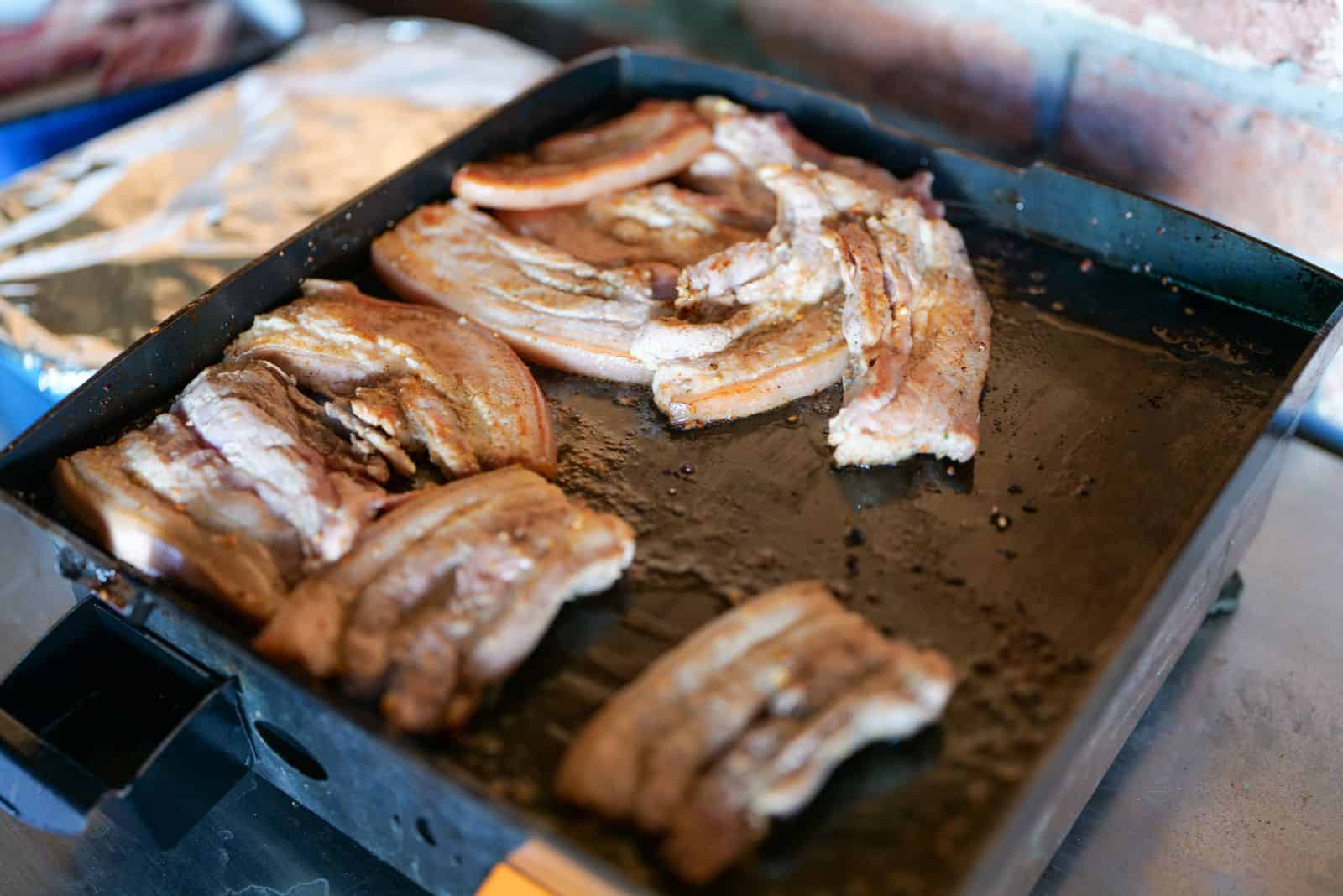
For decades, this incredibly fatty cut of meat was pushed aside or sliced thin to make standard industrial bacon. Mainstream butchers practically gave it away because the average shopper preferred leaner choices like center-cut pork chops. It was considered far too greasy and unrefined for a proper, upscale dinner table.
The modern gastropub movement completely flipped that narrative by introducing slow-braising techniques that transform the tough tissue into melt-in-your-mouth perfection. The National Restaurant Association’s 2026 Culinary Forecast says comfort foods and global comfort foods remain major menu drivers, which helps explain why rich cuts like pork belly continue thriving in trend-conscious restaurants.
Beef Brisket
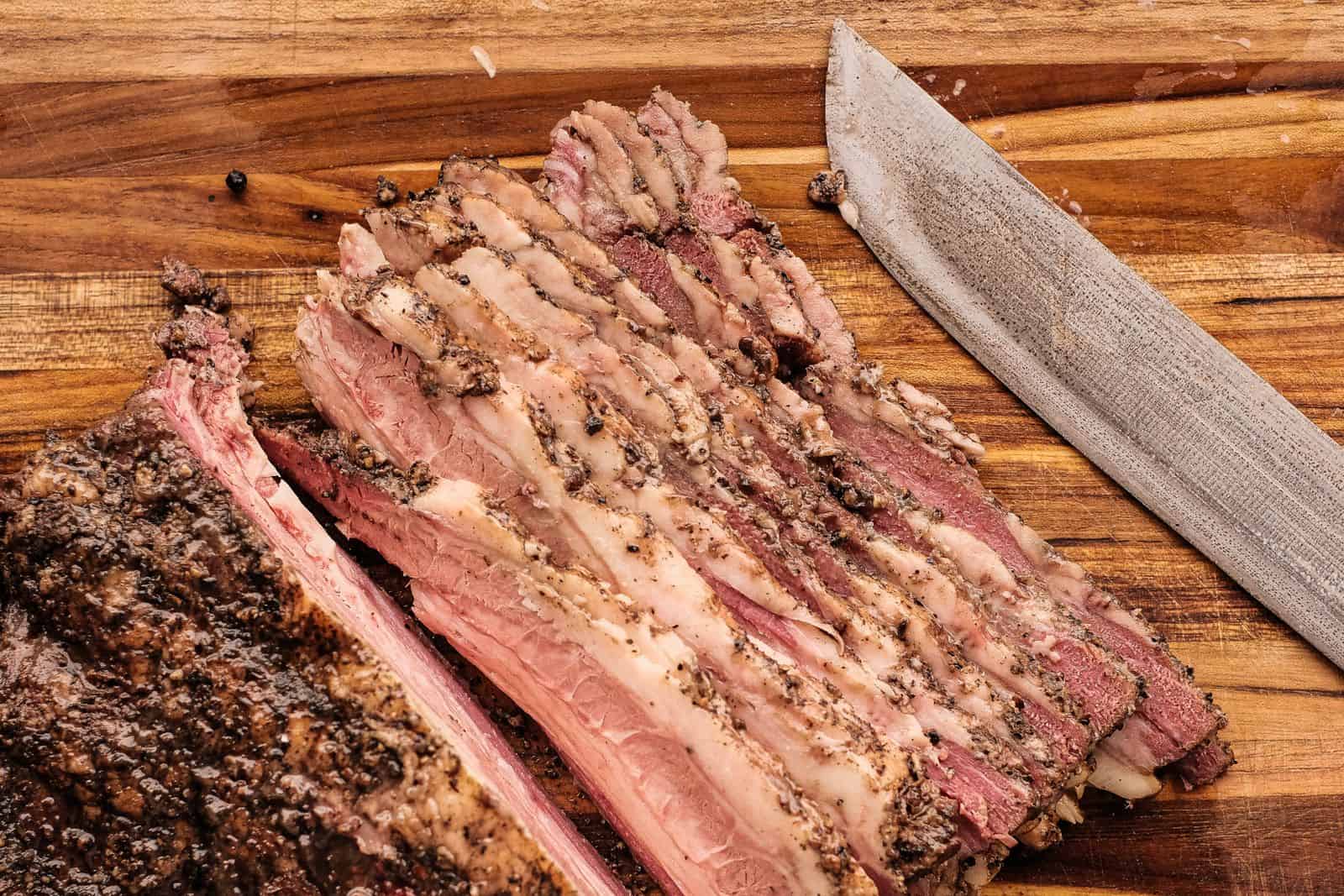
This tough, stringy muscle tissue from the breast of the cow was once the absolute cheapest cut at the local butcher counter. Because it requires hours of careful cooking to break down the dense connective fibers, it was passed over by busy home cooks. It was the historical staple of immigrant communities who learned to slow-simmer it for holiday meals.
The explosive global popularity of authentic, low-and-slow barbecue culture has sent the wholesale price of this cut through the roof. Pitmasters now treat these charred, smoky slabs with the reverence usually reserved for fine prime rib.
A single pound of expertly smoked meat can easily bust your weekly dining plans if you are not careful, which is exactly why it no longer feels like a humble cut in everyday finance terms.
Caviar
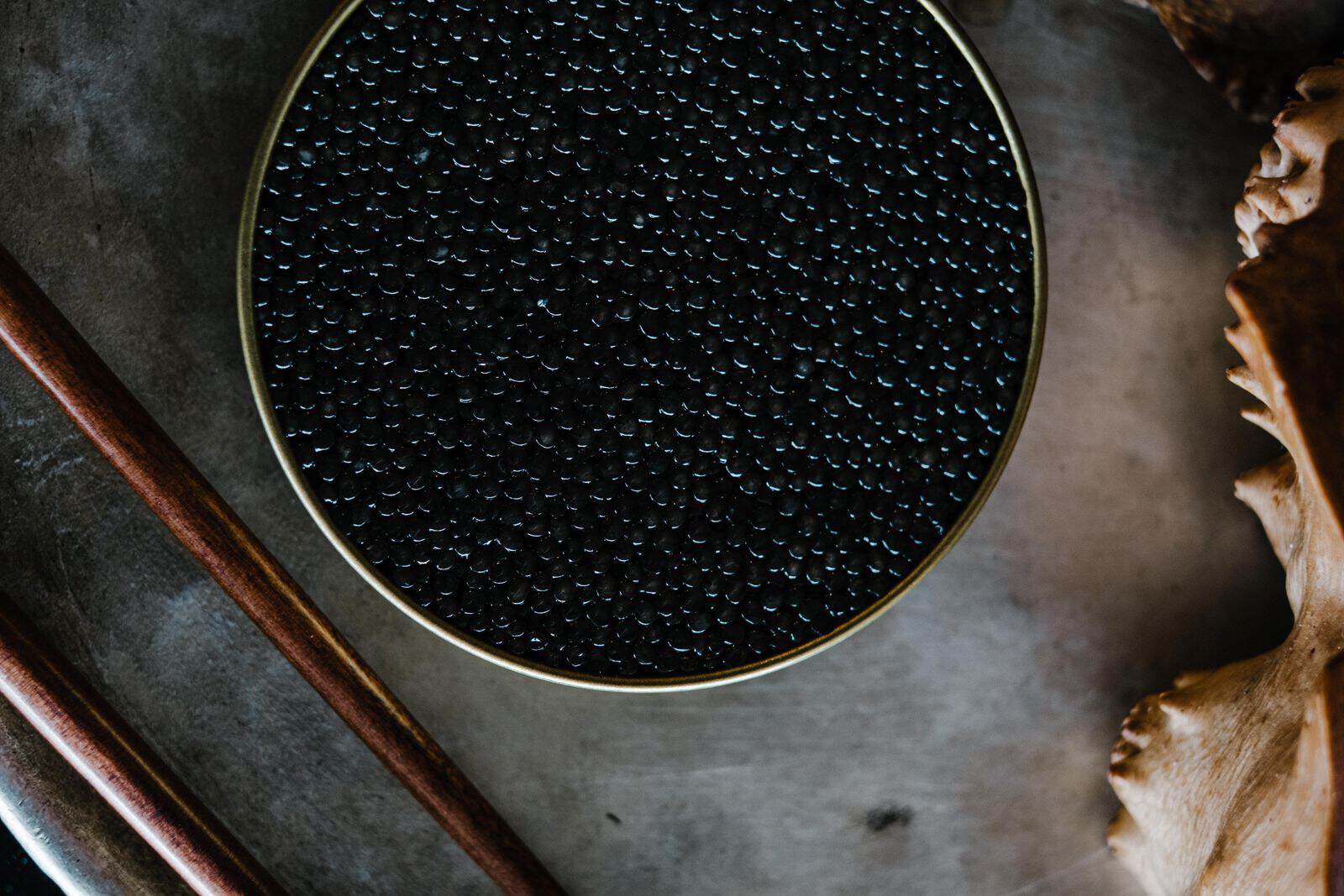
Long before it became synonymous with champagne toasts and luxury yachts, sturgeon roe was so abundant in Russia and America that taverns handed it out for free. Because it was incredibly salty, bar owners used it as a clever trick to make patrons thirstier for more beer. It was treated with no more respect than a modern bowl of complimentary peanuts.
As sturgeon populations plummeted due to industrial damming and unregulated harvesting, the sheer scarcity of these delicate black pearls triggered a massive price surge. The same Fine Dining Lovers piece points to caviar as one of the clearest examples of a humble food becoming a luxury symbol through rarity and prestige.
Quinoa
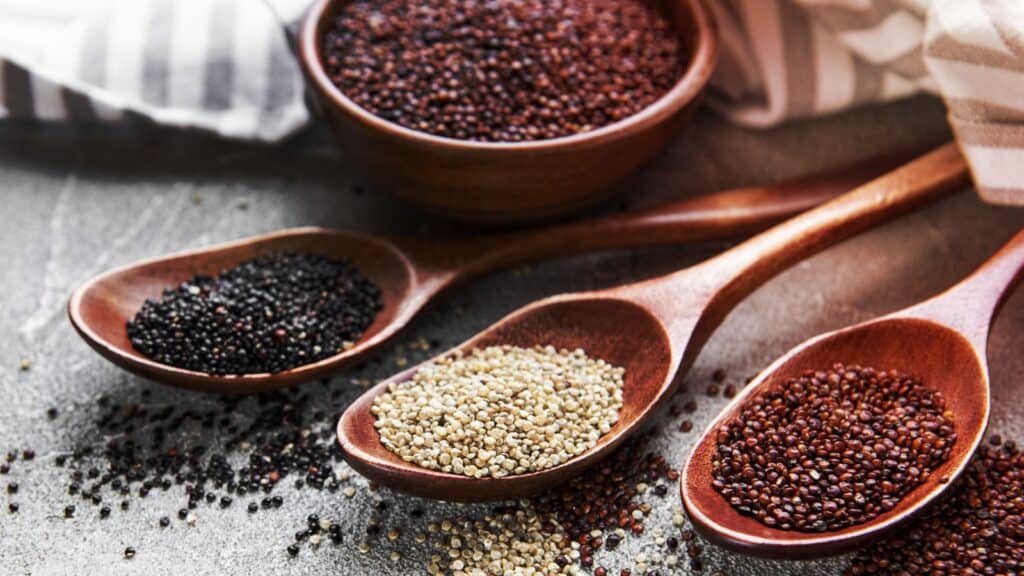
For thousands of years, this hardy Andean seed was a simple, affordable staple crop grown by subsistence farmers in Peru and Bolivia. It was largely ignored by the rest of the world, which dismissed it as a bitter birdseed substitute with little culinary value. It was the definition of an overlooked, hyper-local survival food.
A sudden surge in health research in the early 2000s transformed this ancient grain into a global dietary sensation. Reporting from CBC News says retail prices for some quinoa varieties have jumped more than 600% since 2000, which helps explain how a humble staple has become a premium menu add-on tied to wellbeing trends.
Skirt Steak
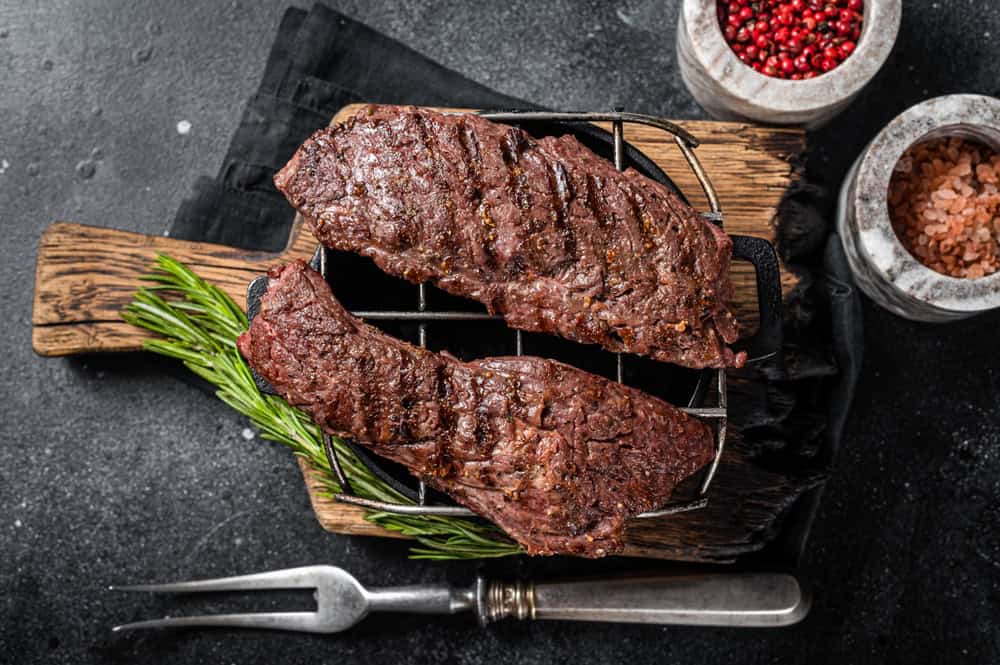
This thin, fibrous strip of beef diaphragm muscle was once considered a useless trim item that butchers routinely tossed into the sausage grinder. It was tough, full of membrane, and completely ignored by shoppers looking for a tender Friday night steak. It was cheap enough to be given to ranch hands as partial payment for their labor.
Mexican-American home cooks mastered the art of marinating and flash-grilling this specific cut to create sizzling plates of authentic fajitas. Once the rest of the culinary world caught wind of its intense, deeply savory beef flavor, demand skyrocketed. Now, buying a quality cut of this meat for a casual backyard gathering requires a healthy dose of financial planning.
Bone Marrow
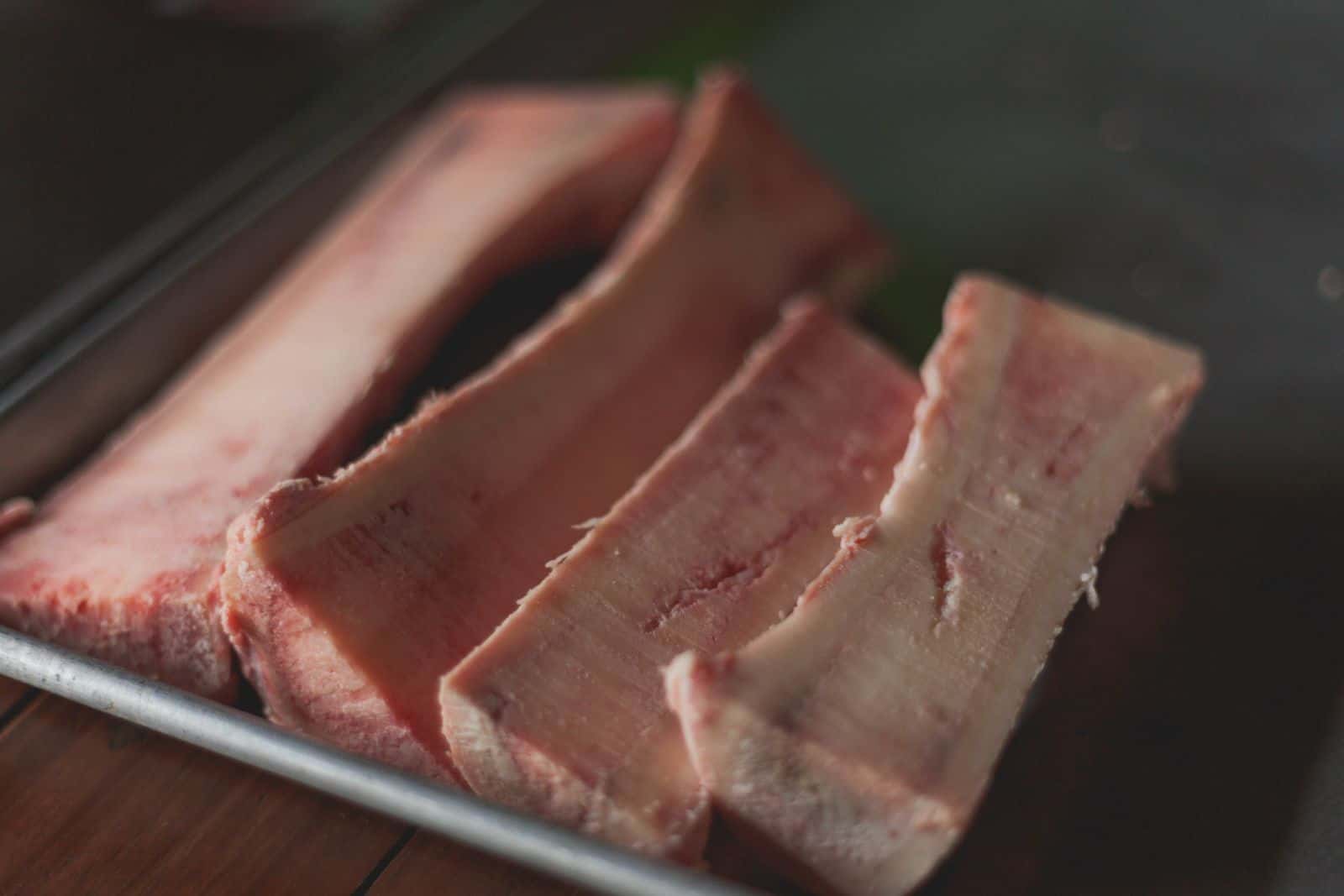
Historically, bones were something you tossed to the family dog or simmered quietly in a giant pot of water to create a basic soup base. The fatty, rich substance hidden inside the core was rarely served as a standalone feature on a traditional American dinner table. It was viewed as a rustic, old-school ingredient that was far too primal for modern tastes.
High-end French bistros completely revitalized the ingredient by roasting the entire femur split lengthwise and serving it with coarse sea salt and toasted brioche. Diners now happily pay premium prices to scoop out this rich, buttery substance with specialized tiny spoons. It is a brilliant example of turning a butchery leftover into an elegant, interactive culinary experience.
Oxtail
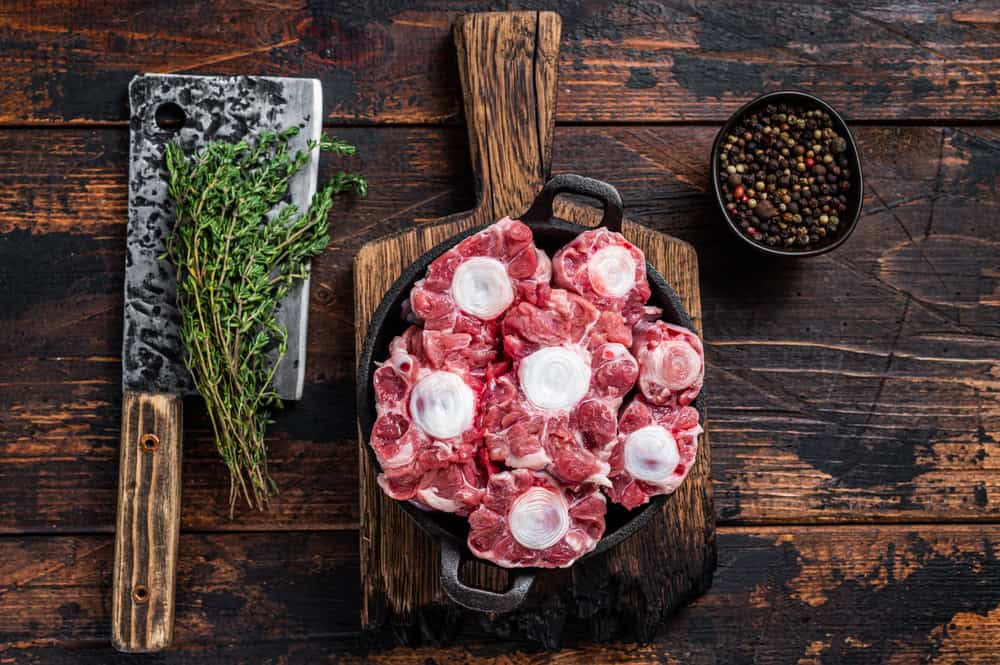
As the literal name implies, this cut was originally just the skinned tail of cattle, containing a tiny amount of meat surrounded by a massive amount of bone and cartilage. Because it requires hours of low-and-slow braising to become tender, it was sold for pennies to resourceful cooks in Caribbean and Southern communities.
The global appreciation for deep, gelatin-rich stews has pushed this humble tail cut straight into the mainstream culinary spotlight. Modern chefs love utilizing it to create incredibly decadent pasta sauces and upscale comfort bowls.
This surge in popularity means finding an affordable package of this meat at the local store has become an absolute thing of the past and can quietly wreck a home-cooking budget.
Key Takeaway

The fascinating economic evolution of these ingredients demonstrates that the true value of any given dish is determined entirely by cultural perception and creative presentation rather than by the raw cost of production.
When resourceful cooks and innovative chefs take the time to apply proper culinary techniques to neglected cuts and overlooked grains, they can elevate even the humblest peasant fuel into a globally recognized luxury.
Disclaimer – This list is solely the author’s opinion based on research and publicly available information. It is not intended to be professional advice.
Like our content? Be sure to follow us