Your representative keeps missing votes. At what point are they no longer representing you?
Most of us probably assume that when we elect someone to Congress or our state legislature, they show up to work.
Not every day. Not every vote. Life happens. Illness happens. Family emergencies happen. But we generally assume that if there’s an important debate, a committee hearing, or a consequential vote, our representative is there speaking for us.
Lately, however, a growing number of stories from around the country have raised an uncomfortable question: At what point does occasional absence become a failure of representation?
The latest example comes from North Carolina, where reporting by The Assembly examined Representative John Sauls’ lengthy absences from legislative business, prompting questions from constituents about whether they were effectively represented. It is far from the first story of its kind, and it likely won’t be the last.
The issue isn’t really about one lawmaker. It’s about whether our system has meaningful safeguards when elected officials simply stop showing up.
Missing a vote isn’t necessarily a problem
Before anyone grabs a pitchfork, it’s worth recognizing that missing votes is not automatically evidence of neglect.
Legislators aren’t just casting votes on the chamber floor.
They’re also:
- meeting with constituents
- attending committee hearings
- negotiating legislation
- working with state or federal agencies
- responding to emergencies back home
- handling family or medical issues
Sometimes two important responsibilities occur simultaneously.
Someone may miss a floor vote because they’re sitting in a committee hearing where the actual details of legislation are being written.
In other words, attendance statistics never tell the entire story.
But they do tell part of it.
The real concern is chronic absenteeism
The cases generating headlines tend to involve something much different than missing a handful of votes.
They’re about legislators who repeatedly miss:
- committee meetings
- legislative sessions
- major floor votes
- months of legislative work
At some point, the question changes. Instead of asking, “Why did this person miss today’s vote?” Voters begin asking:
“Who exactly is representing my district?”
Unlike almost every other profession, elected officials generally cannot be fired for poor attendance. They don’t report to a boss.They report to voters.
This isn’t an isolated problem

Over the past several years, a surprising number of lawmakers have raised questions about what happens when an elected official is no longer able—or simply no longer willing—to fully serve.
Dianne Feinstein (D–California) missed months of Senate votes in 2023 while recovering from shingles. Because Democrats held only a narrow majority, her absence slowed judicial confirmations and ignited a national debate over whether there should be a formal process for temporarily replacing incapacitated members.
Kay Granger (R–Texas) cast her last House vote in July 2024 before largely disappearing from public view. Months later, reporters discovered the longtime congresswoman had been living in a senior living facility, and her family acknowledged she was dealing with dementia. The revelation prompted widespread questions about how someone could remain in office for months while effectively absent.
Tom Kean Jr. (R–New Jersey) disappeared from public view for nearly four months in 2026, missing more than 100 House votes before returning and revealing he had been hospitalized for depression. His openness about mental illness earned praise, but his absence also highlighted how little information constituents receive when their representative is unable to serve.
John Fetterman (D–Pennsylvania) missed numerous Senate votes following his stroke and later treatment for clinical depression. While many Americans applauded his willingness to seek treatment, his absence also sparked discussion about how Congress should balance compassion for serious illness with uninterrupted representation.
Raúl Grijalva (D–Arizona) continued serving while undergoing cancer treatment, missing votes and eventually relinquishing his leadership position because of his health.
Thad Cochran (R–Mississippi) experienced increasing health problems and lengthy absences before resigning from the Senate in 2018, another reminder that Congress has few mechanisms to address prolonged incapacity.
Mitch McConnell (R–Kentucky) experienced multiple highly publicized health episodes in 2023 that renewed questions about aging leadership and whether Congress should have clearer standards for long-term incapacity.
John Sauls (R–North Carolina), the case that prompted this article, has faced scrutiny over repeated absences from legislative business in Raleigh, leaving constituents asking whether they are receiving the representation they elected. His situation differs from the medical cases above, but it raises the same fundamental question: if an elected official isn’t participating, what recourse do voters have?
Why are legislators allowed to miss votes at all?
The answer is largely historical.
When the U.S. Constitution was written, traveling to the nation’s capital could take weeks.
- Lawmakers became sick.
- Weather prevented travel.
- Family emergencies couldn’t be solved with a Zoom call.
Rather than requiring perfect attendance, legislatures focused on something else: making sure enough members were present to conduct official business.
That minimum number is called a quorum, and both Congress and state legislatures have procedures to compel attendance if too few members are present. In practice, though, those powers are used sparingly.
The system assumes that elections—not attendance policies—are the primary way voters hold representatives accountable.
Is this happening more often?
The answer is both yes and no.
There have always been legislators who became ill, campaigned for higher office, accepted other positions, or simply weren’t very engaged. What has changed is that we can now see it.
- Every roll-call vote is recorded.
- Attendance records are searchable. In fact, if you want to know how your representative is doing you can visit Govtrack.us and see for yourself.
- Journalists routinely analyze voting participation.
- Outside organizations publish missed-vote statistics.
And because many legislatures operate with razor-thin majorities, even one absent lawmaker can determine whether legislation succeeds or fails.
That’s especially true today.
A recent Wall Street Journal analysis described what it called a “Zombie Congress,” where retirements, illnesses, campaign travel, and declining engagement have made attendance itself a growing challenge for congressional leadership. In an era of narrow margins, every empty chair carries more weight than it once did.
The accountability gap
This creates an unusual problem. Imagine almost any other profession.
- A teacher who stopped showing up.
- A firefighter who repeatedly missed shifts.
- A pilot who skipped scheduled flights.
Eventually someone would intervene.
With elected officials, intervention is surprisingly limited. Unless criminal conduct or serious ethics violations are involved, legislators generally remain in office until they:
- resign
- are expelled under extraordinary circumstances
- lose reelection
- or, in states that allow it, face a recall election
Simply failing to attend legislative business rarely removes someone from office by itself.
Should attendance matter more?
There are good arguments on both sides.
Critics of stricter attendance rules worry that lawmakers dealing with cancer, military service, family emergencies, or other legitimate hardships could be unfairly punished.
Supporters argue that representing tens of thousands—or, in Congress, hundreds of thousands—of constituents is itself a full-time public obligation.
Many reform advocates have proposed relatively modest changes, including:
- publishing easy-to-read attendance dashboards
- requiring public explanations for extended absences
- reducing legislative pay after repeated unexcused absences
- establishing procedures for temporary replacement if a member becomes unable to serve for months at a time
None of these proposals would eliminate legitimate absences.
They would simply increase transparency.
Representation is more than casting votes
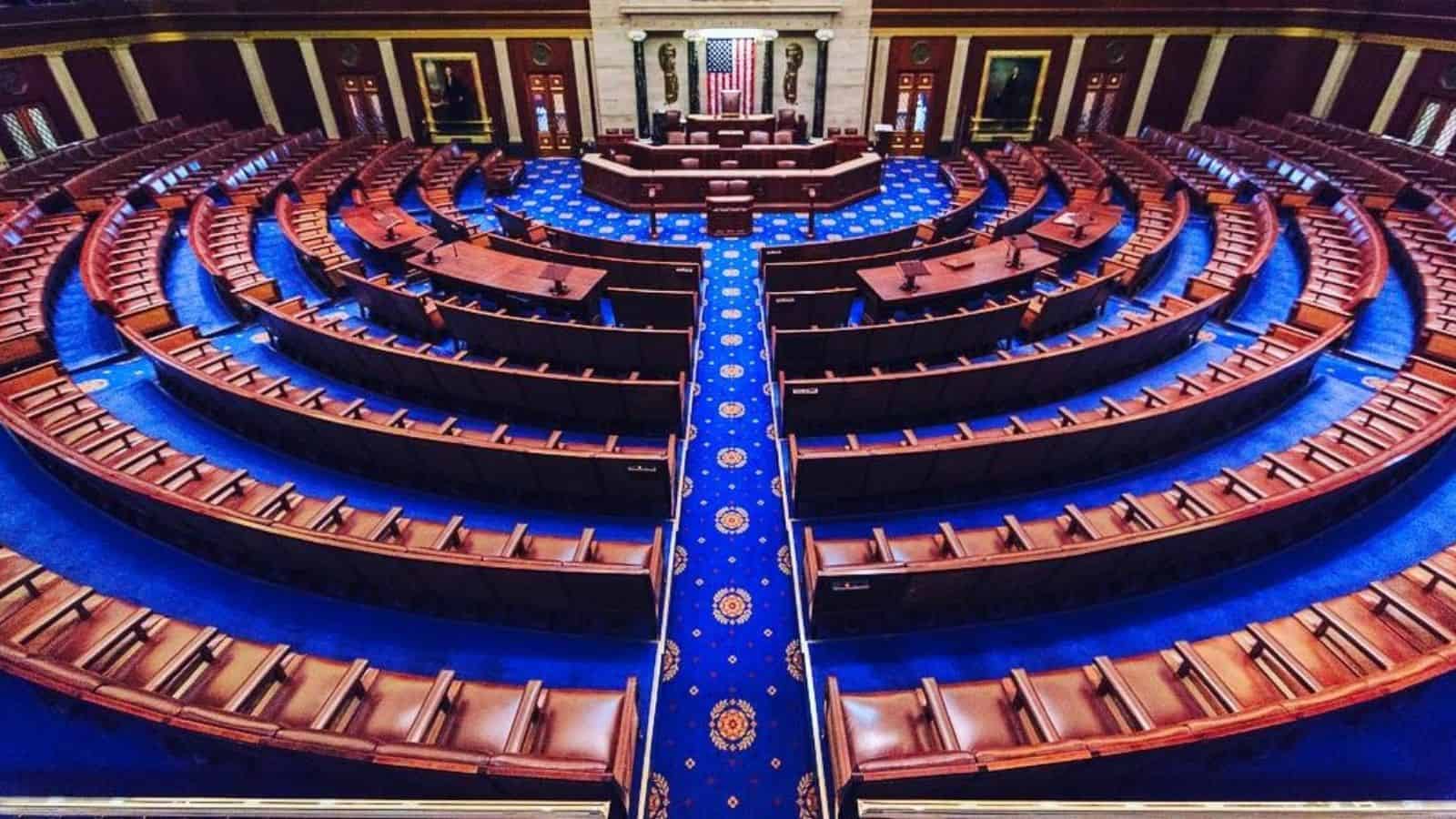
Perhaps the bigger issue isn’t attendance itself. It’s representation.When people vote, they aren’t simply electing someone to push a green or red button. They’re choosing someone to ask questions.
- To attend hearings.
- To negotiate.
- To advocate for local concerns.
- To notice unintended consequences in legislation before it becomes law.
Voting is only the final visible step in a much larger process. If someone is absent from that process for weeks or months at a time, the concern isn’t just the missed votes. It’s that an entire district may effectively lose its voice.
Democracy depends on more than elections.
It depends on the people we elect actually showing up to do the job.
The Question We Should Be Asking
The common thread isn’t that these lawmakers all made the same choices. They didn’t. Some faced devastating illnesses. Some struggled with mental health. Others simply appeared disengaged. The real issue is that our system treats all of those situations almost exactly the same. Unless someone resigns, dies, is expelled, or loses the next election, there are remarkably few ways to ensure a district continues to have active representation.
We have procedures for replacing judges who become incapacitated. Corporations have succession plans for CEOs. Even small nonprofit boards have bylaws for members who can no longer fulfill their responsibilities. Yet when it comes to the people representing hundreds of thousands of Americans, Congress and many state legislatures often rely on little more than hope, discretion, and the next election.
Perhaps that’s the question we should be asking—not whether legislators should ever miss votes, but whether our democracy needs a better plan for those times when they simply can’t, or don’t, do the job.
Question for readers:
Should there be a formal process for temporarily replacing elected officials who become unable to serve for extended periods, or should voters have to wait until the next election?
You May Want to Read:
- The Democrats’ biggest political challenge may not be Republicans at all
- Is America really split 50/50 on Trump? What the best data shows
- U.S. Government websites’ redesign sparks fear over surveillance concerns