12 Views on Marriage From the 1950s That Might Surprise Modern Audiences
Let’s take a quick trip back to the 1950s, where, while the world around them was racing toward change, marriage was still stuck, following rules that might make you cringe today.
For example, according to a 2021 Pew Research study, most married couples today have two earners, and dual‑earner marriages have become far more common than they were in the mid‑20th century. If you think about marriage now, you probably picture something a bit more flexible, maybe even a little messy (in the best possible way). But in the ’50s? Not so much. It was a whole different ball game.
Curious about what couples dealt with back then, and what might make you think, “Wait, they really thought that?!” Here are 12 views on marriage from the 1950s that might just leave you wondering how anyone survived that era.
The “Perfect Wife” Image
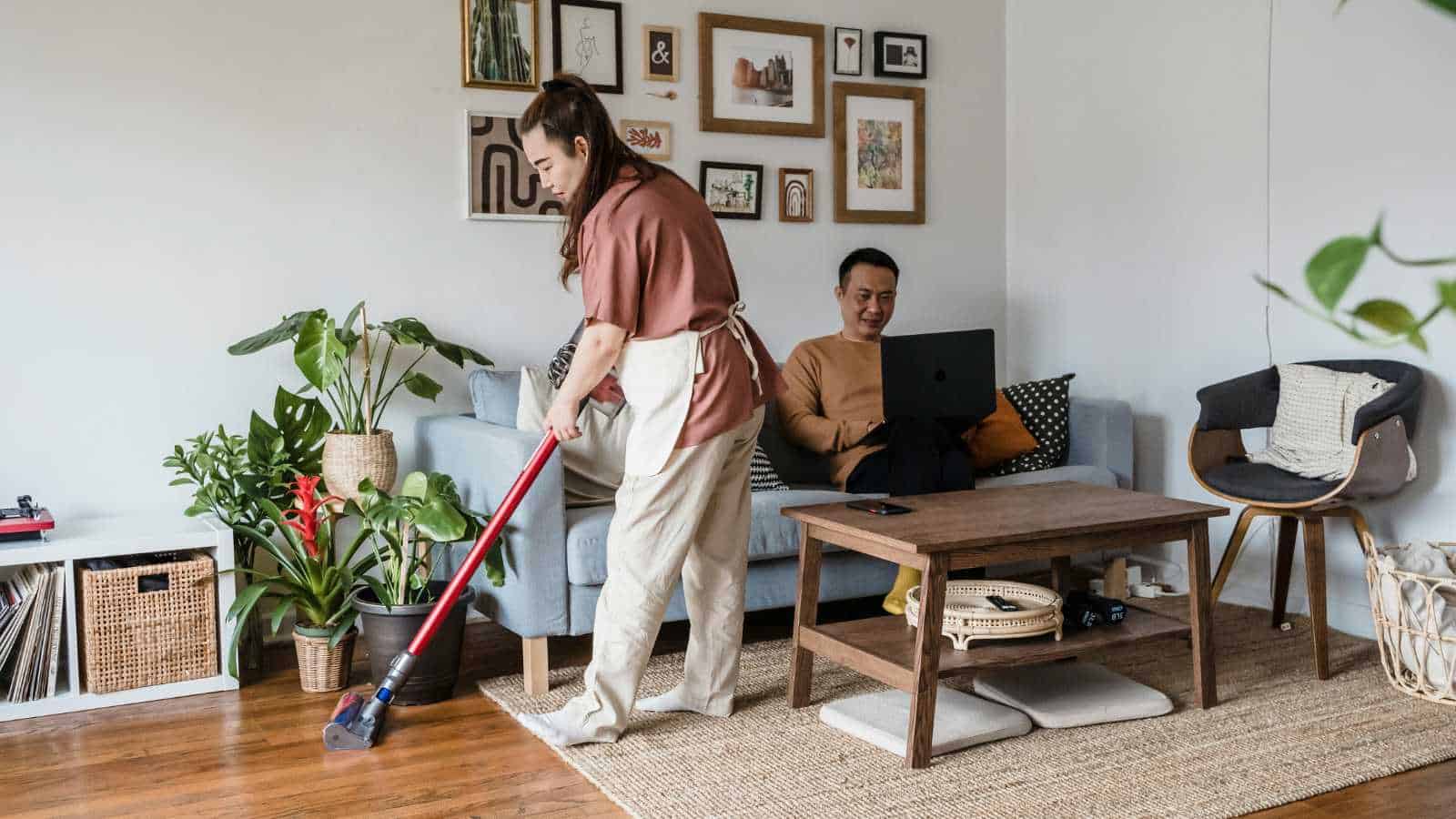
The 1950s ideal of the perfect wife was one who kept a flawless home, greeted her husband with a smile, and maintained an air of domestic bliss at all times. The media and society relentlessly pushed this image, shaping expectations of what a “good wife” should be. She had to keep her family happy, regardless of her own needs or desires.
Today, the “perfect wife” myth has been replaced by the idea of a mutual partnership. Modern marriages are about equality, shared responsibilities, and emotional connection. Perfection is no longer the goal—authenticity is.
The Husband as the Sole Breadwinner

Back then, the husband was the breadwinner. He worked outside the home, while his wife stayed at home, keeping the house in order and raising the kids. This was the ideal and expected structure of marriage during that time.
From a modern perspective, the traditional setup is practically nonexistent. A Pew Research study highlights that most married couples today have two earners, and dual‑earner marriages have become far more common than they were in the mid‑20th century. Couples today share the financial load, reflecting the shift toward more equal partnerships in the modern era.
Women’s Role in Marriage as Homemakers
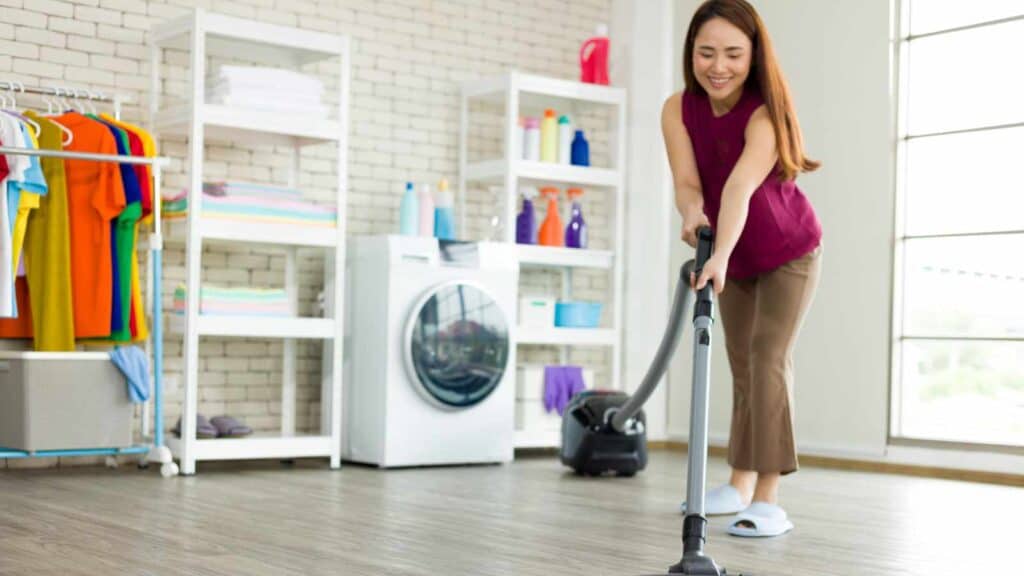
A woman’s job was pretty clear: stay home, cook, clean, and raise children. This wasn’t a choice, but a societal expectation that women could not easily escape. Then, only a few women had jobs outside the home.
In contrast, modern women aren’t just confined to the kitchen. Today, 57.5% of women are part of the workforce, balancing careers, family, and personal goals, according to the U.S. Bureau of Labor Statistics. Women now have greater freedom to define their roles in marriage and society, and it’s no longer just about being a homemaker.
Also on MSN: 12 things that make husbands lose attraction after 50
Marrying for Stability, Not Love
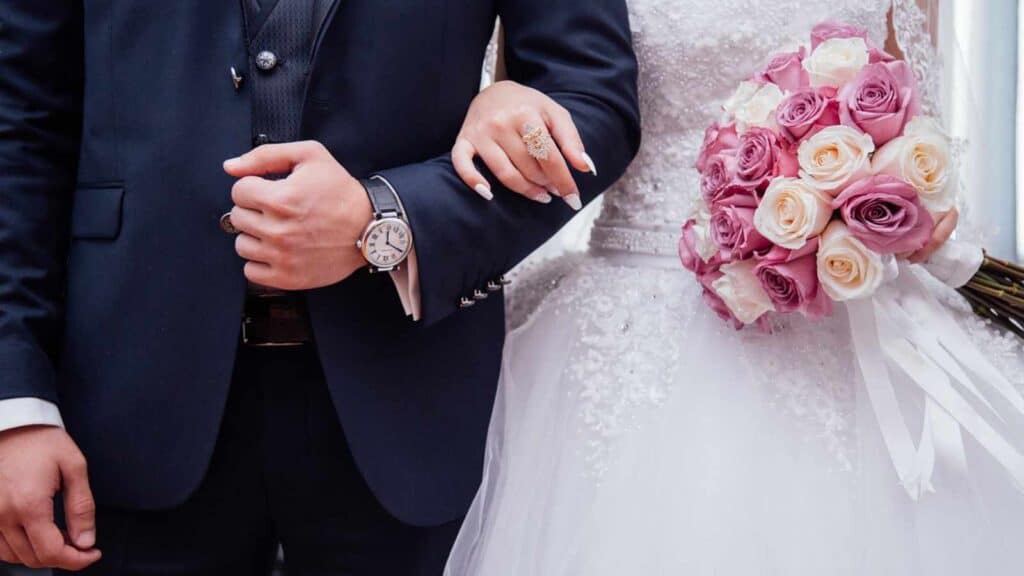
Marriage back then was often more about practicality than passion. People tended to marry for reasons like financial security, societal pressure, or because it was simply the next step in life. Love wasn’t always the driving force; it was more about fitting into a predefined mold and fulfilling a role.
Today, marriage is driven by love and compatibility. People are more likely to marry based on emotional connection, shared values, and mutual respect. The focus has shifted from stability to finding someone you truly connect with, marking a significant change in what people prioritize in a partner.
The Social Stigma of Divorce
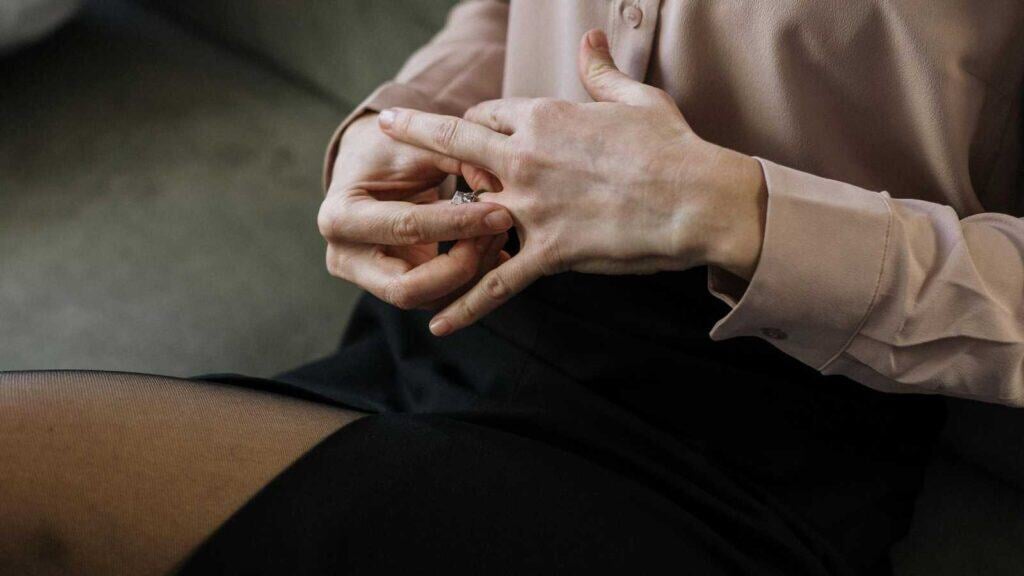
Divorce in the 1950s was seen as a major social stigma. Couples stayed together even in unhappy marriages because breaking up was considered shameful, and divorcees were often judged harshly. Divorce rates remained low during that time, partly due to societal pressures.
In 2025, divorce is much more accepted. According to the American Psychological Association (APA), 41% of first marriages are likely to end in divorce, and it’s recognized that sometimes, parting ways is the healthiest choice. Society is far more accepting of the idea that not all marriages are meant to last forever.
Conformity to Gender Roles

In that era, marriage was built on rigid gender roles. Men were the primary breadwinners, working outside the home, while women were expected to manage the household and care for the children. There was little room for flexibility, and the idea of sharing responsibilities or stepping outside these roles was practically unheard of.
Today, marriages have evolved to reflect a more balanced approach. Both partners now share responsibilities, be it handling chores or raising children. Modern relationships prioritize equality, with both individuals contributing to the household in ways that work for them.
Early Marriage and Starting a Family Right Away

In the 1950s, couples married young, often right after high school, and started having children almost immediately. There was little focus on personal growth or career before marriage, and starting a family was a top priority. The average age of marriage for women in the 1950s was just 20.
The trend has shifted significantly. People are waiting longer to marry, with the average age of marriage now being 28.6 for women and 30.4 for men, according to the U.S. Census Bureau. Delayed marriage allows people to focus on education, career, and personal development before committing to family life.
Expectation of Women’s “Feminine” Traits

The 1950s placed a heavy emphasis on women’s femininity, being gentle, nurturing, and passive. Women were expected to conform to this ideal of domesticity, always putting their husbands’ needs first. The notion of a woman pursuing her own career or asserting herself was not just rare; it was often discouraged.
Now, the modern woman has shattered the old rulebook, rewriting marriage and identity on their own terms. Femininity is no longer confined to a set mold; it’s about strength, independence, and choice. Women now define themselves on their own terms, leading in every field and embracing their power without apology.
Marital Counseling as Taboo
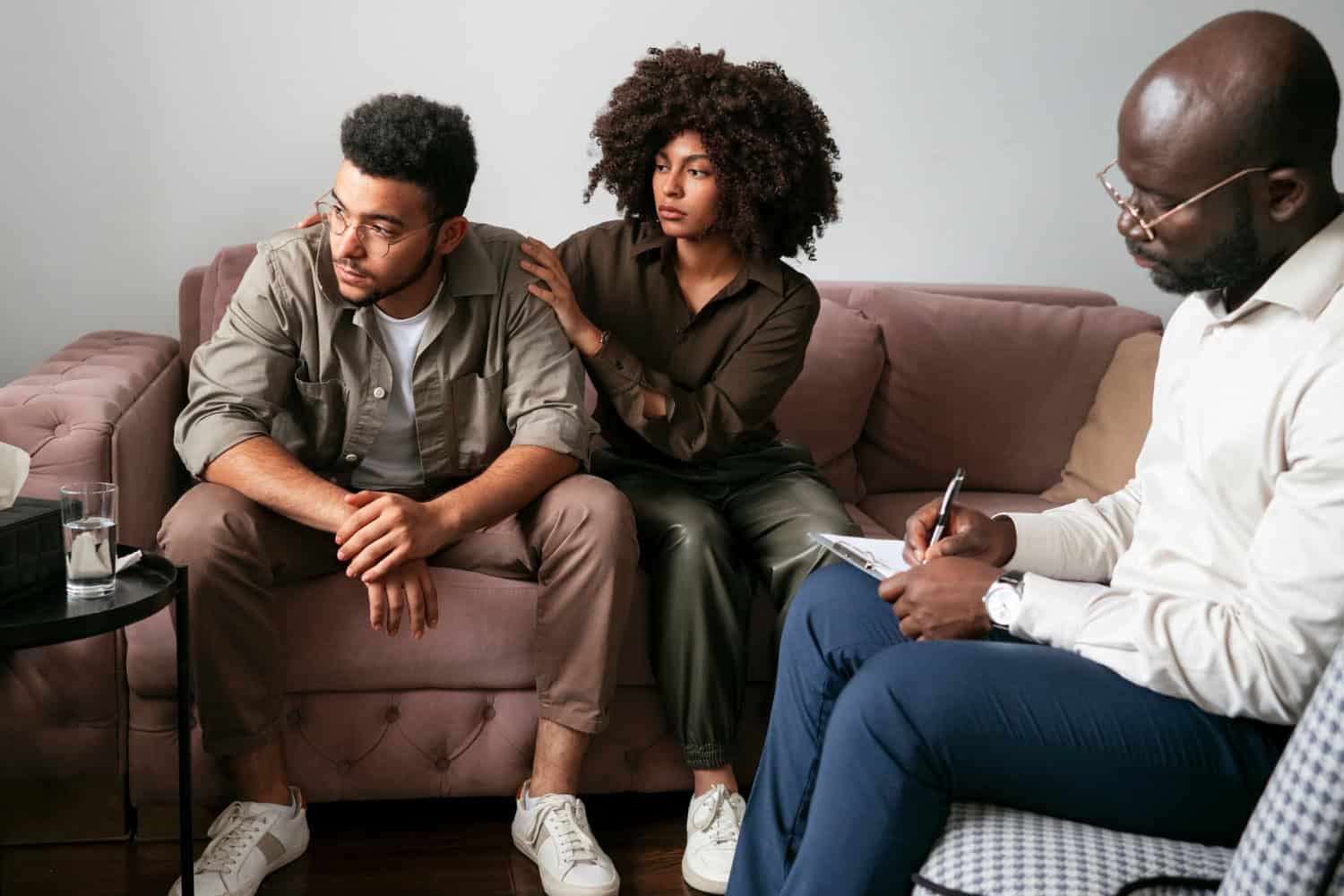
Seeking help for marital problems was nearly unheard of in the 1950s. Counseling was viewed as a sign of failure or weakness, and couples rarely sought outside help, no matter how troubled their relationship. This stigma kept many marriages from addressing issues in a healthy way.
What was once whispered about in hushed tones is now simply part of the routine. According to the American Association for Marriage and Family Therapy, almost 49% of couples seek professional help to strengthen their relationship. Therapy is now seen as a tool for growth, not an indication that the marriage is doomed.
The Absence of Contraception Conversations

In the 1950s, contraception wasn’t openly discussed, and many couples had children because they had little control over family planning. The birth control pill didn’t become widely available until the 1960s, and even then, it wasn’t common to openly talk about contraception. As a result, families grew rapidly without much consideration for timing or choice.
In contrast to the hush‑hush 1950s, modern couples openly and confidently shape their families with contraception. As noted by the Guttmacher Institute, 99% of women between the ages of 15 and 44 have used some form of contraception. Today, contraception is an open, accepted part of family planning, giving couples the freedom to decide when or if they want children.
The Ideal of “Keeping Up Appearances.”

In the 1950s, marriage was all about maintaining a perfect image. Couples were expected to project an idealized version of their lives to the outside world, even if things weren’t perfect behind closed doors. “Keeping up appearances” was almost a requirement for maintaining social status.
Where once surface perfection was the goal, today genuine authenticity carries the greatest value. Open communication and transparency are now seen as vital to a strong relationship, with couples sharing the ups and downs. According to the American Psychological Association, couples who maintain open and honest communication tend to have stronger, longer-lasting marriages.
Strong Focus on Family and Friends’ Approval

In the 1950s, who you married wasn’t just a personal decision; it was heavily influenced by family and societal expectations. If your family didn’t approve of your partner, it could create serious tension, making it harder to follow your heart. The pressure to conform often led people to marry for reasons other than love.
Today, the focus has shifted to personal happiness. People are more likely to marry for love and compatibility, prioritizing their own desires over the opinions of others. Marriage is now about choosing the right partner for yourself, not seeking approval from family or society.
Key takeaways

Gone are the days when the husband was the sole breadwinner. Today, married couples are more likely to split the financial load, with women actively contributing to the household income. Modern marriages are about shared responsibility—whether it’s finances, chores, or emotional support, both partners are in it together.
Love and emotional connection are now the cornerstone of marriage. Gone are the days when people married for security or social expectations—today, it’s all about compatibility and personal connection. Divorce, once considered a taboo, is now widely accepted as a natural part of life, reflecting how much attitudes have changed when it comes to what makes a healthy relationship.
The modern marriage scene is all about equality and authenticity. Couples now prioritize open communication, shared household duties, and even therapy to strengthen their bond. With more control over family planning and a focus on genuine connection, it’s clear that today’s marriages are about partners choosing each other for who they truly are, not based on societal pressures or outdated norms.
Disclosure line: This article was developed with the assistance of AI and was subsequently reviewed, revised, and approved by our editorial team.
20 Odd American Traditions That Confuse the Rest of the World

20 Odd American Traditions That Confuse the Rest of the World
It’s no surprise that cultures worldwide have their own unique customs and traditions, but some of America’s most beloved habits can seem downright strange to outsiders.
Many American traditions may seem odd or even bizarre to people from other countries. Here are twenty of the strangest American traditions that confuse the rest of the world.
20 of the Worst American Tourist Attractions, Ranked in Order

20 of the Worst American Tourist Attractions, Ranked in Order
If you’ve found yourself here, it’s likely because you’re on a noble quest for the worst of the worst—the crème de la crème of the most underwhelming and downright disappointing tourist traps America offers. Maybe you’re looking to avoid common pitfalls, or perhaps just a connoisseur of the hilariously bad.
Whatever the reason, here is a list that’s sure to entertain, if not educate. Hold onto the hats and explore the ranking, in sequential order, of the 20 worst American tourist attractions.