12 Ways Dating Has Become Emotionally Exhausting
Dating may be enjoyable, yet to many Americans, it now appears to be unpaid emotional work. A survey by Forbes Health in July, 2025 indicated that 78 percent of dating app users have been emotionally, mentally, or physically burned out at least once in their lives, with 80 percent of women and 74 percent of men reporting such burnout.
Many daters desire a deeper connection but still hesitate to pursue it, as vulnerability can be perceived as risky. Combine that with a grouping of things, and modern dating begins to resemble an emotional workout without taking a break.
Endless swiping culture

Dating apps are making a ton of money, but many are known to drain users’ accounts quickly. According to Forbes, users spend about 51 minutes per day on dating apps, and 22% report feeling burned out from using them. The other 24 percent complain that weekly repetitive discussions with numerous matches exhaust them, making flirting administrative.
The burden is even heavier because humans continue to believe that there is a better alternative within a single tap of the thumb.
No real person can take the initiative to develop momentum; then many singles resume scanning, comparing, and re-commencing. The outcome is less potential and more like a circle that consumes focus, patience, and hope.
Ghosting and breadcrumbing
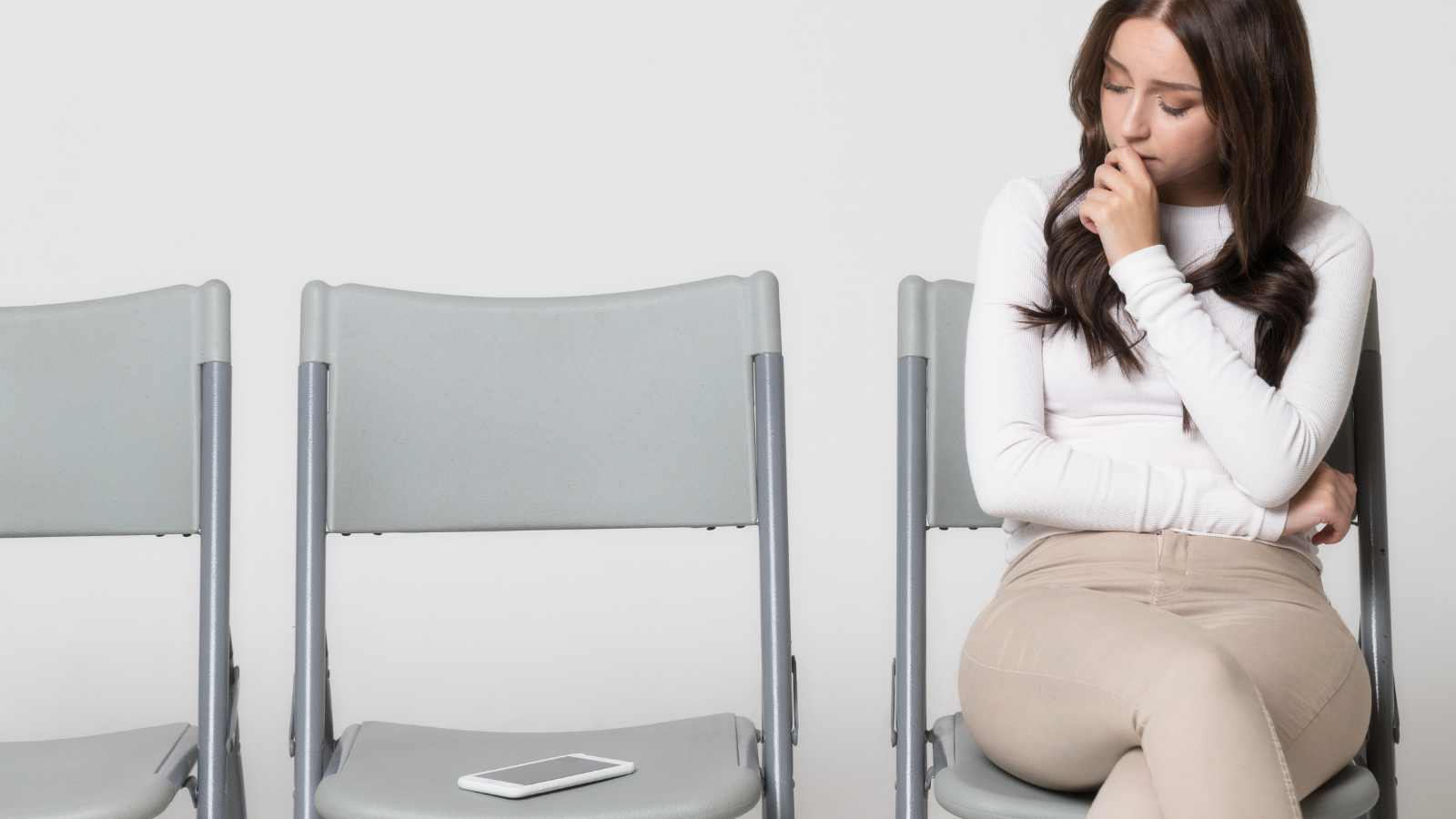
It has made silence one of the noisiest aspects of dating. The National Institutes of Health found that a quarter of adult Americans have experienced breadcrumbing, the infuriating practice of providing attention to keep someone hooked.
Such a trend makes people sensitive to the little things and to less-than-commitment rather than to consistent treatment. It is corrosive to trust, since no one feels safe when a warm conversation can be gone by the time they reach the dinner table.
Social media and fantasy standards

Contemporary dating now competes with highlight reels, filtered photos, and relationship content that filters out boredom, awkwardness, and actual conflict. According to Match and the Kinsey Institute, 60% of single people are convinced there is such a thing as love at first sight, a figure significantly higher than the 30% reported in 2014.
The same research also found that only 39% of single individuals know someone in real life whom they consider a relationship goal, which can help explain why an increasing number of people borrow potential relationship imagery from screens.
That puts pressure on finding immediate chemistry, flawless banter, and easy-breezy certainty on demand. Real individuals seldom walk into a room with studio lighting and impeccable timing. Thus, even mundane human scenes are now compared to shimmied fantasy, and that disjuncture often leaves daters quickly disillusioned.
Fear of vulnerability
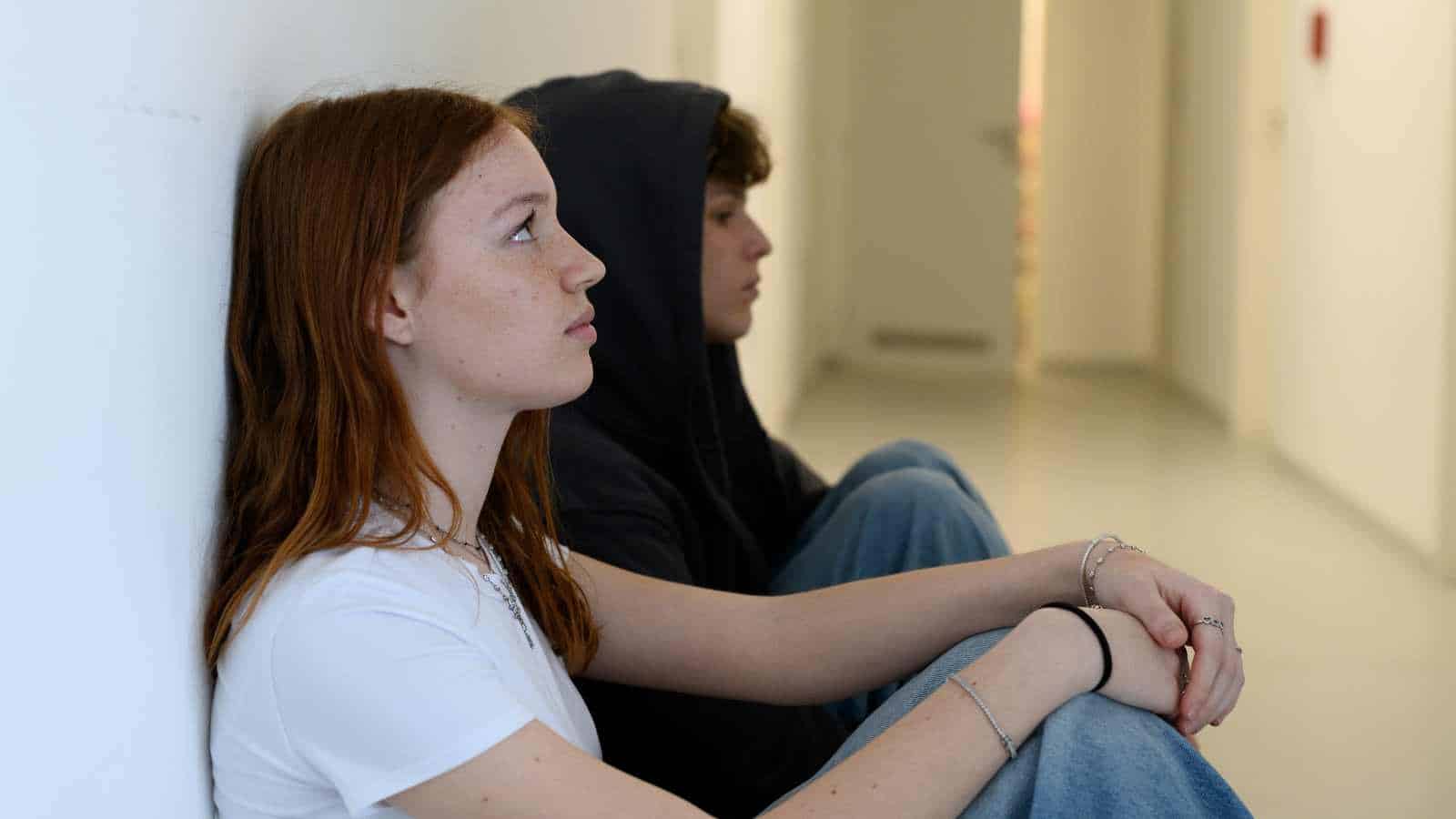
Many singles claim to desire depth, but opening up is like walking on thin ice. Based on a 2025 Hinge Gen Z D.A.T.E. report, 52 percent of daters have experienced shame after expressing their emotions. However, only 19 percent said they felt awkward when another person opened up to them. That gap says a lot.
People evaluate their own honesty much more negatively than they do another person’s. So they maintain discussions secure, smart, and distinct even when they desire something tangible. Dating is tiresome in such a climate, as individuals desire intimacy but shy away when it demands sincerity and emotional risk.
Intentions do not line up early enough

One person might want to be married or have casuals; another might want fun with a casual for a week; and another might want attention. Finding that out can consume a lot of people’s energy. The most desired purpose of apps is long-term relationships; however, the intentions are frequently not clear enough.
According to Tinder’s Year in Swipe 2025, young singles are entering 2026 with a desire for more clarity and fewer mixed signals.
The change is understandable, since playing games takes a lot of energy. Whenever hope is raised, emotional exhaustion increases in anticipation of basic intentions being named.
People feel pressured to market themselves rather than be themselves

Dating has become a branding experience. Individuals focus on timing, edit their texts, attempt to land interesting but not intense, relaxed but not careless, attractive but not trying too hard. Forbes Health found that 1 in 5 people associated burnout with the need to present a specific image to others.
The report by Hinge 2025 LGBTQIA+ D.A.T.E. includes a statement that 50 percent of LGBTQIA+ daters said they were forced to be more masc or more femme to get someone to date, and 29 percent of these daters ultimately regretted having concealed aspects of themselves.
Such edits of oneself become cumbersome. It transforms it into a date more like an audition rather than a conversation. No one can sleep when he/she believes he or she must portray some version of himself or herself throughout the night.
Old hurt sneaks into new relationships

New people tend to pay the price for wounds they did not cause. A 2025 peer-reviewed article in Frontiers in Psychiatry that utilized 1,404 college students reported that childhood trauma hurt romantic relationship satisfaction, whether directly or indirectly through attachment patterns.
Attachment also emerged as a strong predictor of romantic relationship satisfaction in the same study, which explains why old pain persists in new relationships.
A history of betrayal, abandonment, or disarray can condition individuals to protect themselves even in peaceful situations. That may lead to overthinking, emotional withdrawal, or testing behavior that will exhaust both parties. It is tiring dating someone who has had to wage war in the past, before he can even breathe.
Constant comparison keeps people restless

Excessive selection does not add excitement or less security to commitment. Burnout can easily increase due to the competitive pressure and the fear of missing out. The 2024 Gen Z report by Hinge also found that a third of daters were overly critical of digital body language, and a third believed such minor signals could reveal a lot about a match’s intentions.
That drives individuals to juxtapose response times, emojis, tone, efforts, and attention with tiresome accuracy. Many daters are too busy decoding invisible signals to sit down and enjoy the reality of their relationship. Love can turn into surveillance, and such an attitude is exhausting for anyone.
Phones keep dating switched on all day
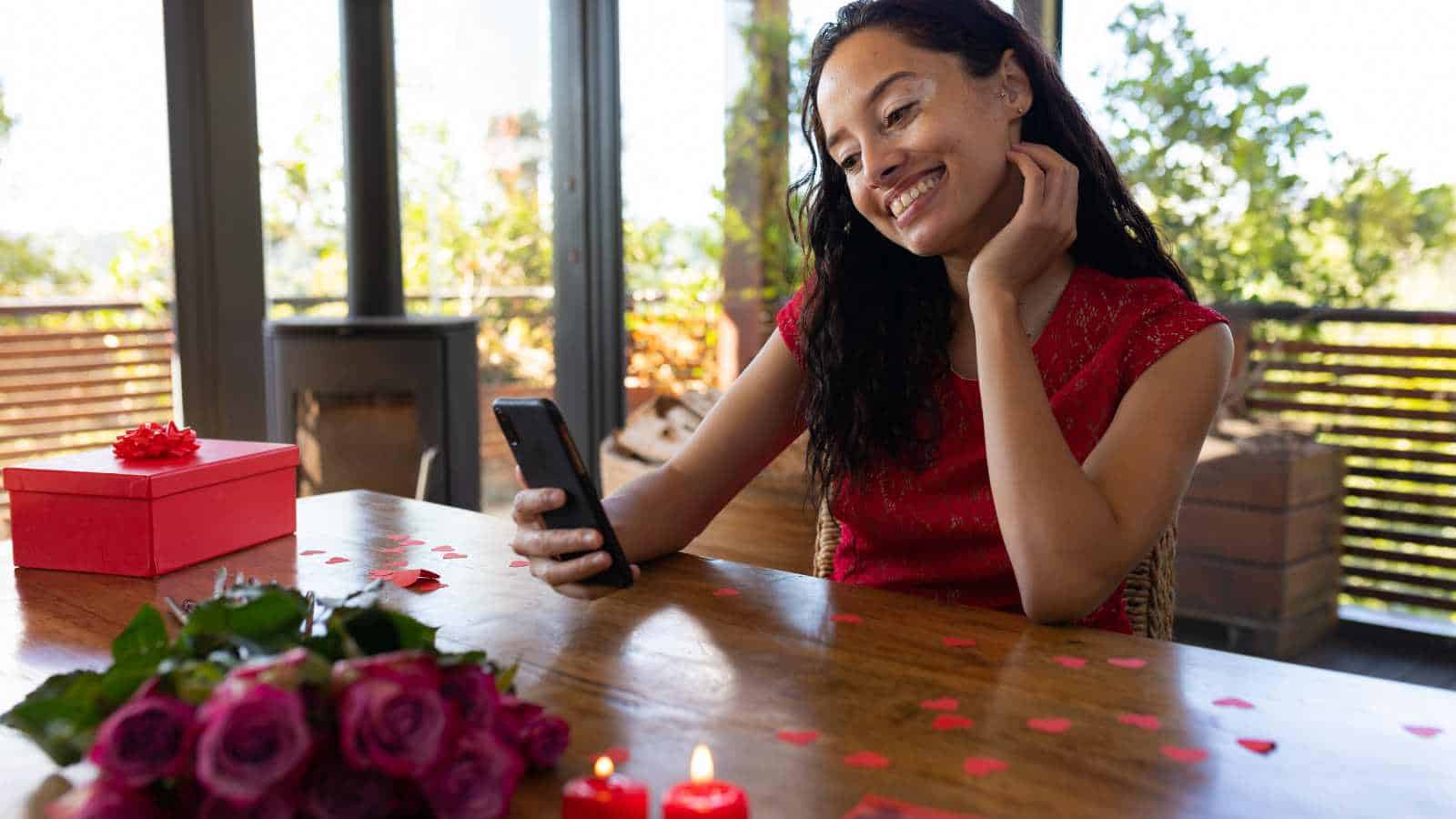
Dating was more definite. It can now stalk individuals during lunch breaks, late evenings, gym workouts, and silent weekends. Forbes Health found that users spend nearly 51 minutes daily on dating apps, and 78 percent report that this time makes them feel burned out.
There is a push for more voice notes and conversation, indicating that several daters have been starved for human-sounding communication.
Constant texting keeps the brain half-occupied and seldom fully satisfied. The constant flow of messages, notifications, and frozen conversations might make dating feel like a second shift with no time to step away.
Date-flation adds a financial sting to romantic stress

It is difficult to remain light-hearted when all the dates feel like budget choices. In the 2026 Real Financial Progress Index, released in February 2026, BMO found that the average American is currently spending $189 on a date, including grooming and gasoline, an increase of 12.5 per cent over 2025.
It was also reported that Americans spent an average of 2,323 on dates in the last year. Fifty percent said they had dated less or chosen cheaper options since prices continue to soar, and 47 percent of singles said it is just not economically worthwhile to date.
That fact alters the romantic climate of dating. Even a mere encounter can bring along some money anxiety before the discussion. Romance is no longer as sparkly as it used to be when inflation, trade-offs, and silent guilt accompany every outing.
Fear of rejection makes people hold back
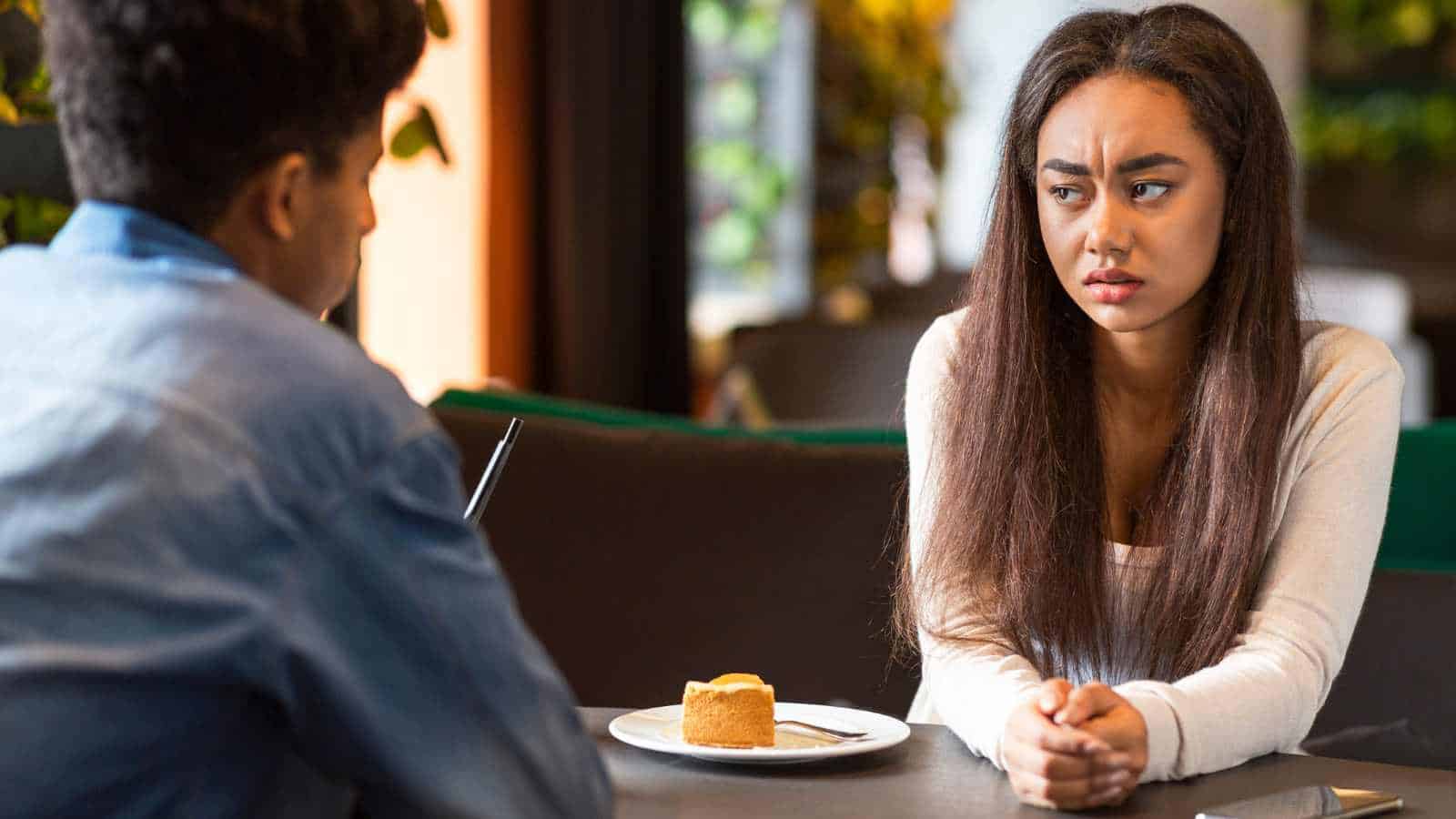
Many daters are nowadays safe because they never say what they actually mean. In 2024, Hinge published a report on Gen Z daters revealing that half had bailed on a potential relationship due to fear of rejection.
The same report revealed that 56% have not told anyone how they feel because they are afraid they would be rejected. The same issue is reflected in the 2025 follow-up statistics for Hinge, in a new way: 49 percent of daters declined to send a post-date message, citing fear of coming on too strong. The fear causes people to behave differently when they are not.
It transforms immediate interest into postponed messages, indiscriminate responses, and lost opportunities. Over time, such self-defense becomes tiring for both parties.
Vague commitment signals keep people stuck in limbo

Most of them do not want to coexist in a fog of small talk, yet a significant number of daters are conversing in hints rather than phrases. Desiring greater openness, honesty, and emotional fluency, and that clear-coding may become the rejection of gray signals.
Several single people believe that men and women are getting even more confused about each other in dating. Such a misunderstanding generates emotional traffic. Human beings take relationships too far because no one provides direction, boundaries, or purpose.
Key takeaway
Dating has become more tiring because the pressure comes from many directions at once. Apps generate overload, ghosting erodes trust, and social media trains individuals to anticipate polished magic. The fear of rejection and the fear of vulnerability are opposites, which is why individuals desire closeness while remaining hidden.
An increase in costs puts stress, and incessant phone contact leaves minimal time to rest. Past pain, ambiguous motives, and the universal comparison may make even prospective affiliations seem to work in the mind. The positive is basic and, oddly enough, human.
Using simpler words, setting lower expectations, adjusting boundaries, and reducing games can quickly lower the temperature.
Disclaimer – This list is solely the author’s opinion based on research and publicly available information. It is not intended to be professional advice.
Like our content? Be sure to follow us.