12 ways Gen Z is accidentally sabotaging their love lives with these new rules
You know that feeling when you have three dating apps, five unread DMs, and yet you’re sitting on your couch on a Friday night, wondering why you feel completely alone? It’s a paradox that defines the modern dating landscape: we are statistically the most connected generation in history, yet we are facing a profound intimacy crisis. Accidental? Maybe. But look closely, and you’ll see we’ve built a fortress of “new rules” designed to keep us safe that are actually keeping us single.
I’ve been there, swiping until my thumb cramps, analyzing a text for three hours, and then deciding to stay home because it’s “safer.” But the data is alarming. According to the comprehensive 2025 “Singles in America” study by the Match Group, 45.7% of singles went on exactly zero dates in the past year, and nearly half of Gen Z adults report being single, a much higher rate than Millennials at the same age.
We aren’t just “unlucky” in love; we are actively engineering the risk out of it. By trying to optimize our love lives like a software update, we’re accidentally sabotaging the messy, beautiful human connection we actually crave.
Here are 12 ways Gen Z is accidentally sabotaging their love lives with these new rules.
Weaponizing therapy speak to avoid real conflict.

We love our therapy concepts, don’t we? But somewhere along the line, we started using clinical terms as shields to deflect accountability. “Boundaries” were initially meant to protect your own energy, but now people use them to control their partner’s behavior (e.g., “It’s my boundary that you don’t talk to that friend”). As relationship experts note, this turns healthy negotiation into a non-negotiable ultimatum, effectively shutting down the conversation before it begins.
This linguistic gymnastics creates an environment where standard relationship friction is pathologized. If a partner disagrees with your version of events, you might accuse them of “gaslighting.” If they need space, they are labeled “avoidant.” Dr. Sabrina Bendory, a relationship expert and coach, points out that these labels often become “emotional shortcuts” that let us discard people rather than do the hard work of understanding them. By diagnosing our dates instead of talking to them, we protect our ego but kill the intimacy.
Keeping a “roster” causes central decision paralysis

Remember when dating meant focusing on one person at a time? Now, the “roster” mentality, keeping a lineup of potential partners on rotation, is the standard. It feels smart, like diversifying a stock portfolio to avoid a crash. But this approach creates a “Overwhelm Paradox,” where having too many choices actually makes us less satisfied with any of them.
When you treat people like Pokémon cards you need to collect, you inadvertently strip away their humanity. 53% of singles report dating burnout, largely because maintaining shallow connections with five people is exhausting compared to building a deep connection with one. You can’t nurture a relationship when you’re constantly looking over your shoulder to see if someone better is warming up on the bench.
Staying in “situationships” to avoid the risk of labels

We’ve all been there: acting like a couple, sleeping together, but refusing to put a label on it because “labels are restrictive.” Enter the “situationship”, the romantic purgatory where a majority of Gen Z singles find themselves because they claim they aren’t “ready” for a relationship.
While it feels safer to keep things undefined, this ambiguity usually leads to a “delusionship”, a fantasy relationship that exists primarily in your head. You end up doing all the emotional labor of a partner without any of the security. By refusing to define the relationship (DTR), you aren’t keeping your options open; you’re just guaranteeing that you’ll eventually get your heart broken without even having the “right” to mourn it. IMO, it’s a trap we set for ourselves.
Letting “the ick” dictate your romantic future

Social media has gamified the rejection process through “The Ick.” Suddenly, a potential soulmate is disqualified because they chased a ping pong ball weirdly or used the wrong emoji. This hyper-criticism forces us to view partners through a lens of performative perfection rather than human connection.
Psychologists suggest that getting the “ick” is often a defense mechanism, a way to push people away when intimacy starts to feel too real or scary. We scrutinize “beige flags” (neutral traits like eating pizza with a fork) until they become dealbreakers. If you reject everyone who isn’t an aesthetically perfect avatar, you sabotage your chance at loving a real, flawed human being.
Confusing hyper-independence with healing

We wear our independence like a badge of honor. Trends like “Boy Sober”, where women opt out of dating entirely to “de-center men,” are framed as empowering acts of self-care. While taking a break is healthy, hyper-independence is often a trauma response.
It manifests as a refusal to ask for help or a fear of relying on others, making it impossible to build a partnership. People with hyper-independence avoid asking for help because they fear being a burden. By convincing ourselves that “I don’t need anyone,” we end up building walls so thick that no one can get in. You can’t have a partnership if you refuse to let anyone be your partner.
Treating political alignment as a rigid personality test

Politics have always mattered, but for Gen Z, they are the ultimate filter. We are seeing a historic 51-point gender gap in political leanings, with young women trending liberal and young men trending conservative. This isn’t just about taxes; it’s about fundamental values like reproductive rights.
However, this rigidity creates a “dating desert.” A 2025 eharmony report found that 28% of Gen Z singles say differing political views are a deal-breaker, a figure significantly higher than that of previous generations. While shared values are crucial, treating every political nuance as a moral failing reduces the dating pool to a puddle. We risk creating echo chambers where we only date carbon copies of ourselves, missing out on the growth that comes from challenging conversations.
Prioritizing the “soft launch” over the actual relationship

The “Soft Launch”, posting a photo of your partner’s hand or the back of their head, seems like a way to protect privacy. But let’s be real: it’s often a performance for our audience. It treats the relationship as content first and a connection second.
This behavior can backfire by creating anxiety. Is he hiding me? Why am I just an elbow in his story? Soft launching can breed insecurity and confusion if you aren’t on the same page about why you’re doing it. When you prioritize the aesthetic of the relationship over its reality, you invite the opinions of hundreds of strangers into your private life.
Judging “low effort” dates too harshly

The “Coffee Date War” on TikTok is exhausting. Many Gen Zers refuse coffee dates, labeling them “low effort” and demanding dinner as a sign of financial investment. But here is the reality check: Gen Z spends an average of $194 per date, despite having the least disposable income.
By enforcing these strict financial hurdles, we gatekeep romance based on wallet size rather than chemistry. 52% of Gen Z feel that the cost of dating holds them back. Rejecting someone because they suggested a latte instead of lobster ignores the fact that financial compatibility is built through communication, not a receipt on date one.
Mistaking trauma dumping for deep connection

We value authenticity, but we’ve confused it with “trauma dumping.” Sharing your deepest childhood wounds on a first date isn’t intimacy; it’s accelerationism. We try to fast-forward past the awkward small talk to get to the “real stuff,” but true intimacy requires a foundation of trust that takes time to build.
Experts warn that this “radical transparency” can cross a boundary and overwhelm a potential partner. It creates a false sense of closeness, often called “trauma bonding” in pop culture (though that’s technically incorrect), that collapses as soon as the adrenaline wears off. You sabotage the fun, lighthearted phase of dating by turning date one into a therapy session.
Tracking their location instead of building trust
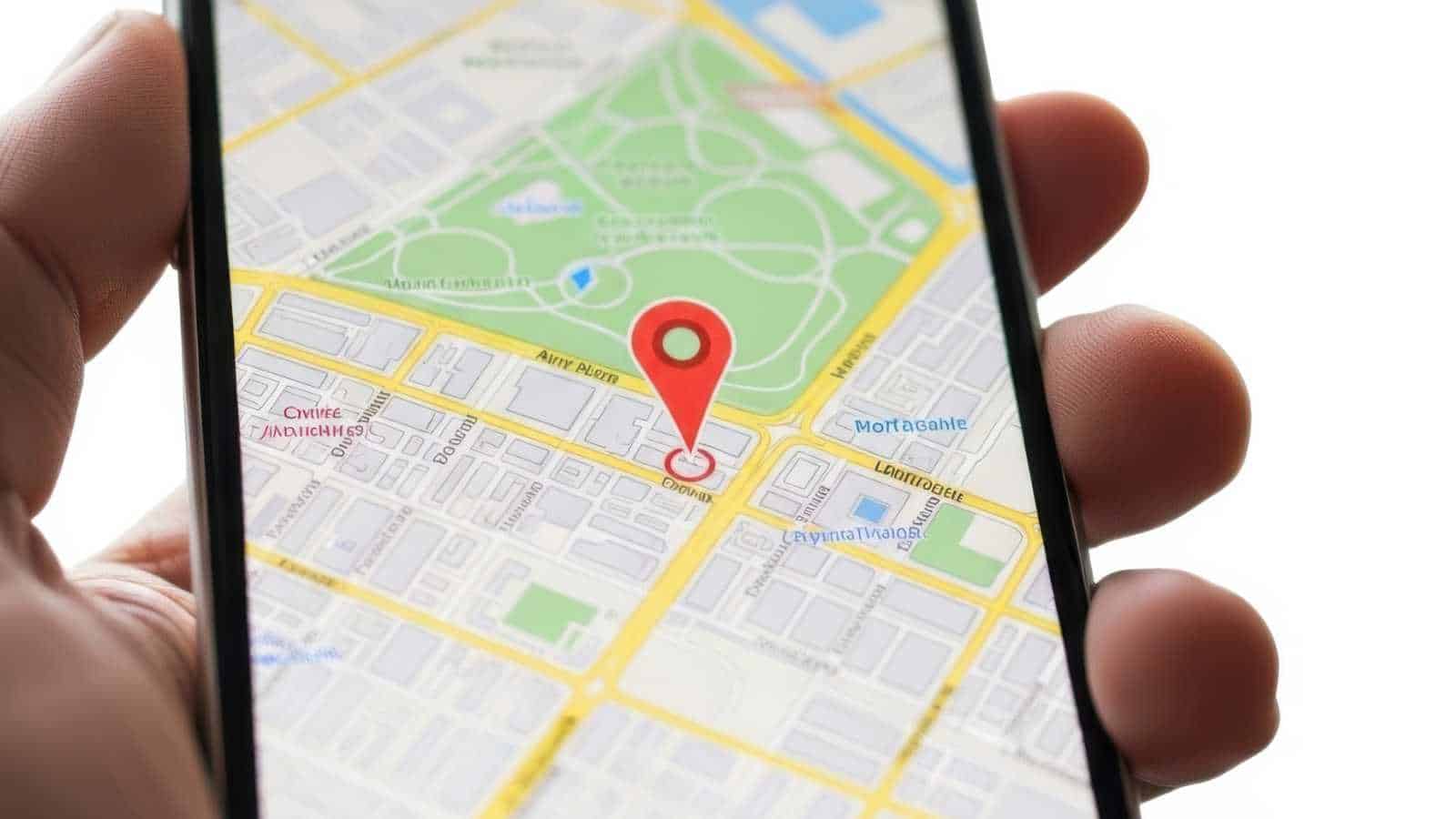
With apps like Find My and Snap Map, we have normalized 24/7 surveillance. We track our partners’ locations under the guise of “safety,” but it often morphs into digital paranoia.
This erodes the foundational element of any relationship: trust. If you need to check an app to know your partner is loyal, you don’t trust them. This constant monitoring leads to “micro-cheating” accusations over minor digital interactions, such as liking a post or following a new account. It creates a high-pressure environment where your partner feels policed rather than loved.
Using AI to write your love letters

Yes, we are actually doing this. 49% of Gen Z have used AI in dating contexts, using tools like ChatGPT to write their bios or craft the perfect witty response to a text.
Here is the problem: you are outsourcing your personality. When you finally meet in person, the “authenticity gap” is glaring. You can’t ask ChatGPT how to hold eye contact or navigate an awkward silence. By relying on AI, we sabotage our own social skills and present a polished, fake version of ourselves that we can’t sustain in real life. FYI, a robot can’t fall in love with you.
Ghosting to avoid five minutes of awkwardness

Ghosting has become the industrial standard for breaking up. 77% of Gen Z admit to ghosting someone, viewing it as a way to avoid conflict. We tell ourselves it’s “kinder” than a rejection text, but psychologically, it’s devastating for both parties.
For the ghosted, it creates confusion and low self-esteem. For the ghoster, it reinforces a pattern of avoidance and prevents you from learning how to communicate complex emotions. It establishes a low-trust dating economy where everyone is terrified to invest because they expect to vanish into thin air.
Key Takeaway

We aren’t doomed, but we are definitely getting in our own way. Gen Z is the most self-aware generation, yet we’ve built a romantic culture defined by fear, fear of rejection, fear of settling, and fear of vulnerability. The data shows we are lonely, burnt out, and financially stressed, but the solution isn’t more rules or more walls.
To fix this, we have to brave the “cringe.” Send the double text. Accept the coffee date. Have the awkward “what are we” conversation. Drop the roster and pick a person. The only way to find the connection we are starving for is to stop trying to optimize love and start actually feeling it, mess and all.
Disclosure: This article was developed with the assistance of AI and was subsequently reviewed, revised, and approved by our editorial team.
20 Odd American Traditions That Confuse the Rest of the World
20 Odd American Traditions That Confuse the Rest of the World
It’s no surprise that cultures worldwide have their own unique customs and traditions, but some of America’s most beloved habits can seem downright strange to outsiders.
Many American traditions may seem odd or even bizarre to people from other countries. Here are twenty of the strangest American traditions that confuse the rest of the world.