13 aspects of modern society that seniors detest
Progress was supposed to make life simpler, yet for many seniors, it has transformed familiar routines into exhausting obstacles.
The pace of daily life can feel like a whirlwind for those who grew up in a slower era. While innovation often promises convenience, it frequently leaves older generations feeling alienated and frustrated by the new hurdles they must clear to buy groceries or watch television. Technological advancements do not always equate to progress for someone who values human connection over digital efficiency.
Many seniors feel that the world is moving away from the tactile and personal interactions they have spent decades mastering. They watch as familiar routines are upended by screens, automation, and a culture that seems to value speed above all else. This list highlights the specific modern annoyances that make the golden years feel a bit more like an obstacle course.
The Influencer Economy
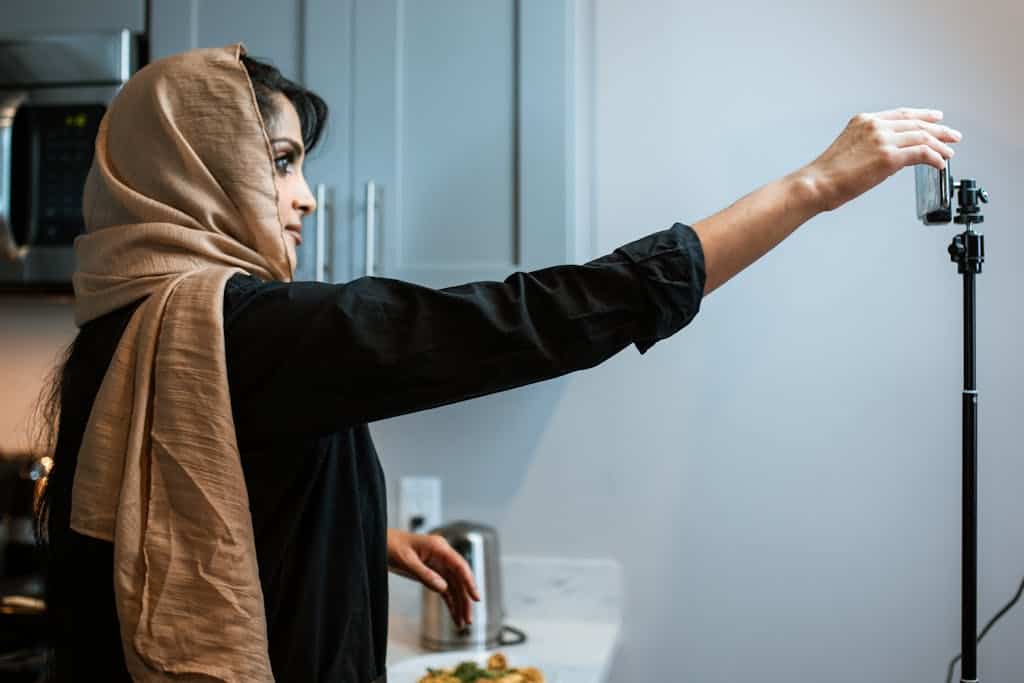
Fame used to be the result of a tangible talent, such as acting, singing, or leading a nation through a crisis. Now, people become celebrities simply for documenting their breakfast or performing dangerous pranks for clicks on a screen. Hard work seems to have taken a backseat to viral stunts and selfies in the quest for social status.
For seniors, watching young people film themselves dancing in the middle of a busy sidewalk is a bizarre and narcissistic spectacle. It appears to lack humility and focuses entirely on the self rather than the community. Watching people film themselves in public is a confusing sight for older people who value privacy.
The Disappearance Of Hard Cash

For decades, carrying a wallet full of bills was the ultimate sign of preparedness and financial responsibility. Now, seeing a “Card Only” sign at a coffee shop feels like a personal rejection of legal tender that has worked perfectly fine for centuries. We can’t forget that handling physical money offers a sense of control that tapping a plastic card cannot replicate.
The trend toward a cashless society is not just annoying; it is genuinely isolating for older adults who rely on cash for budgeting. According to the Pew Research Center, roughly 14% of Americans still use cash for all or almost all of their weekly purchases. Many businesses refusing to accept dollar bills feel like a direct snub to this demographic that prefers tangible currency.
Restaurant Menus Via QR Code

The ritual of sitting down to a nice dinner used to involve opening an extensive, leather-bound menu and chatting with the server. Today, that experience is often replaced by a small black-and-white square taped to the table, requiring a smartphone to see which soups are available. Staring at a tiny screen kills the social vibe of dining out and forces diners to engage with tech before they engage with each other.
Seniors often find themselves squinting at their phones, pinching and zooming to read the font, rather than enjoying the ambiance. CNN cites a Technomic study finding that 88% of customers prefer physical menus to digital ones, showing that this preference is not limited to older customers. It turns what should be a relaxing meal into a frustrating tech support session right at the dinner table.
The Self-Checkout Lane
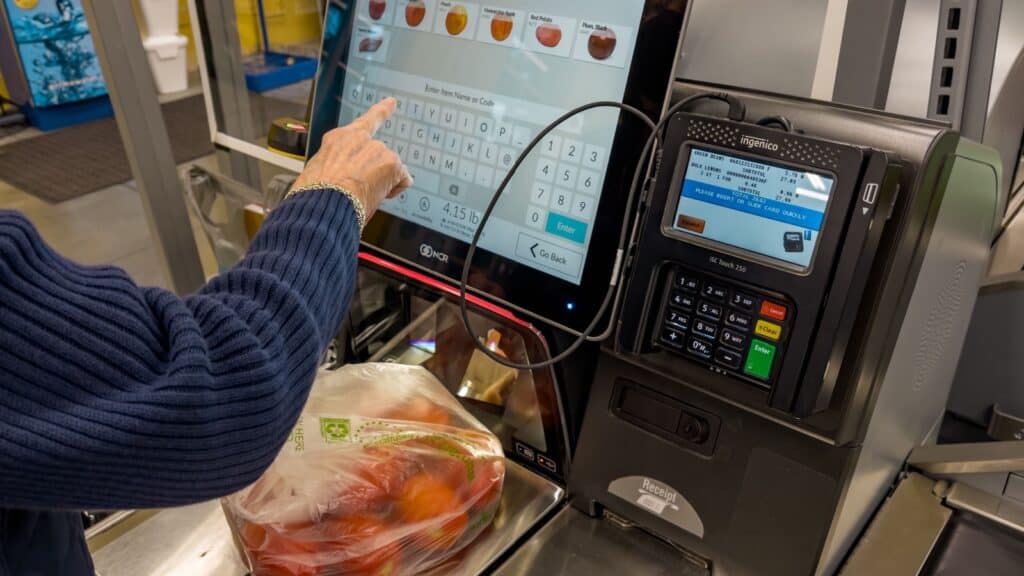
Grocery shopping was once a social activity where you could exchange pleasantries with a cashier who might know your name. Now, shoppers are expected to scan, bag, and pay for their own items while a machine barks orders about “unexpected items” in the bagging area. It feels less like convenience and more like performing unpaid labor for the store while paying higher prices.
The technology is far from perfect, leading to delays that flush the face with embarrassment when the red light starts flashing. A Retail Dive report found that 67% of shoppers have experienced a self-checkout failure, requiring an employee to come over and fix it. Instead of a friendly chat with a cashier, customers get a robotic voice and a stress headache.
Customer Service Without Humans

Trying to resolve a billing error or fix a service outage has become a test of endurance involving endless phone trees. You press zero repeatedly, hoping to bypass the automated voice, only to be told to visit a website for “faster service.” The simple act of getting help has become an endurance sport that seems rigged to make you give up before you reach a person.
The lack of empathy in these automated systems is a significant pain point for a generation used to shaking hands and looking people in the eye. PWC found in a survey that 59% of consumers feel companies have lost touch with the human element of customer experience. Talking to a robot feels like shouting into a void where logic and nuance have no place.
The Subscription Economy

It used to be that when you bought something, you owned it forever, whether it was a movie, a software program, or a heated car seat. The modern shift to subscription models means you are essentially renting your entire life in monthly installments that never end. The concept of perpetually paying for access is baffling to a generation that values ownership and permanence.
These small monthly fees add up quickly, often draining bank accounts without the account holder realizing the total impact. A study by C+R Research found that the average American spends about $219 a month on subscription services, a figure that shocks those on a fixed income. Forget paying once; now you must pay forever to keep the lights on in your digital life.
Fast Fashion And Disposable Goods
There was a time when a toaster or a winter coat was an investment meant to last for ten or twenty years. Today, shelves are stocked with cheap items made from flimsy materials that are destined for the landfill within a few seasons. Now, buying a household appliance is like buying a lottery ticket that might expire in a year.
This “throwaway culture” offends the sensibilities of those who were raised to mend, repair, and make do. The craftsmanship is gone, replaced by glued plastic components that cannot be fixed even if you wanted to try. They remember clearly when repairing something was cheaper and smarter than replacing it with a new, inferior version.
Password Fatigue
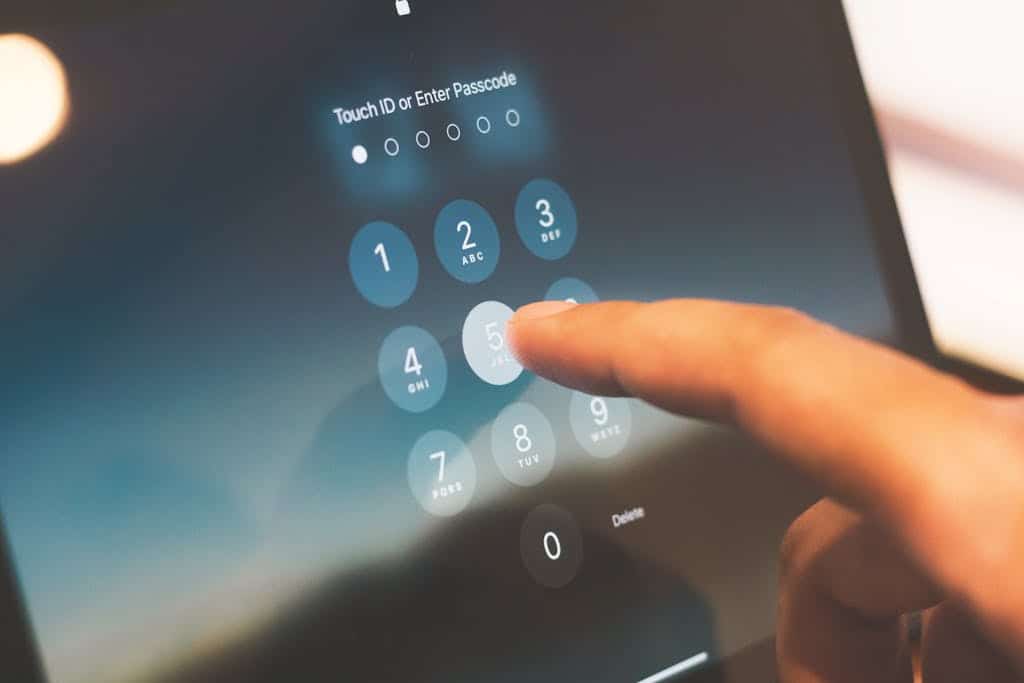
Security is essential, but the requirement to have a different complex password for every single account is overwhelming. You need a capital letter, a symbol, a number, and the blood of a mythical creature to pay your electric bill online. Keeping track of fifty different login codes is a full-time job that requires the memory of a supercomputer.
Writing them down in a notebook is considered a security risk, but the alternative is locking yourself out of your own accounts. NordPass research indicates that the average person has about 168 passwords to manage, which is a staggering mental load. The digital keys to our lives have become so numerous that they are effectively keeping us out instead of letting us in.
E-Scooters On Sidewalks
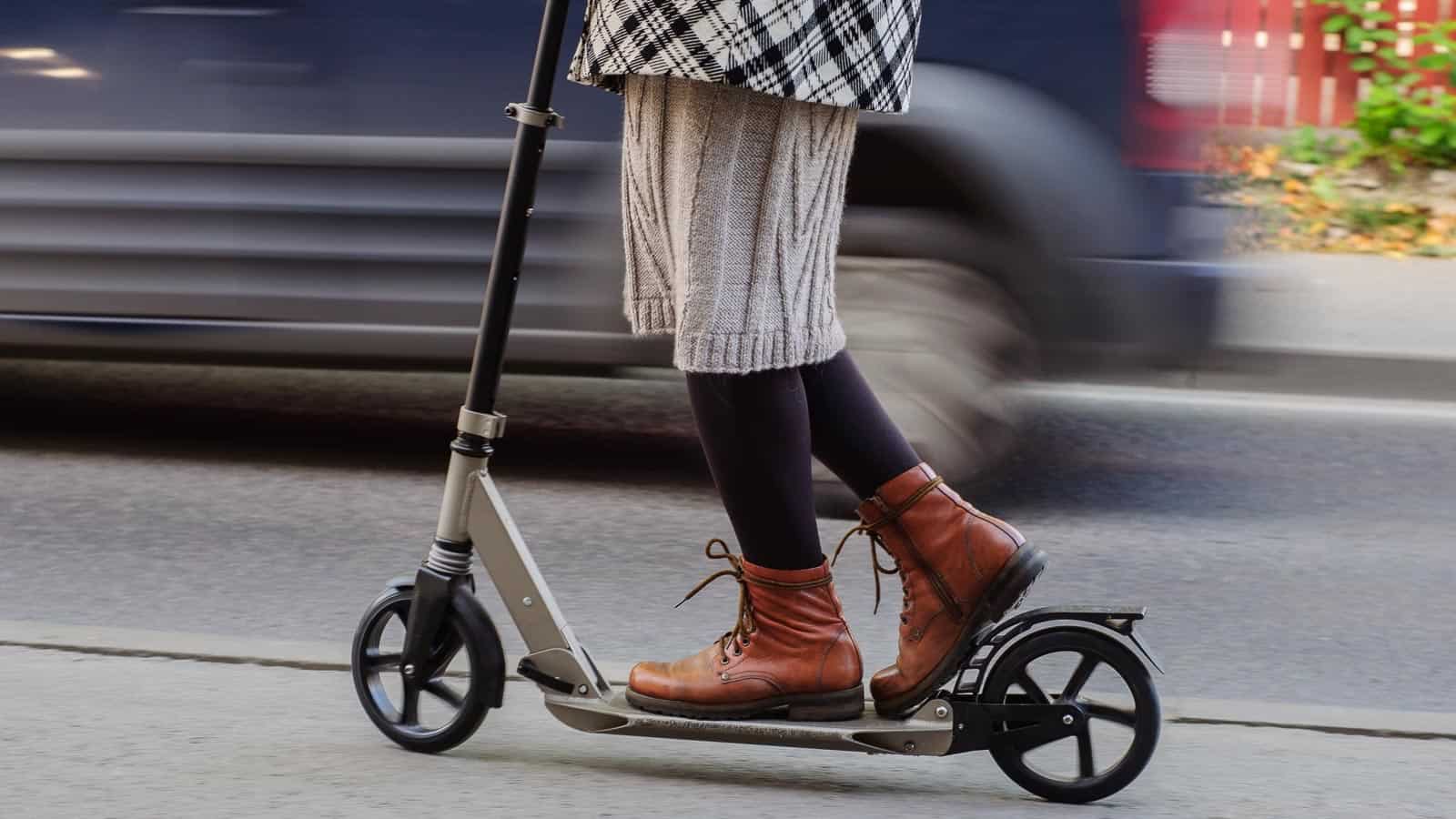
Walking down a city street was once a leisurely activity, but now it involves dodging silent, motorized vehicles zooming by at twenty miles per hour. Electric scooters are often left scattered across sidewalks like debris, creating tripping hazards for everyone. Walking down the street feels like a high-stakes video game where you are the target.
For seniors with mobility issues or vision impairments, these scooters are not just annoyances; they are genuine dangers. The clutter blocks wheelchair ramps and narrows the path, making accessibility a nightmare. Tripping over a discarded scooter is a very real fear for anyone who needs a clear path to walk safely.
Ghosting Culture

Dating and social etiquette have shifted drastically, leaving behind the basic courtesy of a goodbye. “Ghosting,” or simply vanishing without a word, is now a common way to end relationships or even friendships. Simply vanishing without a word is seen as the height of rudeness to those who value manners.
In the past, even a difficult breakup involved a conversation, or at the very least, a letter. Now, silence is the message, leaving the other person confused and without closure. A simple phone call to say goodbye is apparently too much to ask in this era of detached digital communication.
Complicated Smart Appliances
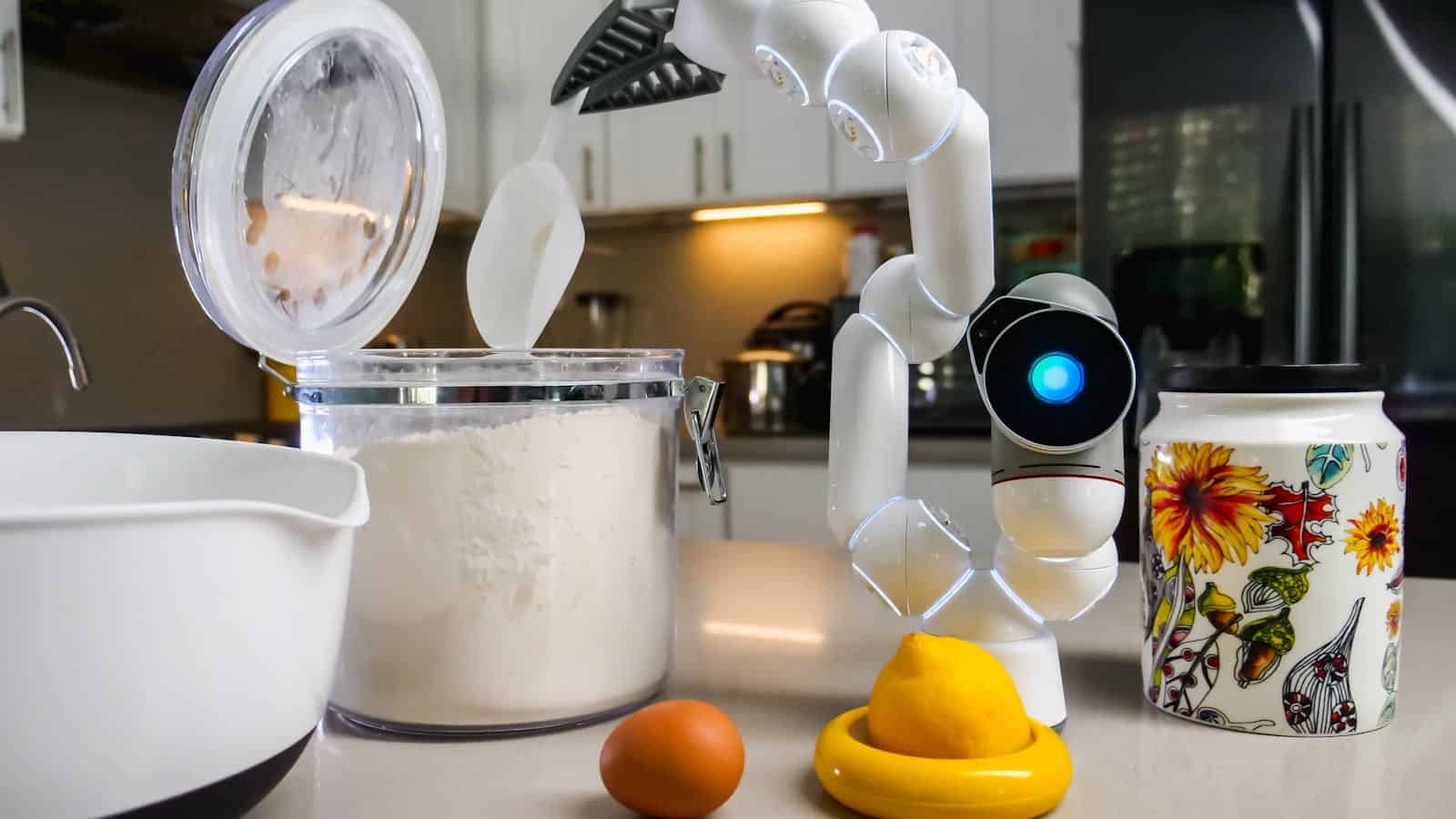
A refrigerator should keep food cold, and a washing machine should wash clothes, but modern versions try to do too much. Seniors often find themselves fighting with “smart” appliances that require Wi-Fi connections and firmware updates to operate. Sometimes you want a glass of cold milk without having to download a software patch first.
Feature creep has made simple household tasks unnecessarily difficult for those who are not tech-enthusiasts. The user manuals for these machines are often thick, engineering-style books. The manual for a modern washing machine rivals a flight manual in thickness and confusion.
Invasive Noise Levels

Restaurants and public spaces have embraced an industrial aesthetic with hard floors, exposed brick, and no curtains. This design amplifies sound to deafening levels, making conversation across a table nearly impossible for anyone with hearing difficulties. Hearing your dinner companion shouldn’t require a hearing aid or shouting at the top of your lungs.
The background music is often cranked up to club levels, drowning out any hope of a peaceful chat. It creates an environment that is hostile to relaxation and hard on the ears. Acoustics are often sacrificed for a sleek look that leaves everyone with a headache by dessert.
Relentless Robocalls

The telephone was once a lifeline to family and friends, a source of joy when it rang in the hallway. Now, a ringing phone triggers anxiety because it is almost certainly a scammer or a robot trying to sell extended car warranties. The phone used to be a trusted tool, but now it feels like an intrusion into the sanctity of the home.
The volume of these calls is staggering, and the financial impact on older adults is heartbreaking. According to Truecaller, Americans lost nearly $40 billion to phone scams in 2022 alone. Preying on the vulnerable has become a massive, automated industry that ruins the peace of mind of millions.
15 Things Women Only Do With the Men They Love

The 15 Things Women Only Do With the Men They Love
Love is a complex, beautiful emotion that inspires profound behaviors. We express our love in various ways, some universal and others unique to each individual. Among these expressions, there are specific actions women often reserve for the men they deeply love.
This piece explores 15 unique gestures women make when they’re in love. From tiny, almost invisible actions to grand declarations, each tells a story of deep affection and unwavering commitment.