13 classic groceries making a comeback thanks to rising prices
Do food preferences really signal the state of the economy?
History suggests they often do. During periods of economic stress, grocery carts quietly change. Expensive proteins disappear, luxury ingredients fade, and shoppers drift toward the center aisles where shelf-stable staples live. The shift is rarely ideological; it is practical.
Economists sometimes track these small behavioral pivots because they reveal how households absorb inflation in real time. When food prices rise faster than wages, consumers begin rediscovering older, inexpensive ingredients that once defined frugal kitchens.
Across supermarkets today, that pattern is emerging again. From canned tuna to powdered milk, a group of classic grocery staples is quietly returning to prominence as shoppers search for affordable ways to feed their households.
Canned Tuna
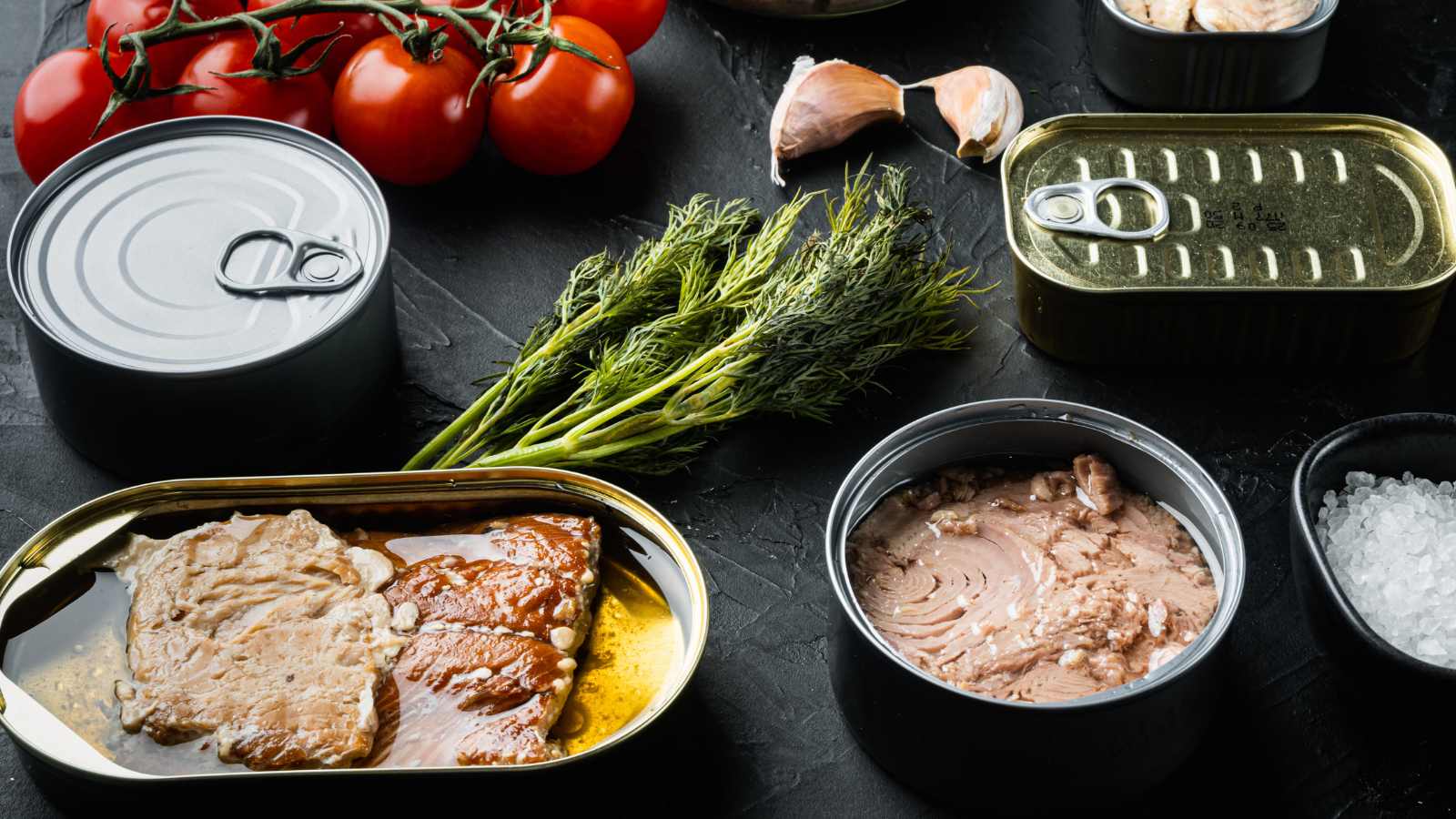
Fresh halibut and wild salmon now command prices that rival those of luxury jewelry. This economic shift pushes shoppers toward the center aisles. Canned tuna currently serves as a reliable hedge against meat inflation.
Data from the National Fisheries Institute suggests a pivot back to shelf-stable seafood. High-grade albacore offers an omega-3 profile similar to fresh fillets at a 70% discount. Analyst Anne-Marie Roerink of 210 Analytics notes that canned seafood sales volume remains resilient, while fresh counters see foot traffic decline.
Today, its simplicity translates to survival. Concerns about mercury in canned tuna, as some researchers suspect, should limit consumption. However, the FDA maintains that light tuna remains a safe, affordable primary protein for most adults. It offers a dense nutritional yield without the volatility of the fresh fish market.
Spam and Potted Meats
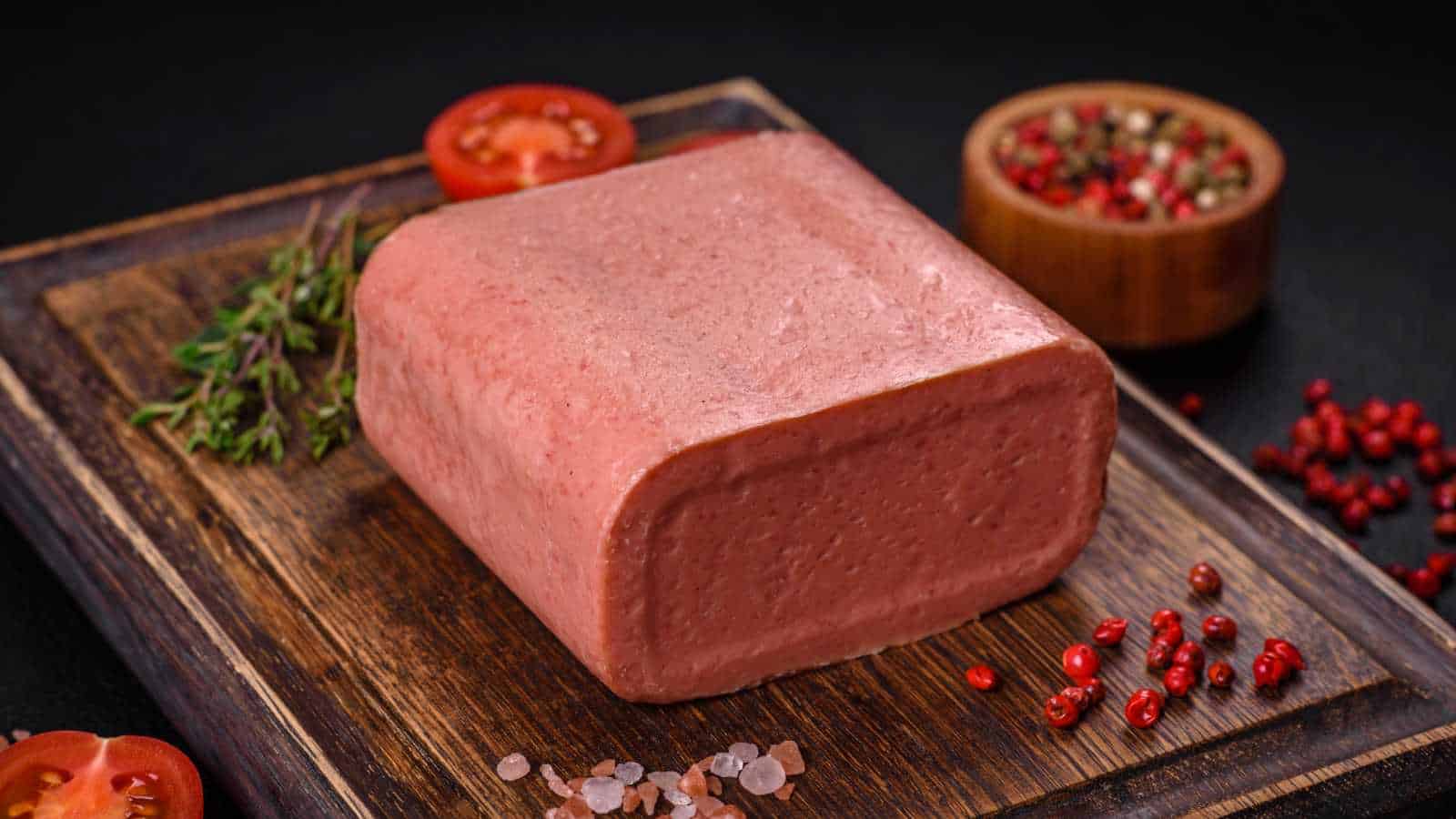
Budget-conscious shoppers no longer view canned pork as a relic of the Great Depression. Hormel Foods recently reported record net sales of $12.1 billion. This growth stems from a desire for pre-cooked, shelf-stable fats.
During the 1940s, Spam became a global commodity because it survived any climate. Modern consumers use it to mimic the flavor of expensive pork belly or bacon. It functions as a salty, savory base for complex meals.
Food historian Robert Ku emphasizes that Spam represents industrial ingenuity in times of scarcity. Some nutritionists warn against high sodium levels in these vintage products. They suggest they cannot replace fresh lean cuts.
Yet the cost per ounce makes it an undeniable winner for families. It provides a massive caloric return for a handful of coins.
Hamburger Helper
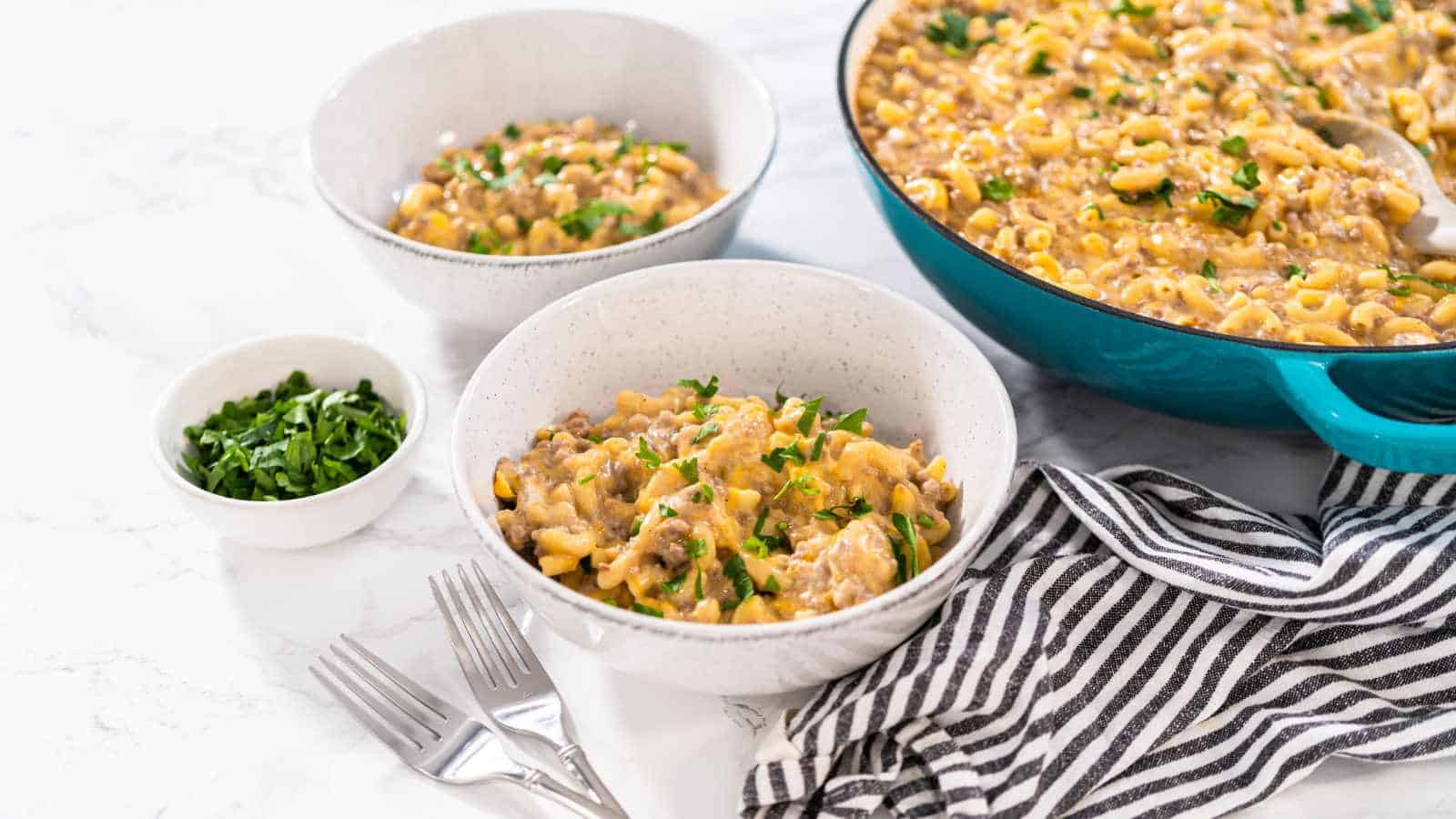
As with any other classic food, consumers give different feedback. Opponents claim the processed nature of these kits lacks nutritional depth. Proponents point to the sheer efficiency of the caloric distribution. You gain a hot meal in twenty minutes for less than the price of a coffee shop sandwich.
Old-school meal kits are reclaiming territory in the pantry. These boxes gained fame in the 1970s during the national beef shortage. They allow a single pound of ground meat to feed a family of five. General Mills has observed a shift toward value-seeking behavior among younger demographics.
The mechanics are simple. Starch and dehydrated sauce powders increase the dish’s volume. This prevents the need for expensive side dishes. These shortcuts saved the American middle class during previous recessions.
Dried Beans
Dry legumes offer the lowest cost per gram of protein in the grocery store. A bag of pinto beans or lentils costs pennies compared to a ribeye. The Global Pulse Confederation notes a surge in pulse-based diets driven by necessity.
These items can be stored for years without losing their structural integrity. They expand significantly when hydrated, doubling your initial investment.
Ancient Roman writers like Pliny the Elder praised the bean for its ability to sustain the masses. Modern agricultural studies show that beans require far less water and land than livestock. The long soaking times make them inconvenient for busy workers.
However, a slow cooker eliminates this barrier. It turns a bag of hard seeds into a rich, creamy foundation for any cuisine.
Dried Vegetables
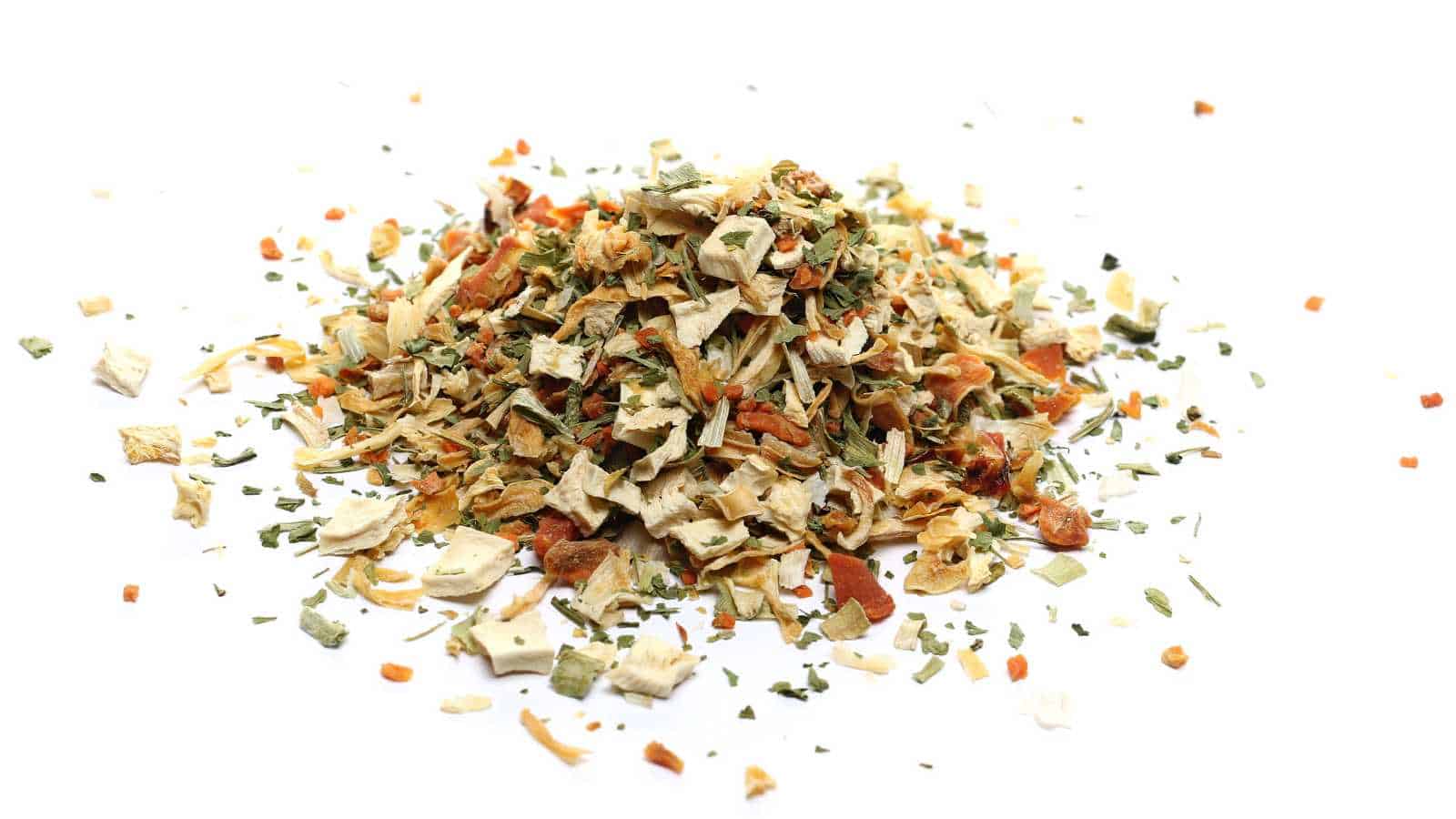
Although dried vegetables lose their texture, this misses the point of their utility. They provide a massive umami punch to soups and stews for a fraction of the weight and price.
Dehydrated carrots and sundried tomatoes are moving from specialty shops to bulk bins. Shoppers realize that fresh produce often rots before they use it. This represents a total capital loss. Dried vegetables offer a concentrated flavor profile and zero waste.
The USDA estimates that Americans throw away 30% of their fresh groceries. Drying preserves the harvest at peak nutrition. In the classic text The Long Winter, Laura Ingalls Wilder described the reliance on dried stores to survive lean months. It is a proven strategy for economic stability.
Bouillon Cubes
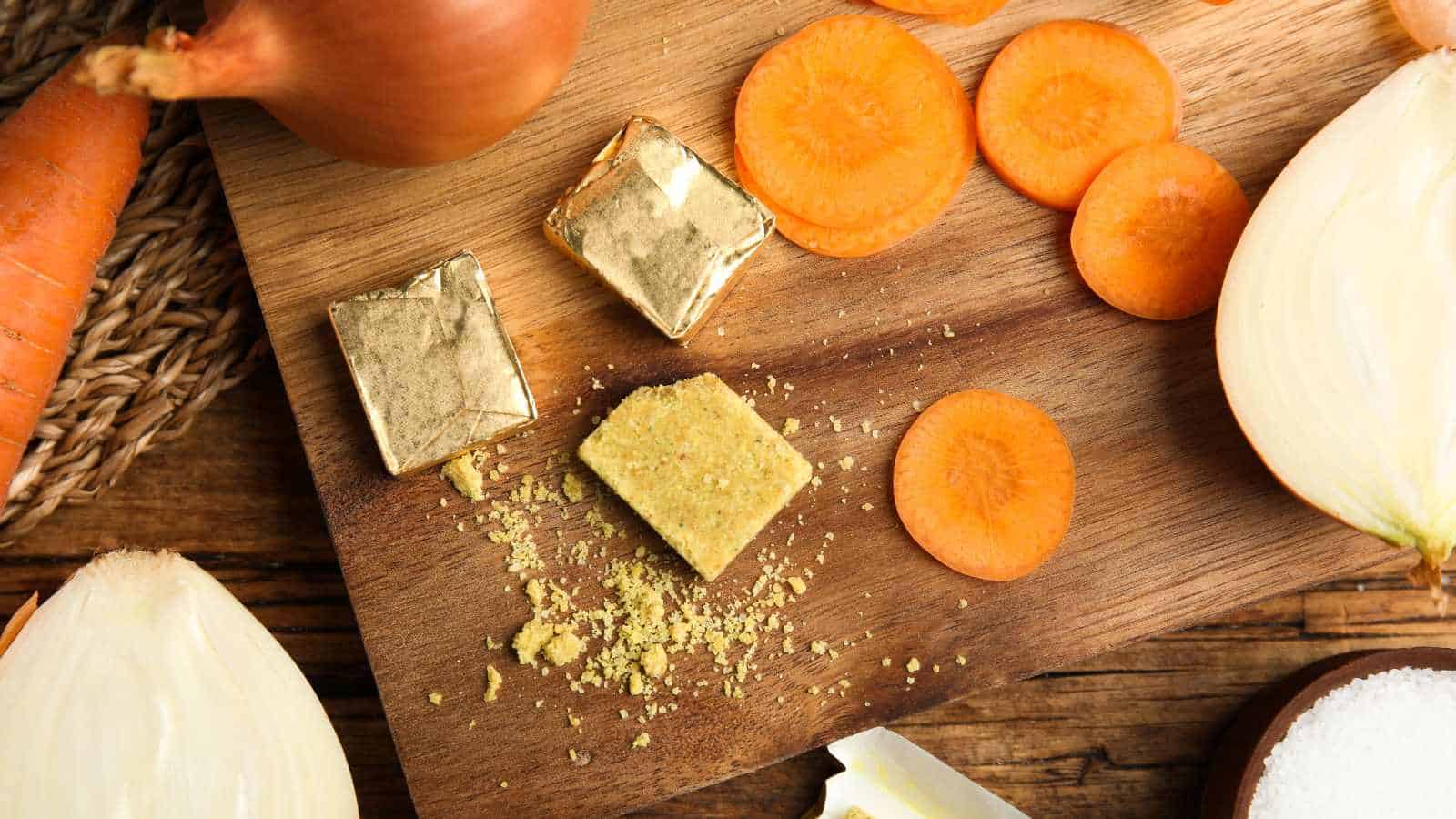
Liquid stock in cartons is expensive and mostly consists of water. Savvy cooks are returning to the humble bouillon cube or powder. These small items act as concentrated flavor bombs. One jar of powder can produce thirty gallons of broth.
This replaces the need for expensive bottled sauces or fresh aromatics. Professional chefs often hide these in their kitchens to deepen a dish’s profile. The market expects the global bouillon market to grow steadily through 2030.
High-end culinary purists often prioritize the silky mouthfeel of gelatin found in bone-simmered stocks. Dehydrated cubes cannot replicate this collagen-rich texture. They offer an immediate salt-and-umami hit instead. This makes them a seasoning agent rather than a structural foundation.
A single cube often contains nearly half the recommended daily intake of salt. Modern science has largely debunked the myths surrounding Chinese Restaurant Syndrome and MSG. Still, the reliance on salt for preservation is a reality.
Powdered Milk
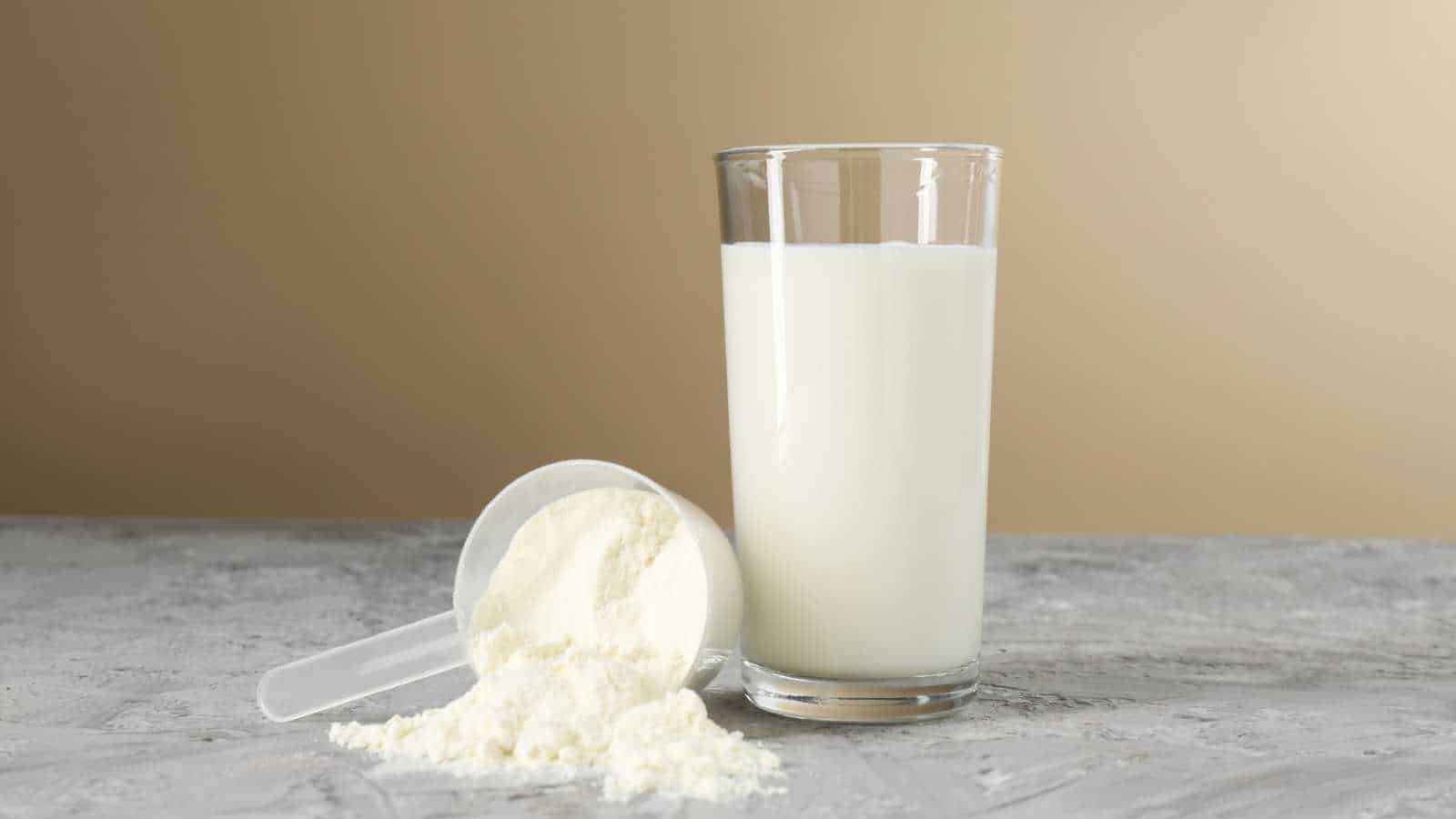
Fresh milk prices fluctuate wildly due to fuel costs and grain shortages. Powdered and evaporated milk offer a fixed price point. They do not spoil in five days. This eliminates the emergency run to the store, which often leads to impulse buys.
In the post-war era, powdered milk was a staple of every household. We are seeing that trend return. It works perfectly for baking and coffee. The Journal of Dairy Science confirms that the calcium and vitamin D content remains stable during the drying process.
The taste might vary. While some find the taste of reconstituted milk thin, its functional value in recipes is identical to fresh dairy. It serves as a financial safety net for the refrigerator.
Oatmeal
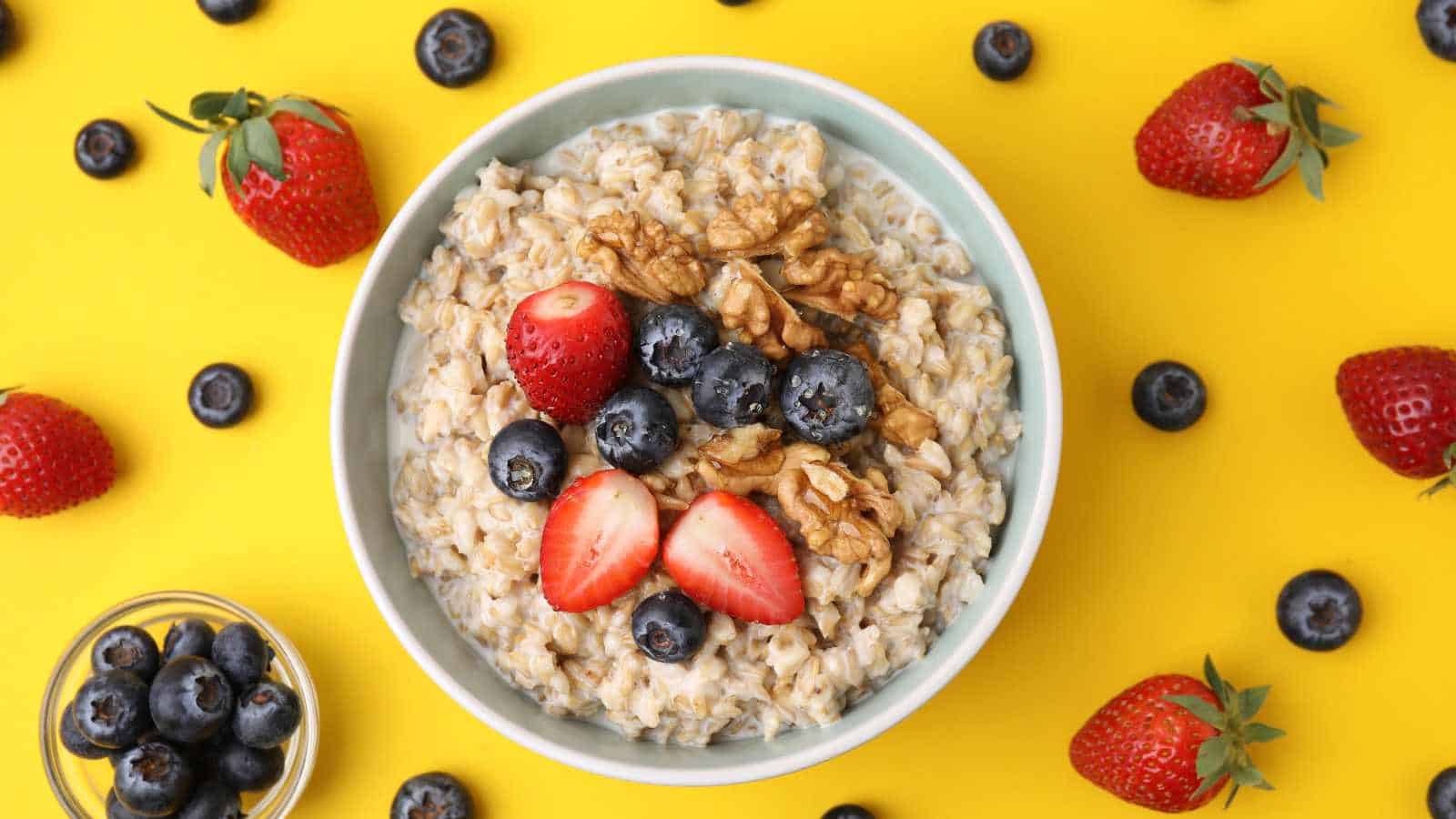
Steel-cut and rolled oats are the most efficient breakfast options available. They provide complex carbohydrates and fiber for a few cents per serving. This displaces expensive boxed cereals, which are mostly sugar and air.
The oatmeal index often rises during periods of high inflation. Oats keep consumers full longer than processed flour products. This reduces the urge to snack throughout the day, saving more money.
Henry David Thoreau famously lived on little more than grains at Walden Pond to prove a point about economy. He found freedom in the lack of expensive tastes. Oats represent that same freedom today. They are a blank canvas for whatever frozen fruit or spice you have on hand.
Potatoes

Potatoes remain the most versatile item in the produce section. They provide more potassium than bananas and more vitamin C than oranges. One ten-pound bag can serve as the basis for seven different meals.
Despite occasional supply chain hiccups, they remain shielded from the extreme inflation seen in trendy vegetables like kale or asparagus. The International Potato Center tracks how this tuber saves populations during food crises. It is a dense energy source.
Skeptics point to the high glycemic index. This ignores the fact that potatoes are rarely eaten alone. When paired with the aforementioned beans, they create a complete, extremely affordable nutritional profile.
Apples and Onions
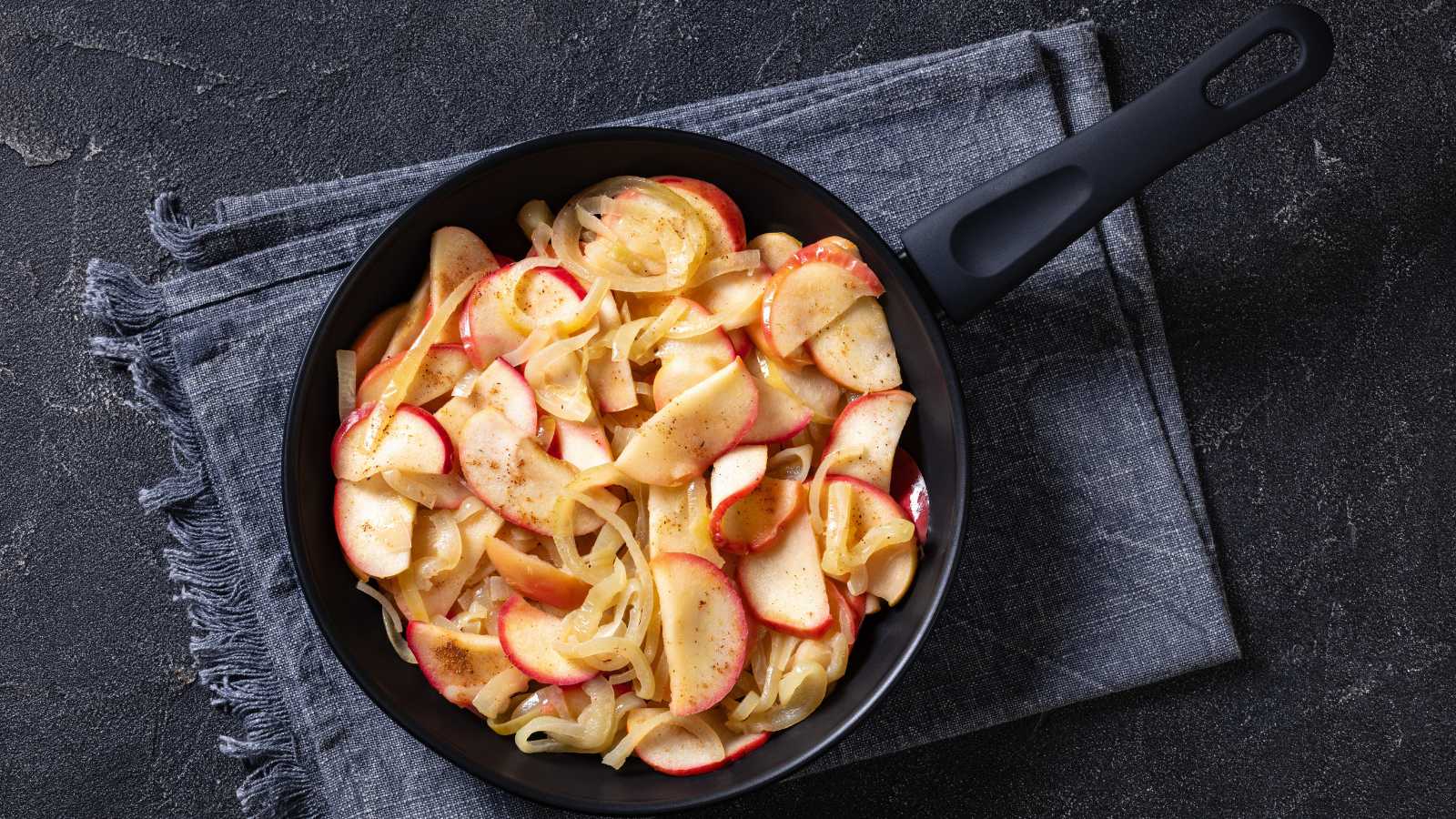
Exotic fruits and delicate lettuces are the first victims of rising transport costs. Apples and onions are different. They are sturdy. They ship well and store for months in cool environments. This durability keeps their prices stable. Onions provide the aromatic base for almost every global cuisine.
You cannot cook cheaply without them. Apples offer a fiber-rich snack that bruises less easily than berries. Research from Cornell University highlights the long-term storage capabilities of modern apple varieties. These are not luxury items; they are the workhorses of the kitchen.
They provide the crunch and zing needed to keep a budget diet from becoming monotonous.
Molasses
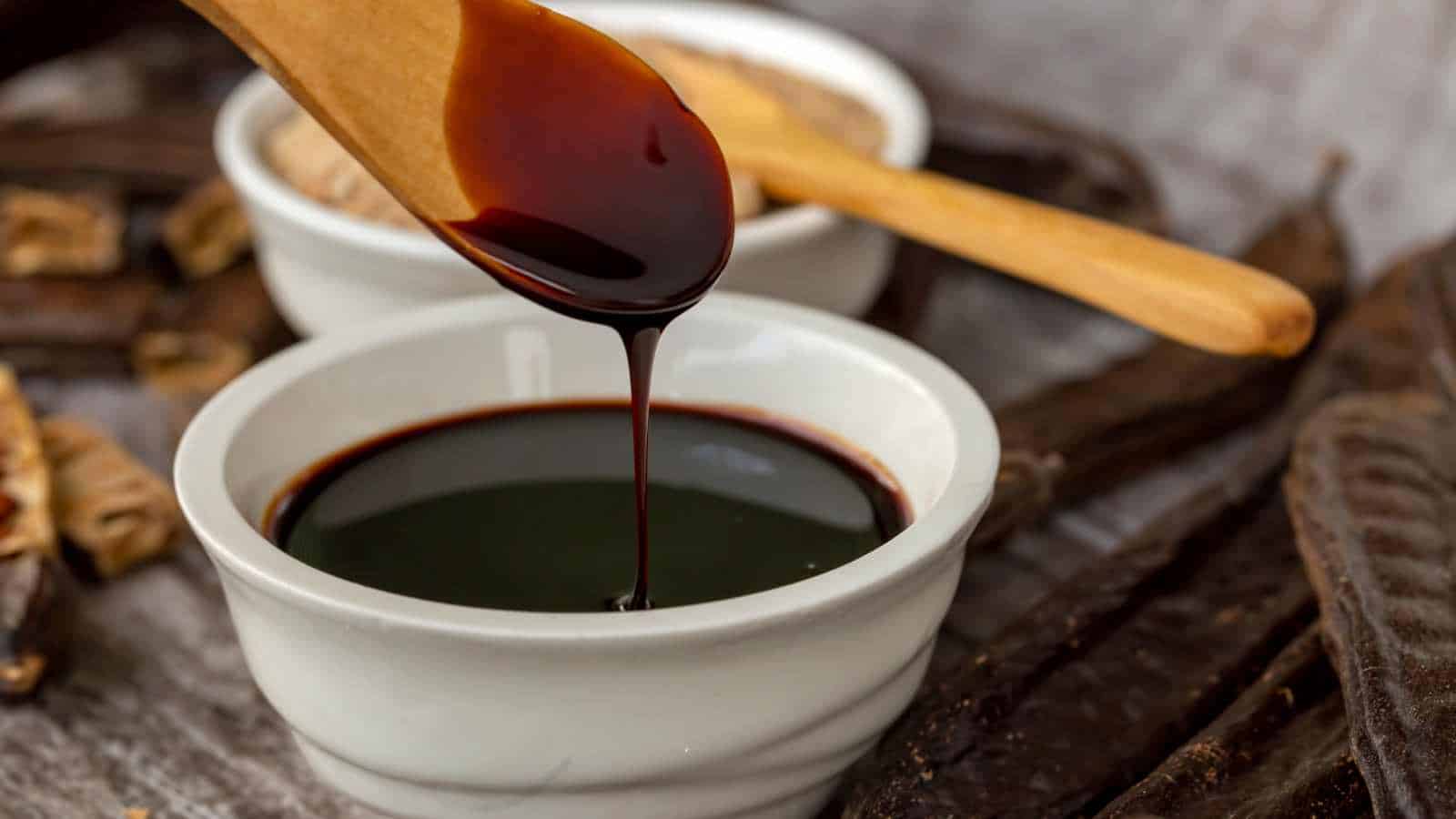
Maple syrup and honey prices have reached staggering heights. Molasses is a byproduct of sugar refining and remains significantly cheaper than sugar. It offers a deep, smoky sweetness and a massive dose of iron. In the early 20th century, it was the primary sweetener for the working class. It brings a nostalgic, “warm” flavor to baked goods.
Historians often cite the Great Molasses Flood of 1919 as proof of its once-massive industrial scale. Today, it is making a comeback in home kitchens. While some find the flavor too intense, it provides a complexity that white sugar lacks.
It allows for gourmet results on a pantry budget. It turns basic flour into a rich gingerbread or a dark, savory rye bread, making it a functional powerhouse for any budget-conscious kitchen.
Millet
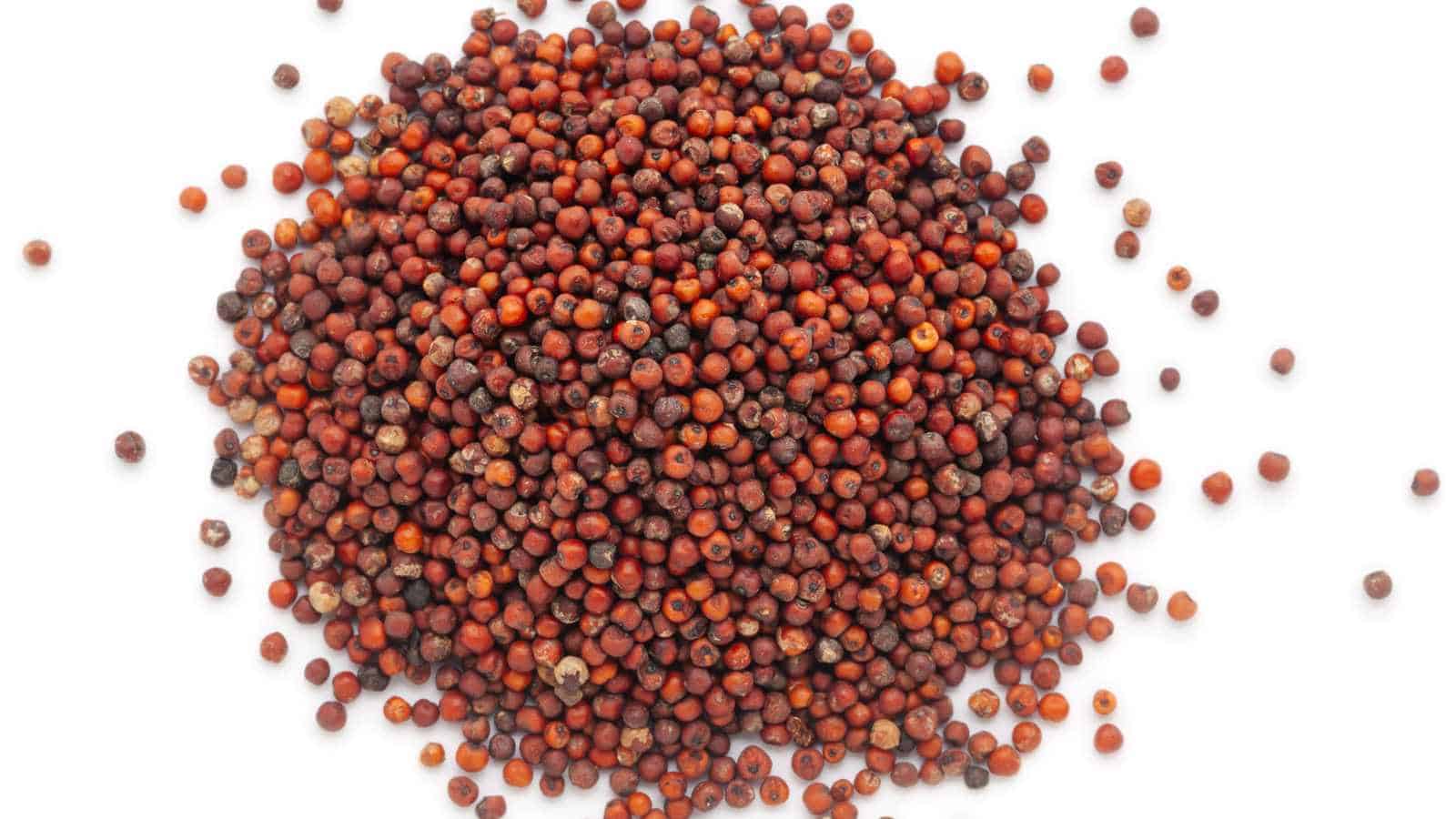
Quinoa has become an expensive superfood. Millet is stepping into that void. It is a drought-resistant ancient grain that grows in poor soil. This makes it inherently cheaper to produce. It has a mild, nutty flavor and a texture similar to couscous.
The United Nations declared 2023 the International Year of Millets to promote its sustainability. It contains more antioxidants than most mainstream grains.
Many people still associate millet with birdseed. This is a mistake. When toasted and simmered, it becomes a fluffy, high-protein base for salads or porridge. It is the smartest swap for anyone tired of paying a premium for trendy health foods.
Store-Brand Baking Staples

Private-label flours and sugars are no longer seen as inferior. The chemistry of sucrose and wheat gluten does not change with a fancy logo.
Consumer reports show that national brand loyalty is at an all-time low. People want the chemical result, not the packaging. Buying generic baking staples allows for scratch cooking, which is the ultimate money-saver.
Making a loaf of bread costs roughly 50 cents in raw materials. Buying one costs five dollars. This 900% markup is where the average budget dies. By mastering these basic white-label powders, you take control of the food supply chain.
You stop paying for the marketing departments of giant conglomerates.
Key Takeaways

- Inflation is reshaping grocery carts: As food prices rise faster than wages, shoppers increasingly shift from premium fresh items toward affordable, shelf-stable staples that stretch budgets.
- Classic pantry foods are making a comeback: canned tuna, Spam, dried beans, and bouillon cubes are gaining popularity because they offer cheap protein, long shelf life, and reliable flavor.
- Shelf-stable products reduce waste and spending: Dried vegetables, powdered milk, and pantry grains help households avoid spoilage and frequent grocery trips, which lower total food costs.
- Budget staples outperform trendy foods: Affordable ingredients like oatmeal, potatoes, apples, and onions offer nutrient-dense, versatile options at a fraction of the cost of premium or specialty foods.
- Old ingredients are solving modern inflation problems: Many of the foods once associated with frugal kitchens or past economic hardship are reappearing because they deliver high calories, strong nutrition, and flexibility for low-cost home cooking.
Like our content? Be sure to follow us