13 Classic U.S. Traditions That Are Dying Out
As everyday rituals quietly disappear from American life, their absence is reshaping how we connect, communicate, and even remember who we are.
Change is the only constant in American life, and sometimes we do not notice what is slipping away until it is gone for good. We trade convenience for charm and efficiency for connection without really considering the cultural costs of these shifts. It feels like just yesterday we were rewinding VHS tapes and memorizing phone numbers.
Nostalgia has a funny way of painting the past in a rosier light, but some of these fading habits genuinely grounded us in our communities. We are looking back at the things that defined generations of American life but are now slowly vanishing from view. These shifts mark a significant turning point in how we interact with the world around us.
Mailing Handwritten Greeting Cards

Grandma was right when she said that sitting down to write a proper letter shows you care more than a quick text ever could. There is something undeniably special about seeing a familiar script on an envelope among the junk mail. We have traded the personal touch of pen on paper for the instant gratification of a digital ping.
The art of sitting at a desk and organizing your thoughts is becoming a relic of a slower and more intentional time. We prioritize speed over sentiment now, so the mailbox is usually empty of personal messages. Receiving a handwritten note these days feels like getting a rare gift rather than a standard courtesy.
The Weekly Family Dinner
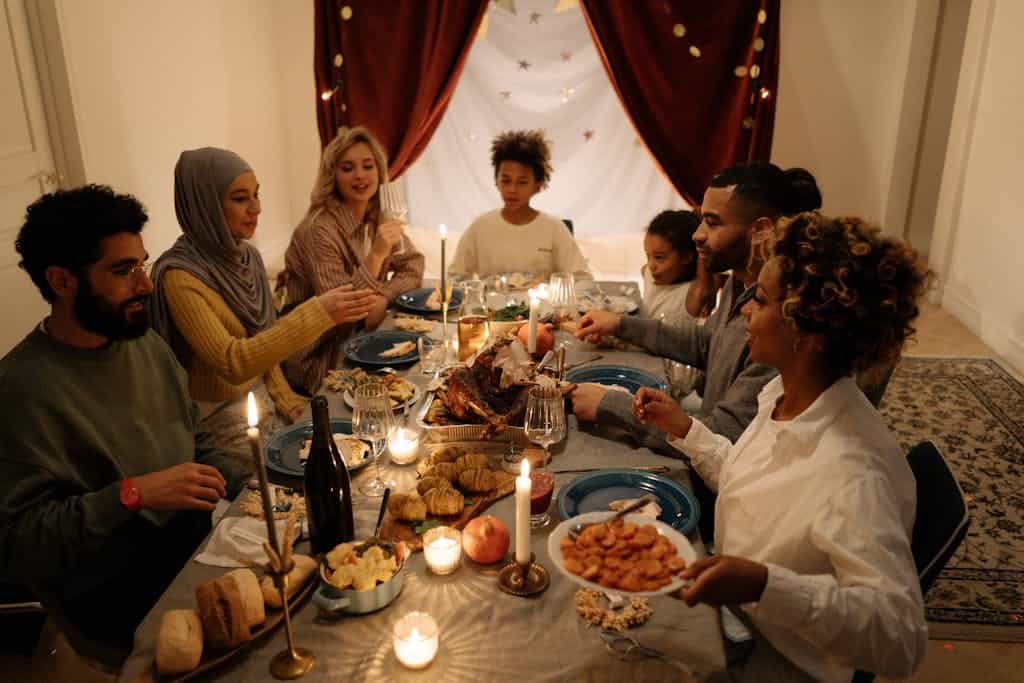
Gathering everyone around the table at 6 p.m. used to be the anchor of the American day and the main way families stayed connected. Parents and kids would swap stories about their day over meatloaf or casseroles without the distraction of glowing screens. Work schedules and extracurricular activities have turned this daily ritual into a logistical puzzle.
The shared meal is often replaced by grabbing something on the go or eating in separate rooms while watching different shows. Connection suffers when we stop breaking bread together and sharing the small details of our lives. A 2022 survey by the American Heart Association found that 91 percent of parents noticed their families were less stressed when they shared a meal.
Using Cash For Everyday Purchases

Flashing a twenty-dollar bill to pay for coffee or a movie ticket is becoming a rare sight in many parts of the country. According to a 2022 Pew Research Center study, about 41 percent of Americans say none of their purchases in a typical week are paid for with cash. We are moving into a plastic and digital economy where physical currency feels like a hassle.
Small businesses and stadiums are increasingly posting signs saying they no longer accept bills. It is convenient to tap a phone, but we lose the tangible sense of how much we are actually spending. Handing over real money makes you think twice about a purchase in a way that swiping a card never will.
The Home Landline Telephone
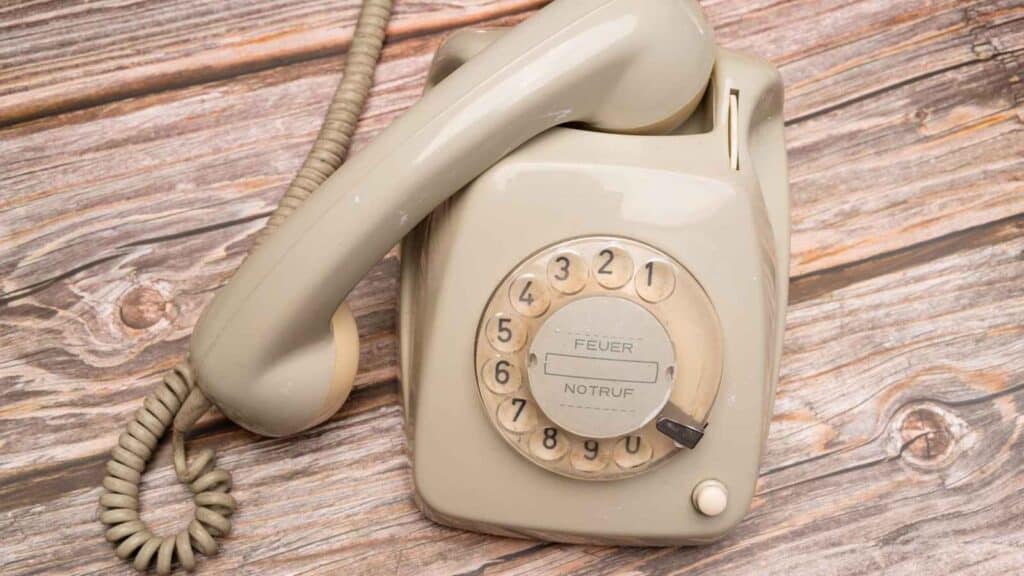
There was a time when the ringing of the house phone sent a thrill of excitement through the entire family. Data from USA Today, released in 2023, show that over 3 in 4 American adults now live in households with only wireless telephones. The shared family line has been replaced by individual silos of communication where everyone lives on their own device.
We no longer have to politely speak to a friend’s parents before asking if they can come out to play or hang out. You miss out on the shared context of who is calling the house and the communal aspect of managing the family’s social calendar. The privacy of a personal cell phone has killed the transparency that the kitchen wall phone provided.
Saturday Morning Cartoons On TV
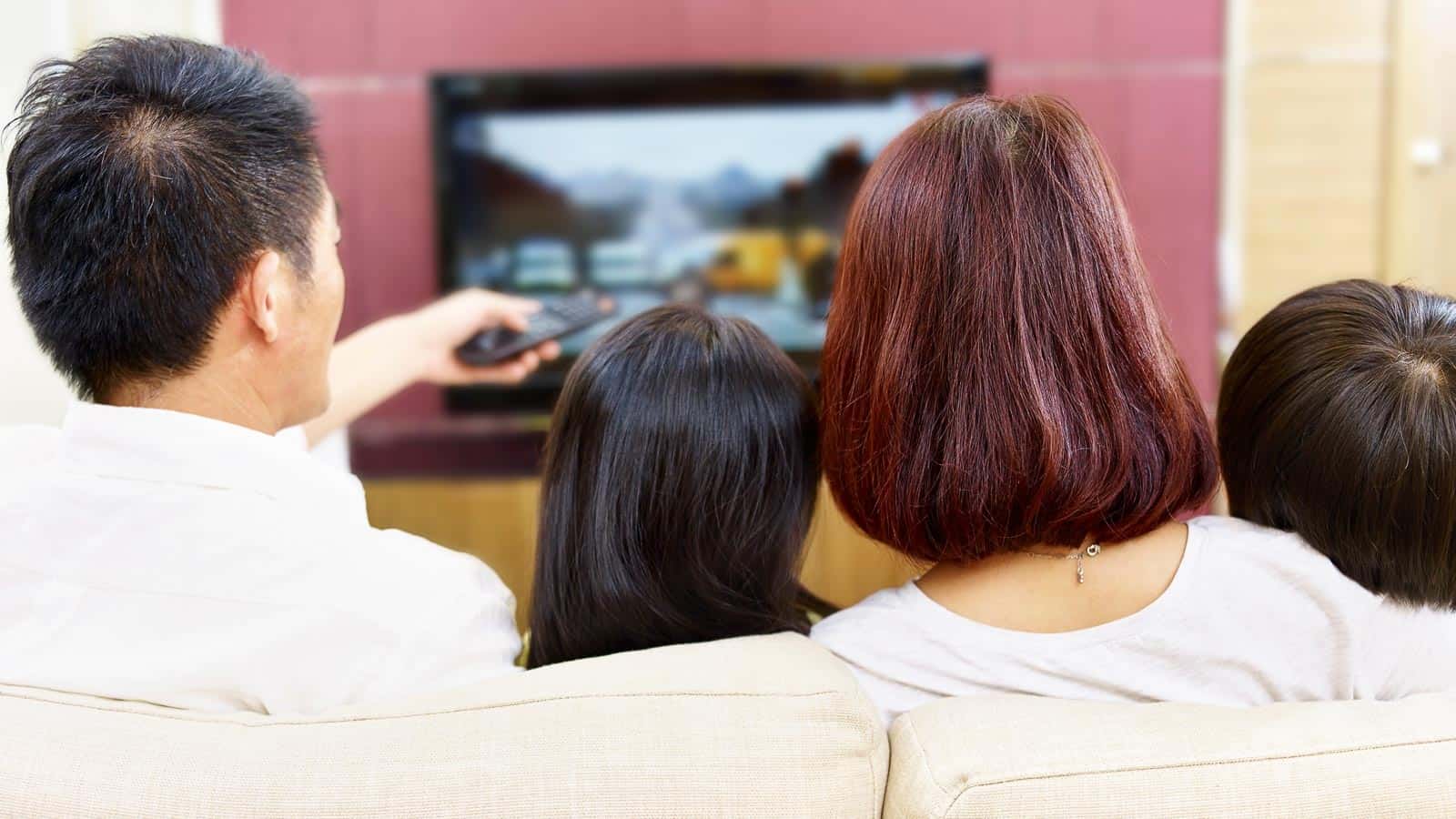
Waking up early on the weekend to catch your favorite animated shows was a rite of passage for millions of kids. You had to be in front of the TV at a specific time, or you missed the episode entirely. Streaming services have made every show available on demand and erased the communal experience of a shared schedule.
Kids today will never know the anticipation of waiting a whole week to see what happens next to their favorite heroes. The ritual of eating sugary cereal while glued to the tube defined weekends for decades. Binge watching has destroyed the patience and excitement that came with appointed television viewing.
Shopping At The Local Mall

Teenagers used to flock to the local mall to socialize, see movies, and shop until they dropped. Online shopping giants have decimated the foot traffic that kept these massive retail centers alive and bustling. The food court was the social hub of high school life, but now it is often a ghost town.
Empty storefronts are becoming common as retailers shift their focus to digital sales and warehouse distribution. CNBC cites a Coresight Research report estimating that 25 percent of America’s malls will close within five years as habits shift. It is a sad end for the places that once served as the modern town square for suburbia.
Wearing Formal Business Attire

The concept of dressing up for work has changed drastically from the era of grey flannel suits and polished shoes. Casual Fridays eventually bled into the rest of the week, creating a culture where hoodies are acceptable in boardrooms. We now value comfort over professionalism, and the visual distinction between work and play is gone.
Seeing someone in a full suit and tie on the street is now more likely to indicate a wedding or a funeral than a day at the office. The ritual of polishing shoes and pressing shirts was a discipline that many have happily abandoned. We have lost the sense of occasion and respect that dressing well brought to the professional environment.
The Nine-to-Five Work Schedule

The concept of punching a clock and leaving work behind at the office is fading fast in the modern economy. Remote work technology means that emails and messages can reach us at all hours of the day and night. The precise boundary between professional time and personal time has dissolved into a murky mix.
We have gained flexibility, but we have truly lost the ability to disconnect and recharge without guilt. The rhythm of the entire country used to be set by this standard schedule, and now everyone runs on their own timeline. Actual downtime is becoming an endangered species as we carry our offices in our pockets.
Learning Cursive Handwriting

Penmanship used to be a graded subject where students spent hours perfecting their loops and curves. Many schools dropped the requirement years ago to make room for keyboarding and coding skills. The result is a generation that struggles to read historical documents or even their grandmother’s birthday cards.
There is a push to bring it back in some places, but for many kids, the signature is a foreign concept. As of 2024, only about 24 states have mandates requiring some form of cursive instruction in their public schools. Losing this skill disconnects us from a tangible and personal form of human expression.
Surprise Drop-In Visits

People used to knock on a neighbor’s door to say hello or borrow a cup of sugar without warning. Today, showing up at someone’s house without a text message first is considered rude or even alarming. We have built digital walls around our lives that make spontaneous human interaction feel intrusive.
The casual nature of community is fading as we schedule every single interaction weeks in advance. We miss out on the joy of an unexpected chat on the porch or a quick coffee with a friend. Spontaneity has been sacrificed to the controlled, curated social schedules.
Full Service Gas Stations

Hearing the bell ring as you rolled over the rubber hose meant an attendant was on the way to fill your tank. Getting your oil checked and your windshield washed while you sat in the driver’s seat was the standard of service. Now we pump our own gas and clean our own glass in a rush to get back on the road.
Only a couple of states held onto this tradition by law, but even those rules have been relaxed recently. It was a small luxury that made driving feel a little more civilized and a little less like a chore. The drive for lower prices and speed has eliminated this human touch from the American road trip.
Reading The Morning Newspaper

The thud of the paper hitting the porch was the sound that woke up America for a century. The Pew Research Center reported that weekday print newspaper circulation decreased by 13 percent in just one year. We now scroll through headlines on phones instead of staining our fingers with ink over coffee.
Local news coverage has suffered immensely as the subscription model for physical papers collapses. We get information faster, but we lose the curated hierarchy of importance that editors provided. Scrolling a feed creates a scattered mind compared to the focus required to read a full broadsheet.
The Traditional Potluck Dinner

Neighbors used to gather with covered dishes to share a meal without the pressure of an ideally hosted party. Dietary restrictions and a fear of unverified kitchens have made the potluck a tricky event to pull off today. We are more likely to order catering or meet at a restaurant than to trust a tuna casserole from down the street.
The community spirit of everyone contributing a small part to the whole meal is harder to find. It requires a level of trust and vulnerability that seems to be in short supply lately. Sharing homemade food was a simple way to bond that apps and delivery services cannot replicate.
15 Things Women Only Do With the Men They Love

The 15 Things Women Only Do With the Men They Love
Love is a complex, beautiful emotion that inspires profound behaviors. We express our love in various ways, some universal, while others are unique to each individual. Among these expressions, there are specific actions women often reserve for the men they deeply love.
This piece explores 15 unique gestures women make when they’re in love. From tiny, almost invisible actions to grand declarations, each tells a story of deep affection and unwavering commitment.