13 Complaints First-Class Passengers Have About Modern Air Travel
Airlines have spent the past decade reinventing first class. Sliding doors, towering seat walls, oversized screens, and intricate tech consoles now promise a private suite experience thousands of feet above the ground.
One premium seat can generate nearly 3 times the revenue of a main cabin seat. Many modern wide-body jets now carry significantly more premium seats than they did two decades ago, as airlines try to capture the lucrative business-traveler market. The result is a cabin that is both more technologically advanced and more economically optimized than ever before.
Yet every upgrade comes with a hidden trade-off. The thicker walls that create privacy take up space, the added hardware crowds the cabin layout, and the push to install more premium seats has quietly reshaped the experience. The most technologically advanced first-class cabins in aviation history can sometimes feel smaller, busier, and less personal than the ones they replaced.
Reduced Privacy
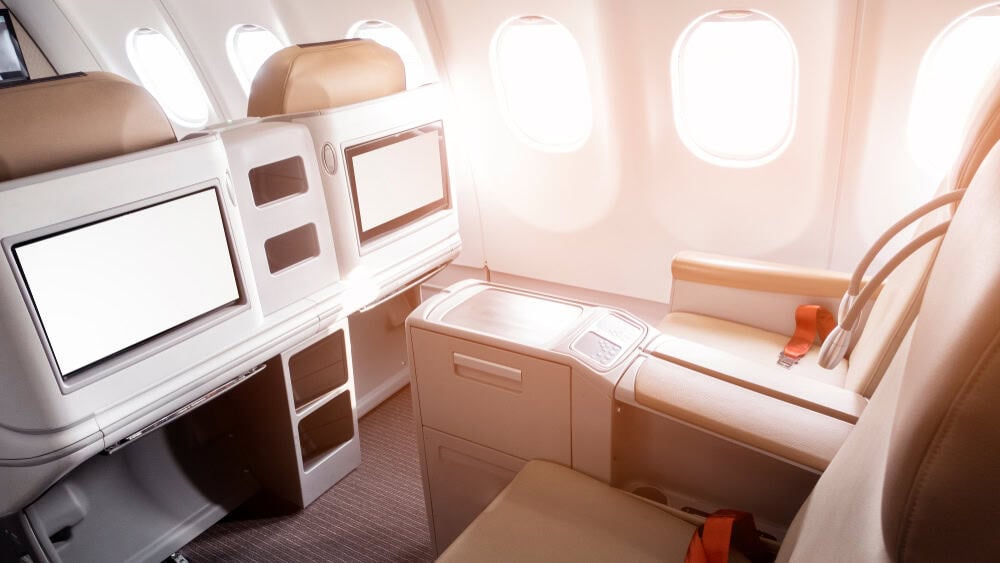
Modern cabin design has leaned heavily into the cradle-to-grave suite concept, prioritizing individual pods over the airy, open cabins of the late 20th century. While the marketing gloss promises a private sanctuary, the physical reality often feels like a high-end sensory deprivation chamber.
Frequent flyers note that while the footprint of a first-class seat has technically remained stable, the addition of high walls, sliding doors, and bulky tech consoles has eaten into the perceived volume of the space.
It is a classic case of architectural density; by trying to give every passenger a door, airlines have inadvertently created a labyrinth of plastic partitions. This cubicle-fication of the skies often leaves tall or claustrophobic travelers longing for the older, more open configurations where one could actually stretch their elbows without hitting a padded bulkhead.
Seat Comfort Inconsistencies
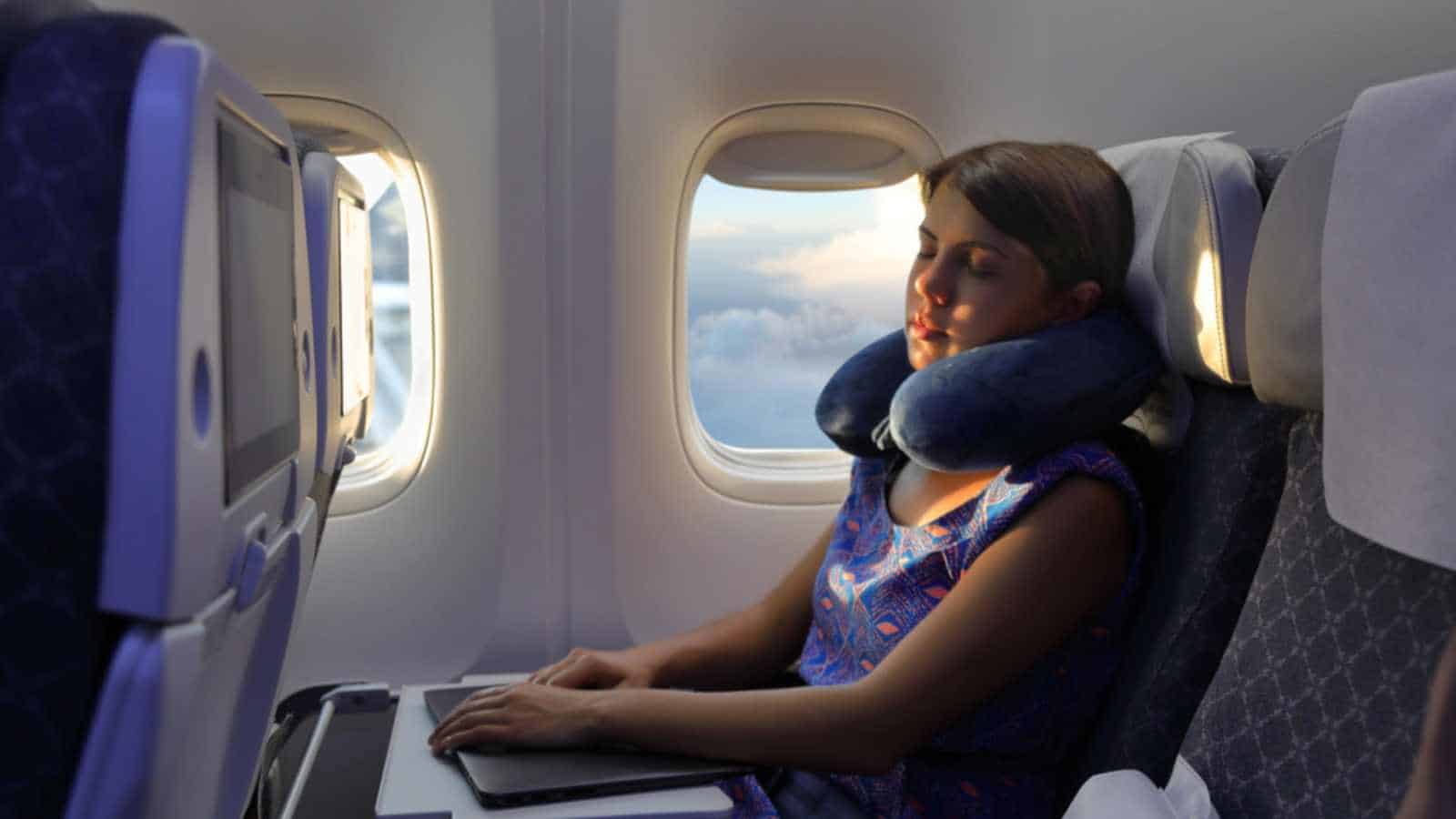
The lie-flat seat is the gold standard of premium travel, yet the industry suffers from a frustrating lack of ergonomic standardization. Passengers frequently complain that the transition from a lounge position to a 180-degree bed reveals hidden gaposis, uncomfortable ridges where seat cushions meet or narrow footwells that restrict movement for side sleepers.
In many Boeing 787 or Airbus A350configurations, the coffin effect is real: your torso has space, but your feet are wedged into a tapering cubby. Conversely, some critics argue that the obsession with firmness in modern seat foam, driven by durability requirements, has sacrificed the plush, sofa-like comfort of legacy carriers.
As noted in various aviation design audits, a seat that is certified safe for a 16G impact is often structurally incapable of feeling like a cloud.
Limited Storage Space
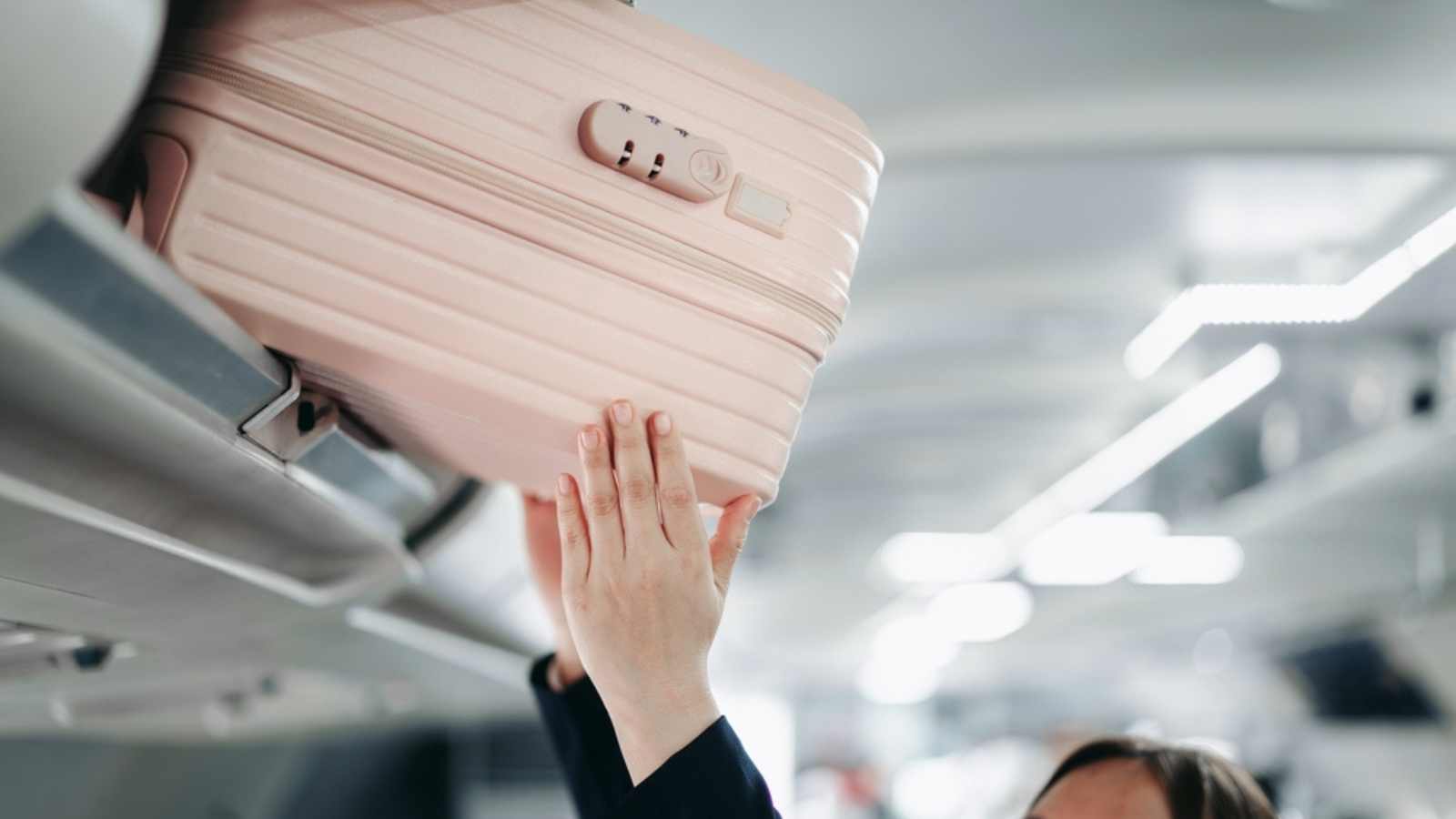
It is a bitter irony: you pay five figures for a ticket, yet you still find yourself wrestling for a spot to put your Tumi carry-on. Modern first-class cabins, particularly those featuring high vaulted ceilings to create a sense of airiness, often remove the center overhead bins entirely.
While this looks stunning in a brochure, it forces all passengers to cram their belongings into the window-side bins. When you factor in the airline’s massive pillows, duvet sets, and amenity kits, the available space for personal luggage evaporates.
This creates a premium-class scramble that mirrors the chaos of economy boarding, fundamentally undermining the calm, dignified entrance that first-class passengers expect for their investment.
Culinary Roulette
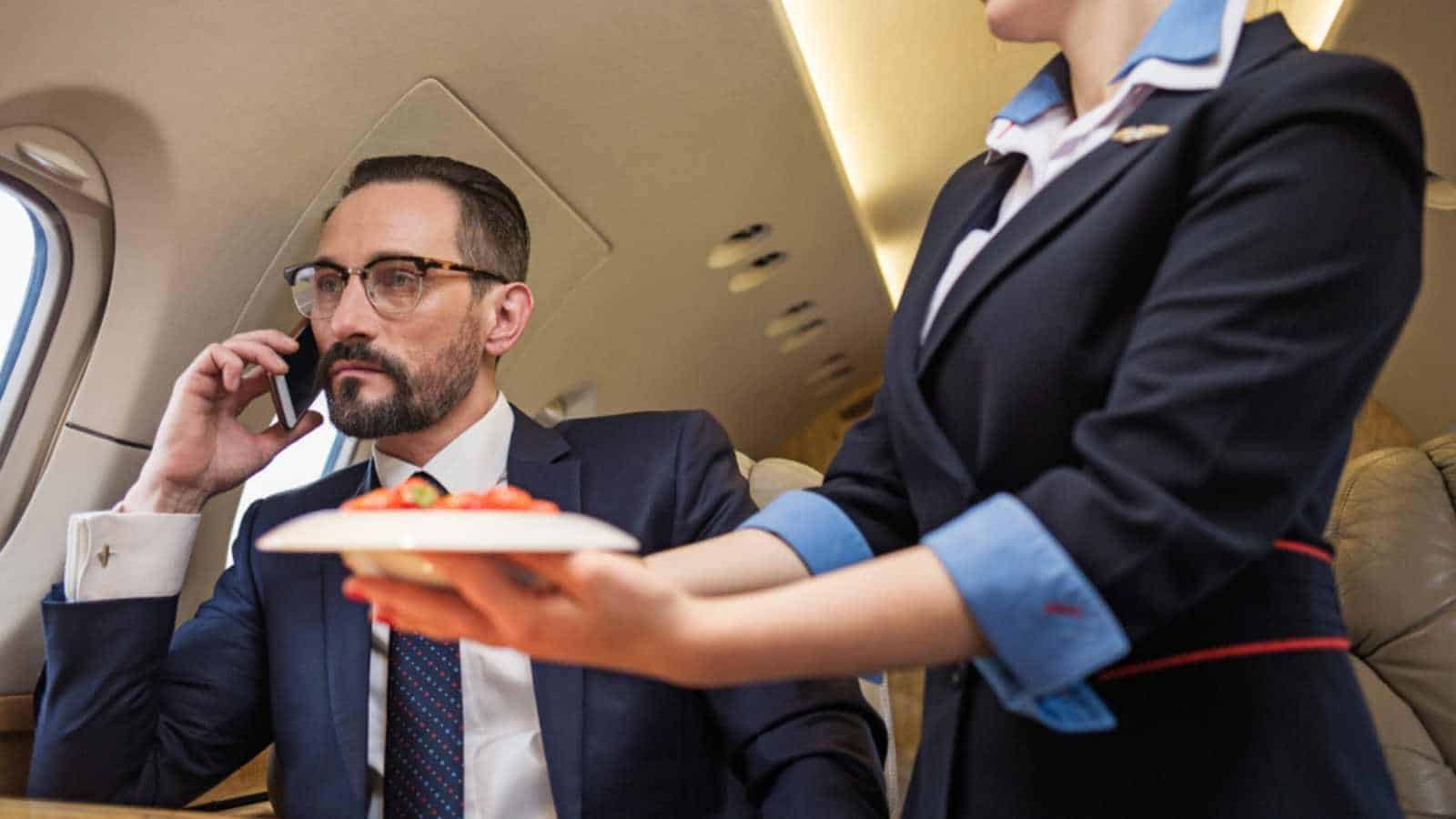
Dining at 35,000 feet is a logistical nightmare, but for the price of a first-class fare, passengers expect Michelin-star execution. Instead, they often encounter inconsistent food quality, where a Wagyu steak is succulent on a flight departing Singapore but resembles a discarded hockey puck on the return leg from London.
This isn’t just a matter of taste but a failure of the supply chain, compounded by the limitations of convection ovens. The dry air effect at altitude reduces salt and sugar sensitivity by nearly 30%, a fact long supported by Fraunhofer Institute studies.
While some airlines compensate with bold spices, others fail to adjust, leading to bland, uninspired meals. Contrarians might argue that expecting gourmet precision in a pressurized metal tube is a fool’s errand, but when the ticket costs as much as a compact car, average feels like a failure.
When Speed Kills Service
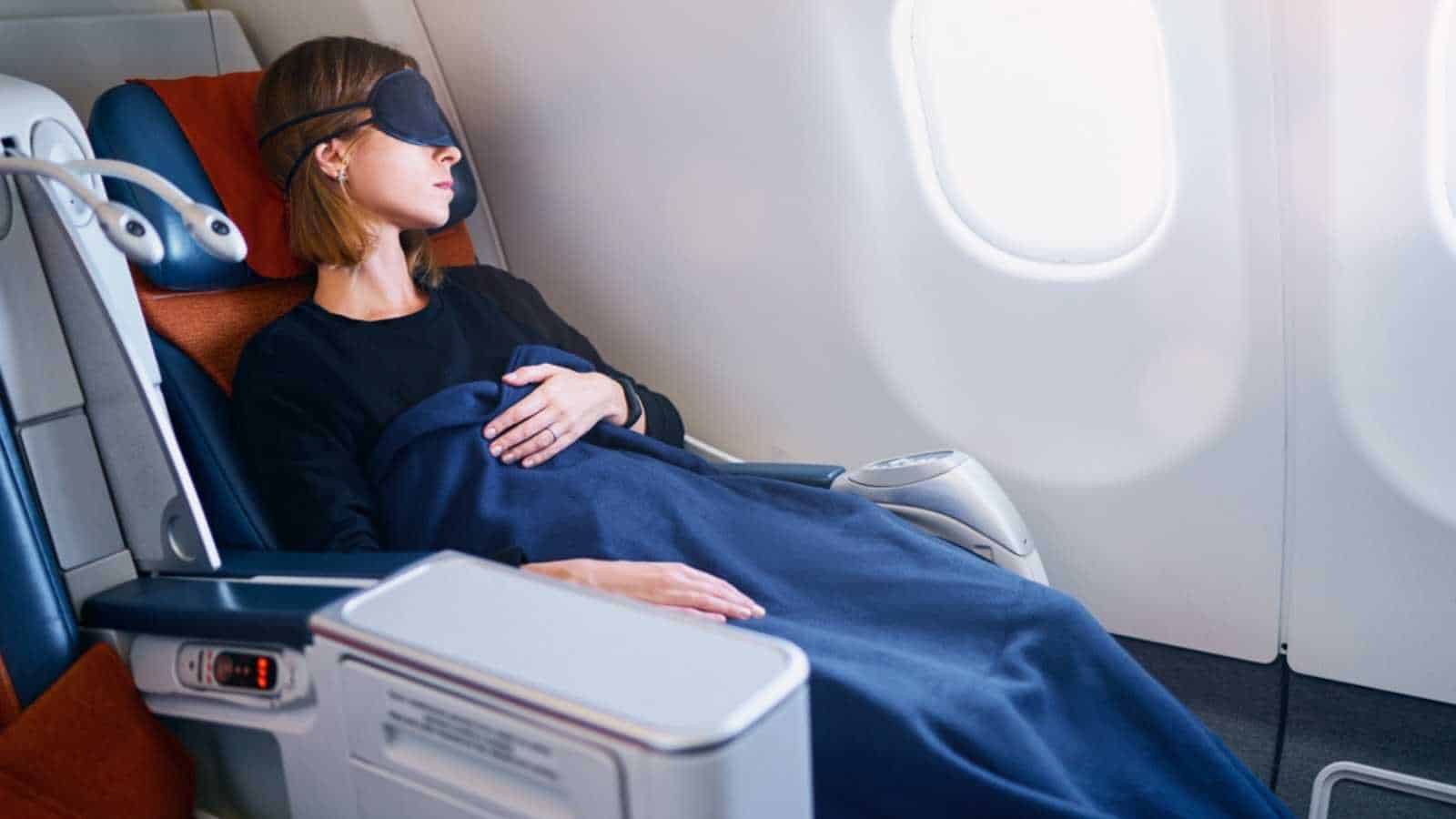
In the golden age of travel, service was a choreographed ballet; today, it often feels like a race against the clock. Delayed or rushed service is a top-tier complaint, particularly on short- to long-haul flights (6–8 hours).
Crew members, burdened by complex safety protocols and increased administrative tasks, often prioritize the burn, finishing the meal service as quickly as possible so they can dim the lights. This express mentality deprives passengers of the ability to dine at their own pace.
Luxury travel consultant and author Doug Gollan says the hallmark of true first class is anticipatory service, not just delivery.
When a flight attendant is visibly rushing to clear a plate before the last bite is taken, the veneer of luxury shatters, replaced by the mechanical efficiency of a high-end cafeteria.
Limited Beverage or Alcohol Selection

A premium passenger expects a wine list that reads like a private cellar inventory, but cost-cutting measures are increasingly visible in the galley.
Complaints are mounting regarding the downgrading of champagne vintages or the disappearance of niche, high-end spirits in favor of standard premium brands found in any street-level bar. While carriers like Emirates or Singapore Airlines still maintain legendary cellars, others have moved toward regional rotations that often mask a reduction in overall bottle cost.
This is a point of contention for connoisseurs who view the beverage program as a key component of the fare’s value. When the Krug is replaced by a non-vintage substitute without notice, the savvy traveler feels the silent devaluation of their loyalty.
Digital Dark Zones
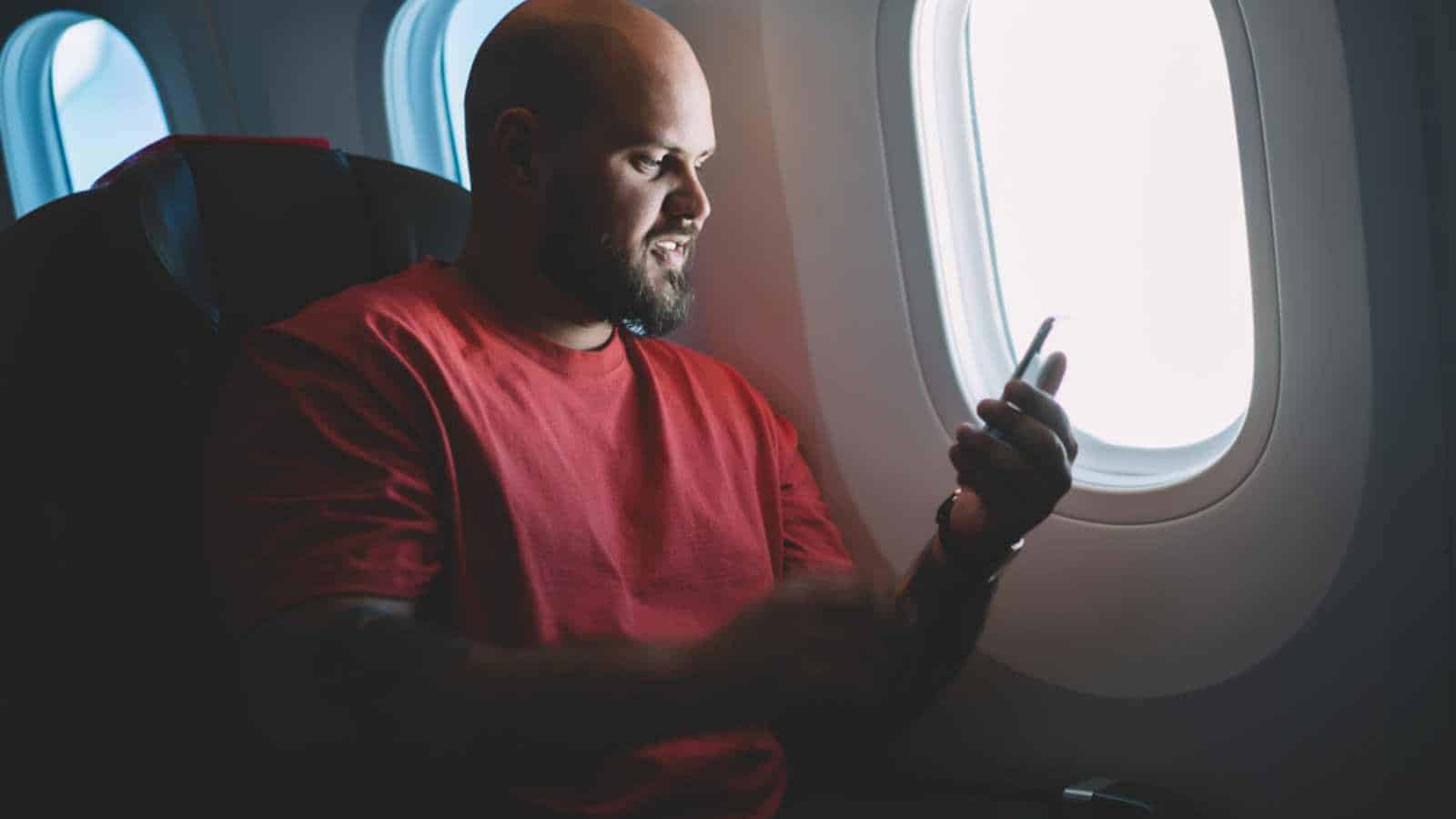
In 2026, the expectation of always-on connectivity is absolute, yet subpar Wi-Fi & connectivity remain the Achilles’ heel of the first-class cabin. Passengers frequently report that bandwidth is throttled or completely non-functional over the poles or deep oceans, rendering free Wi-Fi for First Class a hollow promise.
The frustration is compounded by the fact that even when it works, speeds are often insufficient for data-heavy tasks or seamless streaming.
Experts in satellite telecommunications note that while Starlink and other LEO (Low Earth Orbit) providers are beginning to bridge this gap, the transition is slow.
For the business mogul or the tech-savvy traveler, a three-hour dead zone isn’t just an inconvenience but also a loss of productivity that the airline’s luxury amenities cannot compensate for.
Stagnant Entertainment Systems
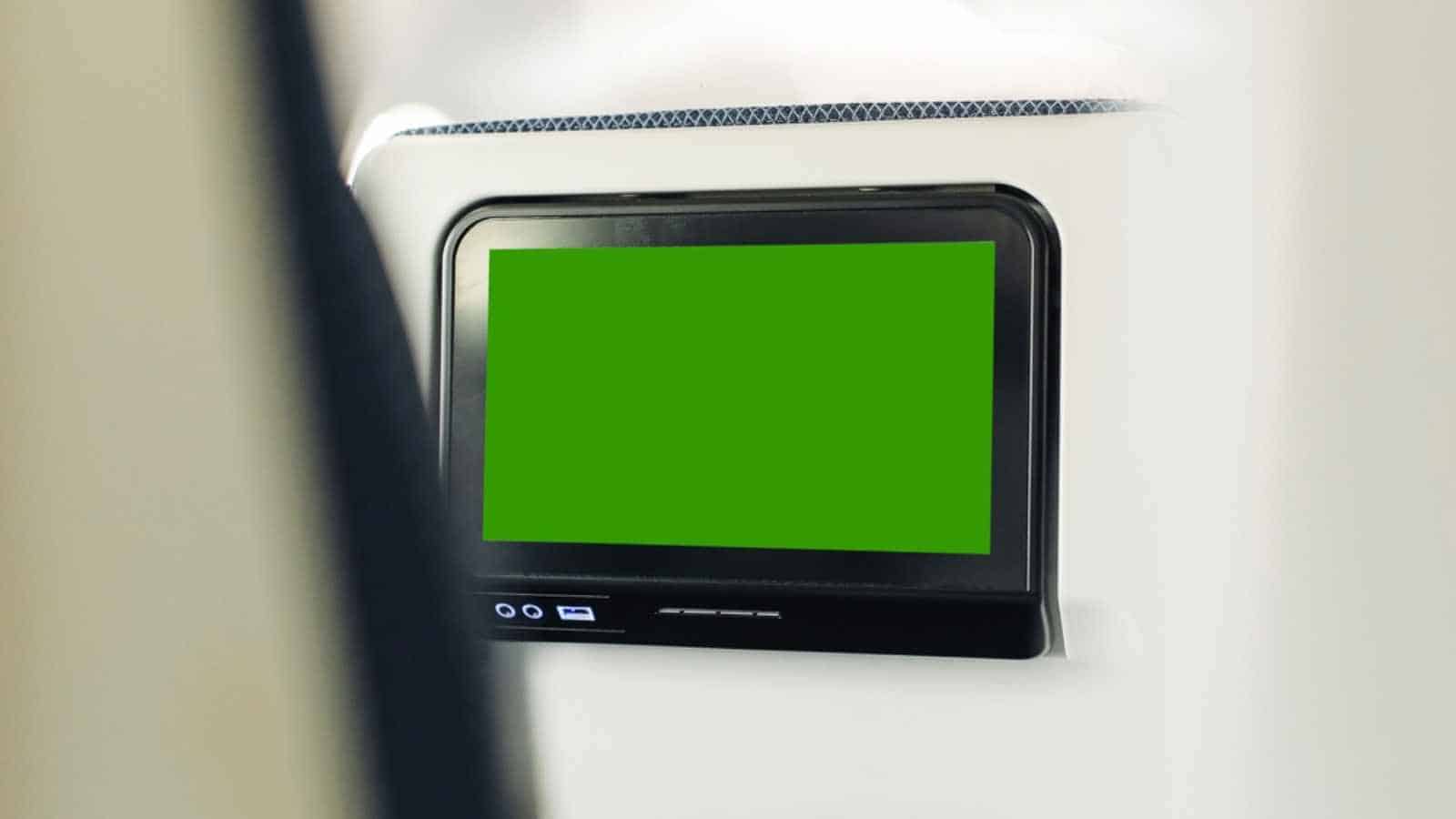
There is nothing more frustrating than sitting in a $10,000 seat only to have a 32-inch 4K screen freeze during the climax of a film. Entertainment systems lag or malfunction, a recurring grievance, often caused by aging hardware that hasn’t kept pace with modern software demands.
Beyond hardware, content libraries are frequently criticized for being sanitized or outdated. Travelers who have access to every movie ever made via their home devices find airline catalogs restrictive and repetitive.
Some industry analysts suggest that Bring Your Own Device (BYOD) is the future, but for first-class passengers, the built-in screen symbolizes the suite’s integration. If the UI feels like a 2010 smartphone, the entire experience feels legacy rather than leading-edge.
Lounge Saturation
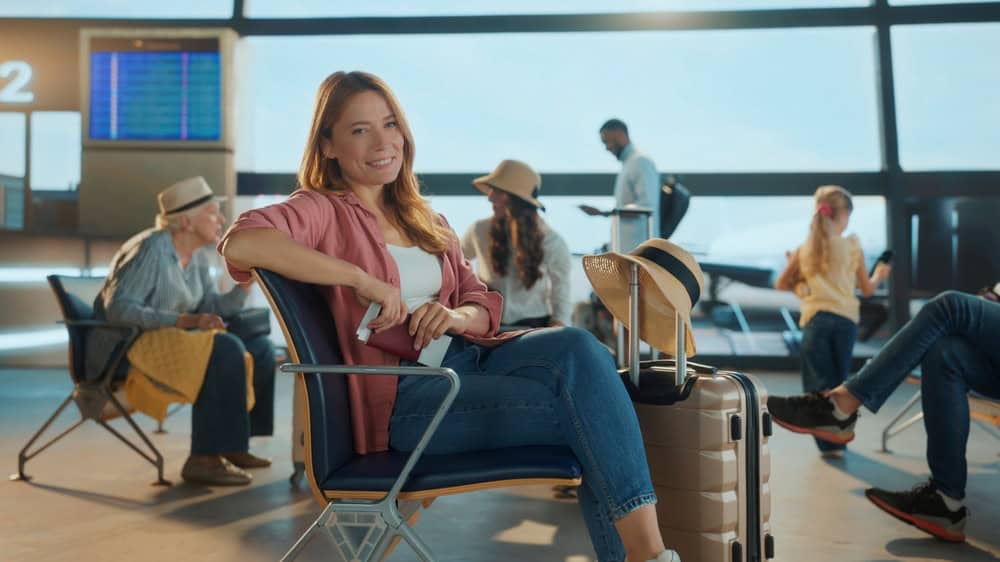
The first-class lounge was once a sanctuary of silence; now, thanks to credit card partnerships and buy-in schemes, it is often as crowded as the main terminal. Crowded lounges are perhaps the most vocal complaint of the modern era.
When every seat is taken and there is a queue for the shower suites, the sense of exclusivity is dead. This democratization of the lounge has led to what some call the ‘priority pass problem’, in which the sheer volume of eligible travelers exceeds the lounge’s physical capacity.
While airlines argue that more access is a benefit, the ultra-high-net-worth traveler sees it as a dilution of the very VIP status they paid to secure.
Boarding Delays
Despite priority boarding being a core tenet of the first-class contract, the actual process is often a bottlenecked mess. Gate congestion, late-arriving aircraft, and group boarding chaos mean that first-class passengers often spend 20 minutes standing on a jet bridge anyway.
This boarding delay issue is frequently systemic, tied to airport infrastructure rather than airline intent, but the passenger’s frustration is directed at the carrier. As noted by travel historians, the frictionless journey promised by early aviation has been replaced by a series of high-stress transitions.
Even when the flight itself is perfect, the last mile of getting on and off the plane remains a grueling, decidedly non-premium ordeal.
Security and Customs Realities

Airlines can control the cabin, but they cannot control the government. Security and customs hassles remain a major pain point for premium travelers, who find that fast-track lanes are often closed, understaffed, or slower than general lanes due to saturation of TSA PreCheck or Global Entry.
The VIP experience essentially ends the moment the cabin door opens. For travelers used to seamless transitions, the jarring shift from a caviar service to a forty-minute wait in a sterile, humid customs hall is a significant vibe killer.
Even though some airports offer private suites (like The PS at LAX), these are usually an additional, hefty expense, underscoring that a first-class ticket doesn’t actually buy you a “pass” from the mundanity of border control.
When Abundance Diminishes Luxury
A psychological shift occurs when a first-class cabin reaches 100% capacity.
Too many first-class Seats sold creates a sense of being just another unit, rather than a guest. When the cabin is full, the ratio of crew to passengers is stretched to its limit, resulting in slower response times and less personalized interaction.
Sophisticated travelers often look for ghost flights or less popular routes specifically to enjoy an empty cabin.
The luxury of scarcity is a real concept: when every suite is occupied, ambient noise increases, lavatories are used more frequently, and the sense of being special evaporates. It becomes, quite simply, high-end mass transit.
When First Feels Like Business Plus
Perhaps the most existential complaint is the perceived erosion of prestige. As business-class seats have evolved to include lie-flat beds and doors, the delta between Business and First has shrunk significantly.
Many passengers feel that the massive price jump from Business to First is no longer justified by a slightly better steak or a marginally wider seat. This normalization of luxury has made first-class feel like an endangered species.
A study by aviation firm Teague found that the emotional ROI of first class is declining because the wow factor has been moved downstream to attract business travelers. For the first-class veteran, this makes the experience feel less like an elite privilege and more like an expensive redundancy.
Key Takeaways
- Modern first-class cabins are more technologically advanced than ever, featuring private suites, larger screens, and sophisticated in-seat systems.
- Premium seating generates a disproportionate share of airline revenue.
- Airlines have gradually increased the number of premium seats on many wide-body aircraft, changing the layout and economics of first-class cabins.
- Design upgrades such as doors, thicker seat walls, and added technology can unintentionally reduce perceived space and alter the traditional luxury feel.
- As expectations rise alongside ticket prices, frequent travelers increasingly notice gaps between the promise of first-class luxury and the realities of modern air travel.
Like our content? Be sure to follow us.