13 dog breeds that are great with cats
As more households blend dogs and cats than ever before, choosing the right breed has become the difference between daily harmony and nonstop chaos.
Bringing a new puppy home is a massive milestone that fills a house with joy and energy. If you already have a feline resident, you might worry about turning your peaceful home into a chaotic zoo. While cartoons suggest these two species are natural enemies, that is rarely the case in real life. Many households successfully manage a mix of pets by picking the right temperament from the start.
Finding a dog that respects your cat involves looking for breeds with low prey drives and gentle personalities. You want a companion that sees your cat as a roommate rather than a squirrel to chase up a tree. Socialization matters, but genetics play a huge role in keeping the peace in your living room. Here are the top breeds that usually get along famously with their kitty counterparts.
The Friendly Golden Retriever
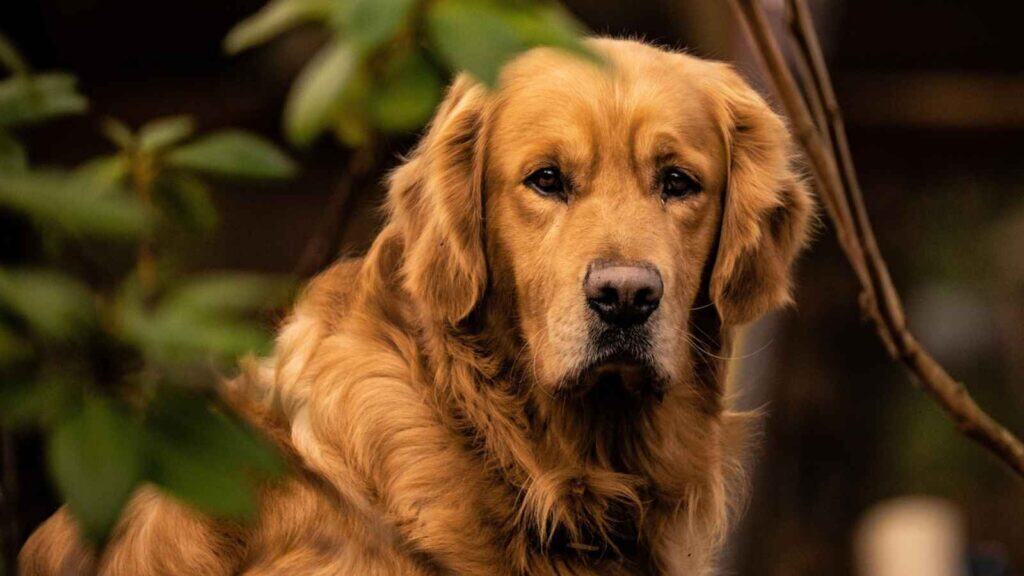
Goldens are famous for their sunny dispositions and limitless patience with family members of all species. They are rarely aggressive and usually just want to be part of whatever is happening in the house. According to Pew Research, 24 percent of Americans own both a dog and a cat.
This statistic proves that plenty of people make mixed households work, and Goldens are a big part of that success. They are eager to please and easily trainable, which helps you set boundaries around the cat box. You will find that a Golden is more likely to cuddle with a cat than chase it.
The Lovable Labrador Retriever
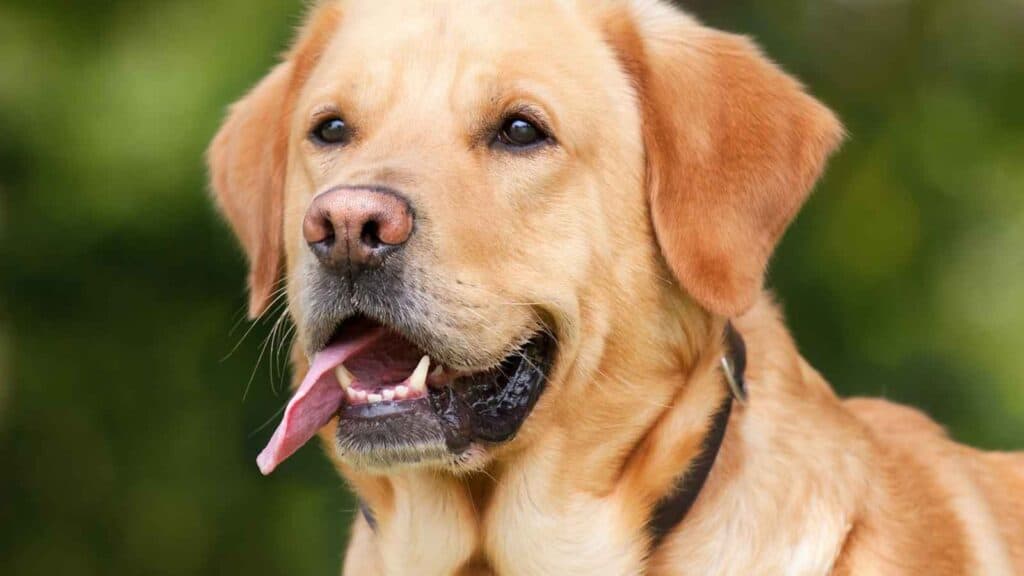
Labradors share a similar reputation with Goldens for being outgoing, kind, and incredibly tolerant. They are sturdy enough to handle a cat who might swat at them, but gentle enough not to retaliate. The American Kennel Club ranked the Labrador as the second most popular breed in 2024.
Their popularity comes from their adaptability, which extends to living with other animals in the home. You need to exercise them so they do not get bored and annoy the cat with too much energy. A tired Lab is a good Lab, and they will happily nap alongside a feline friend.
The Happy Beagle
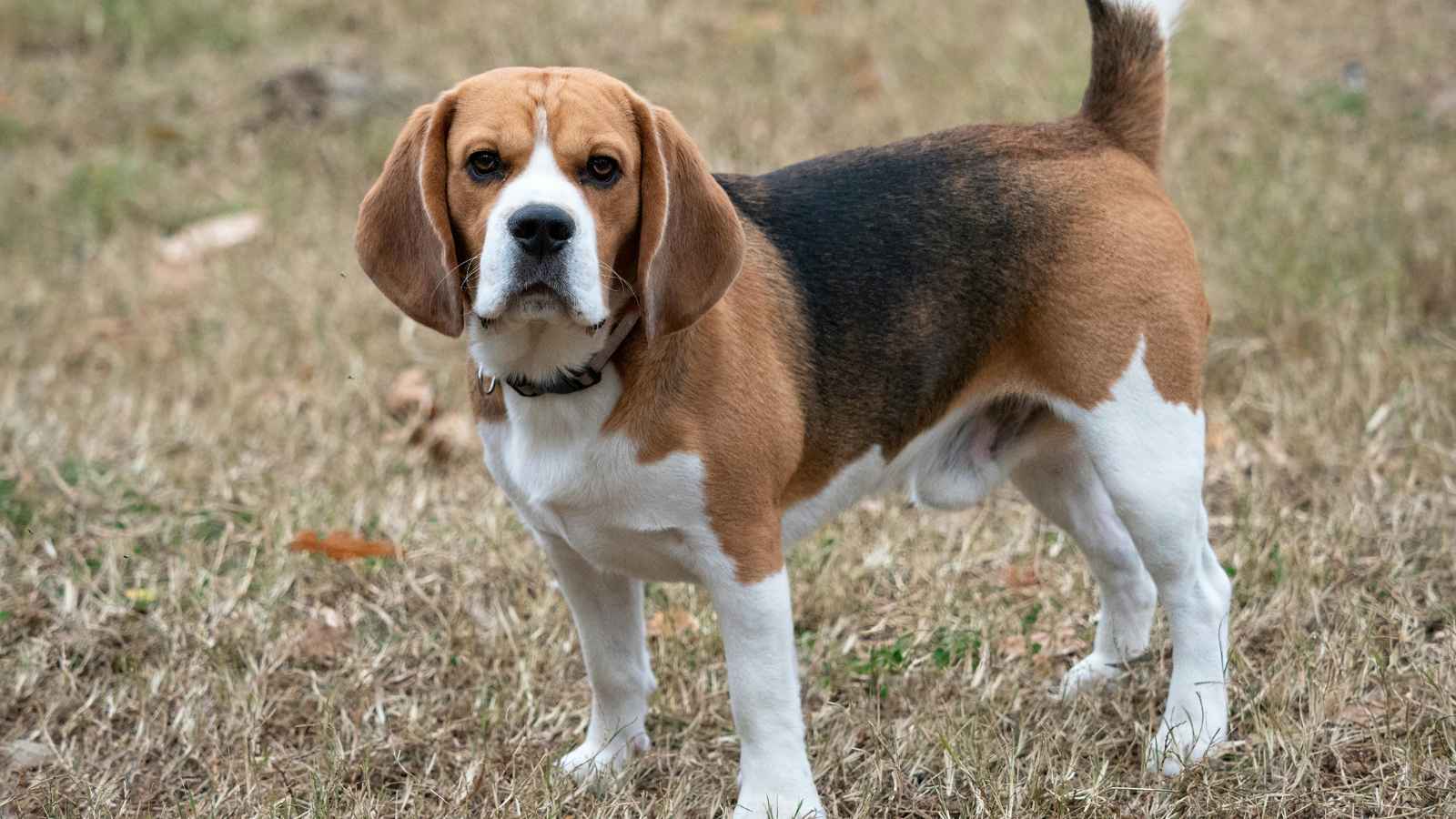
Beagles were bred to hunt in packs, which makes them very social animals who generally enjoy company. They usually view other animals as part of their group rather than something to be aggressive toward. Their friendly nature makes them a solid choice, provided you introduce them slowly.
However, because they are scent hounds, they might follow your cat around to sniff them out of curiosity. It is funny to watch, but you should make sure the cat has a high perch to escape to. Most Beagles are simply too happy-go-lucky to cause any real trouble for a cat.
The Chill Pug
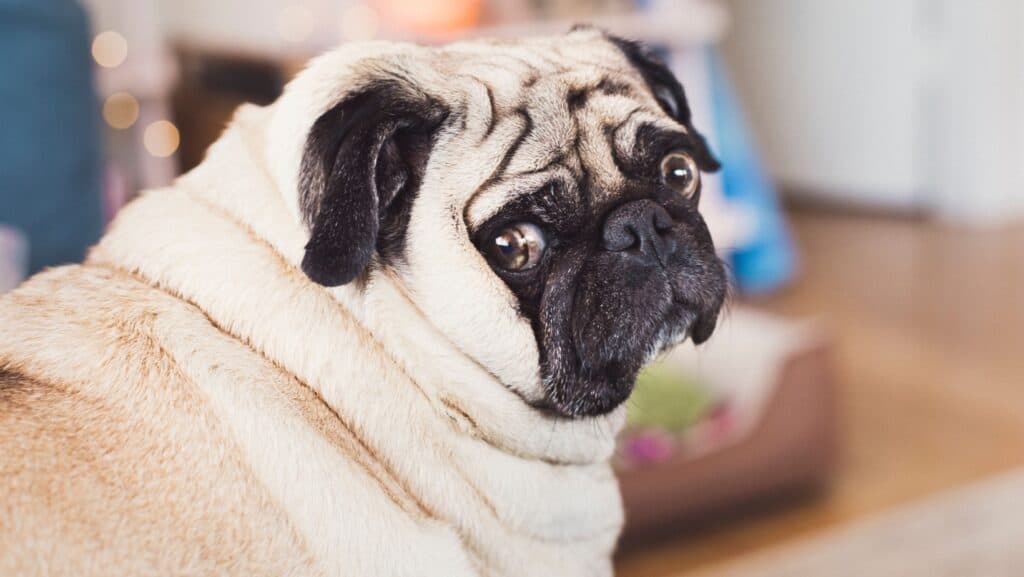
Pugs are lovers, not fighters, and their small size makes them less intimidating to an average house cat. They spend a lot of time napping and usually lack the energy to harass a cat for very long. A PLOS ONE study revealed that over half of dogs and cats living together actually play together.
Pugs fit this statistic well because they are often playful in short bursts but mostly want to lounge. Their big eyes and expressive faces make them hilarious to watch as they try to figure out the cat. You can count on a Pug to be a low-maintenance sibling for your kitty.
The Low-Key Basset Hound
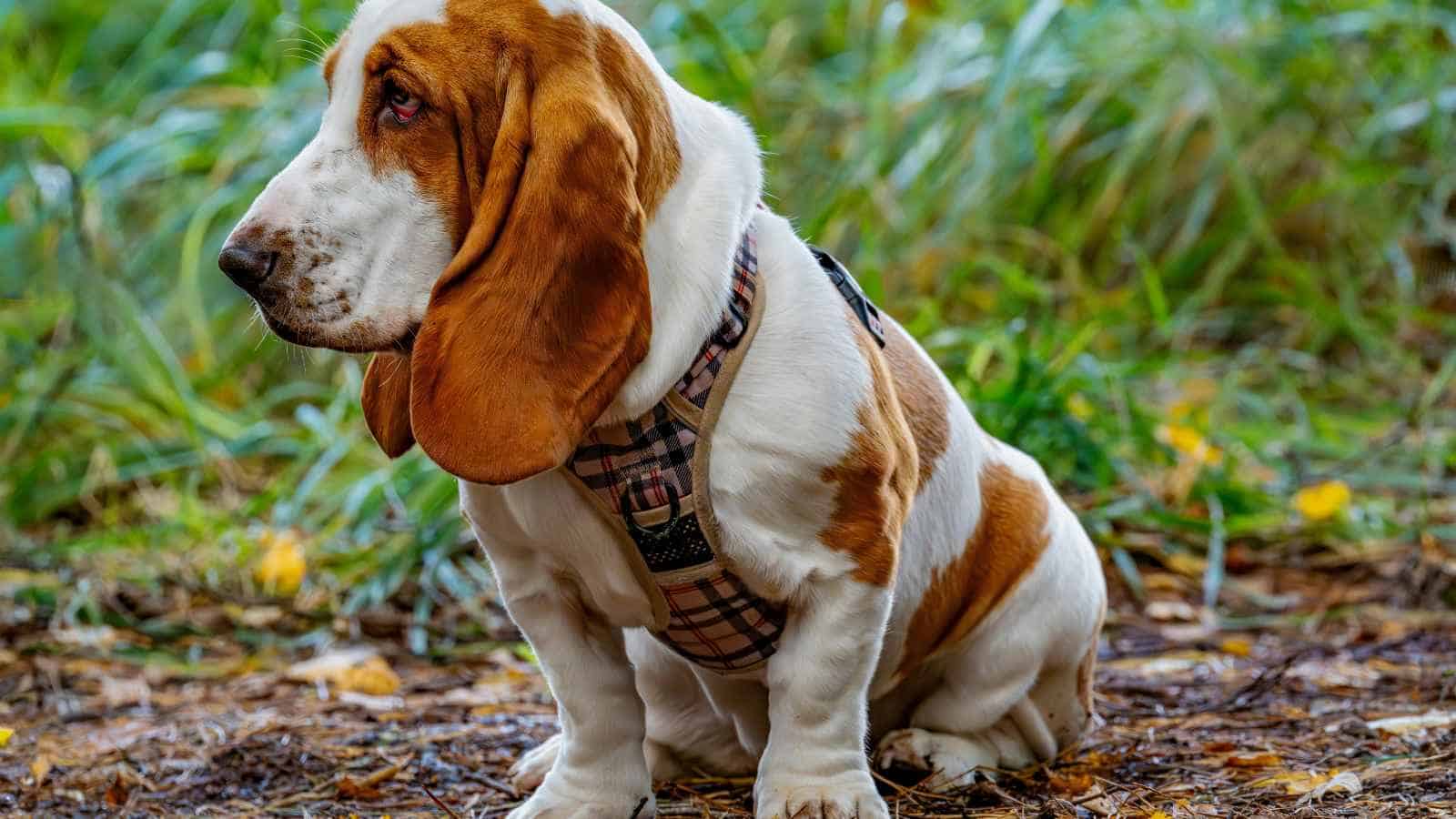
If you want a dog that is likely to ignore the cat completely, the Basset Hound is a top contender. They are famous for being laid-back and moving at a very slow pace unless they smell food. Their heavy build and short legs mean they are not going to win any races against a cat.
Bassets are incredibly mild-mannered and charming, often greeting other pets with a simple sniff. They might howl if they get lonely, but they are rarely aggressive toward family members. Your cat will likely appreciate that this dog prefers sleeping on the rug over chasing.
The Gentle Cavalier King Charles Spaniel
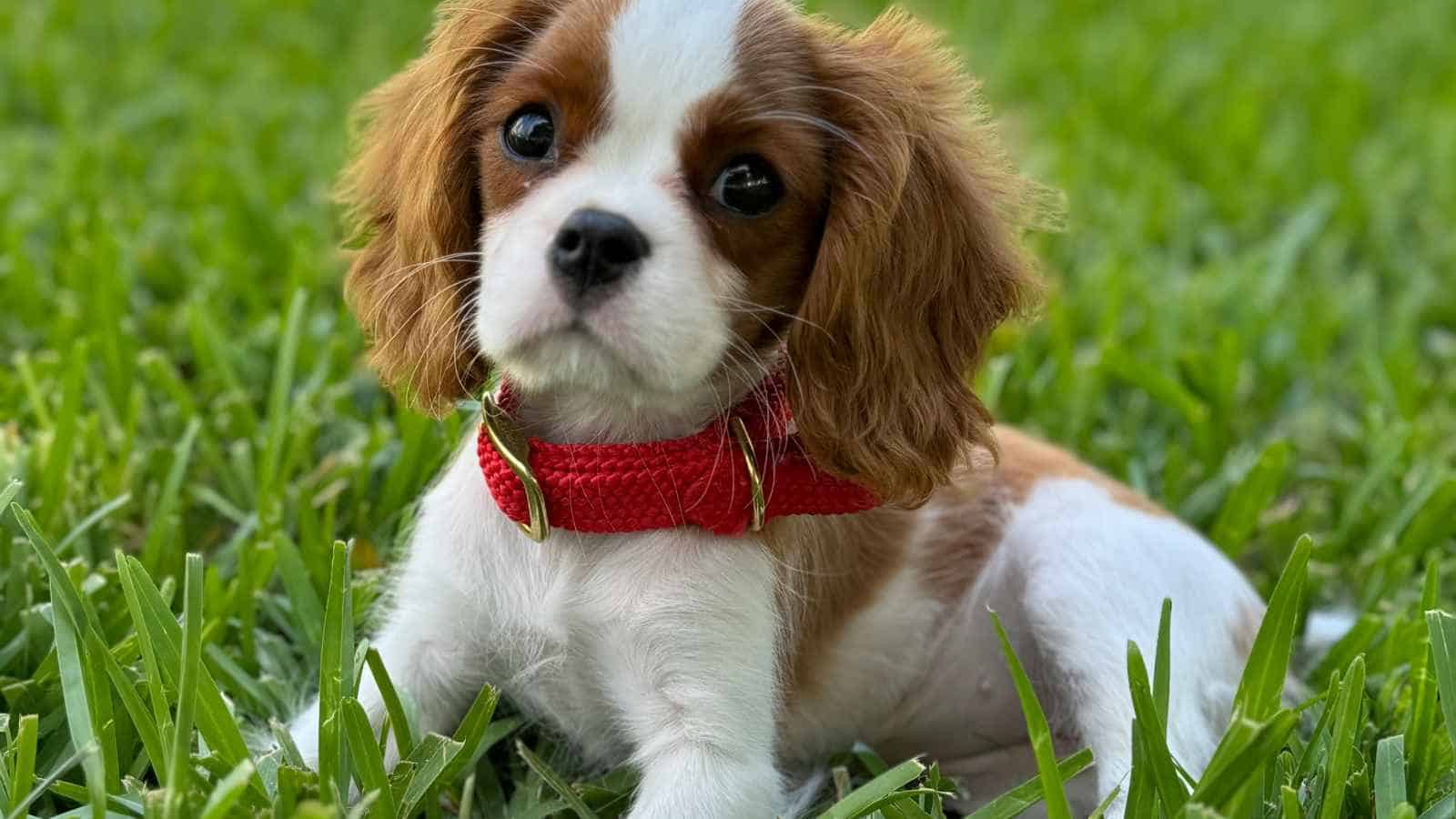
These little dogs were bred to be companions, and they take their job as lap warmers very seriously. They are sweet, affectionate, and usually do not have a mean bone in their entire body. Cavaliers are the perfect size to interact safely with cats without accidentally hurting them.
They tend to mirror the energy of the household, so if the cat is calm, the dog will be too. You will often see them curling up together on the sofa because Cavaliers hate being alone. This breed treats everyone they meet like a long-lost best friend.
The Loyal Collie

Collies are herding dogs, but they are known for being incredibly gentle and protective of their family. They are the breed made famous by Lassie, known for intelligence and a mild temperament. The Guardian reports that a study found that cats are actually more likely to be the aggressor in mixed homes.
A Collie is likely to tolerate a bossy cat with grace and simply walk away from a conflict. They are easy to train, so you can quickly teach them that the cat is off-limits for herding. Their soft nature makes them one of the best choices for a peaceful multi-pet home.
The Butterfly Eared Papillon
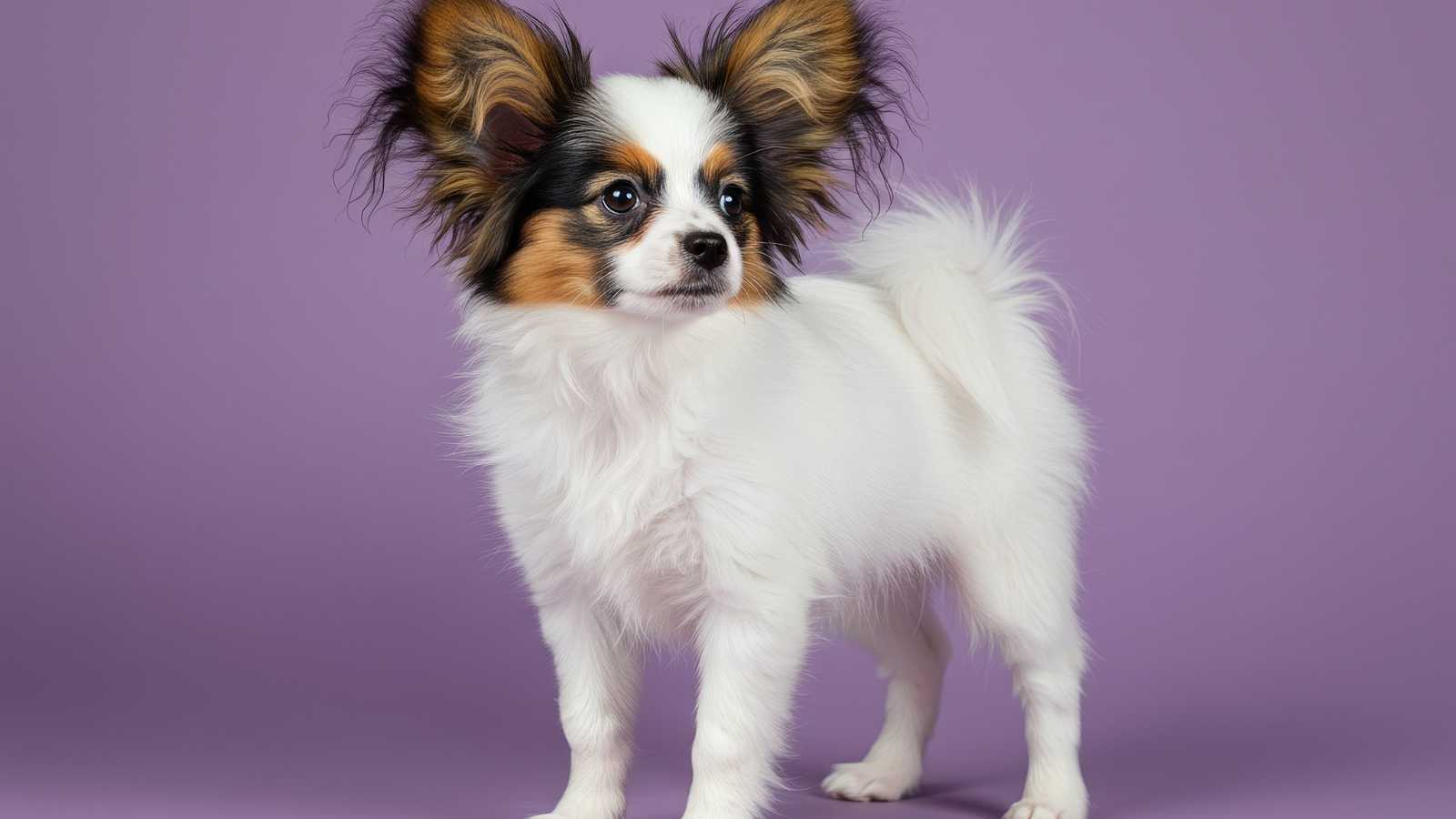
Do not let their tiny size fool you, as Papillons have big personalities and are quite sturdy for toy dogs. They are very smart and can be trained to respect the cat’s space very early on. The AKC lists the Papillon as a breed that generally does well with other pets.
They are about the same size as a cat, which puts them on an equal playing field during playtime. You might find them zooming around the house together in a burst of energy. These dogs are cheerful and usually integrate into a home with other pets seamlessly.
The Cheerful Bichon Frise
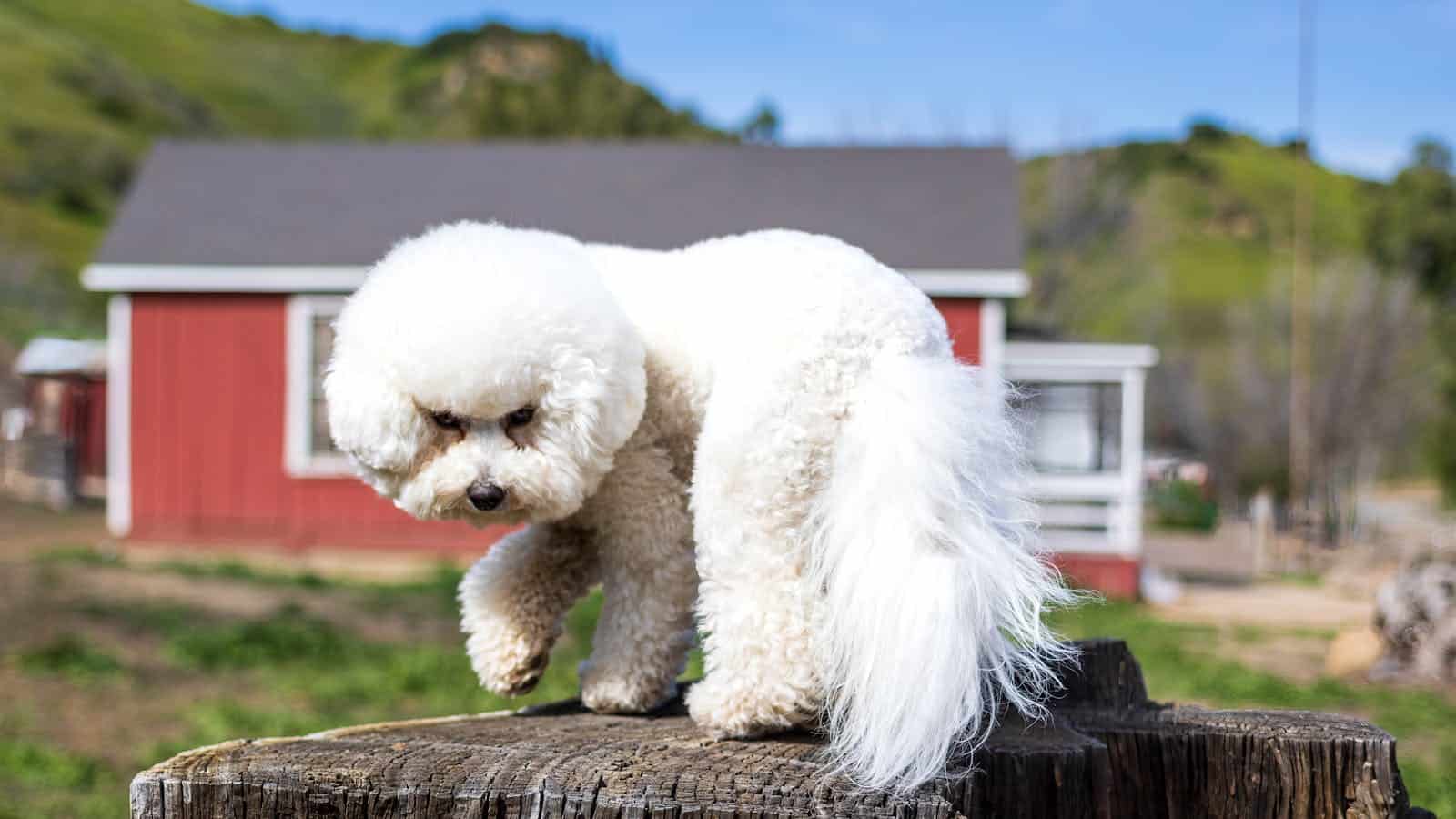
The Bichon Frise is a happy powder puff of a dog that sees everyone as a potential playmate. They are not known for having a high prey drive, which is great news for your feline. Their playful attitude can sometimes be a bit much, but they are never mean-spirited.
Bichons are hypoallergenic, which is a bonus if you are trying to keep the dander levels down. They are incredibly social and can suffer from separation anxiety if left alone for too long. Having a cat around can actually provide them with the companionship they crave.
The Smart Poodle
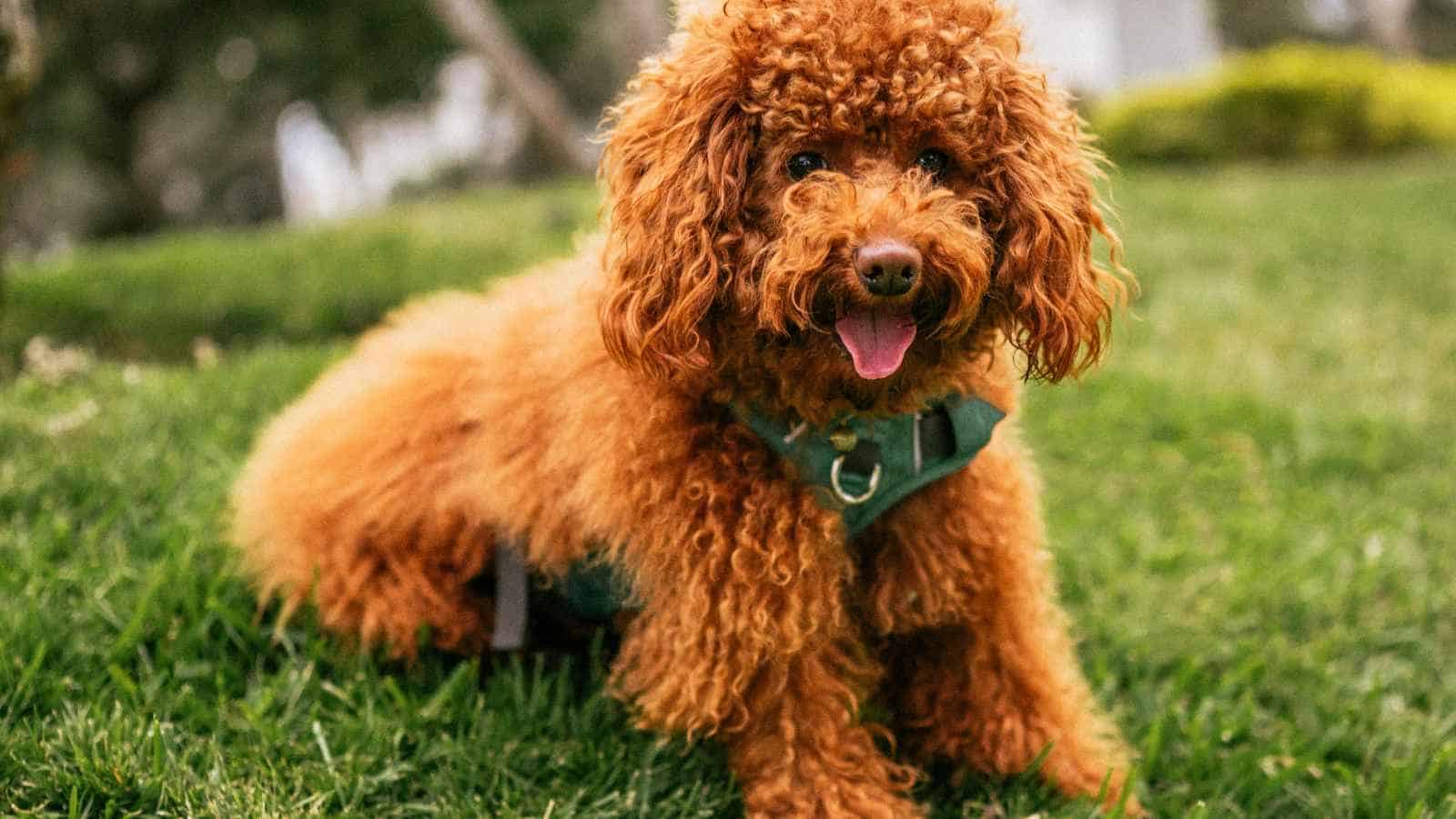
Poodles are incredibly intelligent and come in three sizes, so you can pick one that fits your space. They learn commands faster than almost any other breed, making introductions to cats very manageable. According to AKC registration data, the Poodle was the fifth most popular breed in 2024.
Standard Poodles are big but gentle, while Toy Poodles are closer to the cat’s actual size. They are active dogs that need mental stimulation, or they might make up their own games. A bored Poodle might pester a cat, but a trained one will be a respectful roommate.
The Giant Newfoundland

Newfoundlands are the definition of gentle giants and are famously good with children and other animals. They are massive dogs, but they move slowly and are incredibly calm inside the house. Their protective instinct extends to the small animals in their family pack.
Despite their size, they are sensitive souls who just want to be near their people and pets. You will need to watch out for drool, but you won’t have to worry about aggression. A Newfie is more likely to let the cat sleep on its head than chase it.
The Sweet Maltese
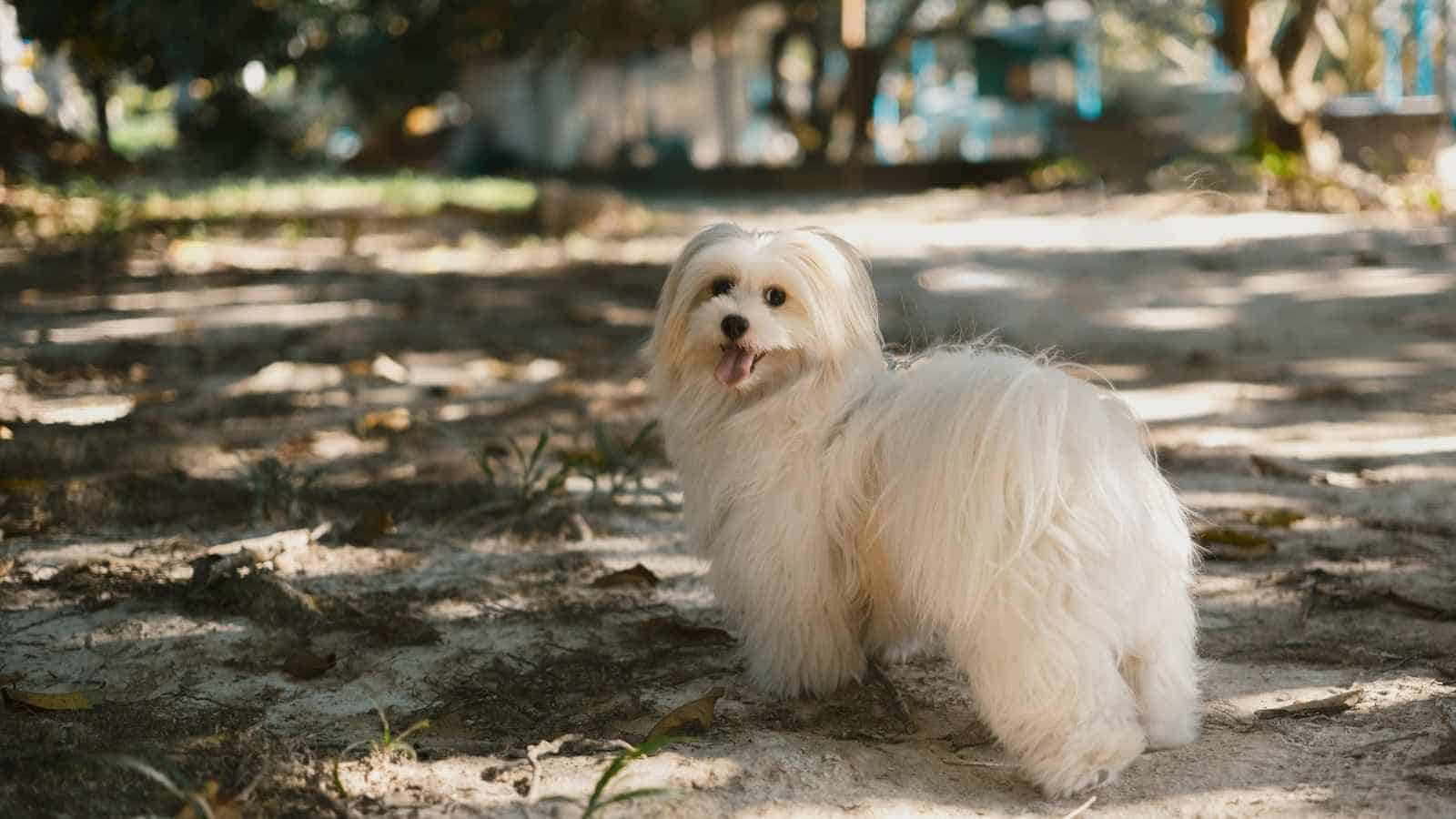
The Maltese is bred strictly for companionship, and they excel at being affectionate lap dogs. They are often smaller than the cat, which usually prevents the cat from feeling threatened or fearful. These white fluffy dogs are known for their gentle manners and lack of prey drive.
They can be a little vocal, but they are not aggressive toward other animals in the home. You should supervise them simply because a large cat could accidentally hurt a small Maltese. Usually, they decide to ignore each other or become quiet nap buddies.
The Playful Boxer
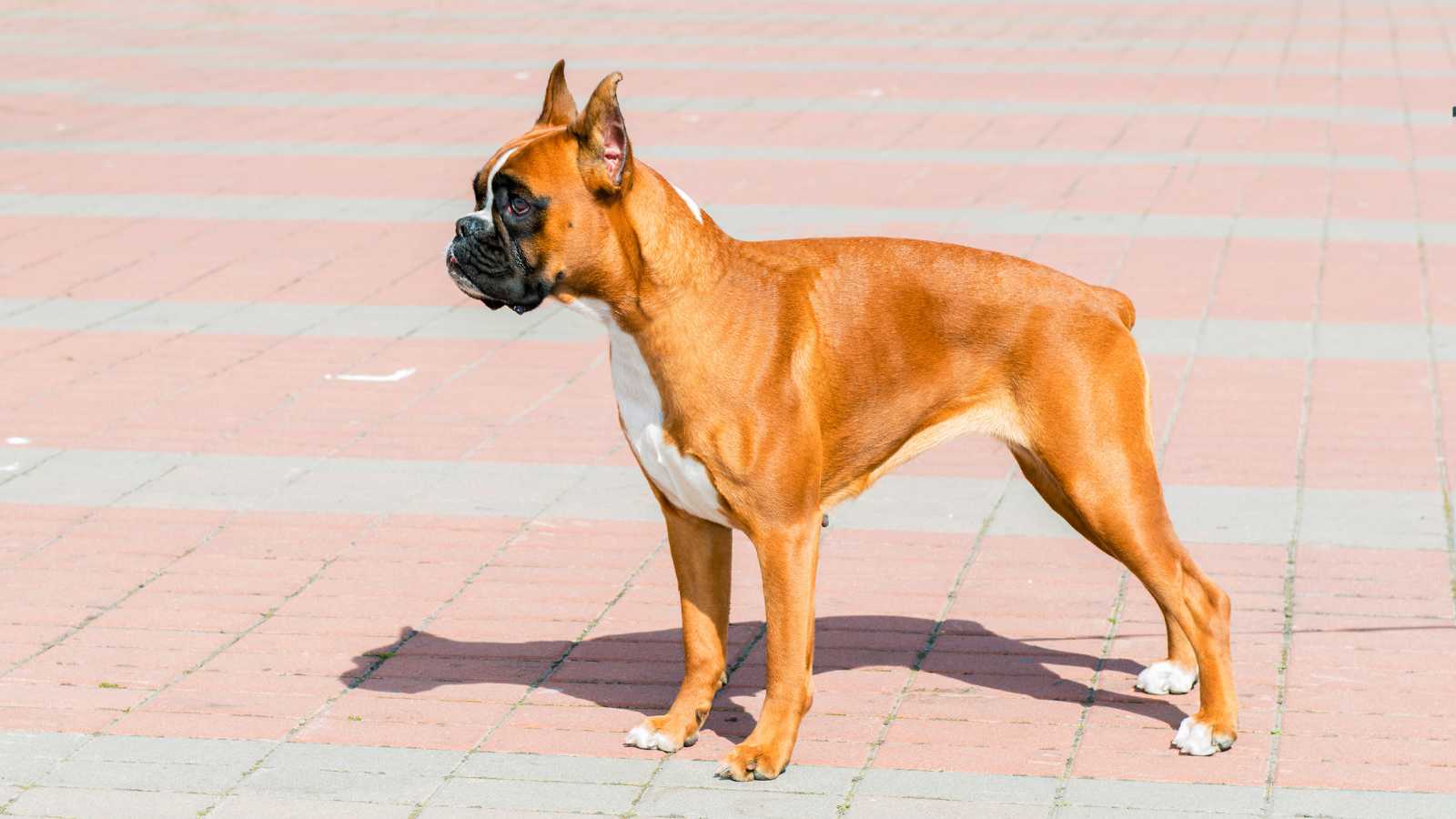
Boxers are high-energy dogs, but they are also incredibly goofy and affectionate with their families. They can be bouncy, but they generally lack the prey drive found in terriers or sighthounds. Boxers ranked as the 17th most popular breed in the U.S. based on AKC 2024 data.
They interact with their paws a lot, behaving almost like a cat when they bat at toys. You need to train them not to play too roughly, but their intentions are usually good. Many Boxers end up becoming best friends with cats because they both enjoy active play.
Like our content? Be sure to follow us