13 Essential Lessons to Teach Your Daughter Before She Turns 16
Raising a daughter basically feels like holding a glass vase while riding a unicycle on a tightrope. One minute you are wiping applesauce off her chin, and the next you are handing her the keys to a vehicle that weighs two tons.
It happens fast. But here is the scary truth. According to a study by Ypulse and The Confidence Code for Girls, girls’ confidence levels drop by 30% between the ages of 8 and 14. That is a massive decline right when they need belief in themselves the most.
Furthermore, a survey by The Independent found that 60% of parents worry that their teenagers lack essential life skills, such as budgeting and managing stress. While schools teach algebra and mitochondria, they often skip the skills that keep a human being functional. You have a limited window before she turns 16 to download essential software into her brain. This is not just about safety. It is about empowerment. Here are the 13 lessons you need to instill right now.
How to Stay Safe Online

Teen girls spend significant time online, but many underestimate the risks. Teach her how to protect herself from cyberbullying, grooming, and data tracking.
Make sure she understands the importance of keeping personal information, such as her full name, school, address, and phone number, private, and of avoiding connecting with strangers, even if mutual friends follow them. Remind her that every post is a permanent part of her digital footprint, so she should think twice before sharing anything.
Body Confidence in a Filtered World

By adolescence, girls often struggle with body dissatisfaction and lower self-esteem due to social comparison and idealized beauty standards. Teach her that filters and editing shape much of what she sees online, and that perception, not just body size, often drives how teens feel about their bodies. Encourage her to embrace diverse role models and engage in creative outlets like digital storytelling or art, which can help buffer social media pressures and foster a more positive sense of self.
Emotional Health and Asking for Help

More than half of teen girls report feeling persistently sad or hopeless, and many have seriously considered suicide. Normalize conversations about mental health so she knows that sadness and stress are as important as physical health.
Teach her to recognize warning signs, such as sleep changes or withdrawal, and encourage her to seek help from trusted adults or professionals. Let her know that asking for help is a strength, not a weakness, and that social media isn’t a reliable substitute for real-world support.
Consent, Boundaries, and Saying No

Consent education is crucial for helping her develop a healthy sense of agency and boundaries. Teach her about consent in all areas of life, not just in sexual situations, but also in personal space and simple gestures like hugs.
Reinforce that her “no” is valid, and she doesn’t need to justify it. Help her trust her instincts when something feels off, whether in friendships or dating situations, and make sure she knows she has the right to say no at any time.
Money Basics and Financial Confidence

Most teens lack basic financial literacy, and many worry about their financial future. Teach her how to budget, save, and understand the basics of debt and interest. Start conversations about money early, emphasizing the importance of saving (even small amounts) and how savings contribute to long-term financial security.
Given that most teens have little access to formal financial education, home conversations and practical learning experiences will give her a head start.
Healthy Friendships and Peer Pressure

Today’s teens often experience social pressures amplified by digital platforms. Help her identify green flags (respect, honesty, support) and red flags (manipulation, jealousy, constant criticism) in friendships.
Teach her how to navigate peer pressure, especially around appearance, partying, or online behavior, and encourage her to walk away from toxic friendships that don’t offer respect and support. Remind her that true friends should make her feel empowered, not judged.
Resilience, Failure, and Self-Compassion

Studies show that girls’ confidence drops significantly between ages 8 and 14, and many feel intense pressure to be perfect. Teach her to view mistakes as opportunities for growth and learning.
Encourage her to try new things and focus on effort, persistence, and courage rather than expecting flawless outcomes. By normalizing failure as a part of the learning process, you’ll help her develop a growth mindset and resilience.
Critical Thinking and Media Literacy

Girls are more likely than boys to feel overwhelmed by online drama and the pressure to share idealized content. Teach her to think critically about what she consumes online by asking questions like, “Who made this? Why? What do they gain?”
Encourage her to follow creators who value evidence, diversity, and nuance, and help her develop fact-checking habits before sharing or acting on content.
Basic Safety and Self-Advocacy

Help her develop skills to recognize unsafe situations both online and offline, and teach her to speak up when needed. Practice scripts for getting out of uncomfortable or dangerous situations, like calling you, leaving a party, or saying, “I have to go now.” Make sure she knows she can trust her instincts and that you’ll always prioritize her safety over any consequences.
Health, Body Autonomy, and Puberty

Puberty is a time of significant change, and girls often struggle with body image issues during this period. Teach her about puberty, menstruation, and reproductive health, and emphasize her right to understand her body and participate in medical decisions. Reinforce the importance of healthy habits like sleep, exercise, and nutrition, not for looks, but for overall well-being.
Time Management and Digital Balance
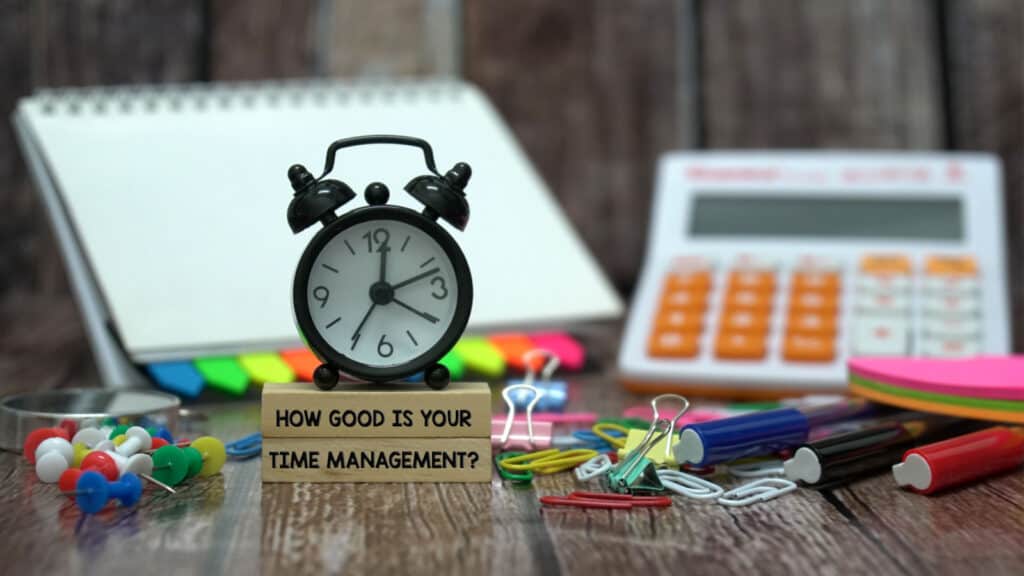
Teens spend more time online than any previous generation, and this can take a toll on their mental health. Teach her how to track her time and recognize which activities leave her feeling energized versus drained. Encourage her to set tech boundaries, such as device-free time during family activities or no phones before bed, to help her find balance between digital and offline worlds.
Growth Mindset Around School and STEM

Many teenage girls underestimate their abilities in STEM fields, often believing they’re “not smart enough” for STEM careers. Help her view intelligence as something that grows with effort and practice. Introduce her to female role models in science, technology, and leadership, and provide opportunities to build skills through hands-on experiences, such as coding clubs or science fairs.
Values, Identity, and Purpose

As her sense of self develops, your daughter will begin to grapple with societal pressures related to appearance and external expectations. Help her identify her core values, such as kindness, curiosity, or justice, and encourage her to use these values when making decisions. Foster her connection to a higher purpose, whether through journaling, volunteering, or other meaningful activities that encourage long-term self-esteem and resilience.
Disclaimer- This list is solely the author’s opinion based on research and publicly available information. It is not intended to be professional advice.
Disclosure: This article was developed with the assistance of AI and was subsequently reviewed, revised, and approved by our editorial team.
20 Odd American Traditions That Confuse the Rest of the World

20 Odd American Traditions That Confuse the Rest of the World
It’s no surprise that cultures worldwide have their own unique customs and traditions, but some of America’s most beloved habits can seem downright strange to outsiders.
Many American traditions may seem odd or even bizarre to people from other countries. Here are twenty of the strangest American traditions that confuse the rest of the world.
20 of the Worst American Tourist Attractions, Ranked in Order

20 of the Worst American Tourist Attractions, Ranked in Order
If you’ve found yourself here, it’s likely because you’re on a noble quest for the worst of the worst—the crème de la crème of the most underwhelming and downright disappointing tourist traps America offers. Maybe you’re looking to avoid common pitfalls, or perhaps just a connoisseur of the hilariously bad.
Whatever the reason, here is a list that’s sure to entertain, if not educate. Hold onto the hats and explore the ranking, in sequential order, of the 20 worst American tourist attractions.