These 12 classic American traditions are fading before our eyes
We are watching the fabric of classic American traditions unravel right before our eyes. It feels like just yesterday we operated on a completely different social frequency. You know what I mean. We used to live in a world where privacy meant closing your blinds and “social networking” meant a backyard barbecue. But things change fast.
The data backs up this feeling of loss we all share. According to a study by the Pew Research Center, societal trust and community engagement have shifted drastically in the last few decades. We trade convenience for connection every single day. I see classic American traditions fading, and frankly, I miss the simplicity. Let’s look at what we are losing.
Neighborhood Trick‑or‑Treating

Door‑to‑door trick‑or‑treating used to be one of the purest neighborhood rituals in America: kids in costumes, porch lights on, neighbors chatting at the door. Recent local reports and opinion pieces, however, describe dwindling numbers of trick‑or‑treaters and darker, undecorated streets.
Parents increasingly opt for “trunk‑or‑treat” events in church or school parking lots, where kids walk between decorated cars instead of houses. That keeps the candy coming, but critics argue it drains away the old‑school, walk‑your‑block community feel that made Halloween a uniquely connective American night.
Weekly Churchgoing as a Family Routine
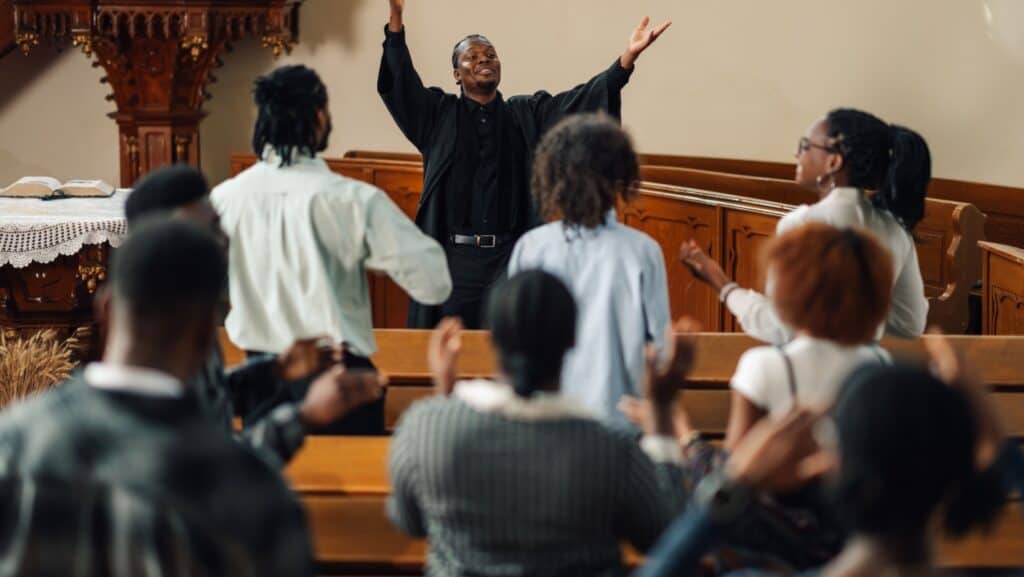
Sunday services were once the anchor of the week for millions of American families. Now, church attendance has fallen to historic lows, with one Gallup‑based analysis estimating a roughly 12% drop in regular attendance over the last two decades.
Commentary in USA Today and other outlets links the decline to political polarization, generational “religious nones,” and broader withdrawal from civic organizations. For many families, the traditional rhythm of “church, brunch, and Sunday clothes” has been replaced by sports, errands, and at-home streaming.
Bowling Leagues and Civic Clubs

Robert Putnam’s famous “bowling alone” metaphor captured a real shift: more people bowl, but far fewer join leagues. Historical data show that bowling leagues once generated about 70% of alley revenue; now it’s closer to 40%, as people bowl casually instead of as part of stable teams.
That same decline hits other classic American groups; Lions, Elks, Kiwanis, PTAs, and fraternal lodges have all lost members over recent decades. Experts say these organizations once provided built‑in social networks, local leadership, and volunteer power that are now much harder to replace.
Sitting Down for Regular Family Dinners

The image of everyone around the table at 6 p.m. sharp has always been somewhat idealized, but research shows that family dinners are declining, especially in more vulnerable households. A large study of adolescents in Minneapolis–St. Paul found that between 1999 and 2010, family meals stayed flat or dropped, with significant declines among girls, middle‑schoolers, Asian youth, and low‑income families.
Other national cohorts show that family‑meal frequency tends to decrease as children enter adolescence, even though frequent shared meals are linked to better diets, lower substance use, and fewer mental‑health risks. Time pressure, multiple jobs, and overscheduled evenings make the “every‑night family dinner” an increasingly fragile tradition.
Porch‑Sitting and Casual Neighbor Drop‑Ins

From small towns to big‑city blocks, it used to be common to see people on their front porches after work, chatting with neighbors or handing out candy at the door. Today, more socializing happens online or behind backyard fences, and even Halloween is shifting away from old‑fashioned porch traffic.
Observers of neighborhood life argue that fewer porch lights, fewer door knocks, and more car‑centric rituals contribute to a slow erosion of face‑to‑face community bonds. The casual “drop by and say hi” is increasingly replaced by texts and planned meetups elsewhere.
Big, Multi‑Generational Holiday Gatherings
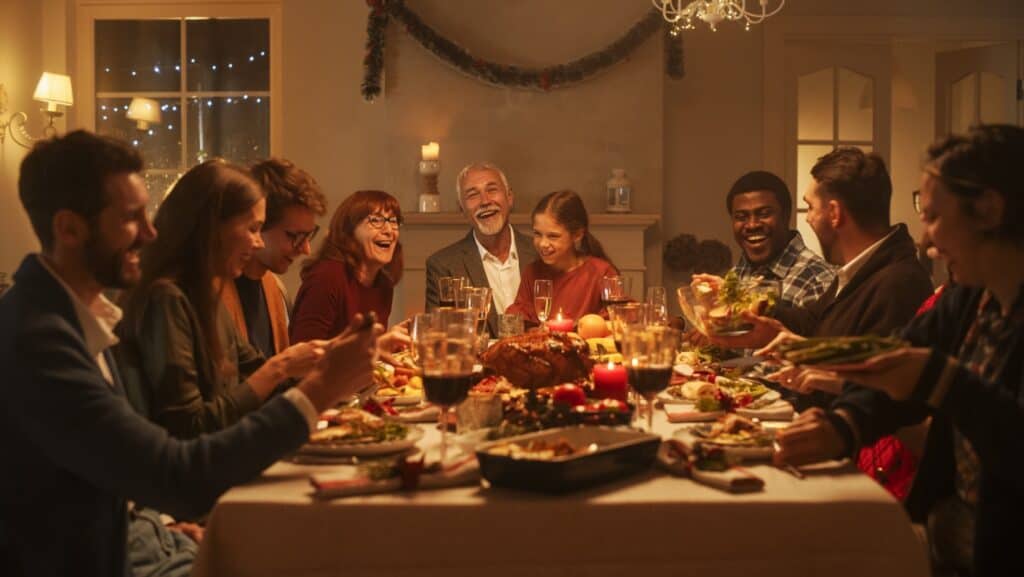
Large holiday gatherings with grandparents, cousins, and out‑of‑town relatives are still cherished, but they’re becoming harder to sustain. Commentators point to higher geographic mobility, smaller families, and more demanding schedules as reasons extended‑family get‑togethers are shrinking or occurring less frequently.
More adults live alone or far from their hometowns than in previous generations, which makes it logistically and financially more difficult to recreate those large holiday tables year after year.
Joining the Local PTA, Scouts, and Youth Clubs
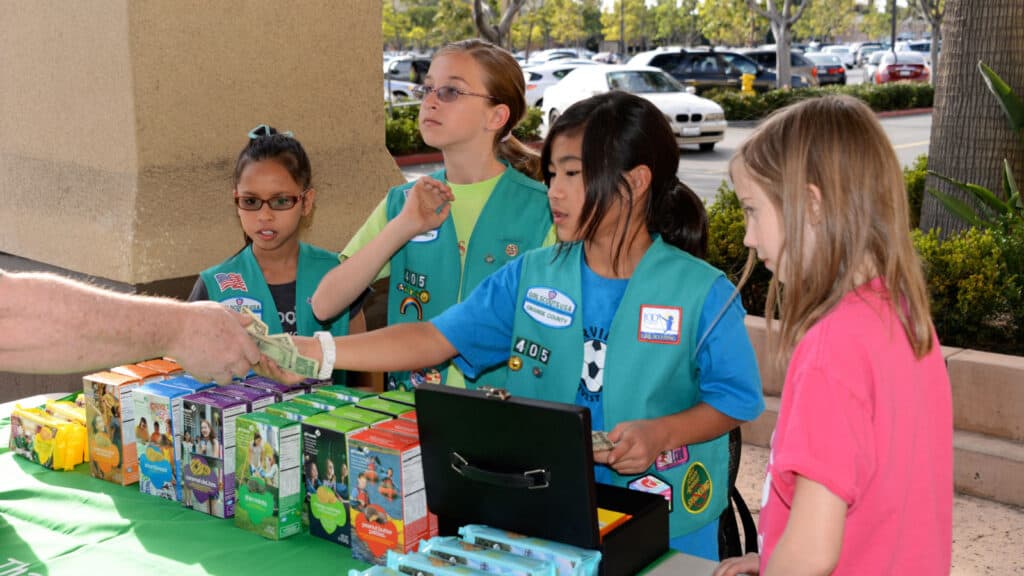
For decades, American childhood was intertwined with organizations like the Boy Scouts, Girl Scouts, 4‑H, and school‑based PTAs. Analyses of civic participation report long‑term declines in membership across many of these groups, mirroring trends observed in bowling leagues and fraternal organizations.
When fewer adults volunteer in these structures, kids lose built‑in opportunities for leadership, outdoor skills, and community service that once anchored American childhood.
Fourth of July in the Park, Not Just on a Screen

Independence Day fireworks, small‑town parades, and park cookouts remain popular, but many communities report smaller crowds at local events and more people watching major displays on television or social media instead.
Local coverage often notes that liability costs, budget cuts, and noise complaints have led to the cancellation of traditional parades or fireworks in smaller towns, thereby thinning the old‑fashioned, in‑person celebration of the holiday. The patriotic ritual is shifting from a shared public experience to a more privatized, backyard‑only event.
Neighborhood‑Scale Kids’ Play and Independence

American kids once roamed their neighborhoods together, riding bikes, playing pickup games, and only coming home when the streetlights flicked on. Today, independent outdoor play is substantially reduced, replaced by organized activities and indoor screen time.
Less independent roaming means fewer opportunities to develop social skills, risk assessment, and local ties and informal traditions that once defined American childhood in suburbs and small towns.
Door‑to‑Door Selling and Fundraising

From Girl Scout cookies to school wrapping‑paper drives, door‑to‑door fundraising was once a seasonal norm. Safety worries, online ordering, and new fundraising models mean fewer kids are knocking on neighbors’ doors now.
Community observers say those small interactions, kids practicing pitches, adults chatting on the porch, neighbors supporting school trips, quietly stitched neighborhoods together. As sales move online, the social “mini‑rituals” disappear even if the money still flows.
Church Potlucks, Suppers, and Socials

Beyond worship, churches and synagogues once hosted regular potlucks, pancake breakfasts, and spaghetti suppers that served as de facto town‑square events. As church membership declines, food‑centric social traditions also decline.
For many communities, these gatherings provided intergenerational contact and mutual aid, spaces where people checked on elders, shared news, and quietly helped families in need.
Reading a Physical Newspaper Every Morning

The classic image of an American kitchen table with a printed newspaper spread out is rapidly fading. While digital news consumption has risen, print circulation for local and national newspapers has declined sharply over the last two decades, contributing to “news deserts” and reduced sharing of local information.
Commentators link this decline not only to technological change but also to declining civic literacy, with fewer people following local school boards, city councils, and civic debates in the daily paper. The ritual of everyone reading the same front page each morning is becoming rare.
Why These Fading Traditions Matter

Researchers at the National Institutes of Health emphasize that traditions aren’t merely nostalgic; they constitute an infrastructure for social health. Church attendance, civic groups, neighborhood rituals, and family meals are associated with greater social cohesion, improved youth outcomes, and reduced isolation.
While new forms of connection are emerging online and in hybrid communities, ScienceDirect argues that rebuilding even small parts of these classic traditions, such as one additional family dinner a week, a revived block party, or a return to front‑porch Halloween, could help Americans feel less alone in an increasingly fragmented era.
Disclosure line: This article was developed with the assistance of AI and was subsequently reviewed, revised, and approved by our editorial team.
20 Odd American Traditions That Confuse the Rest of the World

20 Odd American Traditions That Confuse the Rest of the World
It’s no surprise that cultures worldwide have their own unique customs and traditions, but some of America’s most beloved habits can seem downright strange to outsiders.
Many American traditions may seem odd or even bizarre to people from other countries. Here are twenty of the strangest American traditions that confuse the rest of the world.
20 of the Worst American Tourist Attractions, Ranked in Order

20 of the Worst American Tourist Attractions, Ranked in Order
If you’ve found yourself here, it’s likely because you’re on a noble quest for the worst of the worst—the crème de la crème of the most underwhelming and downright disappointing tourist traps America offers. Maybe you’re looking to avoid common pitfalls, or perhaps just a connoisseur of the hilariously bad.
Whatever the reason, here is a list that’s sure to entertain, if not educate. Hold onto the hats and explore the ranking, in sequential order, of the 20 worst American tourist attractions.