12 things you probably have at home if you grew up poor
Growing up in a low-income household often shapes not just your memories, but the very fabric of your home. Many people raised in poverty carry with them a set of resourceful practices and objects, born out of necessity, that persist into adulthood. These items are not random clutter; they reflect a mentality of scarcity, repair, reuse, and resilience.
According to a recent UNICEF–World Bank report, 333 million children worldwide live in extreme poverty, surviving on less than $2.15 per day. This reflects not just financial hardship, but a way of life in which scarcity is constant.
Scarcity mindset theory, developed by economists and psychologists like Sendhil Mullainathan and Eldar Shafir, argues that poverty itself induces a “scarcity mindset” that reduces cognitive bandwidth—making it harder to focus on anything other than immediate needs.
Here are twelve things you probably have (or had) at home if you grew up poor.
Repurposed Containers (Butter Tubs, Coffee Cans, Jars)

One of the most familiar signs of frugality is seeing old margarine tubs, coffee cans, or jam jars reused around the house. Instead of being thrown away, they become storage for screws, leftovers, sewing supplies, or other small items.
The practice aligns with what behavioral scientists call a scarcity mindset, where people maximize every resource they have. According to Scarcity: Why Having Too Little Means So Much by Sendhil Mullainathan and Eldar Shafir from Harvard Kennedy School, scarcity itself changes how people think: it “captures the mind,” forcing individuals to focus on immediate needs and reducing the cognitive resources available for other tasks.
A “Junk Drawer” Packed With Random Fix-It Items

Many households that grew up poor maintain a junk drawer filled with rubber bands, twist ties, tape scraps, extra screws, and other bits and bobs. More than clutter, this drawer often functions as a miniature repair kit.
This reflects a “fix rather than replace” mindset. When finances are tight, paying for brand-new items or hiring someone to fix something may not be viable, so improvisation becomes the default. Behavioral economics research from Harvard IQ suggests that poverty imposes mental bandwidth constraints: constant worry about finances reduces the capacity to plan long-term, so people rely more on immediate, low-cost solutions.
That junk drawer, then, isn’t just messy—it’s a built-in safety net.
“Good” vs. “Everyday” Items: Saving the Best for Special Occasions

If you grew up poor, you probably remember that some items (nice towels, good dishes, or nicer linens) were reserved for guests, while the rest were used daily until they showed significant wear.
“Good” vs. “Everyday” Item division is deeply tied to the psychology of scarcity. Research by Mullainathan and Shafir, published in Harvard Magazine, shows that when resources are scarce, people become more protective of higher-quality goods, tucking them away to make them last.
It’s not about snobbery—it’s about stretching limited resources as far as they can go.
Mismatched Plates, Cups, and Cutlery

In many low-income homes, the dinnerware doesn’t match. Plates, bowls, and cups often come from secondhand sources, thrift stores, or hand-me-downs—and they may be chipped or scratched.
According to broader consumer expenditure trends, lower-income households often spend less on durable goods and may rely more on secondhand or low-cost items rather than buying complete matching sets. The Consumer Expenditure Survey by the Bureau of Labor Statistics consistently shows that lower income is correlated with lower spending on household durable goods.
Rather than discard usable items, families make do, combining whatever works.
Also in MSN: 8 ‘poor person life hacks’ people still use, even after they’re no longer broke
A Stash of Plastic Grocery Bags
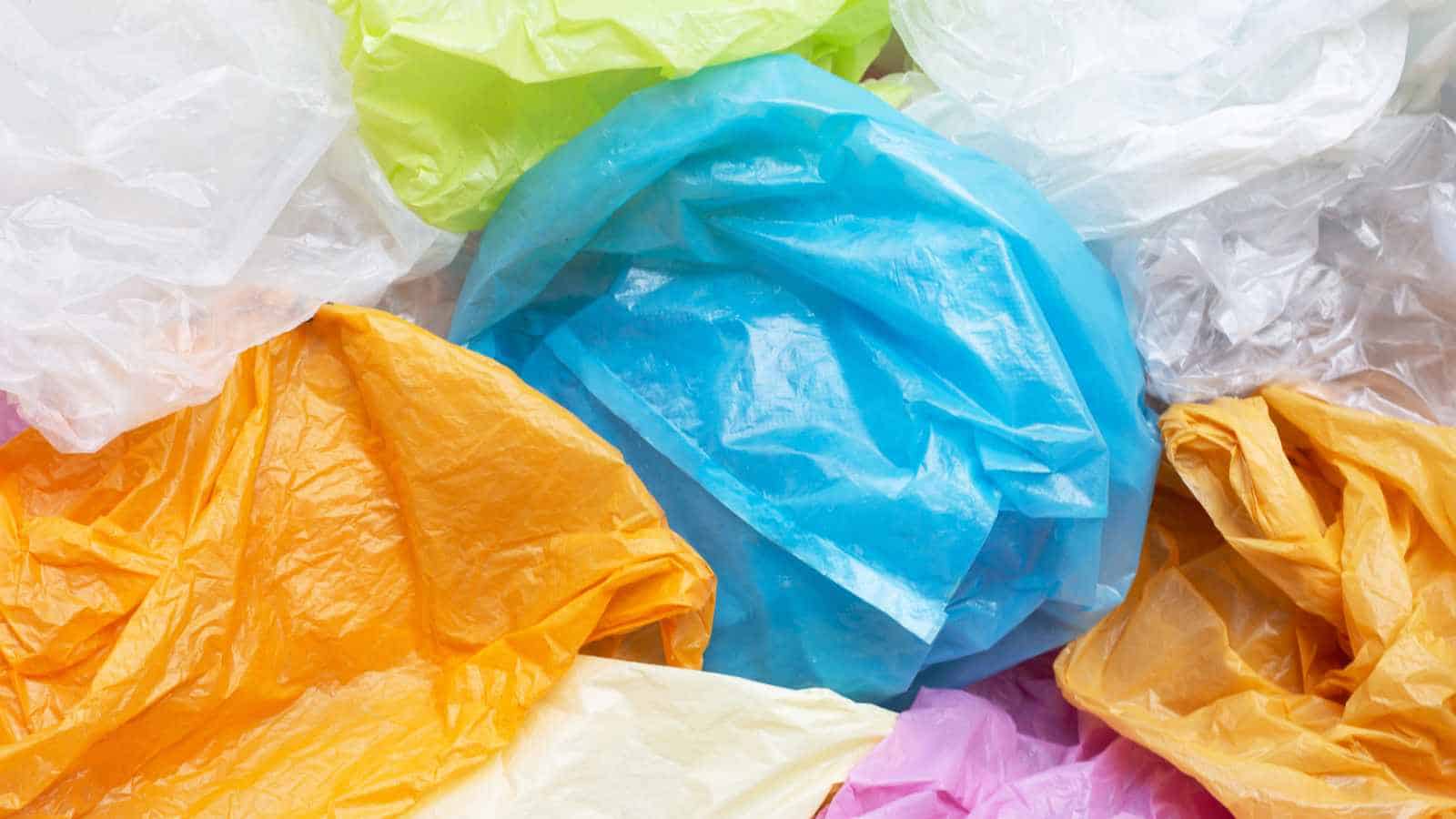
Many people raised in low-income homes have—or once had—a drawer or box full of plastic grocery bags. Instead of throwing them away, these bags are reused as trash can liners, makeshift storage pouches, or packaging.
The OECD’s How Green Is Household Behavior? Survey reports that 83% of households say they “often or always” use reusable or refillable containers, and a significant number reuse plastic items.
Saving grocery bags isn’t just about frugality; it’s a widespread behavior rooted in necessity, especially when disposable alternatives are not affordable.
Ice-Cream Tubs or Cookie Tins Repurposed for Storage

That empty ice-cream tub or cookie tin you find in the cupboard is often repurposed into a sewing kit, craft box, or container for random keepsakes. These containers are durable, airtight, and readily available, making them ideal for reuse.
An Informal storage system is common in households with limited disposable income. The OECD’s waste-reduction findings show that many households repair or repurpose items rather than discard them.
Repurposing food containers shows how everyday materials become part of a resilient, do-it-yourself household economy.
Furniture That’s Been Repaired Over and Over

Broken chairs, wobbly tables, and fraying couches patched with tape, staples, or nails are common in homes where replacing furniture isn’t financially feasible.
Over-and-over repair pattern reflects a repair-over-replace culture. According to the OECD survey, 55% of households report repairing damaged items rather than buying new ones.
Repairing furniture is not just about saving money; it’s an act of resourcefulness and self-reliance.
Broken Electronics, Spare Cords, and “Maybe Useful” Parts

Many homes have a box of broken or obsolete electronics—old phones, remotes, frayed chargers, spare cords—kept just in case. While they may no longer work, they remain stored for future use.
“Save-for-parts” behavior reflects long-term resource planning amid financial uncertainty. A study in public administration and behavioral economics by BehavioralEconomics.com shows that financial insecurity encourages people to hold onto items that might still come in handy.
When replacing electronics is expensive, saving even broken components is a form of thrift and hope.
Thin Towels, Faded Blankets, and Threadbare Linens
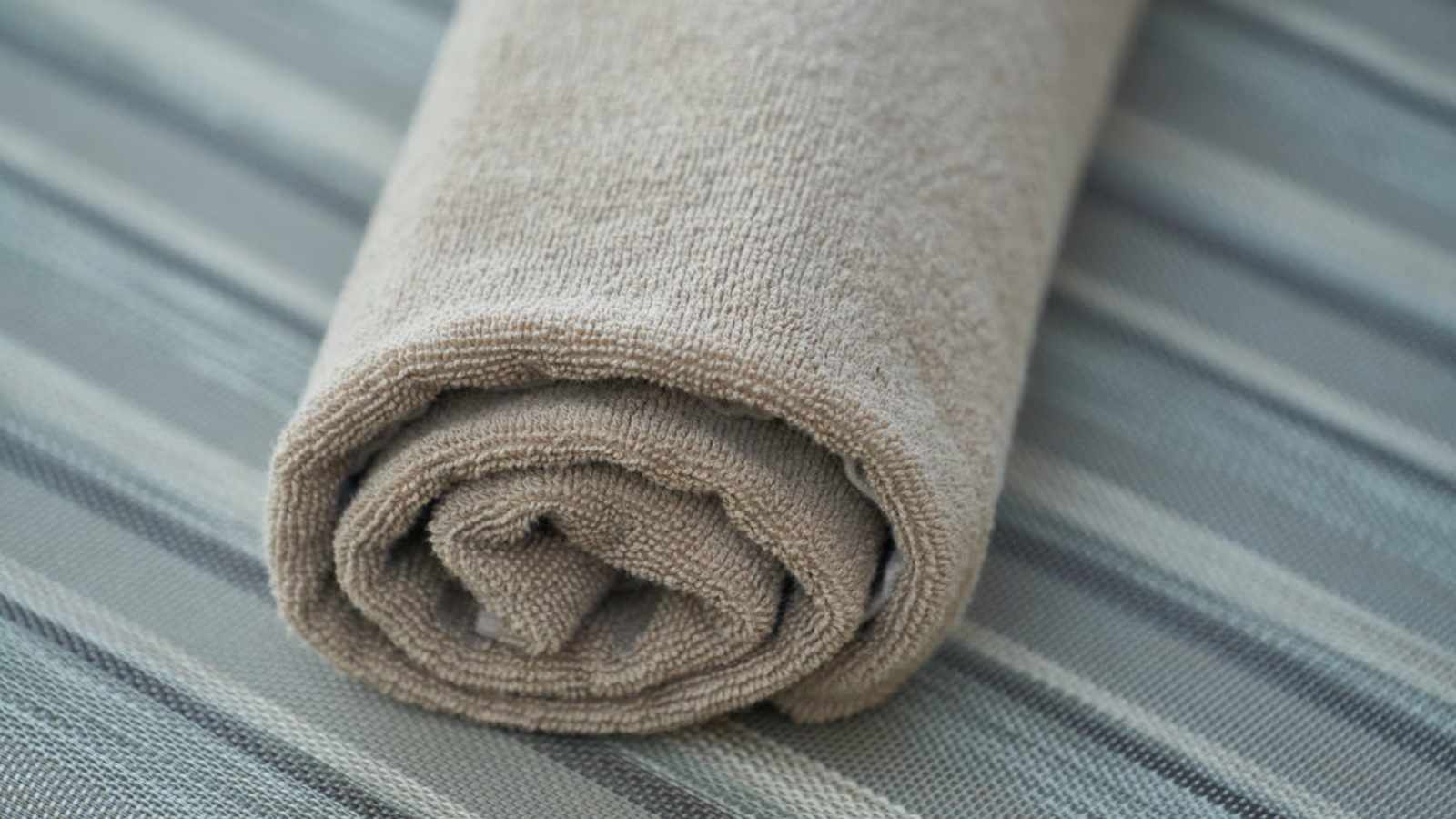
Textiles in low-income homes often show signs of prolonged use: towels get thinner, blankets fade, and sheets wear down. This is less a result of neglect and more a symptom of maximizing lifespan.
When budgets are tight, families are less likely to replace items frequently, choosing instead to keep using textiles long past when others might discard them. These textiles may look worn, but they carry years of use and survival.
Off-Brand Cleaning Products or Homemade Cleaners

Many households under financial strain rely on off-brand cleaning products or make their own cleaners using vinegar, baking soda, or diluted detergents. These alternatives can be cheap, safe, and surprisingly effective.
Budget-driven substitution is common. Behavioral economics and consumer studies suggest that households under financial pressure often substitute lower-cost options for more expensive branded products. Mullainathan and Shafir’s work on scarcity from Harvard IQ supports this behavior: when cognitive resources are under strain, people make trade-offs that favor immediate savings.
Using DIY cleaners is therefore not just economical—it’s smart.
A Drawer or Box of Manuals, Receipts, and Important Paperwork

A hallmark of low-income homes is a scattered, but carefully preserved, collection of receipts, appliance manuals, warranty cards, and other documents. Even when items break, people hang on to the paperwork, just in case it’s needed later.
This behavior is rooted in a need for financial security. According to the Consumer Financial Protection Bureau (CFPB), individuals with fewer financial buffers retain more documents for longer because losing proof of purchase or warranty could be costly.
That box of paper may feel chaotic, but it’s a safety strategy built on risk management.
Basic First-Aid Supplies or Makeshift Medical Kits

In many low-income households, first aid is handled with simple, reused materials: cotton balls, old rags, antiseptic, and patched gauze instead of a fully stocked commercial first-aid kit.
Basic first-aid supplies and makeshift medical kits reflect a preparedness mindset turned economic. While not every household can afford a professional-grade first-aid kit, many will repurpose what they have to respond to minor injuries. This self-reliance is consistent with patterns of reuse and repair that run throughout resource-constrained living.
Key Takeaways
These things are more than just “makeshift” solutions; they are testimonies to resilience, markers of creativity, and evidence of a mindset molded by necessity.
Far from being just clutter, they are each a story: about how you or your family adapted, learned to stretch what you had, and built resourceful systems in a world that often undervalued what you could do with less.
Disclosure line: This article was developed with the assistance of AI and was subsequently reviewed, revised, and approved by our editorial team.
31 Forgotten Household Items from the Past

31 Forgotten Household Items from the Past
The blueprint of the quintessential American home has undeniably evolved over the decades. Whether you attribute it to the leaps in technology or the shifting sands of aesthetic tastes, the fact remains: items once deemed as household staples have now drifted into obscurity.
25 Nostalgic Items That Everyone Had 30 Years Ago, but No One Has Today (Except Your Grandparents, Maybe)

Welcome aboard the Nostalgia Express! Have you ever taken a moment to consider how drastically things have changed over the past three decades? Every time you’re at your grandparents’ place and stumble upon the relics of a bygone era, it’s like stepping into a time machine.