13 ways Europe’s 2026 entry rules could affect American travelers
Europe used to feel like the easiest big trip on the board. You booked the flight, packed the cute walking shoes, and let the passport do the talking. Now the continent wants more homework before the fun begins.
The European Commission says the Entry/Exit System became fully operational on April 10, 2026, and now records entries and exits digitally rather than relying on passport stamps. ETIAS, the next big travel authorization, will follow later in 2026.
That means American travelers need more careful planning for girls’ trips, family vacations, honeymoons, cruises, and solo city breaks. The good news is simple. A little preparation can keep your Paris café fantasy from turning into a passport-control headache.
You will need an ETIAS before entering Europe

ETIAS will change the mood of last-minute European trips. The European Commission says visa-free travelers will need this authorization to visit 30 European countries for short stays once the system starts in the last quarter of 2026. That does not turn Europe into a traditional visa destination for Americans, but it does add a pre-trip step.
You will need to apply before travel through the official EU site or app once applications open. This matters for anyone who loves spontaneous fare deals, surprise anniversary trips, or quick Thanksgiving escapes. Add ETIAS to your booking checklist, just as you already check passport dates and flight times.
The fee adds another cost

The new authorization will also add a small but noticeable line to the travel budget. The European Commission says the ETIAS fee has been set at €20, replacing the earlier planned €7 fee. That may sound small next to airfare, hotels, and museum tickets, but families and groups will feel it more quickly.
A couple can shrug it off, but a family with adult children or a group of friends can see the total climb. The fee also reminds travelers to avoid unofficial websites that may charge extra for the same basic application. Treat it like a travel admin fee, not a luxury splurge, and budget for it before the checkout screen surprises you.
Your passport dates matter more
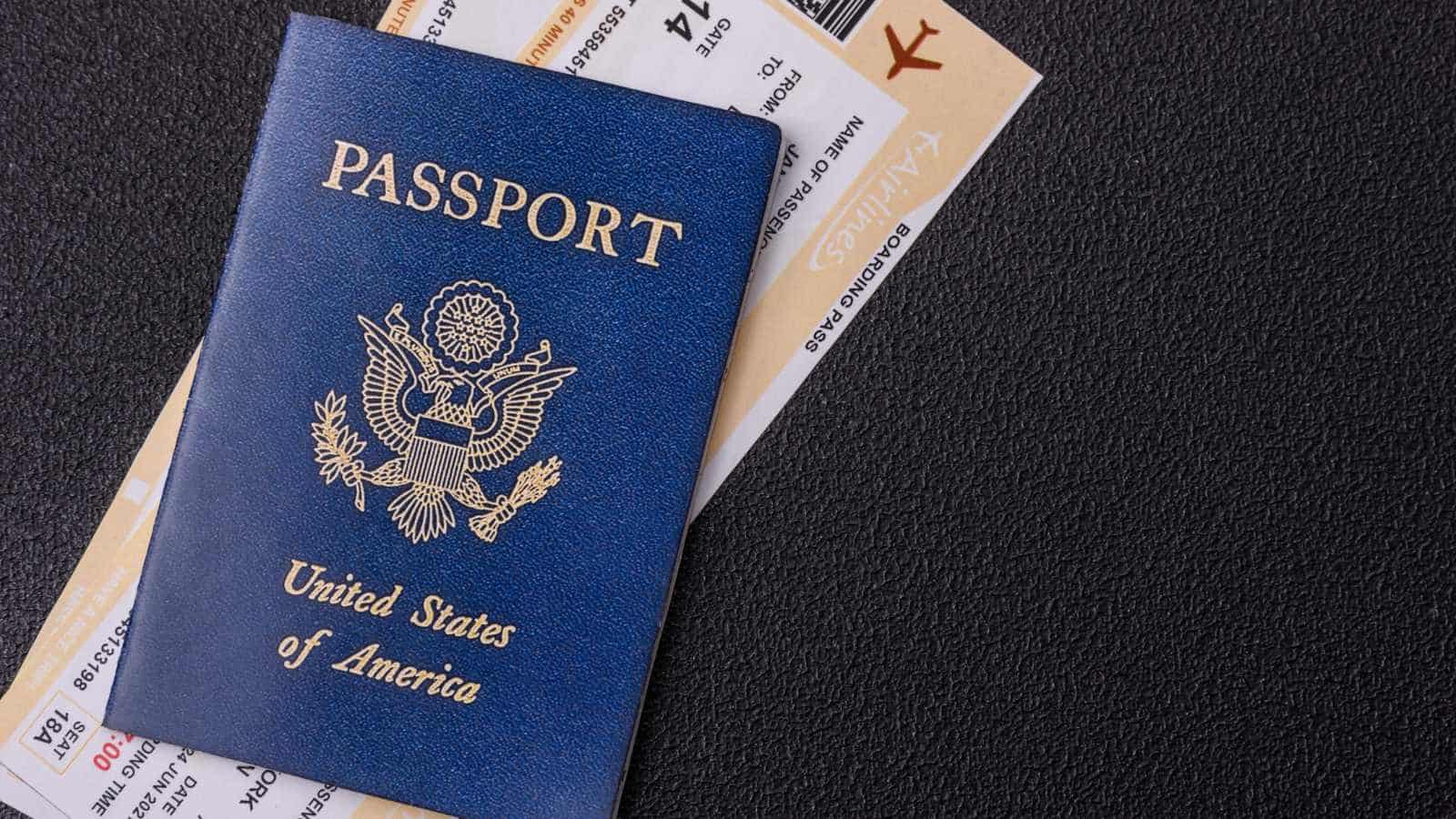
Europe’s passport rules can trip up travelers who only glance at the expiration date. Your Europe, the EU’s official citizen information portal, says a non-EU traveler’s passport must remain valid for at least 3 months after the planned EU departure date and have been issued within the last 10 years.
That second rule catches people who renewed early and received extra validity on an older passport. Airlines can deny boarding before you even reach the European border. Check the issue date, not just the big expiration date printed on the passport. This is one of the least glamorous parts of planning, but it can save the whole trip.
Passport stamps are fading out
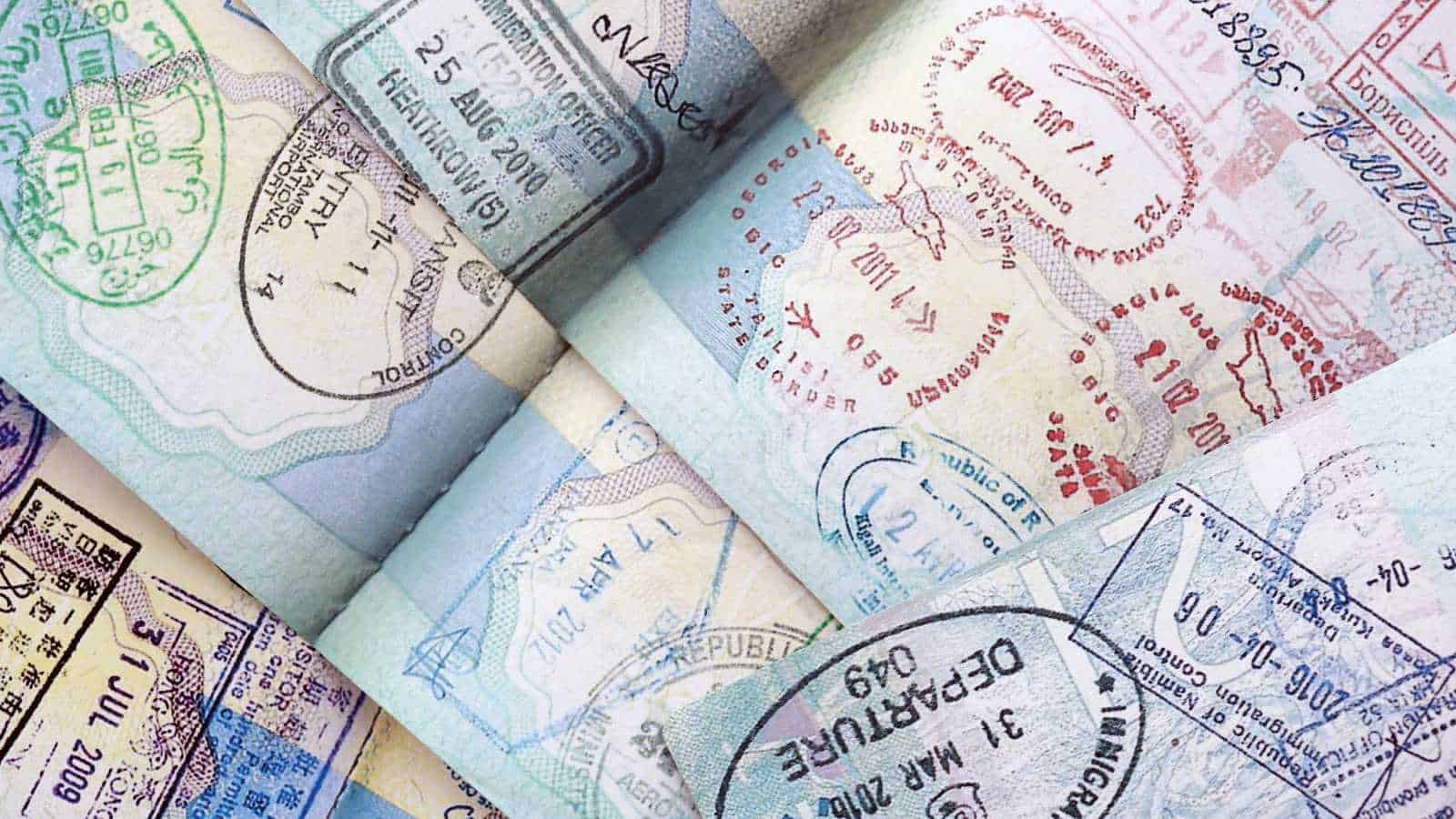
The classic passport stamp is losing its starring role. The European Commission says EES replaces passport stamping with digital records for entries, exits, and refusals of entry for short-stay non-EU travelers. That means fewer souvenir stamps and more behind-the-scenes tracking.
American travelers should not panic, but they should stop relying on a border stamp to remember travel dates. Keep your own itinerary records, hotel confirmations, and flight receipts in a folder on your phone. The new system makes travel smoother in theory, but it also leaves less room for fuzzy memory during repeat trips.
Your biometrics become part of the entry

Border control will feel more high-tech than it used to. The European Commission says EES records a traveler’s name, travel document data, fingerprints, facial images, and the date and place of entry and exit. That can feel strange for Americans used to quick passport checks in Europe.
First-time registration may take longer because the system needs to create your digital file. After that, repeat entries should feel more familiar because your record already exists. Give yourself extra patience, especially if you land after an overnight flight with mascara under one eye and zero interest in another queue.
The stay limit gets harder to ignore
The Schengen stay limit has always mattered, but EES makes it harder to miscount. The U.S. State Department says U.S. citizens can use the EES for visits of up to 90 days within a 180-day period in the affected European countries. Digital entry and exit records can make it easier for authorities to catch overstays.
That matters for remote workers, retirees testing longer stays, frequent travelers, and anyone planning several short trips in one season. A long weekend in Lisbon, a summer week in Italy, and a fall trip to Amsterdam can add up faster than expected. Use a Schengen day calculator before you book your second or third trip.
Airport buffers need more room
Tight connections may become riskier during the transition. ABTA, the UK travel association, warns that EES checks can take longer at participating border points, including biometric registration and questions about the stay. American travelers should approach short layovers with caution, especially at major hubs during summer, holidays, and school breaks.
A bargain fare can lose its sparkle if one slow border line causes a missed connection. Choose longer layovers for multi-country routes and avoid stacking too many timed reservations on arrival day. Give yourself room to breathe, freshen up, and find the first good cappuccino without sprinting through the terminal.
The UK needs separate permission
A London stop now adds its own paperwork. The UK says most visitors from the USA usually need an Electronic Travel Authorization, which costs £20. This rule matters if your European trip includes London before Paris, a UK layover that requires crossing the border, or a quick side trip to see family.
The UK ETA does not replace ETIAS because the UK sits outside the Schengen system. You may need both permissions on the same vacation, depending on your route. Keep the two systems separate in your mind, and apply through official government channels to avoid copycat sites.
Cruise plans need extra checks

Cruise travelers need to read the fine print before sailing. GOV.UK says some sailings that start and end outside the Schengen area may avoid EES checks for day trips, but passengers who disembark inside the Schengen area and continue by another method may need checks.
That detail matters for Mediterranean cruises, repositioning cruises, and multi-country itineraries with hotel stays before or after sailing. A port day seems simple on paper, but the entry rules vary depending on where your journey begins and ends.
Ask the cruise line how EES applies to your exact itinerary before final payment. Keep printed and digital copies of cruise documents, hotel bookings, and onward tickets.
City fees can surprise budgets
Entry rules are not the only 2026 change hitting travel wallets. The City of Amsterdam says its tourist tax is 12.5% of the overnight price, excluding VAT. That can turn a dreamy canal-side hotel into a bigger bill than the booking page first suggests.
Other European cities also use visitor taxes to manage crowds and fund local services, so that the final price can vary by destination. American travelers should compare total accommodation costs, not just nightly rates. A chic hotel may still be worth it, but no one wants the checkout receipt to deliver the trip’s biggest plot twist.
Venice day trips need planning
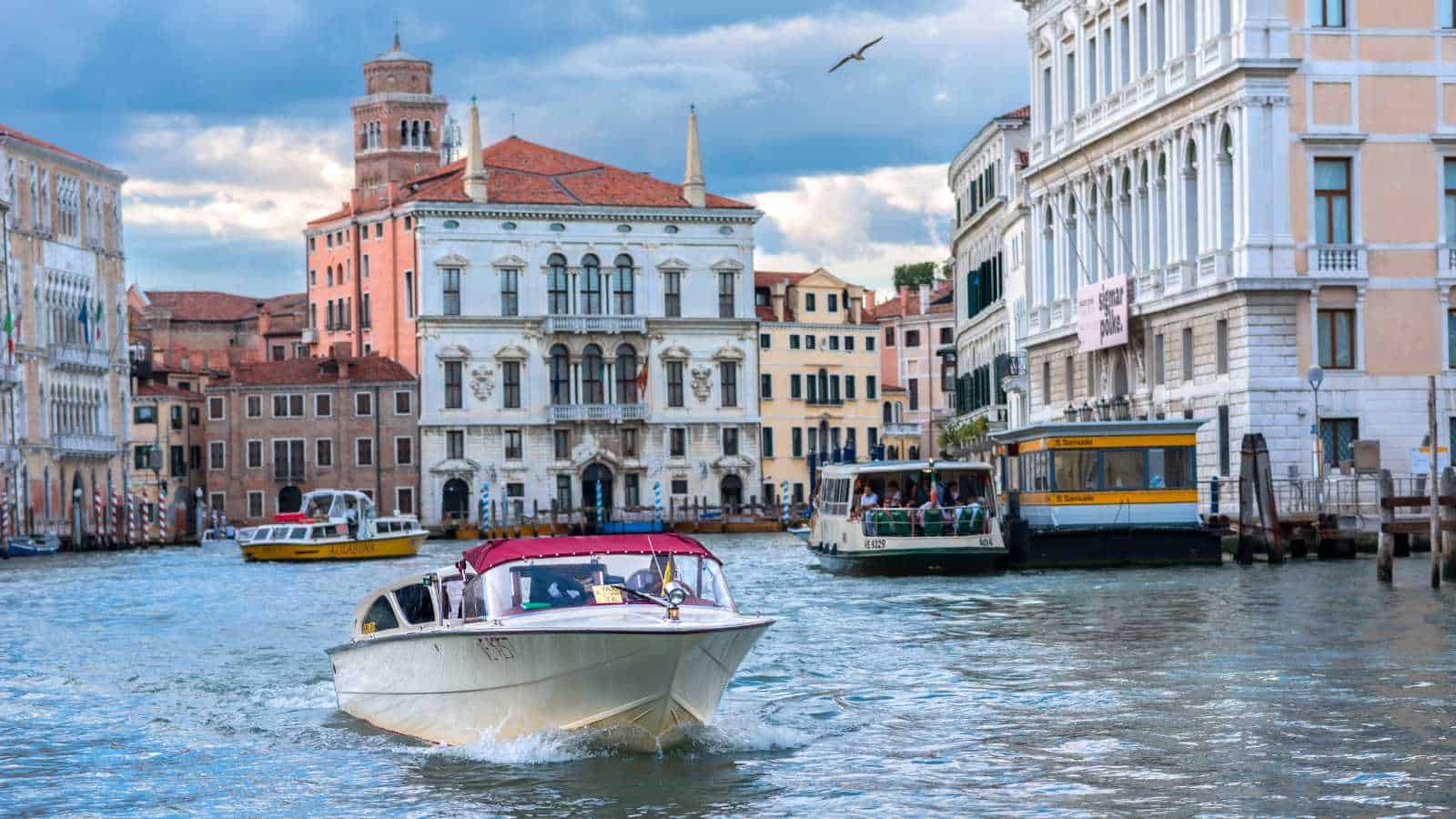
Venice now asks many day visitors to think ahead before entering the historic center. The official Venice Access Fee site says the 2026 fee applies on selected red-calendar days from 8:30 a.m. to 4 p.m. That can affect travelers who plan a quick train ride from Florence or Milan, or from a cruise port.
The rule does not mean Venice has closed its doors, but it does reward people who check dates before they go. If you love a spontaneous day trip, this new rhythm can feel annoying. Still, a little planning can help you avoid fines, confusion, and a frazzled start to a beautiful day on the canals.
Scams will look very official

New travel systems create a perfect playground for copycat websites. GOV.UK warns that any website selling ETIAS before the EU opens applications is committing fraud, and travelers should apply only through the official EU website once the system goes live. That warning matters because search results can make unofficial sites look polished, urgent, and convincing.
American travelers should avoid sponsored-looking shortcuts that promise faster approval for a higher fee. Bookmark the official pages before you need them, and share the real links with friends or family who are planning the same trip. A fake application can cost money, time, and peace of mind before the vacation even begins.
Insurance fine print matters now
Travel insurance can help with some delays, but it will not magically cover every border-control problem. Allianz Travel Insurance says its plans do not cover losses from long TSA security lines, underscoring that queue-related claims may fall outside standard coverage. European border delays may create similar fine-print questions, especially if you miss a self-booked connection or prepaid hotel night.
Read the covered reasons before you buy, not after a problem starts. Look for missed-connection and travel-delay language that fits your itinerary. Also, keep proof of delays, airline notices, and receipts, because claims often live or die on documentation.
Key takeaway

Europe is still calling, but 2026 makes the planning stage more important. American travelers should expect ETIAS later in the year, EES biometric checks at Schengen borders, tighter passport scrutiny, stricter tracking of the 90-day stay limit, and separate UK ETA rules for Britain. City fees, cruise details, day-trip charges, and insurance language can also shape the final cost and comfort of the trip.
The smartest move is simple. Check your passport issue date, use official government websites, apply for travel authorizations early, budget for new fees, and leave extra time at airports. Europe can still feel magical, stylish, delicious, and deeply worth it. You need a sharper checklist before you chase the croissants, coastlines, castles, and cobblestones.
Disclaimer – This list is solely the author’s opinion based on research and publicly available information. It is not intended to be professional advice.
Like our content? Be sure to follow us.