13 good things kids remember about their mothers
Your mom probably had a list of “rules” she swore by—but today’s moms are tossing some of those traditions out the window.
Children grow up faster than most parents are prepared for, and along the way, they collect memories that stay with them for life. Moms often worry about the wrong things: whether the meals were healthy enough, the house stayed spotless, or the toys kept up with trends. What children actually carry into adulthood isn’t perfection, it’s connection. They hold onto how you made them feel, the moments you showed up, and the love that guided your actions.
Research in child psychology confirms this. Emotional memories are far stronger than material ones, shaping how children grow into adulthood and the relationship they maintain with their mothers. It’s not the expensive outings or big gifts that define their childhood; it’s the laughter, comfort, and support. Here are thirteen things kids actually remember about their mothers, long after the little details fade.
The Time You Spent Together
Children may not remember what you bought them, but they will remember how often you chose to spend time with them. Even short bursts of undivided attention leave lifelong imprints. Reading bedtime stories, playing games, or sharing quiet walks build stronger emotional bonds than hours of distraction. A University of Michigan study found that children who regularly share quality time with their mothers report greater emotional closeness as adults.

What makes this powerful is that it doesn’t take much. Ten minutes of shared laughter can feel just as big as a day-long trip. The simple act of being fully present, phones down, and focusing on them creates memories that children look back on as proof of love and belonging.
How You Made Them Feel Safe
Safety is one of the strongest emotional imprints kids carry into adulthood. A mother’s presence often becomes a child’s first and most important definition of security. Feeling protected at home gives children the confidence to face challenges outside of it. A report by the Academic City School showed that a child who feels emotionally safe is far more willing to take risks, make mistakes, and try again.
This sense of safety goes beyond locking doors or preventing accidents. It’s also about emotional reassurance. Listening without judgment, offering a hug after a bad day, or calmly guiding them through fears gives kids the confidence to trust the world around them.
Your Words of Encouragement
Children rarely forget the way their mothers spoke to them, especially when words came with encouragement. The affirmations you gave them became the voice in their head. Phrases like “I believe in you” or “I’m proud of you” are carried well into adulthood, reinforcing their sense of worth. Studies show that positive reinforcement directly increases a child’s self-esteem and motivation.
What matters most isn’t the big achievements but the daily effort you notice. When you celebrated their curiosity or persistence instead of only results, you built resilience. Those words become the foundation of how they speak to themselves later in life.
The Traditions You Created
Family traditions often outlast the daily routines in memory. Even small rituals give children a sense of belonging and stability. Whether it’s Friday night pizza, holiday decorating, or Saturday morning pancakes, these recurring moments create anchors in a child’s memory. Research from Emory University found that children who understand and participate in family traditions have higher self-esteem and better coping skills.
It doesn’t have to be elaborate. A consistent ritual, no matter how simple, feels significant. Kids may forget what happened on random days, but they’ll always remember the warmth of traditions that gave them something to look forward to.
Your Laughter and Playfulness
Joyful moments hold a special place in memory. Children never forget when their mothers laughed with them. Acting silly, dancing in the living room, or laughing at their jokes creates a sense of connection they’ll always carry. Research also shows that shared laughter lowers stress for both parents and children while strengthening bonds.
Playfulness communicates something more than fun. It tells children that joy matters. Years later, kids remember not only the games but how good it felt to laugh alongside their mom without worry or pressure.
The Meals You Shared
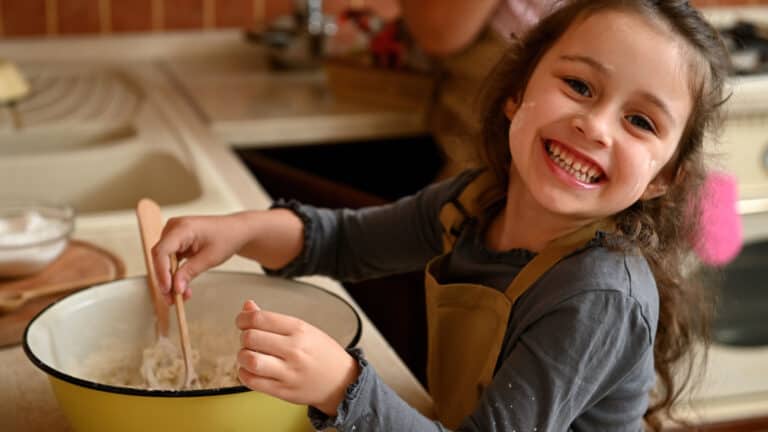
While kids may not remember exact recipes, they remember the act of sitting down to eat together. Meals are less about food and more about connection. Studies show that families who eat together regularly have children with better emotional health, higher academic performance, and lower risks of depression.
What lingers in memory isn’t the dish but the moment. Kids remember the laughter at the table, the conversations, and the sense of belonging. Sharing food, whether homemade or takeout, signals love and togetherness in ways that last for decades.

How You Handled Stress
Children pay close attention to how their mothers respond to pressure. Your reactions under stress became silent lessons. A study from the American Psychological Association found that children often mirror their parents’ stress levels and coping strategies.
Perfection isn’t the memory they hold onto; it’s resilience. When you stayed calm, admitted challenges, or took a breath instead of lashing out, you modeled emotional control. These lessons often reappear later when they face difficulties in their own lives.
The Comfort You Gave
Few memories stick more strongly than comfort during times of pain. A mother’s hug can outlast the sting of scraped knees and even the ache of heartbreak. Neuroscience research shows that maternal presence can reduce cortisol levels, lowering stress in children.
Comfort isn’t about solving every problem but showing up consistently. Being the safe place during moments of struggle reassures kids they’re not alone. That sense of security becomes one of the most treasured memories of childhood.
Your Discipline and Fairness
Though kids resist discipline in the moment, they often reflect on it differently later. Fair rules and boundaries are remembered as acts of love. Research shows that consistent discipline, paired with warmth, helps children develop self-control and trust in their parents.
What matters is the fairness behind it. Children recall not just the rules but whether they felt respected. Explaining consequences with patience and balancing structure with love helps discipline feel like guidance instead of punishment.
The Little Things You Did
Sometimes it’s the smallest gestures that leave the biggest mark. Children remember the “I thought of you” moments. A packed lunch with a favorite snack, a sticky note in their backpack, or fixing a beloved toy may seem small, but they mean the world.
These moments stack up over time. Even if they didn’t always say thank you, they carry those details into adulthood. Later, they often recall these gestures as proof of your constant thoughtfulness and care.
Your Hugs and Physical Affection
Physical closeness creates some of the deepest memories. Hugs, kisses, and hand-holding are remembered long after toys and gifts are gone. Studies confirm that children who receive consistent physical affection grow up with higher levels of happiness and healthier adult relationships.
Touch communicates unconditional love. It reassures children in a way words never could. Those physical moments stay etched in their minds as evidence that they were always wanted and loved.
Your Values and Beliefs
Children watch more than they listen. They remember what you lived, not just what you said. Your honesty, kindness, or work ethic became silent lessons that shaped their worldview. Children learn behaviors primarily through observing their parents.
They may forget specific lectures or advice, but they won’t forget your actions. How you treated people and lived out your values became their blueprint. These memories quietly shape their character and decisions as adults.

How Much You Loved Them
Above everything else, kids remember love. Love is the constant thread in every memory. Whether through actions, words, or simply your presence, your love becomes the foundation they build on for the rest of their lives.
Studies consistently confirm that maternal warmth provides long-term benefits for mental health, self-esteem, and resilience. Even when daily details fade, the memory of unconditional love never disappears. It’s the greatest legacy a mother can leave her children.
15 Things Women Only Do With the Men They Love

The 15 Things Women Only Do With the Men They Love
Love is a complex, beautiful emotion that inspires profound behaviors. We express our love in various ways, some universal, while others are unique to each individual. Among these expressions, there are specific actions women often reserve for the men they deeply love.
This piece explores 15 unique gestures women make when they’re in love. From tiny, almost invisible actions to grand declarations, each tells a story of deep affection and unwavering commitment