13 human foods that are toxic to dogs
Sharing food feels like love, but some everyday snacks can seriously hurt your dog before you even realize what’s happened.
You may love sharing a tasty treat with your furry best friends, but that innocent scrap from the dinner table could lead to a frantic trip to the emergency vet. While some human snacks are perfectly safe in moderation, others contain chemical compounds that canine bodies simply cannot process or break down effectively.
You might be surprised to learn how many common kitchen items can cause serious health issues ranging from mild stomach upset to fatal organ failure. It is vital to stay informed because accidental ingestion happens faster than you might think when you turn your back for just a second. Knowing exactly which pantry staples pose a threat is the first step in keeping your four-legged companion happy and healthy for years to come.
Chocolate And Cocoa Products

Most dog owners know that chocolate is a big no-no, but few realize that the danger level depends heavily on the type of chocolate and the dog’s size. Dark chocolate and baking cocoa are the most dangerous because they contain high concentrations of theobromine and caffeine. The Veterinary Poisons Information Services reports that at least 20% of all chocolate poisoning cases are diagnosed and treated in December, likely due to the abundance of holiday sweets.
Milk chocolate is less toxic than dark varieties, but it can still cause significant illness if a smaller dog eats a large amount. Symptoms usually appear within a few hours and can include vomiting, diarrhea, rapid breathing, and a racing heart rate. You should call your veterinarian immediately if you suspect your dog has raided the candy bowl or eaten a pan of brownies.
Xylitol Artificial Sweetener

Xylitol is a sugar substitute found in many sugar-free gums, candies, peanut butters, and even some toothpastes. It causes a rapid release of insulin in dogs, which leads to a dangerous drop in blood sugar known as hypoglycemia. This reaction is swift and terrifying, with hypoglycemia often occurring within 10 to 60 minutes after the dog eats the product.
The long-term effects of xylitol ingestion are even more concerning than the initial sugar crash. High doses can cause massive liver failure that is difficult to treat and often fatal. Joli data suggests that over 62% of dogs will not survive liver disease triggered by xylitol poisoning, making prevention absolutely critical.
Grapes And Raisins

Grapes and their dried counterparts are incredibly toxic to dogs, yet the exact substance that causes the reaction remains a mystery to veterinarians. Even a small handful of grapes can lead to sudden acute kidney failure in some dogs. It is strange because some dogs can eat them without issue, while others become critically ill from just a single fruit.
The symptoms of grape toxicity often start with vomiting and lethargy within a few hours of ingestion. As the kidneys begin to shut down, the dog will stop producing urine and become very weak. Because the toxic dose is unpredictable, you must treat any ingestion of grapes or raisins as a serious medical emergency.
Onions And Garlic
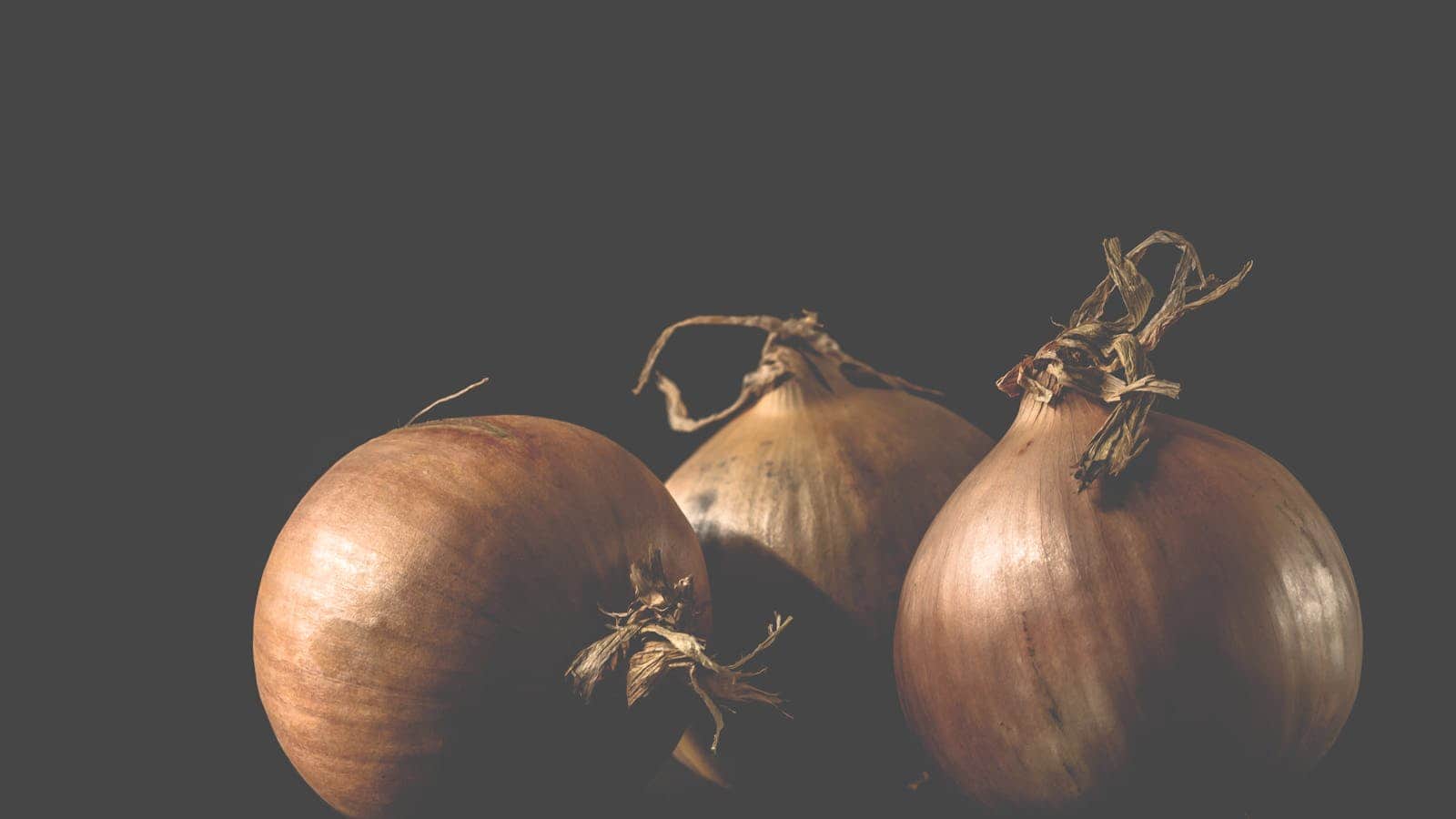
These aromatic kitchen staples belong to the Allium family and are dangerous whether they are raw, cooked, or powdered. They damage a dog’s red blood cells, causing them to burst and leading to a condition called hemolytic anemia. Symptoms such as pale gums and weakness may not appear for several days after your dog eats an onion or garlic.
Garlic is about five times as potent as onions, so even small amounts can be risky. Many processed foods contain onion or garlic powder, which is more concentrated and potentially dangerous than the fresh vegetables. You should always check ingredient labels on baby food or broth before mixing it into your dog’s kibble.
Alcohol And Hops

Dogs are much more sensitive to the effects of alcohol than humans are, and even a small amount can cause significant intoxication. Ingestion can lead to vomiting, coordination problems, breathing difficulties, and even coma or death in severe cases. Drinks are not the only culprit, as raw bread dough and rotting fruit can also produce ethanol in the stomach.
Hops, which are used to brew beer, are another serious hazard that can cause a life-threatening spike in body temperature. This condition, known as malignant hyperthermia, can damage organ systems very quickly. If you are a home brewer, keeping your supply of hops securely locked away from curious snouts is absolutely essential.
Avocado Fruit

The main concern with avocados is a fungicidal toxin called persin, which is present in the fruit, pit, leaves, and plant itself. While the flesh has lower levels of persin, the large pit poses a major choking hazard and can cause dangerous intestinal blockages. Many dogs injure their teeth or require surgery to remove an avocado pit that they swallowed whole.
Persin can cause vomiting and diarrhea in dogs, though it is generally more lethal to birds and livestock. The high fat content in the avocado flesh can also trigger pancreatitis, a painful inflammation of the pancreas. It is best to keep the guacamole bowl far out of reach during your next taco night or party.
Macadamia Nuts

Macadamia nuts are a high-fat snack that can cause a very specific and frightening reaction in dogs. Affected dogs often experience weakness in their back legs, tremors, and a fever that seems to come on suddenly. A clinical study 403 on ResearchGate shows that dogs can develop these signs of weakness and inability to stand within 12 hours of ingesting the nuts.
The good news is that most dogs recover from macadamia nut toxicity within a day or two with supportive care. However, the symptoms can be distressing for both the pet and the owner to witness. You should avoid leaving bowls of nut mixes on low coffee tables where a grazing dog could easily snap them up.
Caffeine Products

Coffee, tea, and energy drinks all contain caffeine, which acts as a powerful stimulant on a dog’s nervous system. Dogs are more sensitive to caffeine than people, and ingestion can cause restlessness, rapid breathing, and heart palpitations. A couple of laps of coffee might not hurt a large dog, but swallowing grounds or caffeine pills can be fatal.
The symptoms of caffeine poisoning are similar to those of chocolate toxicity because both substances are methylxanthines. Severe cases can lead to seizures and collapse if the dog does not receive veterinary treatment. You must be careful to dispose of used coffee grounds in a secure trash can that your dog cannot open.
Cooked Bones
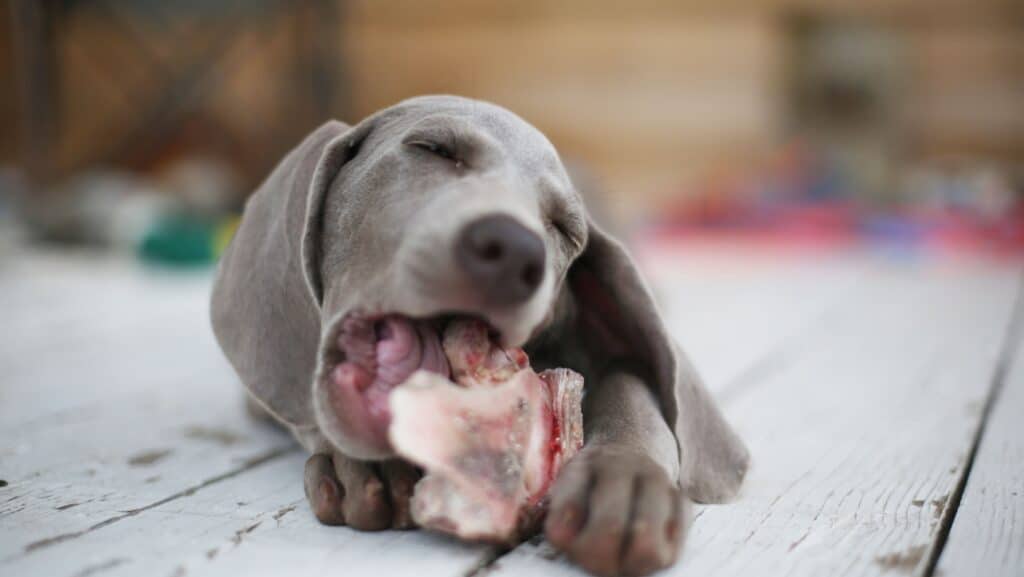
While giving a dog a bone seems like a natural treat, cooked bones are brittle and can shatter easily when chewed. These sharp splinters can puncture the gums, throat, stomach, or intestines, leading to severe internal injuries. Veterinarians frequently perform emergency surgeries to remove bone fragments that have caused life-threatening blockages or tears.
Raw bones are generally safer, but they still carry risks of bacterial contamination and tooth fractures. It is safer to stick to commercially prepared chew toys that are designed to be digested or crumbled safely. Always supervise your dog when they are chewing on anything to prevent them from swallowing large or sharp pieces.
Yeast Dough

Raw dough containing yeast can be incredibly dangerous because it continues to rise after the dog swallows it. The warm, moist environment of the stomach acts like an oven, causing the dough to expand and distend the abdomen. This expansion can cut off blood flow to the stomach wall and may cause difficulty breathing.
As yeast ferments in the stomach, it produces alcohol as a byproduct, which can lead to alcohol poisoning on top of the bloating. The combination of these two factors makes raw dough a double threat. If your dog steals a loaf of unbaked bread, you need to rush them to the vet before the dough expands.
Marijuana Edibles

With the legalization of cannabis in many places, veterinarians are seeing a sharp rise in dogs consuming marijuana edibles. Dogs have more cannabinoid receptors in their brains than humans, making the effects much more intense and disorienting for them. From 2019 to 2023, there was a staggering 430% increase in marijuana-related calls to the Pet Poison Helpline.
Edibles often contain other toxic ingredients like chocolate or xylitol, creating a dangerous cocktail of poisons. Symptoms include dribbling urine, wobbliness, dilated pupils, and a slow heart rate. You must be honest with your vet about what your dog ate so they can provide the right treatment immediately.
Salt And Salty Snacks

Excessive salt intake can lead to a condition called sodium ion poisoning, which is serious and potentially fatal. Eating a large amount of salty chips, pretzels, or play dough can disrupt a dog’s fluid balance. Signs of salt poisoning include excessive thirst, frequent urination, tremors, and even seizures in severe cases.
It is easy to underestimate the amount of salt in processed foods and snacks. A dog’s tolerance for sodium is much lower than ours, so what tastes bland to you might be dangerous for them. You should provide plenty of fresh water and call your vet if your dog gets into a bag of salty snacks.
Raw Meat And Eggs

Feeding raw diets is a controversial topic, but raw meat and eggs can harbor bacteria such as Salmonella and E. coli. These pathogens can cause food poisoning in dogs, leading to vomiting, fever, and bloody diarrhea. The Centers for Disease Control and Prevention warns that raw pet food can also spread these dangerous bacteria to household members.
Raw eggs contain an enzyme called avidin that interferes with the absorption of biotin, a B vitamin. Over time, this can lead to skin and coat issues for your dog. Cooking meat and eggs thoroughly is the safest way to consume these protein sources without risk of bacterial contamination.
Like our content? Be sure to follow us