13 Money Moves Every Woman Should Make Before 40 (and After)
Financial independence remains a critical goal for women in today’s economy—and strategic money moves before age 40 are essential for long-term prosperity.
The American Association of University Women (AAUW) reports that women earn around 81 cents for every dollar men earn, yet they have closed the business ownership gap, accounting for 40% of U.S. businesses, according to Forbes.
Despite these gains, women are still less likely than men to invest in the stock market, a gap that could translate into millions of dollars in lifetime investment returns. Inflation, evolving labor markets, and demographic shifts are reshaping financial realities.
Mastering money strategies—from saving and investing to property ownership and negotiating fair pay —empowers women to build wealth, security, and opportunities at every life stage.
Start Investing Early (Seriously, Don’t Wait)

If you haven’t started investing yet, what are you waiting for?
I know, I know—stocks, bonds, mutual funds, it sounds complicated, but the truth is, the earlier you start, the better. The magic? Compound interest. If you start saving $100 a month at 25, you’ll have way more by 40 than if you started at 35. It’s that simple.
A YouGov survey shows that 62% of men consider investing a high priority, compared with 55% of women, and that this ultimately affects their long-term wealth.
But the good news is 48% of women took the plunge into the stock market in the past two years, according to a 2022 global survey conducted by eToro.
This is a good step towards financial freedom. Compound interest doesn’t wait for you, so the sooner you start investing, the more money will work for you.
Automate Your Savings

I’ll admit it: I used to hate saving. It felt like a chore, and let’s be real, it’s so easy to tell yourself, “I’ll just do it next week.” But here’s a little hack: automate your savings.
Set up an automatic transfer to your savings account the day after payday. It doesn’t even have to be much. Even $25 a paycheck can grow over time.
According to a 2025 Bankrate report, only 41% of Americans could cover a $1,000 emergency with their savings. Automating your savings ensures you’re ready for the unexpected.
Also on MSN: How to stay afloat when the economy falls apart
Master the Art of Budgeting (You Don’t Need to Go Overboard)
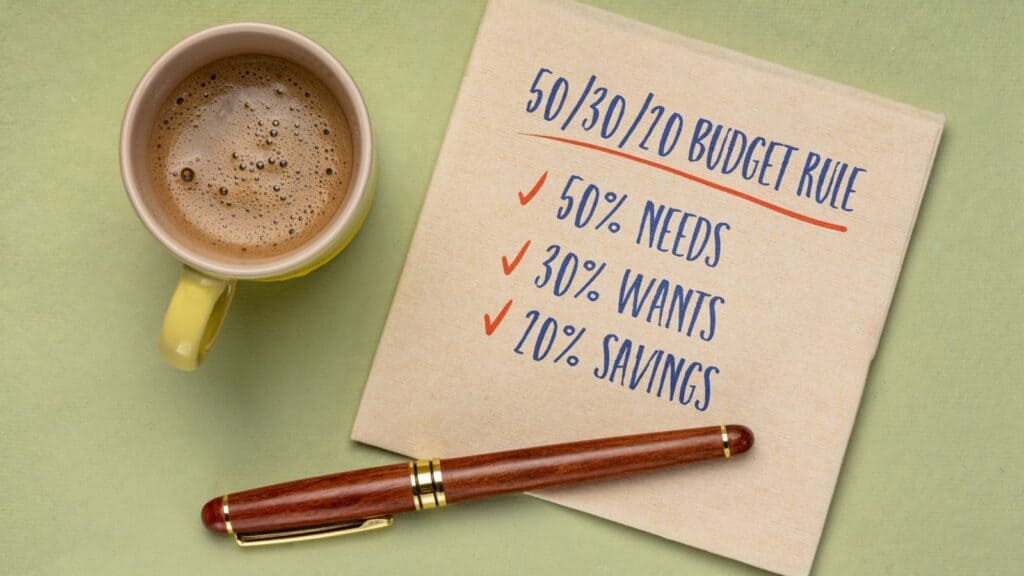
Look, I get it—budgeting feels restrictive, like a chain around your ankle. But hear me out: A solid budget isn’t about limiting yourself; it’s about giving every dollar a purpose.
Investopedia notes that less than 25%of Americans stick to their budget. This leaves them vulnerable to overspending and unnecessary debt. Take control with simple systems like the 50/30/20 rule, which divides your income into needs (50%), wants (30%), and savings/debt (20%).
Stop Paying Your Debt with More Debt

If you’re living paycheck to paycheck and your credit card is always maxed out, here’s the truth: You’re digging a hole. Paying off one credit card with another or relying on loans just puts you deeper into debt.
Interestingly, women tended to have more credit cards, averaging 4.5 cards, compared with 3.6 for men, as highlighted by Investopedia. Paying off high-interest debt first should be your top priority to break free from this cycle.
Create an Emergency Fund

Life happens. People get laid off. Cars break down. We all need that emergency fund. Aim for three to six months of living expenses. It’s not just about being prepared for unexpected costs—it’s about peace of mind.
As reported by the Center for American Progress, women are less likely (at 52 percent) than men (at 56 percent) to be able to cover three months of expenses with emergency savings. Having it means you’ll be prepared when life throws curveballs.
Max Out Your 401(k) (and Get That Employer Match)

If your company offers a 401(k) match, don’t let it pass by; take full advantage of it. It’s basically free money for your future. I’ll be honest, I didn’t realize how important it was until I saw how much I had been missing out on in employer contributions.
By contributing to your 401(k) and getting that match, you’re giving your retirement savings a serious boost without even having to do much.
Get Comfortable with Investing in Real Estate

Real estate isn’t just for the rich—it’s a smart investment move if you can manage it. If you’re buying your own home or considering an investment property, real estate can be a reliable way to build wealth over time.
It offers stability, and the potential for your property to increase in value makes it an excellent long-term financial strategy. Plus, more women are stepping into the real estate game.
Proving that it’s an accessible and valuable opportunity for anyone looking to secure their financial future.
Take Advantage of Your Tax-Advantaged Accounts

You’ve probably heard of IRAs and HSAs, but if you’re not using them, you’re missing out on some serious benefits. These accounts come with tax perks that can help you save for retirement or cover medical expenses.
By fully contributing to your IRA, you can significantly boost your retirement savings over time. Don’t let these tax advantages go to waste—taking full advantage of them now can help your wealth grow faster down the road.
Learn to Negotiate Your Salary (Seriously)

This one’s big—learn to negotiate your salary. I can’t stress this enough. Don’t just accept the first offer you get.
Women are still earning only 81 cents for every dollar a man earns, according to the American Association of University Women (AAUW). Negotiating your salary can help bridge this gap and ensure you’re getting paid what you deserve.
Invest in Yourself (It’s Not All About Money)

Investing isn’t just about money—it’s also about investing in yourself. If it’s taking that course, learning a new language, or getting certified in something you’ve been considering for a while, expanding your skills opens up new opportunities.
The more you grow professionally, the more chances you’ll have to advance in your career and increase your earning potential. The time and effort you put into developing yourself now will pay off in both personal and financial growth in the future.
Don’t Rely on Anyone Else for Your Financial Well-Being

Before you hit 40, make sure you’re taking full responsibility for your financial well-being. It’s great to share finances in a relationship, but you’ve got to stay actively engaged with your own money.
Understand where it’s going, how it’s growing, and make sure you’re in control, no matter what your relationship status is. Having a solid grasp on your finances now will set you up for independence and confidence in the years to come.
Get Your Credit in Check

Your credit score isn’t just a number—it’s your financial passport, especially for women who are often navigating financial decisions independently. A strong credit score can help you secure better loan terms, lower insurance rates, and even a more favorable mortgage rate.
Taking the time to improve your score now can save you money in the long run, empowering you to take control of your financial future.
Have a Retirement Plan (It’s Never Too Early)

We tend to push retirement planning to the back burner, especially in our 20s and 30s, when retirement feels like a distant dream. But don’t make the mistake of thinking you have forever to get your retirement fund in order.
If you start planning now, you’ll have a solid foundation for the future, and those compound interest dollars will pile up.
Conclusion

The biggest thing I’ve learned about money? Time is your best friend—if you use it wisely. Start making these moves early, and you’ll be amazed at how much smoother life gets. You won’t be worrying about the next paycheck or whether your 401(k) is growing.
So, here’s the question: What’s your next move going to be?
Disclosure line: This article was developed with the assistance of AI and was subsequently reviewed, revised, and approved by our editorial team.
Why investing for retirement is so important for women (and how to do it)

Why investing for retirement is so important for women (and how to do it)
Retirement planning can be challenging, especially for women who face unique obstacles such as the wage gap, caregiving responsibilities, and a longer life expectancy. It’s essential for women to educate themselves on financial literacy and overcome the investing gap to achieve a comfortable and secure retirement. So, let’s talk about why investing for retirement is important for women and how to start on this journey towards financial freedom.