13 reasons Americans are saying “no more” to tipping
It’s hard to ignore the growing frustration Americans feel when they’re asked to tip at every turn.
What was once a simple way to show appreciation for good service has now become an expected part of almost every transaction. From coffee shops to self-checkout lines, tipping is creeping into more areas of life, and many consumers are feeling pressured to pay extra.
A report from the Pew Charitable Trusts reveals the rising frustration many feel about the expansion of tipping. The pressure to tip is not only more frequent but feels more obligatory, especially when financial constraints make it harder to justify. As daily expenses climb, tipping, once a simple act of appreciation, has morphed into an unavoidable cost for many.
Tipping Prompts Are Popping Up Everywhere
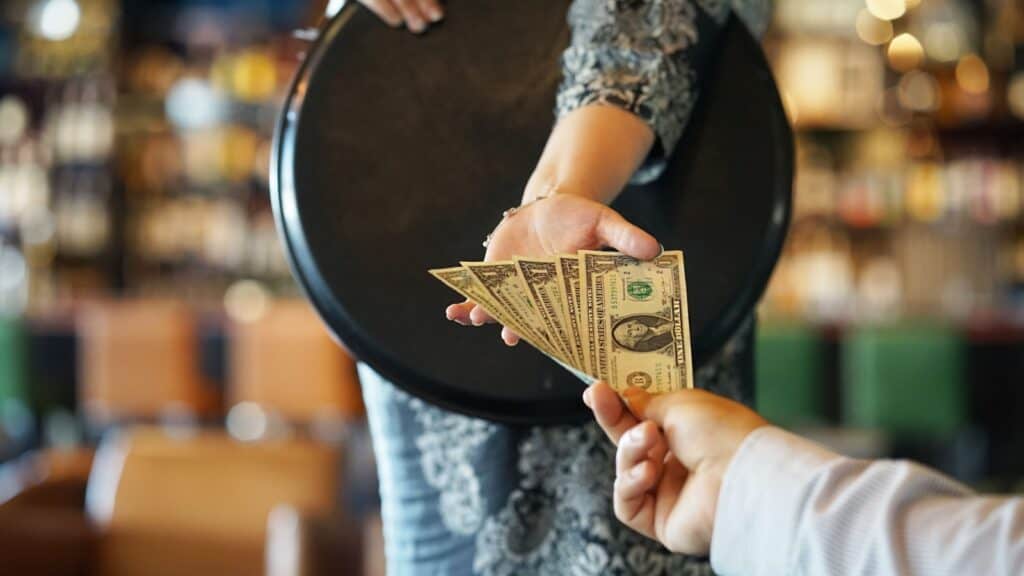
Tipping is now part of every transaction, whether you’re paying for a ride, ordering a sandwich, or buying groceries. The rise of tipping prompts in places where they weren’t traditionally found is raising eyebrows. The practice is increasingly expected rather than a voluntary gesture, leading to growing consumer frustration.
For example, some Americans are particularly frustrated by tip requests at self-service checkout stations. Instead of being rewarded for taking on extra work, consumers are now being asked to tip for completing tasks that were once considered their responsibility. This shift in expectations has made tipping feel like an unavoidable surcharge rather than an act of generosity.
Paychecks Don’t Go Nearly As Far Anymore

As inflation continues to squeeze budgets, many Americans are finding that their paychecks simply aren’t enough to cover everything. A StudyFinds report found that 41% of Americans have reduced their tipping due to rising costs. With basic costs like groceries, rent, and gas climbing, many people are trimming their expenses by cutting back on tipping, which was once seen as an optional gesture.
More Americans are feeling the strain of living paycheck to paycheck, and tipping is one of the first places they pull back. As disposable income shrinks, many are choosing to prioritize essentials over what now feels like an unnecessary expense. The result is a growing number of
Are We Really Expected To Tip For Everything Now?
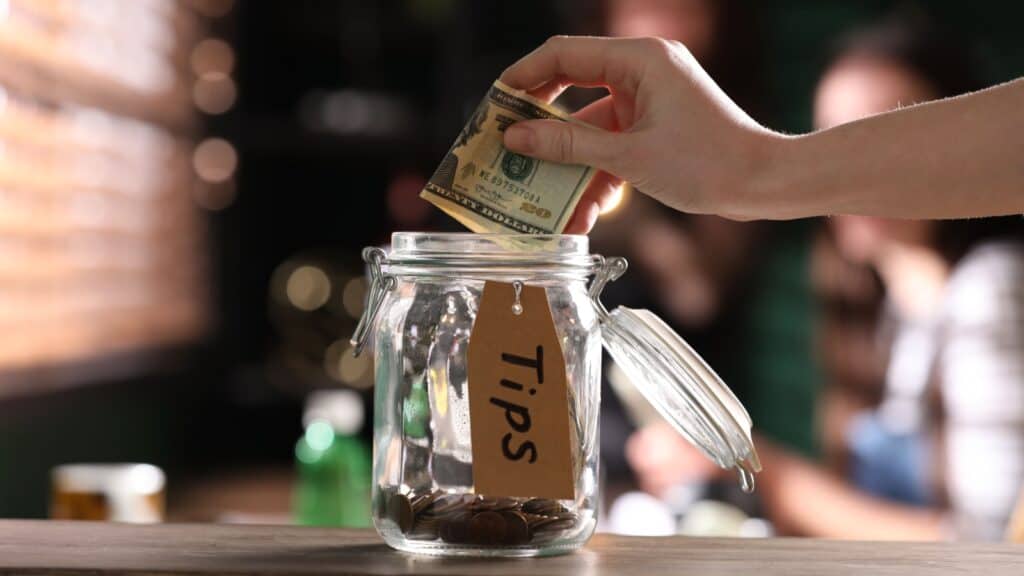
In today’s world, tipping is no longer just for restaurants and delivery drivers. It’s now expected that services that were previously tip-free, such as buying coffee or using self-checkout at a grocery store, will include a tip.
Many consumers are now questioning whether tipping should truly be extended to every transaction, especially when they’re already paying for the service upfront. This has left people wondering if tipping culture has gone too far.
It’s not just about the amount, it’s about the expectation itself. When customers are asked to tip for doing the work themselves, it feels like the lines are being blurred. Once, tipping was a way to reward personalized service. Still, it feels like an extra charge for simply buying something, which frustrates consumers who feel they shouldn’t have to pay twice for a service they’ve already completed.
Tip Screens Feel More Like Pressure Than Politeness
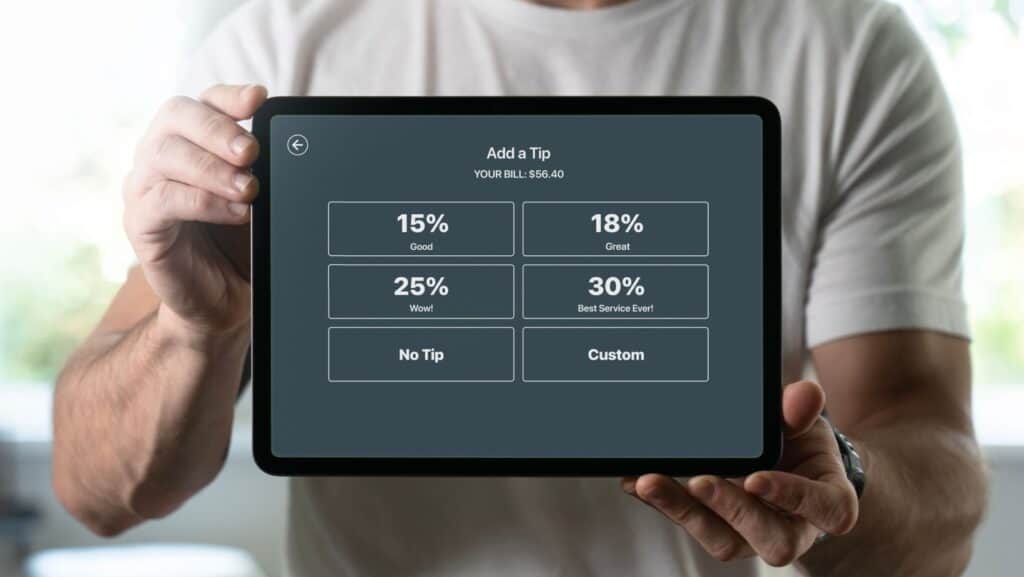
Digital payment screens are becoming more common in restaurants, coffee shops, and even ride-sharing apps. These screens often display preset tip amounts, leaving customers feeling they are being forced to choose one. Pew Research Center’s recent study shows that 40% of Americans oppose suggested tip amounts on digital screens, while only 24% favor them.
For many consumers, these digital prompts take the personal decision-making out of tipping, turning it into a calculated transaction rather than a genuine act of appreciation. The lack of choice, combined with the pressure to tip in front of others, has left people feeling coerced into tipping. What was once a voluntary gesture now feels like a mandatory expense.
Automatic Service Fees Feel Like Sneaky Tips
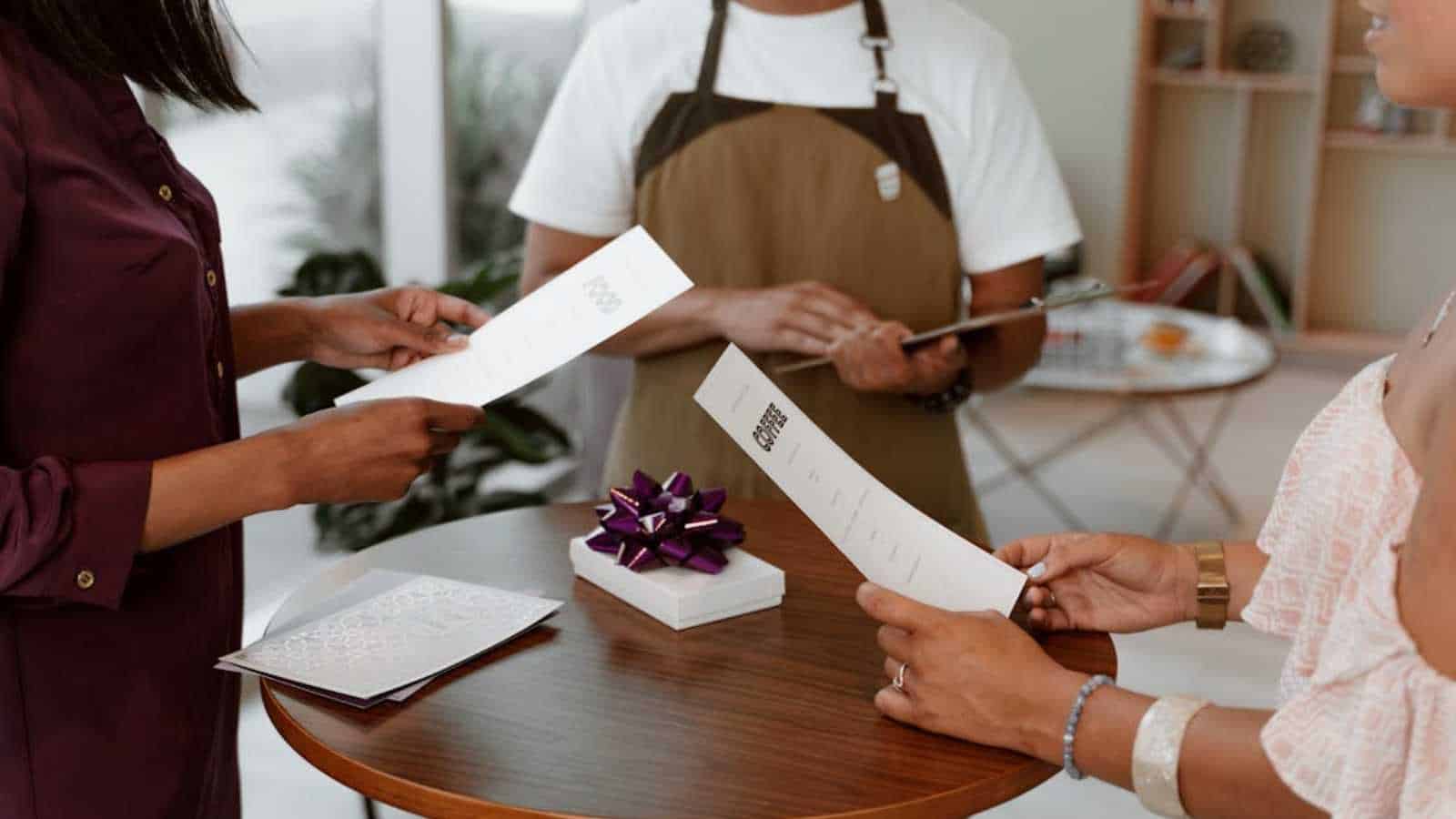
Service fees are becoming the norm, especially in restaurants and hotels. These fees, though not labeled as tips, often function similarly by supplementing workers’ pay.
Many consumers are confused by these charges and wonder whether they’ve already paid for the service or should still tip on top of it. The lack of transparency around automatic fees only adds to this frustration.
What makes this practice feel even more sneaky is when customers are not given a clear explanation about what the service fee is for. In many cases, it’s difficult to discern whether the service fee is a tip or if a tip is still expected. This confusion is leading people to feel like they’re being double-charged, which contributes to the growing resentment toward tipping.
The Cost Of Living Is Squeezing Tips

The rising cost of living has forced many Americans to rethink their tipping habits. With higher costs for essentials like groceries, rent, and gas, many people are finding it harder to justify tipping as often as they did in the past. A Talker Research poll found that the average number of tips per month decreased significantly, from 6.3 to 4.2.
This financial strain is prompting people to reconsider their tipping habits. According to this data, as people feel their budgets tightening, they are opting to skip tips altogether when they don’t feel it’s justified. Even small tipping moments are disappearing from routine purchases.
Every App Seems To Want A Tip Now
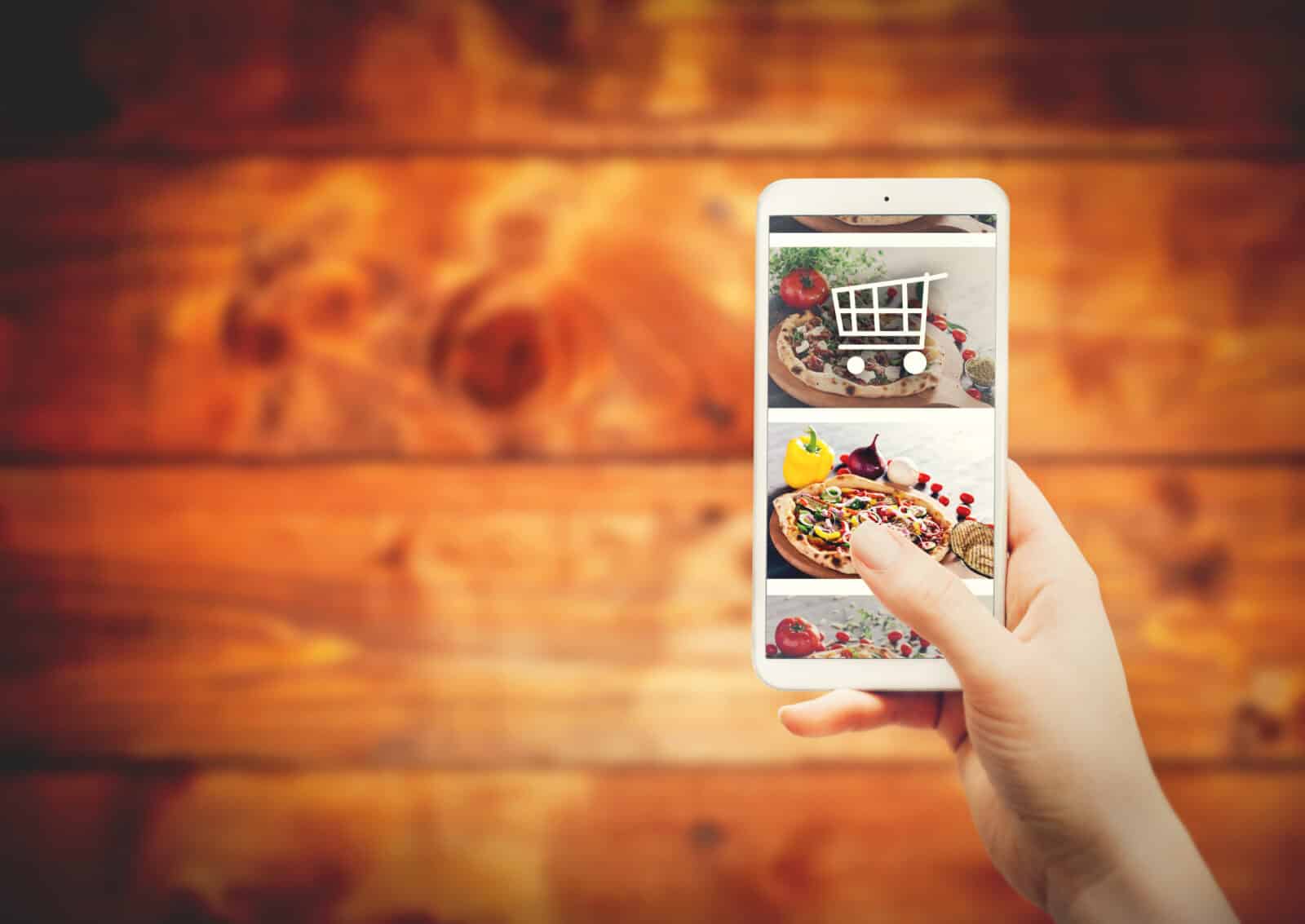
Every app you use is now asking for a tip. Whether it’s a ride-share, food delivery service, or even a pet care app, the option to leave a tip is added to nearly every transaction. For many people, the tipping prompt has become so routine that it’s no longer seen as an optional gesture but rather as an expected part of every service, no matter how small.
The ubiquity of these digital tipping requests is beginning to wear thin. Consumers are growing frustrated by the constant barrage of requests, especially when the service was minimal or automated. What started as a way to thank someone for their work now feels more like a mandatory extra fee tacked onto every transaction.
Tipping Culture Feels “Out Of Control”

Public frustration is becoming harder to ignore. A report from ABC45 and Gray TV shows that nearly two-thirds of Americans now hold negative views of tipping culture. About one-third of respondents believe tipping has gone too far, especially as the practice expands into new areas where it never existed before.
People are no longer just frustrated by tipping at restaurants; they’re upset by its spread to places like grocery stores, fast-food restaurants, and even ride-sharing apps. What was once an expression of gratitude has become an expectation, and many consumers are starting to feel nickel-and-dimed for every little service.
When Your Wallet Is Done With One More Tip

For many people, it’s not just about how much they tip; it’s the consistency of tipping requests. Every day, there’s a new prompt asking for extra money. People are finding their wallets just aren’t big enough to cover the never-ending requests, leading them to skip tipping altogether when they feel it’s unnecessary.
This tipping fatigue is only made worse by rising living costs. As gas, groceries, and housing become more expensive, people feel the pinch of constant tip requests. For many, tipping has gone from being a pleasant gesture to an unwanted financial burden.
Companies Should Be Covering Wages, Not Customers

Many Americans believe businesses should be paying their workers a fair wage rather than relying on tips to cover the difference. A Bankrate survey found that 63% of Americans agree with this sentiment. As tipping becomes more prevalent across industries, many consumers are growing weary of businesses offloading their wage responsibilities onto customers.
This shift in attitude reflects growing frustration with tipping, as people increasingly see it as a way for businesses to avoid paying fair wages. More and more Americans are questioning why they are expected to tip when they feel employers should be the ones ensuring their workers are properly compensated.
People Are Quietly Walking Away From Guilt Tipping
For years, people have been “guilt tipping,” or leaving tips simply because they felt pressured, not because they wanted to. But that feeling is slowly fading. A Talker Research report showed that Americans’ annual “guilt tipping” spending dropped from $453 to $283 in one year — a 38% decrease.
This change reflects a shift in consumer behavior, with people becoming more comfortable saying no to tipping when they feel it’s undeserved. This newfound confidence marks a turning point, as Americans embrace the idea that they don’t have to tip out of obligation.
If I’m Doing The Work Myself, Why Am I Still Tipping?
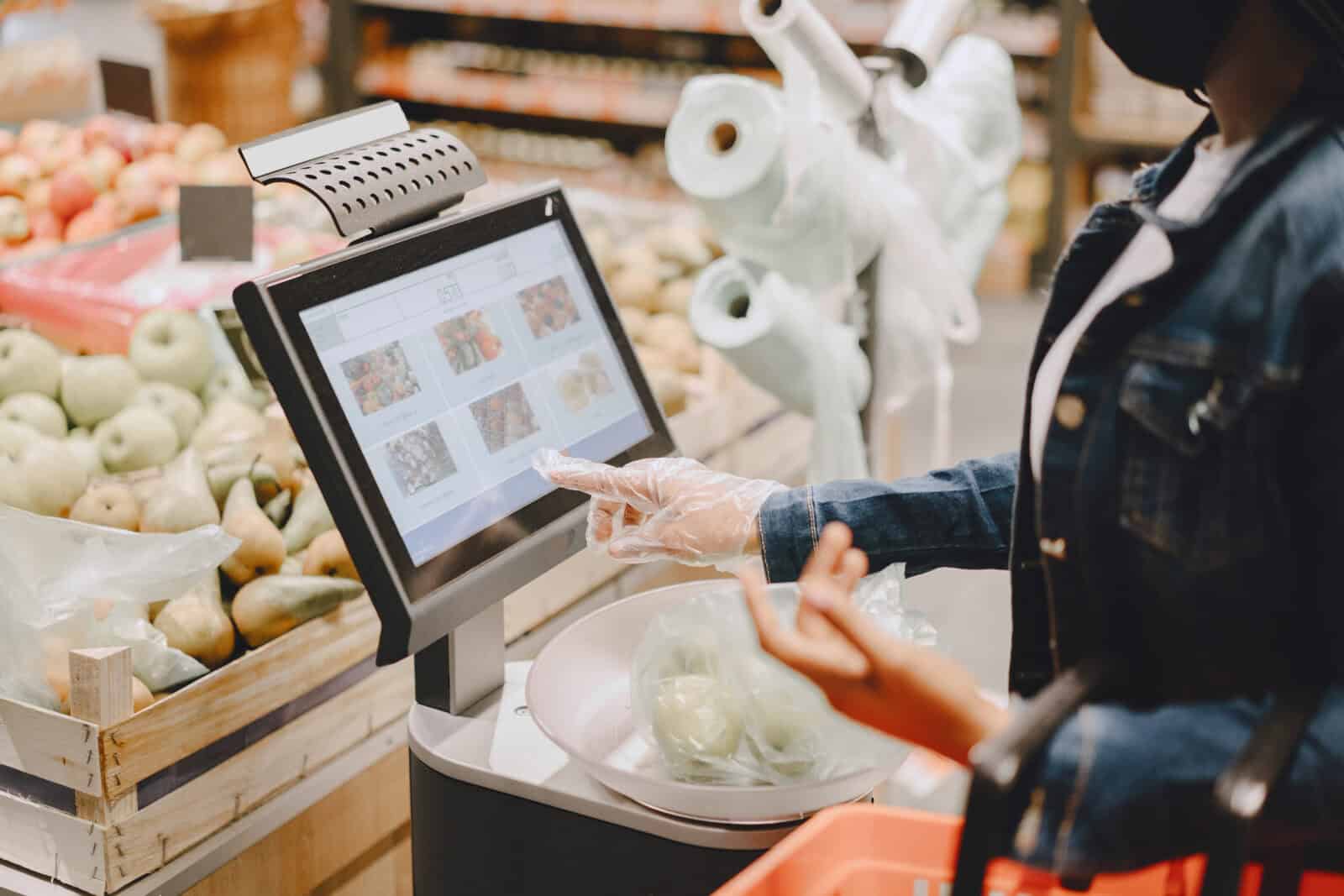
Self-service technology has changed how many businesses operate. Customers now order at kiosks, scan groceries themselves, and pick up food without speaking to a worker. Yet tip prompts still appear at the end of the process.
Economic history research from the Federal Reserve Bank of Richmond found that tipping in self-service environments has increasingly become the norm, raising concerns about whether it’s still appropriate to tip when you’re doing most of the work.
At Some Point, People Just Start Saying “No”

After being asked to tip in so many places, many Americans are simply saying, “No more.”” Whether it’s self-service, tipping prompts on apps, or fees added to bills, people are increasingly unwilling to participate. What was once a voluntary practice has become an unavoidable expense, and people are tired of feeling forced into it.
Saying no to a tip used to feel uncomfortable. Now, for a growing number of consumers, it feels like drawing a boundary. The tipping culture may not disappear overnight, but more Americans are clearly deciding they have reached their limit.
Like our content? Be sure to follow us.