13 reasons women are rethinking dining out in the US
Restaurant habits across America are changing in ways that show up both in data and daily life. A 2025 YouGov report found that 58% of female diners have already changed how they eat out to spend less, a higher share than among men, pointing to a deeper rethink of what dining out is worth.
You notice it in small ways: a canceled brunch, a skipped dinner, or friends deciding to cook instead. What felt routine now involves a pause—a check of prices, time, and safety. Dining out is no longer just about food or connection, but a series of trade-offs.
This shift is subtle but deeply significant, preparing the ground for a ripple effect on how women and restaurants respond to new financial and social realities. Each change, while small on its own, signals larger trends emerging nationwide.
The shift toward home as the new social hub

The smell of home-cooked food fills your space, and the atmosphere feels relaxed. Conversations flow without the pressure of a ticking bill. As more people cut back, dining at home becomes a social choice rather than just a financial one. The trend aligns with the broader decline in eating.
You start to see how easy it is to recreate the experience. Music, shared meals, and comfort replace crowded spaces. The shift feels natural, even satisfying.
Rewriting what convenience really means

The quick buzz of a delivery app once felt like the easiest option. Now, you pause before placing an order, weighing cost against effort. With rising prices, convenience starts to feel expensive. Many diners are adjusting their habits to support their spending.
You begin to rethink what saves time and money. Cooking at home or picking up food feels more practical than dining out. The idea of convenience takes on a new meaning.
The moment the bill lands harder than expected

The soft clink of plates fades as the check arrives, and you feel the pause at the table. You glance down, expecting a familiar total, but the number feels heavier than the meal itself. You start replaying what you ordered, wondering how it added up so fast.
That reaction is becoming common. According to YouGov’s 2025 US Dining Out Report, 82% of diners say restaurant prices have risen noticeably in the past year. Only 28% feel those prices still match the quality they receive. That gap between cost and value hits differently when you are trying to stretch your budget.
You start to question if the experience is worth it. That moment with the bill affects how you plan next time, making each outing a more careful choice.
Choosing fewer nights out without saying it out loud

The ring of laughter in a busy dining room feels familiar, yet you realize you have not been there as often. Plans that once filled your calendar now feel spaced out, replaced by quieter evenings at home.
YouGov data shows that 37% of US diners are eating out less often than a year ago. That number rises to 44% among lower-income groups. For many women, that shift is not about preference alone. It reflects tighter budgets and changing priorities.
You start to notice how natural it feels to stay in. Cooking becomes less of a chore and more of a practical choice. Over time, fewer nights out stop feeling like a loss and start feeling like a form of control.
Swapping favorite spots for cheaper alternatives

The warm glow of a familiar restaurant still pulls you in, yet you hesitate before walking through the door. Instead, you scroll through options, looking for something that feels lighter on your wallet.
Reports show that 60% of cost-conscious diners are choosing cheaper restaurants. Another 53% are actively using discounts or coupons. Women are leading this shift, with 58% adjusting their habits compared to 50% of men.
You redefine a “good spot” by value, not ambiance or trend. This change alters where people go and what they expect.
The quiet exit from fine dining experiences

The low lighting, polished silverware, and slow service once felt like a treat. Now, you sit in that setting and feel a subtle tension, aware of every item added to the bill.
Nearly 46% of US diners are visiting fine dining restaurants less often, according to YouGov. That number climbs closer to half among lower-income groups. Increasing living costs make these experiences feel less essential.
You start to reserve those outings for rare occasions, if at all. What used to feel like a reward now feels like a stretch. Over time, the attraction of fine dining fades.
When value becomes the deciding factor
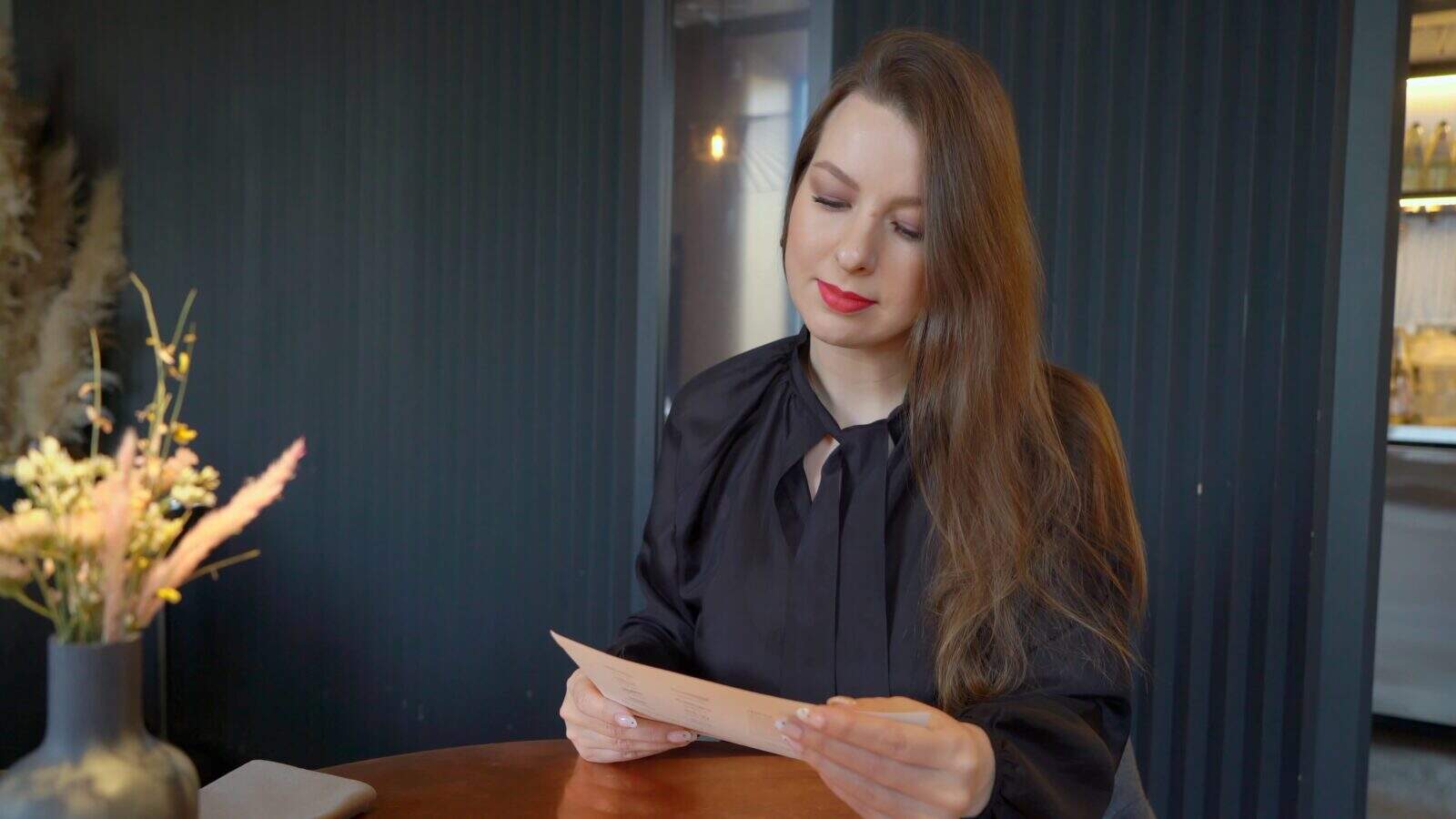
The smell of fresh food fills the air, yet your mind turns to the price list before anything else. You scan for deals, combos, or anything that feels worth it.
Nora Hao, a senior sales director at YouGov America, noted in the 2025 report that Americans still enjoy dining out, but value now drives their choices. That insight shows how priorities have changed across the board.
You begin to approach dining out with a new mindset. It is no longer just about craving or convenience. It is about making the numbers make sense.
Rising costs are forcing more intentional choices

The hum of a busy kitchen blends with soft conversations, yet your mind is elsewhere, calculating. You think about groceries, bills, and everything competing for the same money.
63% of diners who eat out less say higher restaurant costs are the main reason. That pressure lands heavily on women managing household budgets.
You start to plan meals differently. Eating out becomes something you schedule, not something you do on impulse. Each choice carries more weight than before.
Safety concerns reshaping evening plans

The streetlights flicker as you step outside after dinner, and your awareness sharpens. You check your surroundings, your phone, and your route home.
A 2025 LogicMark survey found that 67% of US women fear walking alone at night. About 38% take daily precautions that limit their activities. That fear does not stop at the restaurant door.
You begin to rethink late dinners or outings that stretch into the night. The experience is no longer just about the meal. It includes everything that comes after.
Social plans shifting toward safer spaces

The music from nearby bars spills into the street, but you hesitate before joining in. The energy feels inviting, yet something holds you back. LogicMark data shows that 44% of women aged 18 to 25 say safety concerns restrict their daily activities, including social outings. That reality changes how and where people gather.
You start suggesting alternatives that feel safer. Home dinners, smaller gatherings, or earlier meetups become the new norm. The shift feels subtle, yet it changes everything.
The emotional weight of spending on non-essentials

The menu sits open in front of you, but your focus drifts. You think about what else that money could cover, from groceries to future plans.
Studies show that 57% of diners cite rising living costs as a key concern. For many women, that turns dining out into something that feels optional rather than routine. You begin to question each outing. The emotional cost of spending adds to the financial one. Over time, it changes how often you say yes.
A growing awareness of restaurant labor realities

The clatter of dishes and the quick steps of servers catch your attention. You start to notice more than just the food. You see the people behind the experience. Data shows that women make up 70% of restaurant servers. More than one-third are mothers, and about half are single moms.
You begin to think about the system behind the service. That awareness can shape how you feel about tipping, pricing, and the industry as a whole. It adds another layer to the decision to dine out.
A long-term change in how dining out is viewed
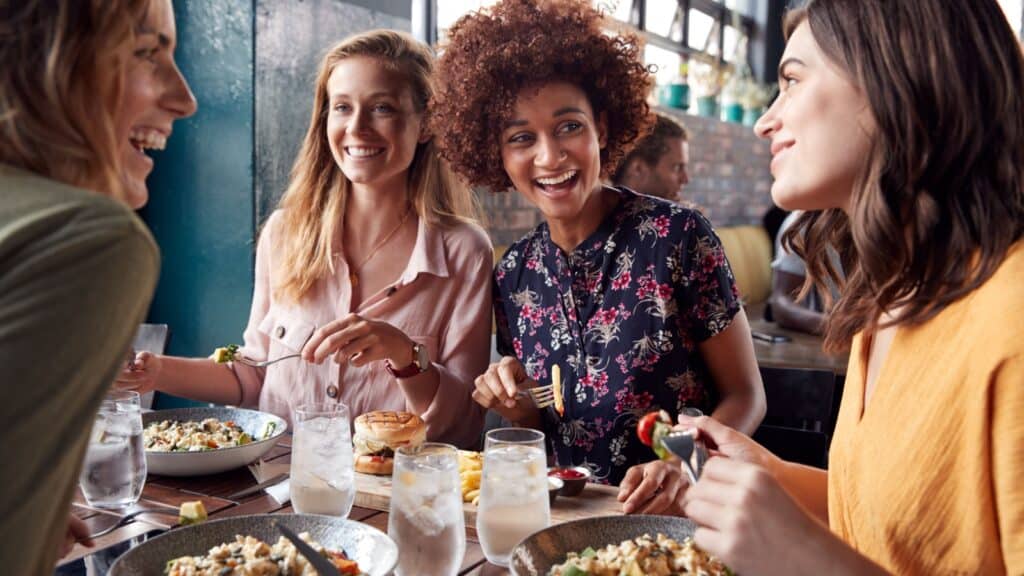
The familiar sight of a packed restaurant still exists, yet your perspective has shifted. You no longer see it as a default choice.
The steady changes in behavior, backed by multiple 2025 reports, show a pattern that goes beyond a short-term reaction. Women are leading this shift through more cautious and intentional decisions.
You start to realize this is not just about the present moment. It is shaping future habits. Dining out becomes something you choose carefully, not something you assume you will always do.
Disclaimer – This list is solely the author’s opinion based on research and publicly available information. It is not intended to be professional advice
Like our content? Be sure to follow us