12 red flags waitstaff notice when diners first open the menu
A server might only look at your table for a few seconds, but that’s often enough to form a lasting impression. With staffing still a big challenge in 2025, every small signal from diners matters more than ever.
The moment a menu opens, a quiet exchange begins. You may think you are just deciding what to eat, but the server is picking up on cues, timing your table with others, and guessing how the meal will go. Little things add up fast.
Restaurants today have tight schedules and small profit margins. Each table impacts the next, and every interaction affects service. What seems like a casual start can set the tone for the whole meal, often without you noticing.
Searching for the cheapest option right away

Your finger moves quickly down the menu as you ask, “What’s the cheapest thing here?” Budget awareness is normal. The timing of the question matters. Asking this immediately signals a focus on cost above all else.
In 2025, prices for key ingredients have gone up, so restaurants have had to change their menus. Focusing on the cheapest option early can hint at future disappointment, especially if what you get doesn’t meet your expectations.
Treating the menu like a barrier instead of a guide

You hold the menu, but instead of using it to help you choose, you skim through it without really paying attention. Servers notice when diners don’t really look at the menu. This usually means more questions, slower choices, and less clear orders.
This pattern slows down service. With restaurants still short-staffed, every extra minute counts. The menu is there to help you choose, and skipping it puts more work on the staff.
Asking what’s already written in plain sight

The soft rustle of paper fills the air as you open the menu, yet your first words cut through the calm with a quick, “What do you guys have?”
You might think it’s harmless or even friendly, but servers see it differently. It shows you haven’t looked at the basics right in front of you. According to YourTango’s 2025 report on restaurant behavior, staff see this as a red flag because it puts simple tasks on them.
That small action matters more than you might think. With ongoing staffing shortages, servers count on diners to read the menu themselves. Skipping that step adds pressure and suggests you might need more help later.
Planning major changes before understanding the dish
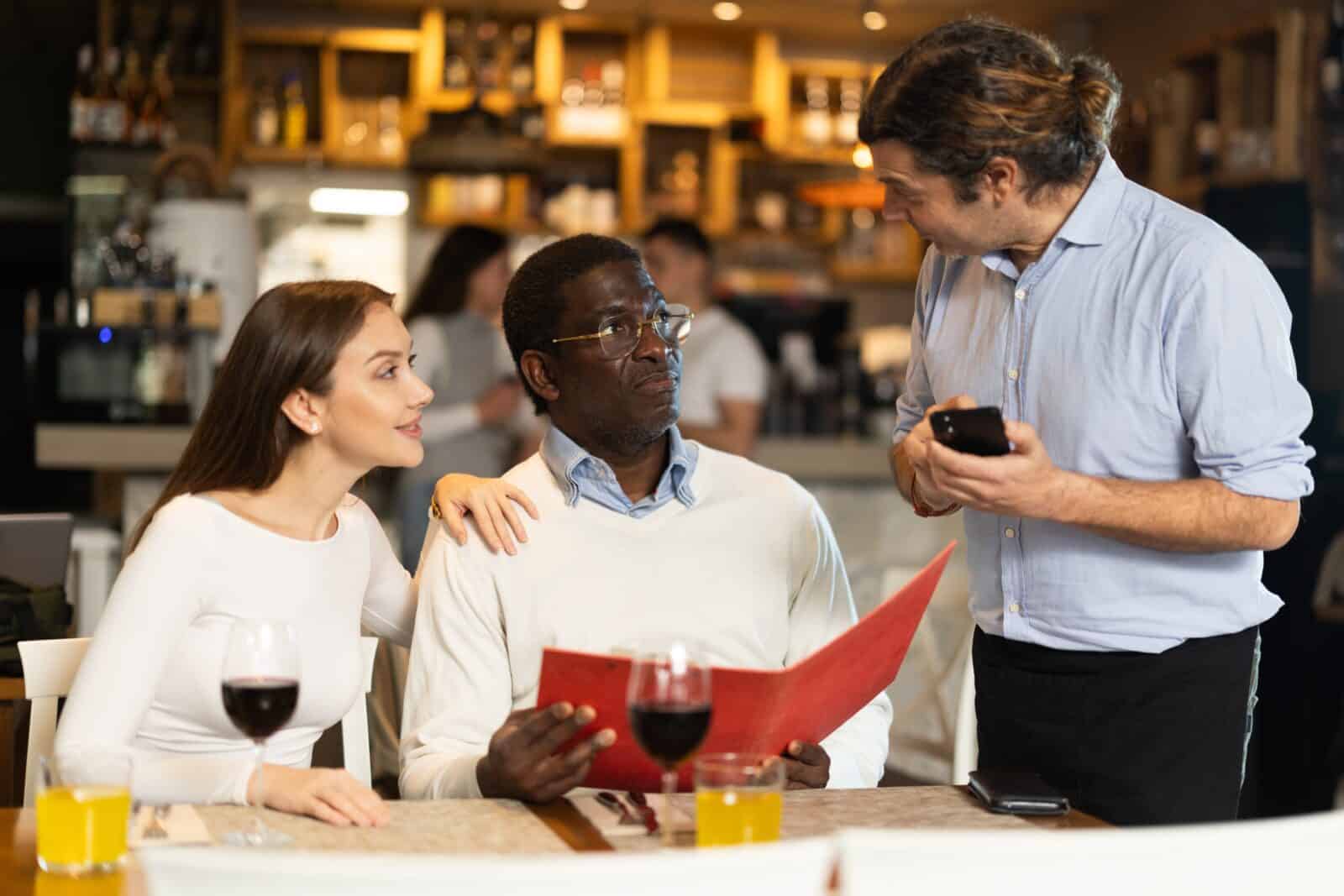
The low hum of conversation surrounds you as you lean forward, already asking to swap sides and remove ingredients before finishing the menu description.
You might think you’re just being clear about what you want. Servers often see this as the beginning of many changes. While 70% of diners come back when their requests are met, starting with lots of changes usually means more will follow.
This pattern puts extra strain on the kitchen, especially when it’s busy. In 2025, with higher costs and fewer staff, early changes mean more work and a bigger chance of delays or mistakes.
Reacting to prices before reading the full menu
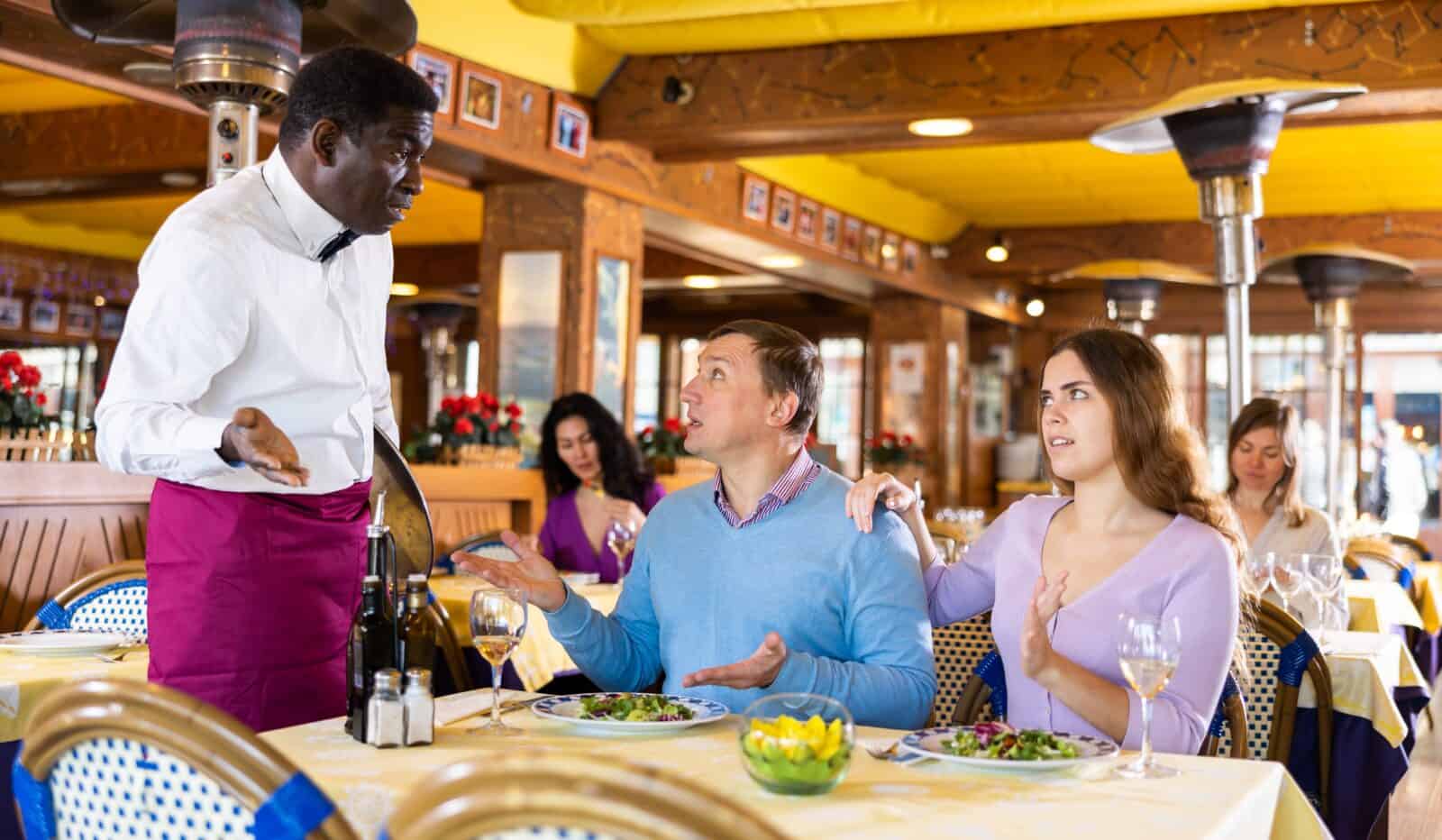
The faint clink of glasses echoes as your eyes land on a price, and your expression tightens right away.
You might not say anything, but your reaction is obvious. Servers notice it quickly. Data from Yahoo Finance shows that 95% of operators say diners care more about value in 2025.
Just being aware of prices isn’t the problem. Getting frustrated about prices early on often leads to tension later, especially when the bill comes. It can make the meal more about money than enjoyment, which affects how smoothly things go.
Promising to tip well before anything happens

Everything seems calm until you lean back and say, “Don’t worry, I’m a great tipper.” It might sound reassuring, but servers hear this line a lot, and it quietly worries them. FODMAP Everyday notes that people who say this often end up being demanding and tipping less than expected.
This difference affects how the staff get ready to serve you. With independent restaurants down by 2.3% this year, every interaction counts. Early promises often don’t match what happens, so servers learn to be careful.
Splitting attention between the menu and your phone

The glow of your screen lights your face as the menu sits open in your other hand. Notifications keep pulling your focus away.
To you, it feels normal. To a server, it disrupts timing. Divided attention leads staff to shift toward a more transactional service style.
That shift matters because 64% of full-service diners say experience matters more than price. When attention is split, it becomes harder for servers to read cues, suggest dishes, or pace the meal well.
Ignoring the server’s first approach

Footsteps approach, and a voice greets you at the table, but your eyes stay fixed on the menu without a response. It may not feel rude in the moment. Servers rely on that first exchange to set the rhythm. A lack of acknowledgment signals low interaction, complicating the management of multiple tables.
This small missed connection adds up. The National Restaurant Association highlights ongoing hiring struggles in 2025, so servers depend on quick, clear cues to keep service flowing smoothly.
Ordering alone before the table is ready
The soft scrape of chairs settles as your group looks through menus, yet you jump in early with your order. You might think you are saving time. It often does the opposite. Solo ordering disrupts how kitchen tickets are grouped and timed.
That disruption matters more now. Restroworks data tied to National Restaurant Association trends shows traffic remains uneven in 2025. Smooth pacing helps kitchens keep up, and early individual orders throw that balance off.
Calling out a drink order before introductions

The server opens their mouth to greet the table, and you cut in with “Diet Coke” before they finish. It feels efficient to you. To staff, it lands as abrupt. YourTango’s 2025 report lists this as one of the most common early signs of difficult service interactions.
That first impression shapes everything after. With 82% of consumers favoring restaurants for social experiences, tone matters. Starting with a demand rather than a greeting can quietly lower the level of care you receive.
Starting with complaints about past dining experiences

The menu barely opens before you mention how every restaurant lately has had poor service. It might feel like sharing context. Servers hear it as a warning. These early complaints create tension before anything has even happened.
That tension affects outcomes. Kiosk Industry data shows that 9 in 10 diners value friendly staff most, yet starting with negativity makes it harder to deliver that. It often becomes a self-fulfilling loop.
Setting the tone before a single bite arrives

The low lighting and soft music create a calm setting, yet the mood at the table feels tense from the outset. You may not notice how quickly that tone forms. Servers do. Early behaviors shape how they prioritize your table, pace your meal, and manage expectations.
Restaurant data across 2025 keeps pointing to the same truth. Experience drives return visits more than anything else. The first interaction, often before any food is ordered, quietly decides how the rest of the night will unfold.
Disclaimer – This list is solely the author’s opinion based on research and publicly available information. It is not intended to be professional advice
Like our content? Be sure to follow us