13 states losing population faster than expected
The quietest sign of change isn’t new construction in the Sun Belt, but the growing emptiness left behind in states people once built their lives around.
The year 2026 has kicked off with moving trucks burning rubber across the interstate highways, but they are mostly heading in one direction. Americans are packing up their lives and saying goodbye to high taxes and cold winters in droves that have surprised even the experts. While the Sun Belt continues to swell with new residents, traditional strongholds in the Northeast and Midwest are watching their numbers dwindle.
This shift is not just about retirement plans or better weather anymore; it is a full-blown economic migration reshaping the map. Families are voting with their feet, leaving behind states that simply cost too much or offer too little in return for their hard-earned paychecks. We looked at the latest numbers to see which states are seeing the tail lights of their residents this year.
West Virginia

The Mountain State is facing a tough reality as it continues to see its population numbers slide downward this year. USAFacts reports that the state is shrinking, having declined by 516 between 2023 and 2024, the steepest drop in the nation. It seems the beautiful hills are not enough to keep young people from seeking opportunities elsewhere.
Economic struggles have plagued the region for years, and 2026 is proving to be no different for local communities. With fewer jobs to anchor them down, graduates are heading to growing cities in the South and leaving shrinking towns behind. This trend has turned the state into one of the most prominent examples of population decline.
Illinois

The Land of Lincoln is seeing a mass exodus that has left policymakers scratching their heads and worrying about the budget. Visual Capitalist data shows the state is projected to see the sharpest absolute decline of any state, potentially losing 1.1 million residents over the next few decades. Chicago can’t seem to pull enough weight to offset the losses happening everywhere else.
Residents are citing property taxes and the rising cost of living as their main reasons for printing out one-way boarding passes. We are seeing families trade the Windy City for warmer, friendlier tax climates in places like Tennessee and Florida. The state is losing its grip on the middle class faster than anyone anticipated.
New York

The Empire State is a little less crowded these days as the post-pandemic bounce back failed to materialize for everyone. According to Quick Shift Moving Inc, New York loses approximately 900 residents per day. It turns out that paying premium prices for a tiny apartment loses its charm eventually.
Upstate regions are struggling to hold onto their residents, while the city sees a churn of people coming and going. Bank of America reported that New York City continued to see a large nominal outflow of residents in late 2025, even as some workers returned. The lights are still bright on Broadway, but fewer locals are around to see them.
California

The Golden State has lost some of its luster as the dream of living by the ocean gets priced out of reach for most people. While the state has huge international arrivals, domestic migration data reveals a steady stream of locals moving to Nevada and Arizona. It is hard to justify the sunshine tax when you can get a bigger house for half the price next door.
Tech workers and middle-class families are leading the charge out of the state to find more affordable pastures. Los Angeles is one of the top cities for population loss in 2025, signaling that even the entertainment capital is bleeding residents. California is learning the hard way that everyone has a breaking point with expenses.
Louisiana
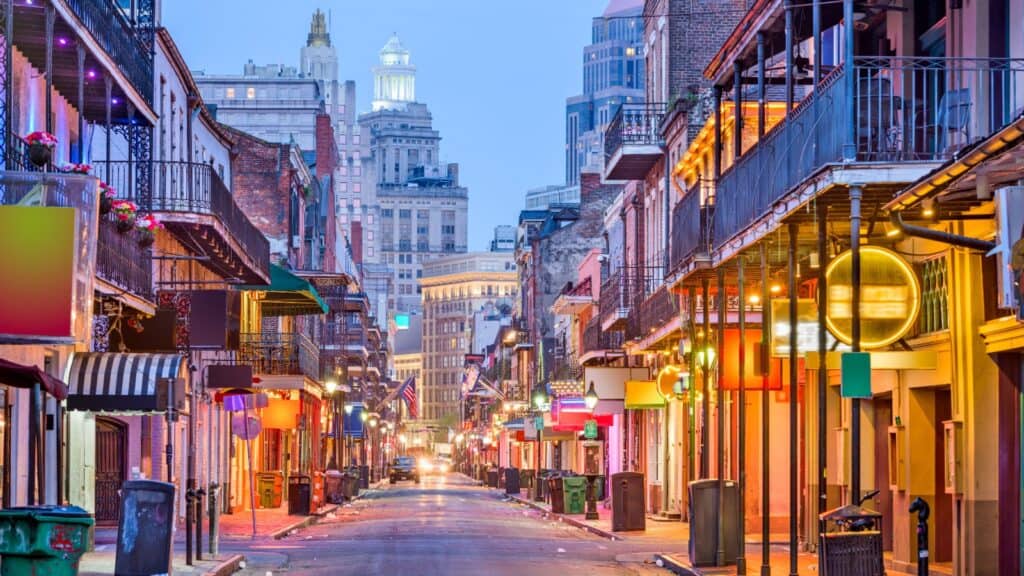
The Bayou State is dealing with a combination of economic stagnation and severe weather risks that are pushing people out. Louisiana ranked as the worst overall state for economic and health indicators in a recent 2025 analysis, driving families to look for safer ground. The culture is vibrant, but the job market is not strong enough to make people stay.
Insurance rates have skyrocketed along the coast, making homeownership a nightmare for many longtime residents. People are tired of rebuilding after storms and are choosing to move inland where their savings are safer. Louisiana is losing its population because the cost of staying has simply become too high.
Hawaii
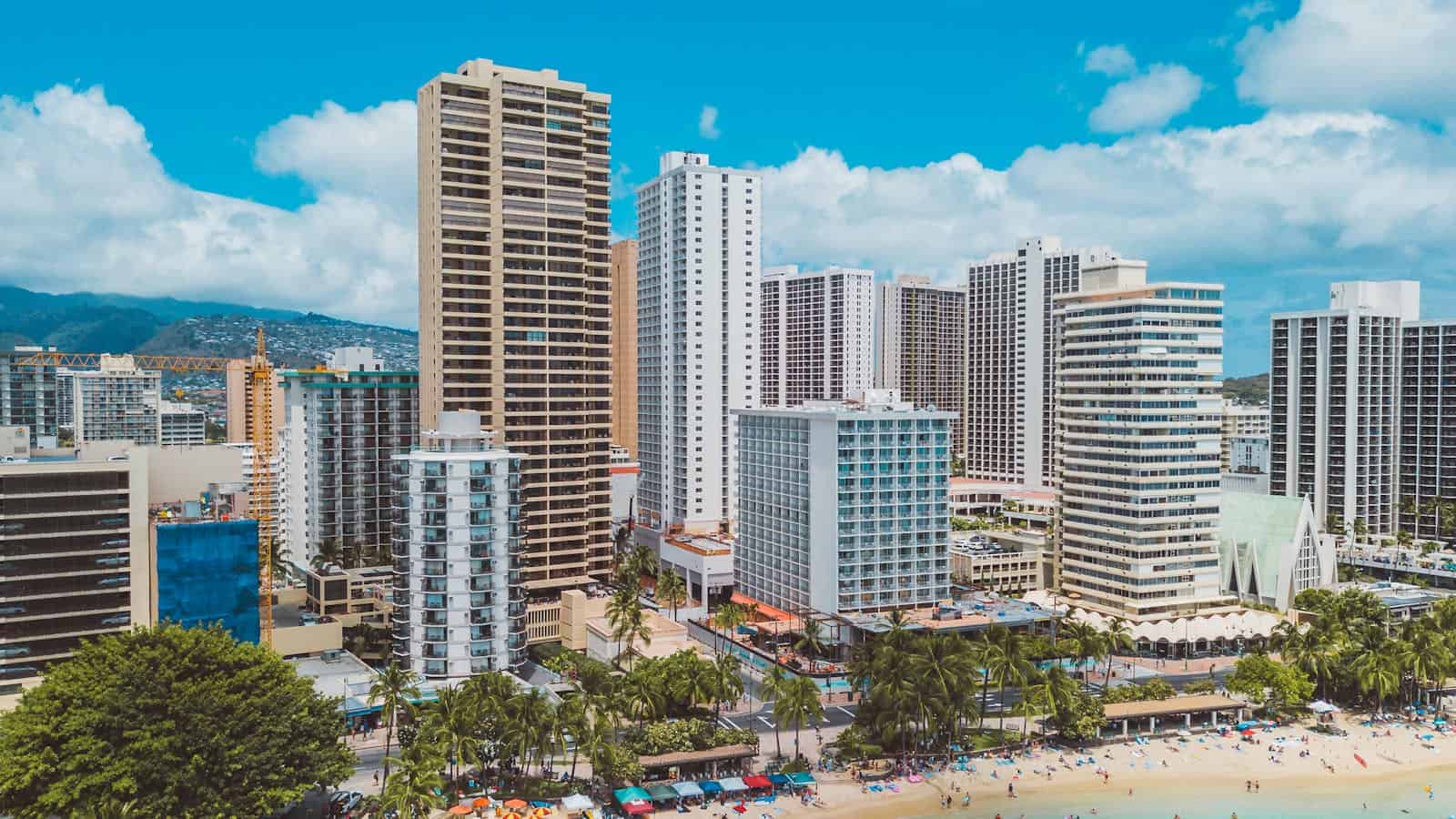
Paradise is getting expensive, and the locals are unfortunately the ones paying the ultimate price for it this year. The state saw the largest percentage decrease in housing units recently, exacerbating a crisis that is forcing families to the mainland. Living in a postcard is wonderful until you realize you can’t afford the groceries.
Young professionals are finding it nearly impossible to buy a home and settle down in the islands where they grew up. Without major changes to housing policy, the state will continue to bleed its local workforce to cheaper states like Nevada. The “Aloha” spirit is being tested by a brutal economic reality.
Mississippi

The Hospitality State is having trouble keeping its guests, let alone its permanent residents, as 2026 rolls on. Mississippi Today reports that the state has slipped back into a population decrease as residents leave for better wages in neighboring states. It is a struggle to compete when opportunities across the border look so much brighter.
Brain drain is a serious issue here, with university graduates taking their degrees and moving to Atlanta or Dallas. There is a lack of high-paying industries to keep talent local, so the state is slowly aging as the youth depart. Mississippi needs a new game plan to stop the bleeding.
Vermont
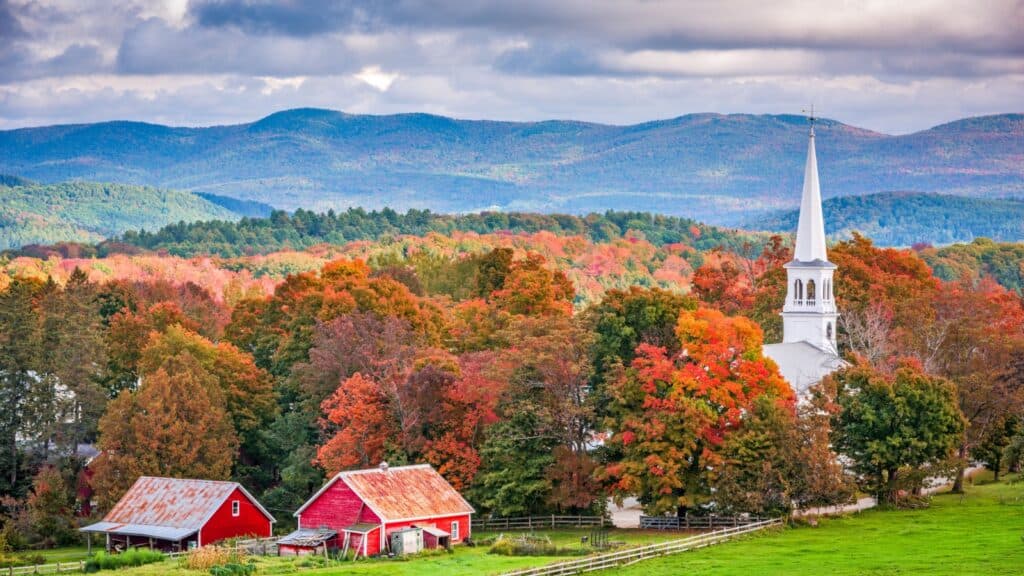
You might think everyone wants to move to a quiet cabin in the woods, but the numbers tell a different story. After a brief popularity spike during the pandemic, Vermont has returned to population loss as remote workers drift back to cities. The charm of a rural winter wears off quickly when you are isolated, and internet service is spotty.
The state has an aging population and not enough young families moving in to replace those who retire or pass away. With a growth rate that dipped recently, the state is facing a demographic cliff that is hard to reverse. It is beautiful, but it is becoming empty.
Massachusetts
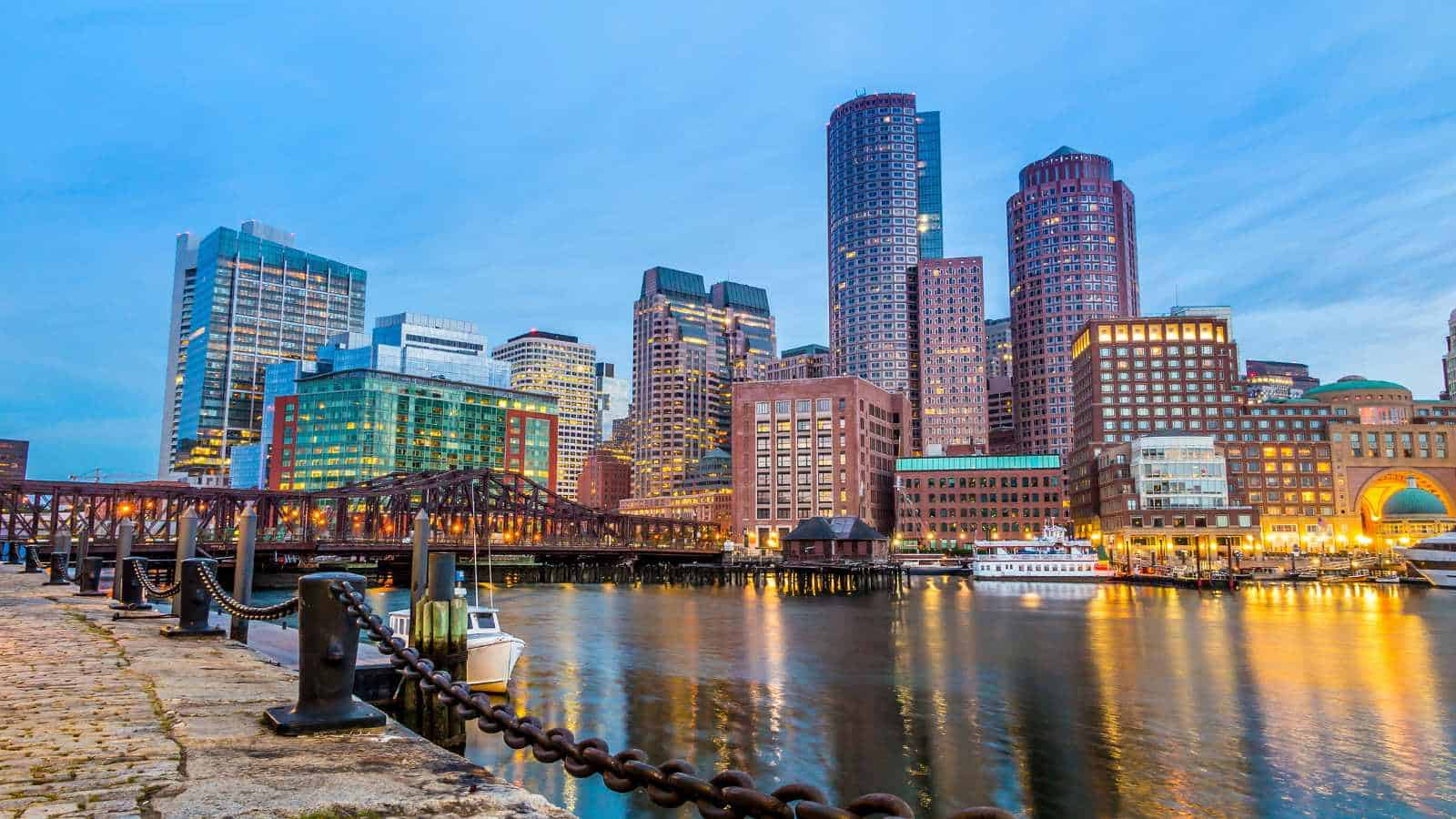
The Bay State is smart and wealthy, but it is also incredibly expensive for anyone trying to build a future. High housing costs in the Boston area are driving a wedge between the state and its working-class residents. People love the history and the sports, but they hate the rent checks.
We are seeing a trend where families move just over the border to New Hampshire to escape the tax burden. The state is struggling to retain the very graduates its prestigious universities produce because the cost of entry is too high. Massachusetts is becoming a victim of its own success.
Oregon
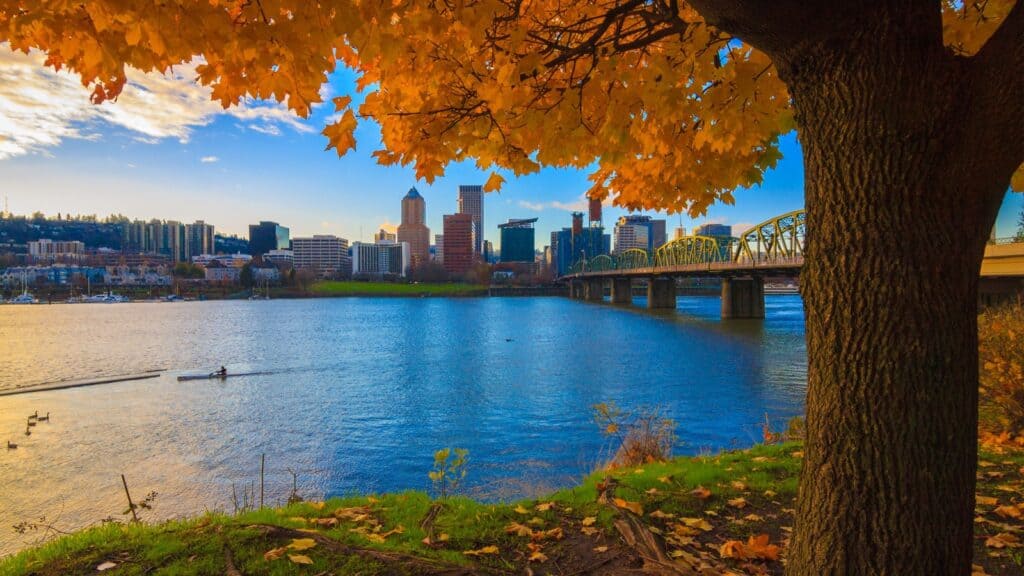
The Pacific Northwest is not the magnet it used to be, and Oregon is feeling the chill of rejection this year. Portland has struggled with image problems and housing costs that have pushed residents into Washington or Idaho. The state is seeing a slowdown that seemed impossible just a decade ago.
Remote work has allowed people to leave the rainy I-5 corridor for sunnier and cheaper locations in the Mountain West. Migration data suggests that for every person moving in, more are packing up a U-Haul and heading out. The state needs to address livability if it wants to reverse the tide.
Michigan

The Great Lakes State is fighting hard to reinvent itself, but the population numbers are still stubborn. Despite efforts to attract tech jobs, the Midwest remains stagnant or in slow decline as people move south. Winter is a hard sell when you can move to the Carolinas and wear shorts in February.
Detroit has stabilized somewhat, but the rural areas and smaller industrial towns are slowly hollowing out. Younger generations are moving to big cities like Chicago or leaving the region entirely for the Sun Belt. Michigan is losing the demographic battle to warmer competitors.
Pennsylvania
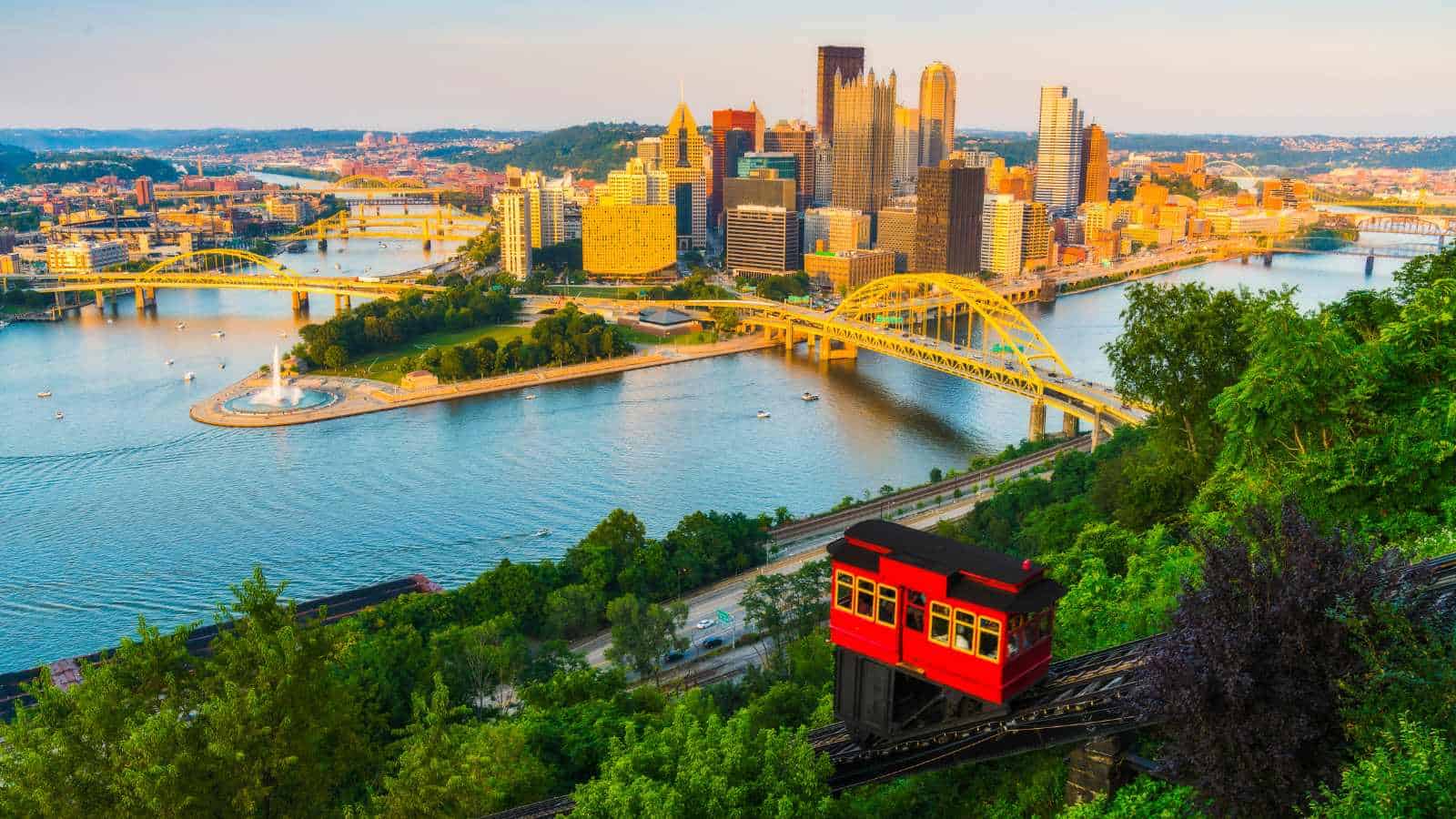
The Keystone State is losing residents to the south as retirees and workers look for better climates. While Philadelphia holds its own, the western and rural parts of the state are seeing a steady drip of population loss. It is a classic case of the Rust Belt struggle continuing into the late 2020s.
Taxes and a slower economy are cited frequently by those who decide to leave the state for good. The Brookings Institution noted that net migration nationally was negative in 2025, and states like Pennsylvania feel that pinch the hardest. It is hard to grow when the national trend is slowing down.
New Jersey

The Garden State is often the punchline of jokes, but the property tax bills are seriously no laughing matter. Residents continue to flee to Pennsylvania and Delaware, where they can get more house for their money. It is one of the top states for outbound migration year after year.
Commuters are realizing they do not need to pay a premium to be near New York City if they only go in once a week. High earners are taking their tax dollars with them, leaving the state with a budget hole to fill. New Jersey is shrinking because it is pricing out its own people.
Like our content? Be sure to follow us