The best times to visit Yosemite without chasing Firefall
When a park becomes famous for a single fleeting moment, it’s easy to forget how many unforgettable ones happen when no one’s filming.
If you scroll through social media in February, it can seem like there’s only one “right” time to see Yosemite: those few evenings when Horsetail Fall turns electric orange and every square inch of valley floor appears to be covered in tripods. The Firefall has become such a viral spectacle that many travelers now build their entire Yosemite trip around a narrow winter window, then cross their fingers for clear skies and enough water in a single, very particular waterfall. But longtime Yosemite regulars and park staff quietly repeat a different message: as striking as Firefall can be, it’s just one of many faces this park shows throughout the year.
For every February crowd waiting shoulder‑to‑shoulder for a ten‑minute glow, there are spring mornings when waterfalls roar so loudly you can feel the mist from hundreds of feet away, fall afternoons when golden foliage frames Half Dome in crisp light, and winter days when the valley feels hushed and empty under fresh snow. If you can’t make it to peak Firefall—or decide it’s not your scene—there are at least five other seasons and shoulder periods when Yosemite is every bit as unforgettable.
A Quick Reality Check on Firefall

Firefall is spectacular, but it’s also finicky. The glow at Horsetail Fall only lines up for a short stretch in February, and it depends on three things happening at once: enough water in the fall, a clear western horizon at sunset, and the right sun angle. A dry winter, a thin band of clouds, or haze at the wrong moment can flatten the effect, and there’s no way to guarantee a perfect show on a specific date. Official park information notes that even in good years, some nights just don’t light up.
For 2026, Yosemite is not requiring advance vehicle reservations in February, including Firefall weekends, which makes last‑minute trips easier but will likely mean bigger crowds in a concentrated stretch of the valley. That combination of uncertainty and crowding isn’t everyone’s idea of a dream vacation. The good news is that the rest of the year offers just as many “wow” moments, with a lot less pressure.
1. Spring Runoff: Peak Waterfall Season
Spring is when Yosemite fully leans into its waterfall reputation. The park’s own guidance says the best time to see waterfalls is during spring snowmelt, with peak runoff typically in May or June depending on the year’s snowpack. By then, Yosemite Falls, Bridalveil Fall, Vernal Fall, Nevada Fall, and dozens of smaller cascades are booming, often at volumes that make late‑summer flows look like a different park.
Lodging and tour operators consistently point to late May and early June as a sweet spot: strong waterfalls, moderate temperatures, and long days. You can expect:
- Thundering falls you can hear from across the valley.
- Rainbows in mist on sunny mornings and afternoons.
- Trails like Mist Trail living up to their name—plan on getting wet if you go close.
The trade‑offs: some high‑country roads may still be snowed in until late spring, and weekends can be busy as word spreads that the waterfalls are roaring. But if you’re weighing “best water moment” versus “best Firefall night,” many experts quietly vote for May in a good snow year.
2. Early Summer: Classic Yosemite, Full Access
By June and July in most years, Yosemite shifts into what many visitors picture when they think “national park summer.” Roads to the high country—like Tioga Road and Glacier Point Road—typically open as plows finish their work, unlocking viewpoints and trailheads that are completely inaccessible during Firefall season.
Early summer is when:
- Most facilities, campgrounds, and services are open.
- High‑country meadows and lakes are reachable, offering cooler hikes and sweeping views.
- Ranger programs, kids’ activities, and guided tours are in full swing.
You will be trading for crowds and higher prices, something nearly every planning guide flags as the main downside. Still, for families with school‑age kids or first‑timers who want a “see it all” experience, early summer often feels more rewarding than staking everything on a single February sunset. You get waterfalls (though past peak by July), big views, and a wider range of activities than any Firefall‑centric itinerary.
3. Late Summer and Early Fall: Calmer Trails, Golden Light
By August and into September, Yosemite’s big waterfalls often slow to a trickle or even dry up, especially in low‑snow years—something park information and traveler forums underline often. That can be disappointing if you arrive expecting the full roar of May.
What you gain instead:
- Generally stable, dry weather that’s ideal for long hikes and backpacking.
- More manageable crowds once the peak of school vacation season passes, especially after Labor Day.
- Soft, golden light in mornings and evenings that photographers love for sweeping landscapes.
Several planning resources highlight late September and October as some of the best months to visit if your priority is hiking and scenery rather than water volume. Daytime temperatures are often comfortable, nights are crisp, and big sections of the park remain accessible.
For couples’ trips or friends’ getaways where conversation and trail time matter more than checking off every waterfall, this window can feel far more relaxed than squeezing into a crowded Firefall corridor in winter.
4. Late Fall: Quiet Views and Crisp Air
From roughly October into early November, Yosemite transitions into a calmer, more contemplative season. Fall is when summer crowds drop noticeably, days stay mild to cool, and nights turn cold, with growing chances of early storms as you get later into the season.
- You won’t find peak waterfalls—many are at their lowest flows by then—but you might enjoy:
- Patches of fall color along the Merced River and in valley meadows.
- Easier last‑minute lodging compared with summer and holiday periods.
A slower pace overall: fewer traffic jams, more room at viewpoints, and a sense that the park is exhaling after peak season.
Some guides specifically call autumn the best time for long‑distance hikes thanks to cooler temperatures and lighter crowds. For repeat visitors or anyone who doesn’t need the “greatest hits” version of Yosemite, late fall can feel like discovering a more intimate version of the same famous views.
5. Winter Without Firefall: Snow, Silence, and Space

Even if you never see Horsetail Fall light up, winter in Yosemite can be its own highlight reel. After storms, Yosemite Valley can look like a black‑and‑white photograph brought to life: snow‑draped trees, low clouds wrapping around granite walls, and quiet trails lining the Merced River. Many park and tourism sources emphasize that winter is when you’re most likely to find genuine calm in otherwise busy places like Tunnel View and Cook’s Meadow.
Outside the Firefall corridor and a handful of peak weekends, winter brings:
- Downhill skiing and snowboarding at Badger Pass, a small, family‑friendly ski area inside the park.
- Cross‑country skiing and snowshoeing, including classic routes toward Dewey Point with sweeping views into the valley.
- Easy, mostly flat walks in the valley that feel completely different under snow, plus cozy evenings at lodges and cabins.
Some winter itineraries now openly suggest skipping the Firefall crowds and focusing on these lower‑stress experiences—especially for families, first‑timers, or anyone who doesn’t want to spend a big chunk of their trip waiting in the cold with a crowd. For many, a quiet snowy afternoon and a fireplace evening end up feeling more memorable than a ten‑minute glow shared with hundreds of people.
How to Match the Season to Your Travel Style
When you look across the calendar, what jumps out is how much expert advice boils down to “it depends what you want.” The park and most travel outlets don’t name a single “best” month; instead, they highlight what each season does best.
Common themes:
- Waterfall obsessives: Late spring—roughly May into early June in many years—delivers the biggest wow factor.
- Classic first‑time trips with kids: Early summer, when roads and programs are fully open, often wins out.
- Crowd‑averse hikers and couples: September and October frequently get the nod for balancing access and calm.
- Cozy, low‑key getaways: Non‑holiday winter dates, with or without Firefall, tend to feel the most peaceful.
There is some disagreement at the margins—one guide might crown late May, another might champion September—but that conflict is more about priorities than the park itself. Once you’re clear on whether you care more about waterfalls, wildflower meadows, open roads, or empty trails, the “right” Yosemite starts to choose itself.
The Takeaway
If you can’t make it to peak Firefall—or decide that the crowds and uncertainty aren’t for you—you’re not missing Yosemite’s only magic trick. The park is just as unforgettable when waterfalls thunder in May, when meadows glow green in June, when granite domes catch late‑summer haze, when fall color frames the river, or when winter storms leave the valley hushed and white.
Instead of asking whether you’ve picked the one perfect week, it’s more useful to ask what kind of experience you want: high‑energy and social, or quiet and reflective; photo‑driven, or more about long hikes and slow mornings. Once you answer that, there’s probably a season that fits you better than a ten‑minute February sunset ever could—and Firefall, if you eventually chase it, becomes the encore to a relationship with Yosemite that was already worth the trip.
Ghosts Of The Mountains: 4,000 Snow Leopards Left In The Wild
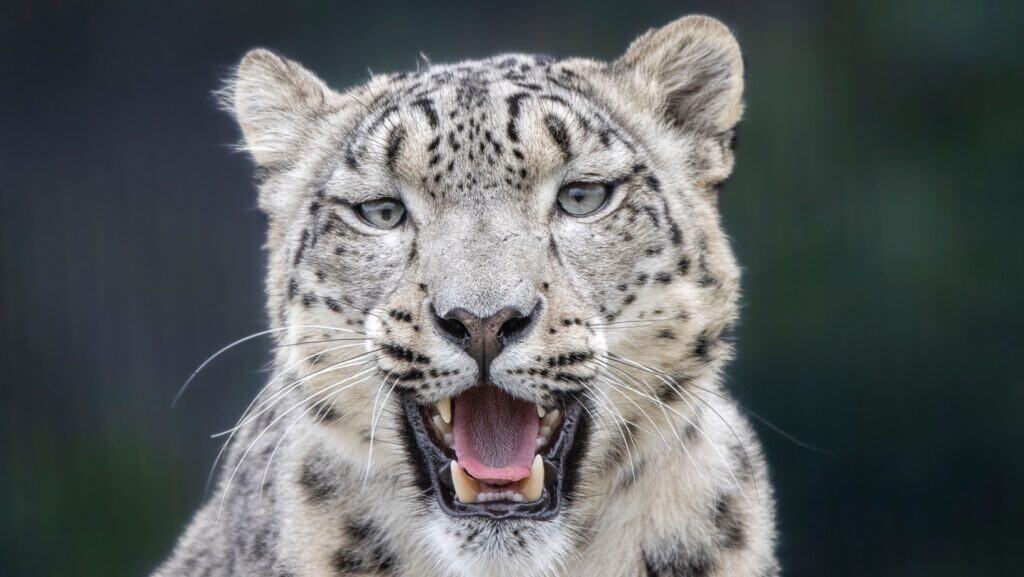
With as few as 4,000 snow leopards left in the wild, the survival of these elusive cats has become a high-stakes test of humanity’s commitment to fragile mountain ecosystems.
When people imagine the great cats of the world, lions on the savanna or tigers in the jungle often come to mind. Snow leopards, by contrast, are rarely seen and even more rarely understood. They are sometimes called “ghosts of the mountains,” slipping through the Himalayas and Central Asian peaks without a sound. Yet while their presence is subtle, their significance is enormous. Snow leopards teach us about resilience, balance, and the quiet power of nature. Learn more.