12 signs your 2–3 a.m. wake-ups aren’t random, backed by medical insight
You know the drill: It’s 2:57 AM, the house is silent, and your eyes just snapped open like a spring-loaded toy.
You aren’t just “bad at sleeping.” You are likely dealing with a specific physiological trigger that your body sets off at this exact time. I used to think my brain just liked to torture me with embarrassing memories from high school in the witching hour, but the medical reality is far more fascinating and fixable.
According to a 2025 report by Lifestyle Dentistry ATL, a staggering 80 to 90% of sleep apnea cases go undiagnosed, meaning millions of us are waking up gasping or jolting awake without even realizing why. Furthermore, studies from the Woolcock Institute of Medical Research highlight that our bodies naturally shift gears between 3 AM and 5 AM, moving from deep sleep to lighter stages. If your internal chemistry is even slightly off, this natural transition turns into a full-blown wake-up call.
Here are 12 signs that your early morning meetings with the ceiling fan aren’t random.
Your Brain Is Stuck in “Maintenance Insomnia” Mode

Ever fall asleep just fine, but wake up at the same time every night around 2 AM, and can’t seem to drift back off? If this happens often, it might be “maintenance insomnia.” It’s a pattern where falling asleep isn’t the problem, but staying asleep is.
Maintenance insomnia is more common than you might think, affecting two-thirds of people with insomnia. This is often tied to stress, mental health issues, or poor sleep habits, and it’s not just about missing out on sleep. It can lead to daytime fatigue, headaches, and difficulty concentrating. It’s also a major red flag for conditions like anxiety and depression.
Cortisol Spikes Are Hitting at the Wrong Time

Cortisol is a hormone that follows a natural rhythm in your body, peaking in the early morning to help you wake up and start your day. But if your cortisol levels rise too early, especially due to stress, trauma, or irregular sleep patterns, you may experience a spike at 2 to 3 AM that wakes you up. This is common in people with chronic stress, PTSD, or irregular work schedules.
Researchers have found that disrupted cortisol rhythms are closely tied to fragmented sleep, increased anxiety, and conditions like depression. So if you find yourself awake at the same time each night with your mind racing, cortisol might be contributing.
Your Nervous System Is in Fight-or-Flight at 2 AM

Waking up with a racing heart, sweaty palms, or a feeling of dread in the middle of the night is another sign that your body’s stress response system is kicking in. This is often a result of the nervous system being in “fight-or-flight” mode, which can happen when you’re under high stress or dealing with anxiety.
When the sympathetic nervous system is activated, it can make it extremely difficult to fall back asleep, especially in the second half of the night when you’re in lighter sleep stages. This could be a physical manifestation of stress or anxiety, and it can interfere with your ability to stay asleep, contributing to a vicious cycle of sleep deprivation and increased anxiety.
You May Have “Silent” Sleep Apnea

This is the big, silent sleep killer. You might not snore like a freight train, but you could still have “silent” apnea where your airway relaxes too much and cuts off oxygen.
Research published by ResMed in 2025 projects that obstructive sleep apnea will affect nearly 77 million U.S. adults by 2050. When your oxygen drops, your brain panics and jerks you awake to breathe. You might not remember the gasp, only the wakefulness that follows.
Also on MSN: The top causes of nightmares and tips to sleep peacefully again
Pain or GERD Is Nudging You Awake

Chronic pain (such as arthritis or back pain) or acid reflux often causes brief awakenings around 2 to 3 AM, especially when sleep is lighter. Those with acid reflux may even wake up with a burning sensation or a sour taste in the mouth during these hours.
Even temporary pain, like from an injury, can disrupt sleep patterns and cause you to wake up during the night. If you’re waking up frequently due to discomfort, addressing the underlying cause may help reduce early-morning awakenings and improve your overall sleep quality.
Hormones and Age Are Rewriting Your Sleep Script

For many, particularly women in perimenopause or menopause, early-morning wake-ups often correlate with hot flashes, night sweats, and fluctuating hormone levels. Additionally, aging often leads to earlier circadian rhythms, making it harder to stay in deep sleep.
Hormonal shifts, especially during menopause, are notorious for causing night sweats and hot flashes, both of which are disruptive and can cause waking during the night. If you’re in your 40s or 50s or dealing with any type of hormonal imbalance, it’s worth considering whether these changes could be affecting your sleep patterns.
Your Circadian Rhythm Is Out of Sync with Your Life

Circadian rhythm disruptions, often caused by irregular sleep schedules, late-night screen time, or shift work, are common causes of 2 to 3 AM wake-ups. The body’s internal clock thrives on routine, but when that clock gets out of sync with your lifestyle, such as staying up late watching TV or working irregular hours, it can trigger wake-ups at odd hours of the night.
If your circadian rhythm is out of whack, waking up at 2 AM could be a sign that your body is struggling to keep up with your daily schedule.
Blood Sugar Swings Are Disturbing Your Sleep
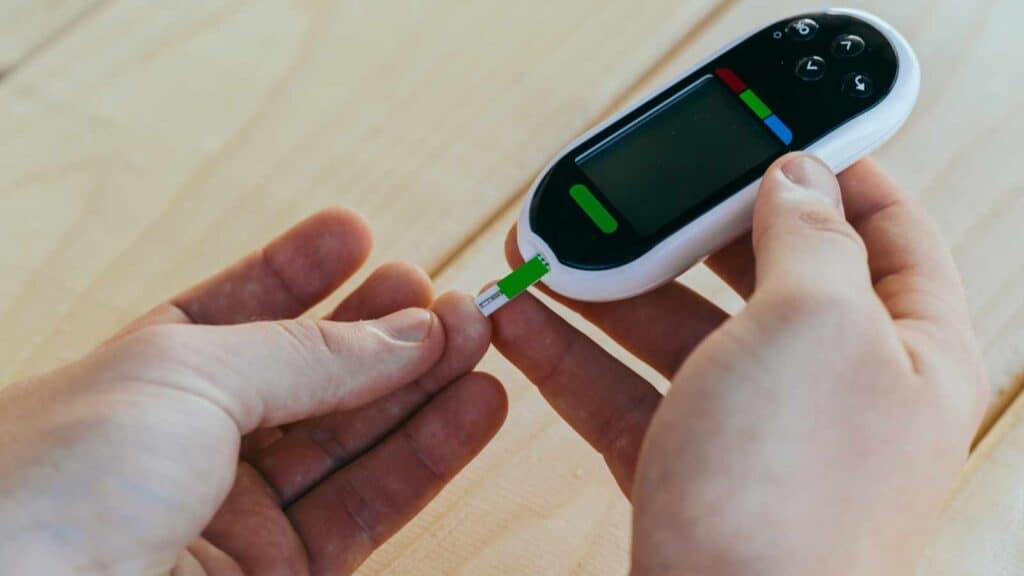
Blood sugar dips or spikes in the middle of the night can also contribute to those 2 to 3 AM wake-ups. If you have diabetes, prediabetes, or eat heavy carbohydrate meals late in the evening, your blood sugar levels may drop during the night.
This triggers the body to release stress hormones such as cortisol and adrenaline to correct it, which can cause a wake-up in the middle of the night. If you’re frequently waking up feeling jittery or hungry, it could be a sign that your blood sugar levels are fluctuating while you sleep.
Your Bedroom Is Sabotaging Deep Sleep

Sometimes, the environment you sleep in can be the culprit. Factors like noise, light, temperature, or even a partner’s snoring can disrupt sleep, causing you to wake up during the lighter sleep stages that occur around 2 to 3 AM.
Even small disturbances, like a phone buzzing or a pet moving around, can be enough to rouse you from sleep and prevent you from getting the rest you need. If your environment is less than ideal, such as being too hot, too bright, or too noisy, it could be the reason you’re waking up at that same time every night.
Your Mental Health Needs a Check-In

If you’re waking up between 2 and 3 AM consistently and also experiencing symptoms of low mood, excessive worry, or feelings of hopelessness, it’s time to check in with your mental health.
Early-morning awakenings are a hallmark symptom of conditions like depression and anxiety, and they often go hand-in-hand with these mental health struggles. Addressing the root cause through therapy, medication, or both can often improve sleep and help reduce those early-morning wake-ups.
Medications and Substances Are Quietly Disrupting Sleep

Sometimes, new medications or lifestyle changes are the root cause of your 2 to 3 AM wake-ups. Medications like antidepressants, steroids, and certain antihistamines can interfere with your sleep cycle, causing you to wake up in the early hours of the morning.
Even substances like alcohol or caffeine, which might seem harmless, can disrupt your sleep and make it harder to stay asleep through the night. If you’ve recently started a new medication or changed your diet or lifestyle, it could be affecting your sleep without you realizing it.
Your Cardiometabolic Risk Is Showing Up at Night

For some, 2 to 3 AM wake-ups are part of a larger cardiometabolic issue, such as sleep apnea, hypertension, or cardiovascular disease. Undiagnosed sleep apnea, in particular, has been linked to a higher risk of heart disease, stroke, and high blood pressure.
Severe sleep apnea, in particular, is associated with a much higher risk of cardiovascular events. If you’re waking up consistently during these hours, it’s worth considering whether a heart-related condition might be involved.
Disclosure: This article was developed with the assistance of AI and was subsequently reviewed, revised, and approved by our editorial team.
Like our content? Be sure to follow us