12 inventions that seemed impossible at the time
A tiny phone in your purse now holds a camera, a bank, a map, a movie theater, and half your social life. A century ago, that idea would have sounded like a carnival trick. Pew Research Center reports that 98% of U.S. adults now own a cellphone, and 91% own a smartphone. The International Telecommunication Union says its latest data revised the 2024 global online population to 5.8 billion people.
The International Air Transport Association also reports that global passenger traffic rose 10.4% in 2024, proving that the once wild dream of regular air travel now moves the world. These inventions did not arrive with polite applause.
People doubted them, mocked them, feared them, and then built entire routines around them. Here are 12 inventions that once sounded impossible, then transformed everyday life into something earlier generations could barely have imagined.
Airplanes made the sky practical

For centuries, people watched birds and wished humans could join them, but many smart voices treated flight as a fantasy. The Wright brothers refused to leave the dream in storybooks, and the Smithsonian credits their 1903 Wright Flyer as the first successful powered airplane, the result of years of research and testing. Early aircraft looked fragile, loud, and dangerous, so many saw them as toys for daredevils.
Now, a flight can turn a family emergency, work trip, or girls’ weekend into a same-day plan. IATA reports that total full-year air traffic in 2024 rose 10.4% compared with 2023. That stat says what the runway already shouts: the impossible became routine.
Telephones made distance feel small
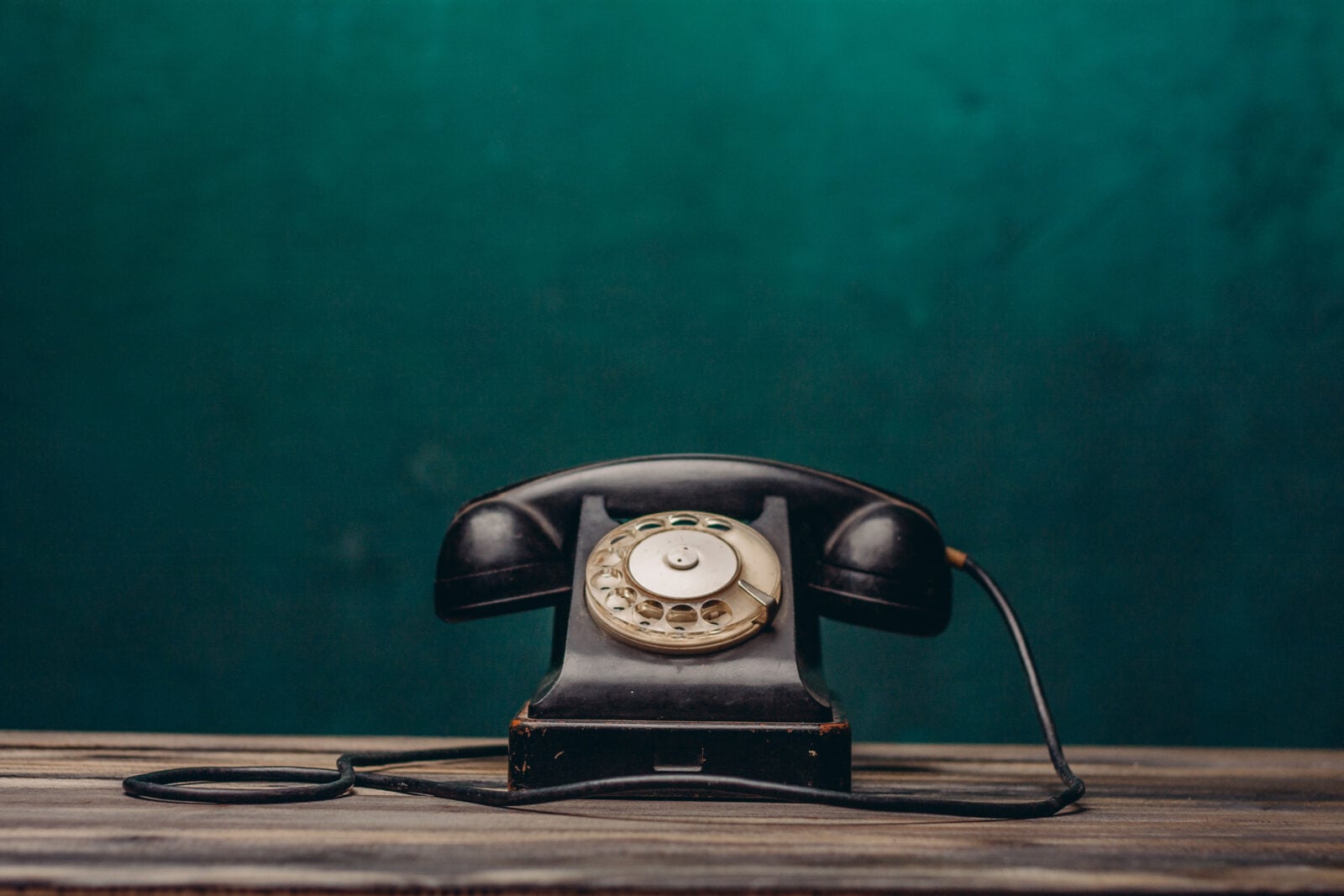
Before the telephone, a faraway voice lived in memory, letters, or imagination. The Library of Congress credits Alexander Graham Bell with the telephone because his patent and demonstrations proved that electrical signals could carry vocal sounds. That sounded strange to people who trusted paper, messengers, and telegraphs.
Then families discovered the magic of hearing a loved one laugh from miles away. Businesses moved faster, mothers checked on children, and friendships survived long gaps. The FCC reported 391 million mobile subscriptions in the United States in December 2024. That number shows how deeply Bell’s once-odd idea still shapes American life.
Light bulbs pushed back darkness
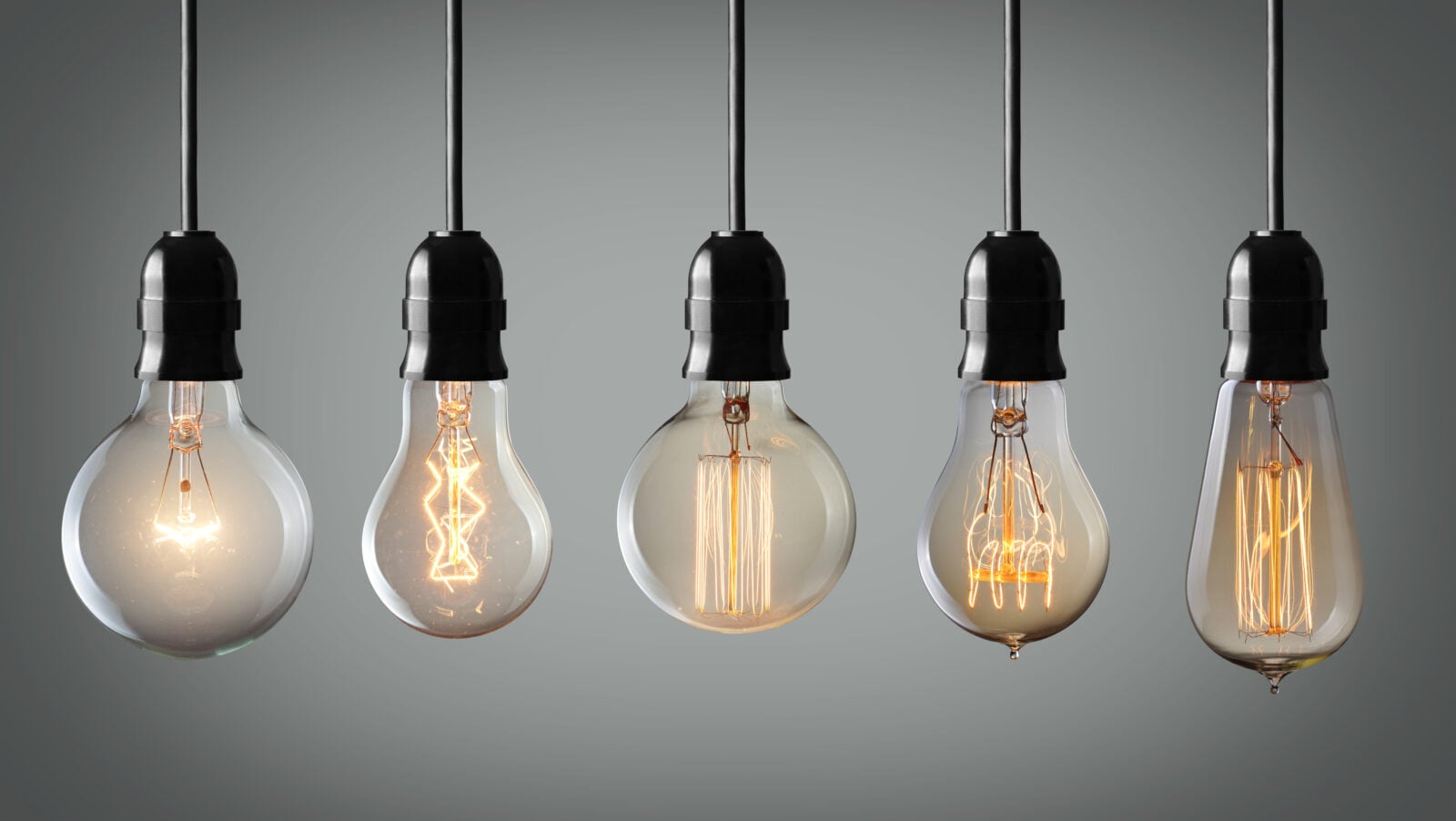
Electric light once sounded risky, expensive, and a little dramatic. People already had candles and gas lamps, so many saw no need for glowing glass bulbs and wires. Inventors kept testing materials until homes, shops, streets, and schools gained steadier light.
That changed evenings in a big way. Women could read after dinner, children could study later, and stores could stretch business beyond sunset. The light bulb did more than brighten rooms; it gave ordinary people more usable hours of light.
The internet stitched lives together
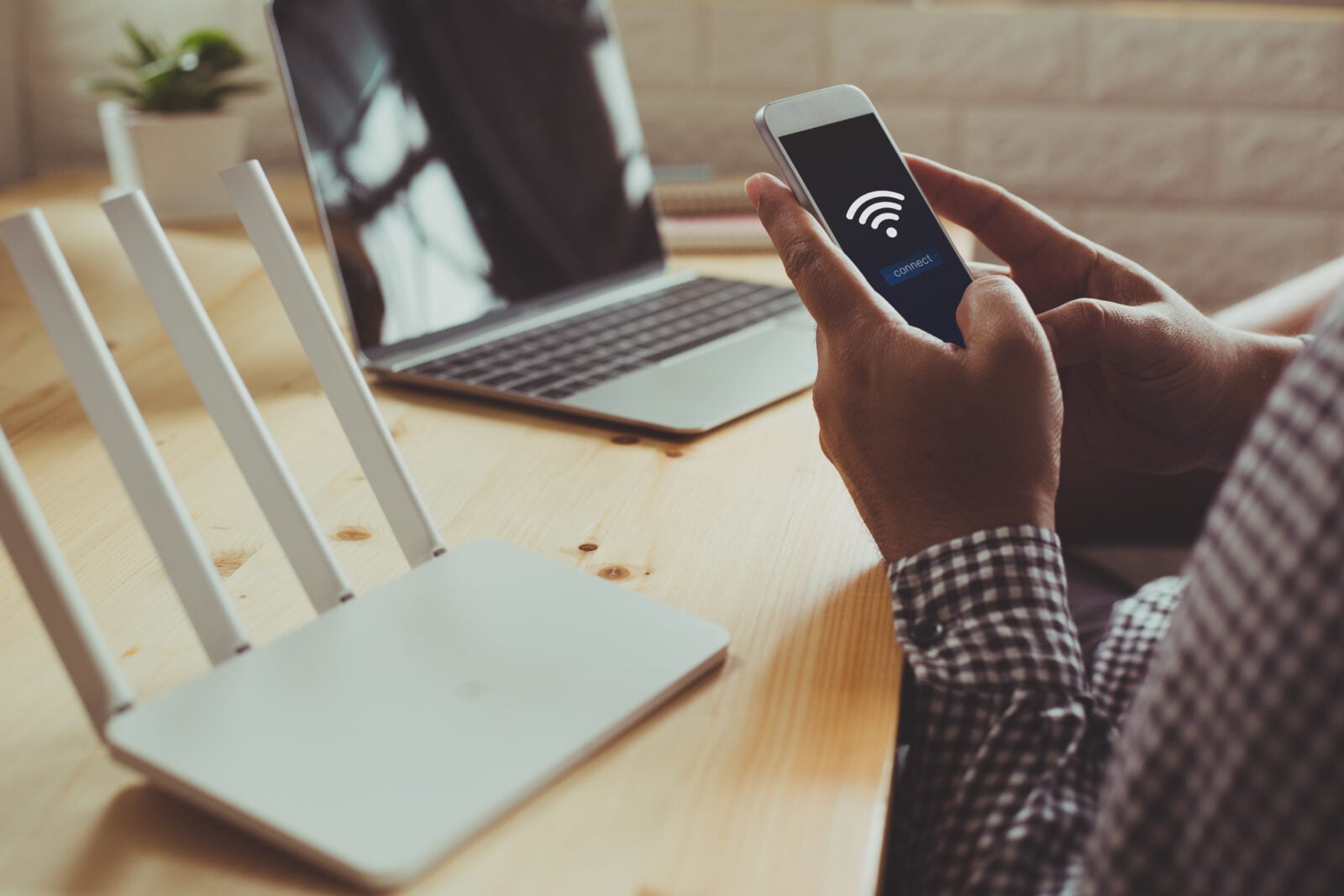
The internet started as a technical project that linked research computers, and it did not look glamorous at first. Early users needed patience, equipment, and enough tech confidence to survive slow connections. Then browsers, email, search engines, online shopping, and social media pulled ordinary people into the network.
Now it carries recipes, job applications, school portals, health searches, bank alerts, and group chats. The International Telecommunication Union says its updated figures put the 2024 online population at 5.8 billion people. That is a huge leap for something that once looked like a niche tool for labs. The internet turned distance into a minor inconvenience.
Personal computers moved into the home

Early computers filled rooms and needed trained operators, so a computer on a kitchen table sounded almost silly. Companies used them for heavy calculations, and most people saw no reason to own one. Then microchips got smaller, software became friendlier, and prices fell enough for families, students, writers, and small business owners to join in.
Personal computers helped people type resumes, run budgets, design flyers, play games, and build careers from home. Gartner reported that worldwide PC shipments totaled 62.8 million units in the first quarter of 2026. That figure shows that the desk machine still matters, even in the age of the phone.
Space travel left fiction behind
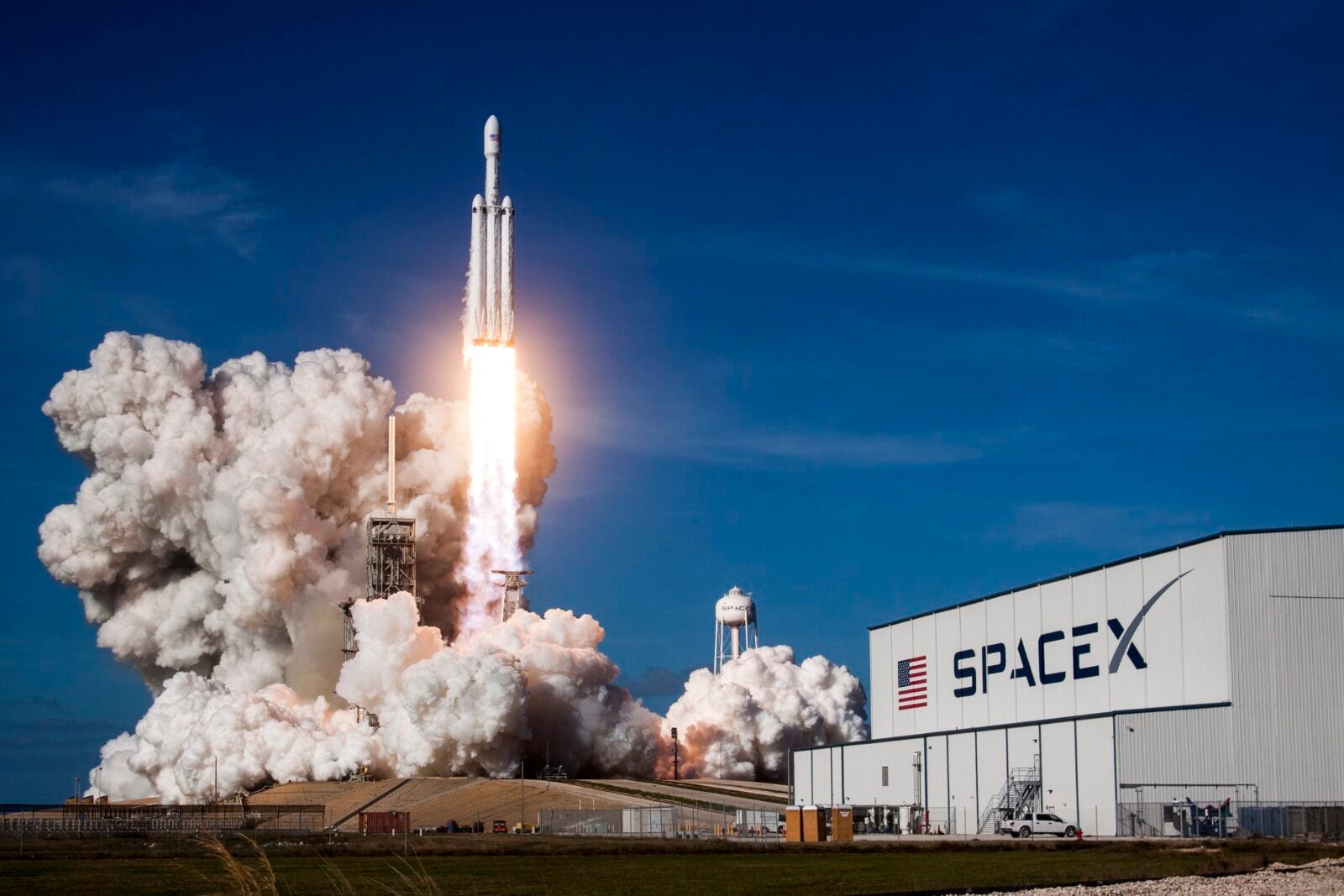
For generations, space travel belonged to myths, novels, comics, and movie screens. Rockets looked too dangerous, space looked too far, and the idea of people leaving Earth sounded outrageous.
Then satellites, crewed missions, and Moon landings changed the mood. NASA’s Artemis program keeps that story alive by sending astronauts back toward lunar exploration and future Mars goals.
NASA says Artemis II launched on April 1, 2026, and lasted more than nine days before splashdown. That mission gave today’s world another reminder that yesterday’s impossible can become tomorrow’s flight plan. Space travel still feels grand, but it no longer feels unreachable.
Vaccines changed family futures

Before vaccines, many families lived with constant fear of deadly infections. A simple shot that could train the body sounded strange to people who did not yet understand immunity. Early vaccine efforts drew suspicion, but the results changed public health. Smallpox disappeared from daily fear, polio lost much of its grip, and measles deaths dropped sharply where vaccination reached children.
The World Health Organization reported in 2024 that global immunization efforts saved at least 154 million lives over the past 50 years. That number carries real family meaning. Vaccines turned prevention into one of medicine’s boldest victories.
Automobiles took over the roads

The first automobiles looked noisy, fussy, and unreliable beside a horse. Early drivers needed money, patience, and courage because roads were better suited to carriages than to engines. Then factories improved production, prices dropped, and families began to see cars as machines of freedom. Cars changed dating, shopping, suburbs, road trips, school runs, and the daily commute.
The Federal Highway Administration’s 2025 long-term forecast projects that total U.S. vehicle miles traveled will grow at an average annual rate of 0.6% between 2023 and 2053. That forecast shows how strongly the car still anchors American movement. The horse lost the road faster than skeptics expected.
The radio filled the room

Radio sounded like wizardry at first. Voices, music, news, and drama seemed to float through empty air and land inside the home. People who trusted newspapers and town gossip did not always see the point. Then families gathered around radio sets for fireside chats, ball games, songs, serials, and breaking news. Radio gave people shared moments before television entered the living room.
Nielsen reported that radio accounted for 62% of daily ad-supported audio listening in the third quarter of 2025. That staying power proves the old magic still works. A voice through a speaker can still make a room feel less lonely.
Television brought stories home
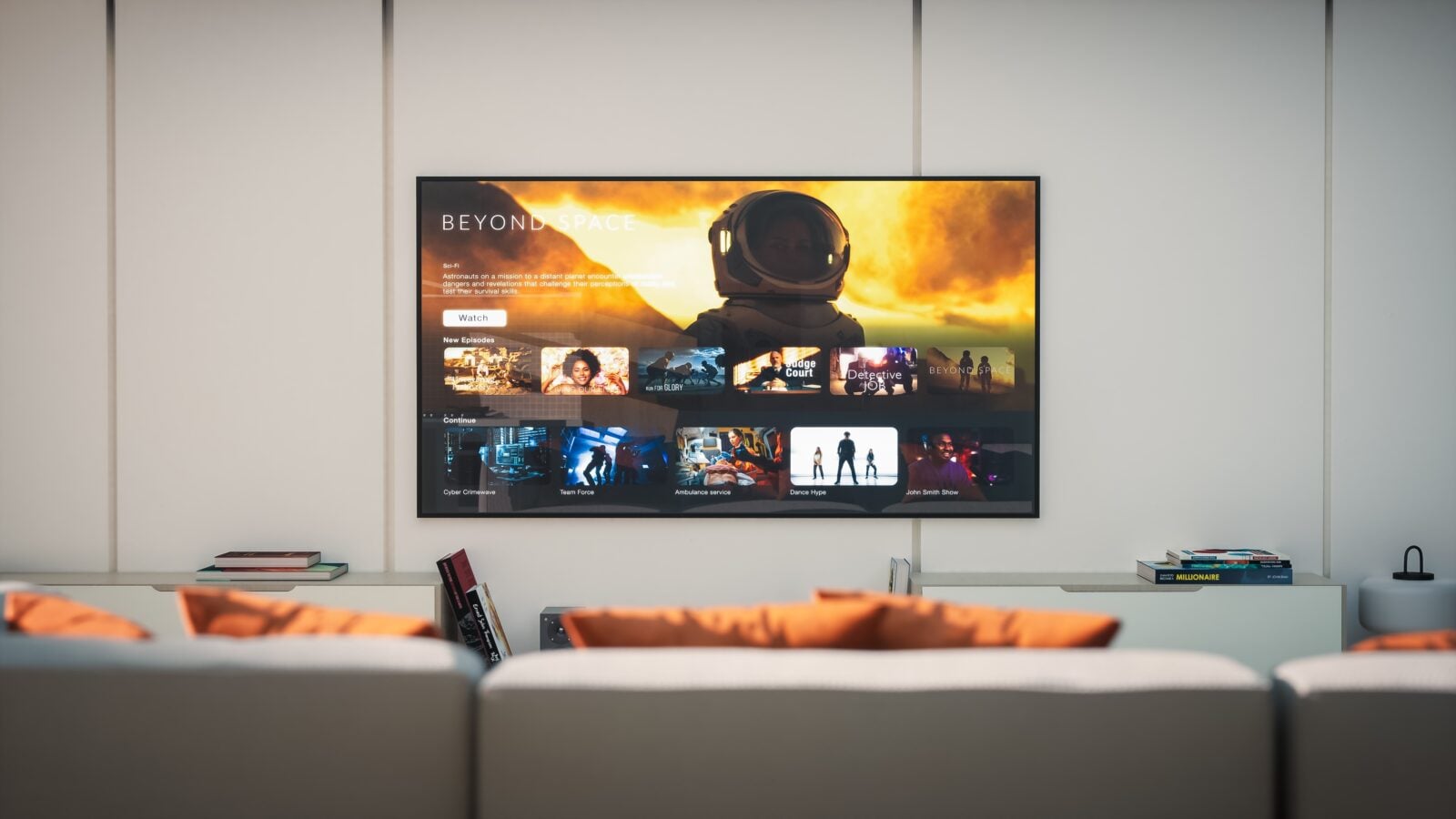
Television once looked like an expensive box with a shaky picture and a doubtful future. Many people treated it as a novelty, since radio already delivered news and entertainment. Then picture quality improved, networks grew, and families built evening routines around screens.
TV shaped fashion, politics, celebrity culture, advertising, and the way Americans discussed big events. Streaming has changed the delivery, but the old promise remains the same: moving stories come home.
Smartphones put life in pockets
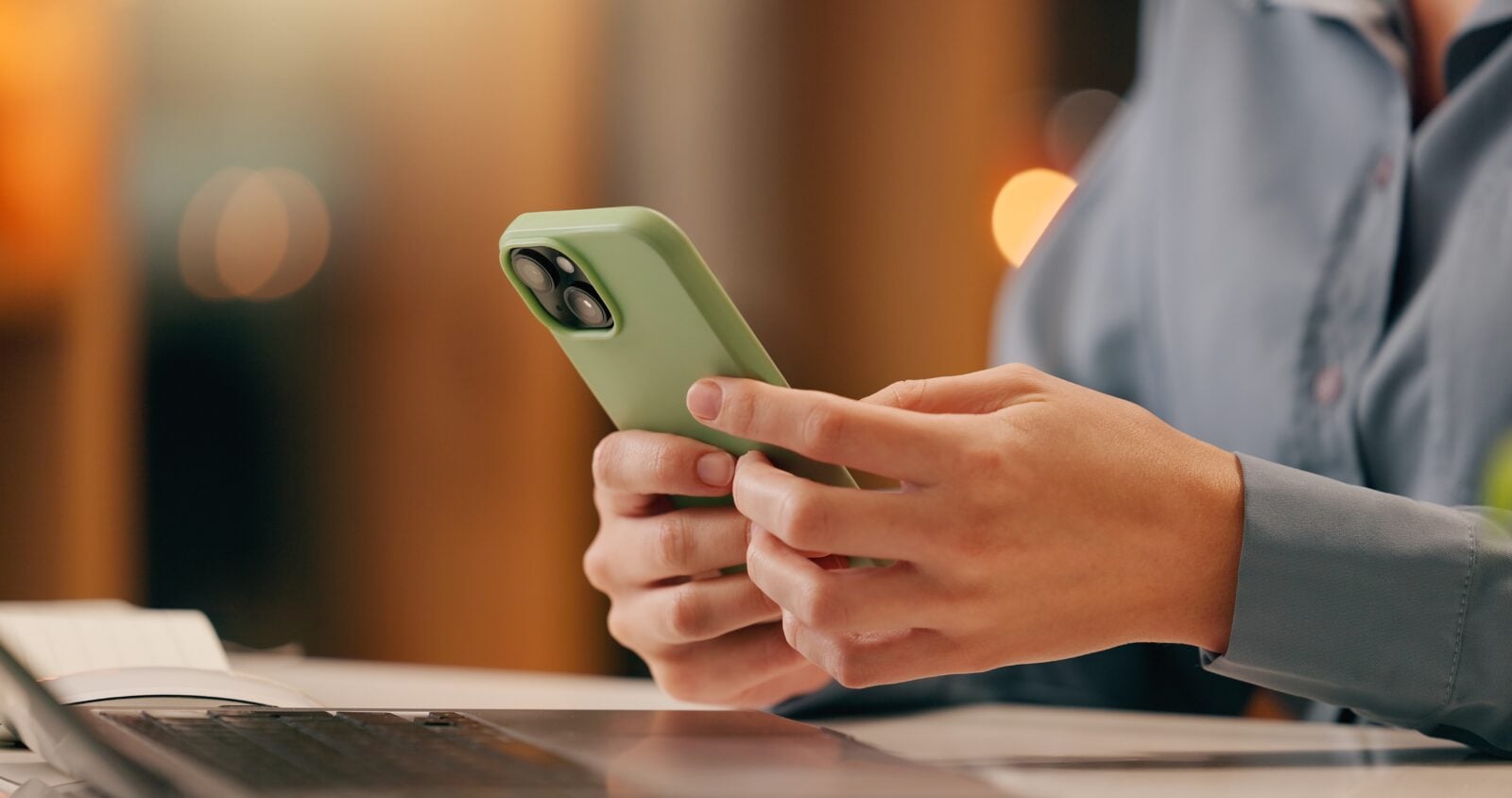
The smartphone would have sounded absurd to anyone who knew computers as room-sized machines. Early mobile phones handled calls, looked bulky, and did little else. Then touchscreens, apps, better cameras, and faster networks changed the device into a pocket command center. Now one phone can book a ride, check a bank balance, scan a boarding pass, track a workout, and host a family video call.
CTIA reports that U.S. wireless connections reached 579 million in 2024. That figure shows how deeply mobile devices now surround daily life. The smartphone turned convenience into something people carry everywhere.
Artificial intelligence learned new tricks
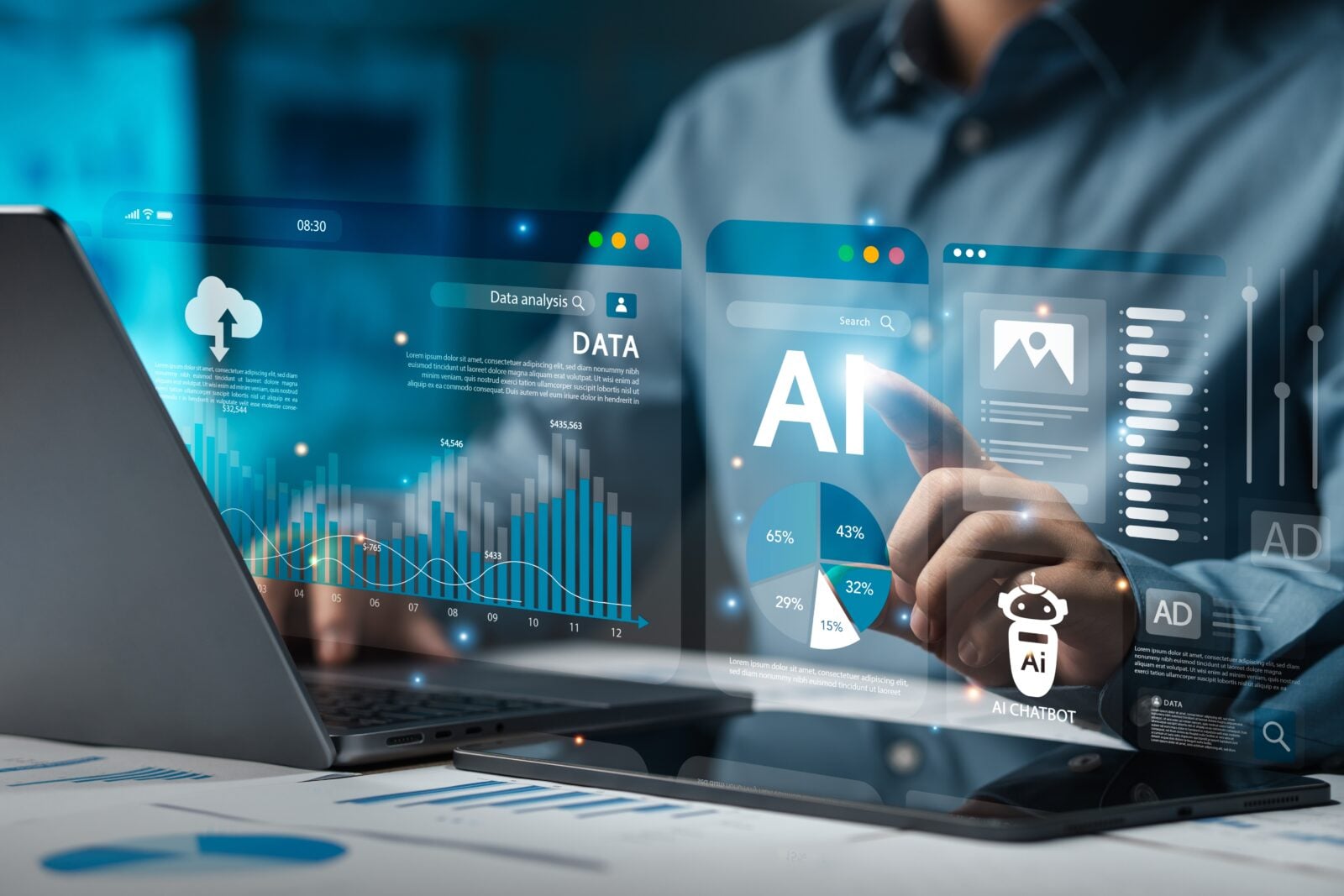
Artificial intelligence spent decades looking like a lab dream in a science-fiction wardrobe. Early systems followed narrow rules and broke easily outside familiar tasks. Then, machine learning, better chips, and huge datasets gave computers new pattern-recognition skills.
AI now helps translate text, flag fraud, recommend shows, organize photos, draft messages, and support medical image review. Pew Research Center reported in 2025 that 95% of U.S. adults had heard at least a little about artificial intelligence. That awareness shows how quickly AI moved from specialist circles into everyday conversation. The strange machine helper has become part of modern routines.
Key takeaway

The big pattern here is simple. People often laugh at inventions before they depend on them. Airplanes, telephones, light bulbs, the internet, personal computers, vaccines, cars, radio, television, smartphones, space travel, and AI all faced doubt before they changed daily life. Each invention gave people greater reach, time, safety, mobility, or control.
For many women juggling work, caregiving, money, health, and friendships, these tools now sit in the background of an ordinary day. The next impossible idea may already be sitting in a lab, a garage, or a messy notebook, waiting for someone stubborn enough to keep going.
Disclaimer – This list is solely the author’s opinion based on research and publicly available information. It is not intended to be professional advice.
Like our content? Be sure to follow us.