13 subtle signs your country could be sliding toward Authoritarianism
It’s easy to believe that everything feels normal while the scaffolding of democracy quietly shifts. Rules are tweaked, courts are packed, and elections still happen, but the substance of liberty erodes beneath the surface. Citizens wake up to a familiar world that, with each small change, begins to reward obedience over curiosity, fear over dissent, and conformity over accountability. Watching from the margins, it can feel like the rules are constant, but the game has changed.
This slow constriction is not abstract. Every institution, law, and policy shift lands in real lives: journalists silenced, civic spaces narrowed, minorities blamed, and ordinary people learning to question the meaning of fairness. Democracy becomes less a guarantee and more a fragile promise, one that requires attention, participation, and imagination to preserve.
Democracy Scores Are Falling
Globally, democracy indices are lighting up red. The Economist Intelligence Unit’s 2024 report puts the average global score at 5.17 out of 10, continuing a years-long downward spiral. Freedom House notes that only 20% of countries are fully free, and V-Dem estimates 70% of people now live under some form of autocracy. It’s a reminder that freedom is not static; liberties fade gradually, often unnoticed, until the safety net of checks, balances, and civic norms is dangerously thin.
Even when elections appear regular, participation declines, oversight weakens, and civil rights erode. These scores are more than numbers; they map the lived reality of citizens whose voices are increasingly muted, whose choices feel constrained, and whose trust in institutions erodes quietly, yet persistently.
Rules Are Rewritten to Fit Leaders

Authoritarianism rarely arrives in a coup. Instead, leaders bend constitutions, redraw districts, and tweak term limits under a veil of legality. Scholars call this “competitive authoritarianism”: elections still exist, but the deck is stacked. Independent courts, legislatures, and agencies are subtly hollowed out to serve incumbents, while plausible excuses keep citizens from realizing how deeply power is shifting.
This is the danger of gradualism. Policies that seem minor (restructuring courts, revising election rules) cumulatively reorient the machinery of government. By the time the pattern is clear, reversals become far harder, and the structures that were meant to check authority now enforce it.
Checks and Balances Are Hollowed

When oversight exists only in name, citizens feel it. Judges may be loyalists, agencies politicized, and legislatures passive. Freedom House reports that almost 85% of people now live where rule-of-law indicators are declining. Authority consolidates, accountability weakens, and ordinary checks that once kept abuses in line are eroded, leaving power to flow unchecked and grievances to accumulate in silence.
People begin to sense the shift in small ways: a court ruling ignored, a regulatory agency co-opted, or a legislature silent on abuses. It’s a subtle, yet profound reorientation of authority, signaling that the mechanisms meant to protect freedom are bending to power.
Independent Media and Critics Are Silenced
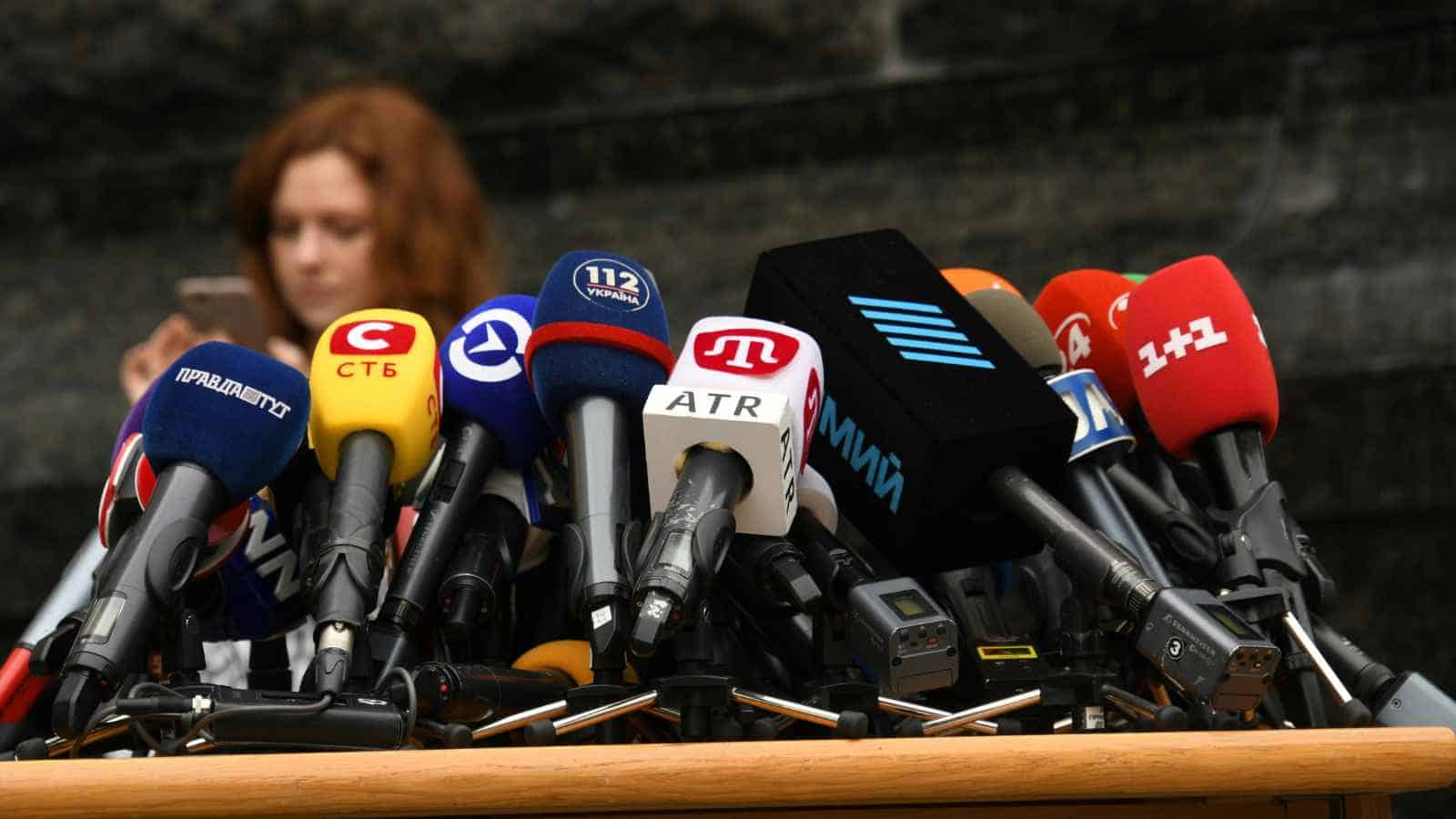
Journalists, activists, and NGOs face harassment, lawsuits, and smear campaigns rather than blanket bans. When critical voices are demonized, civic conversation suffers, and citizens learn to doubt information sources. Media capture and surveillance quietly rewrite the rules of discourse, leaving misinformation to thrive and dissenters vulnerable.
Trust itself becomes a battleground. Residents start second-guessing every headline and questioning motives behind every report. Once credibility is fractured, the space for honest debate and collective action narrows, and the line between truth and propaganda blurs.
Civil Liberties Shrink

Rights remain on paper, yet freedoms fade in practice. Protest, assembly, union activity, and NGO operations are increasingly restricted. Laws criminalizing dissent create a culture where civic engagement carries risk. V-Dem and USAID data show declines in social cohesion and civil society robustness, indicating that even when citizens can speak, their voices are weak and easily overridden.
The subtle loss of civil liberties reshapes daily life: gatherings feel monitored, activism feels dangerous, and ordinary participation becomes an act of courage. Communities begin to internalize constraints, learning to self-regulate in ways that enforce the emerging power structure.
Executive Power Expands

Power concentrates in the executive. Leaders extend emergency powers, restructure security forces, and bypass legislatures under plausible pretenses. Term limits are extended, agencies politicized, and decrees substitute for law. Scholars warn that this incremental consolidation gradually tilts the playing field, allowing one branch to dominate and decisions to escape meaningful oversight.
Residents may notice little at first; an executive order here, a regulation shift there, but cumulatively, autonomy erodes. Everyday governance becomes dependent on loyalty and alignment rather than law or precedent, subtly reshaping the citizen-state relationship.
Elections Happen—but Aren’t Fair

Even as ballots are cast, manipulation ensures predictable outcomes. Voter registration rules, gerrymandering, state media dominance, and selective exclusion of candidates are used to secure incumbents. Elections remain, yet the meaning of competition erodes. Citizens may vote, but the structural biases around them render their choice largely symbolic.
This façade of democracy can lull populations into a false sense of security. Superficial election regularity masks the deep inequities and strategic manipulations that make outcomes predictable and political alternatives effectively constrained.
Disinformation Shapes Beliefs
Authoritarians flood information spaces with propaganda and conspiracy. Digital surveillance, trolls, and state-aligned media manufacture doubt and distrust. Citizens struggle to distinguish facts from fiction, creating fertile ground for compliance. When shared reality fractures, public oversight diminishes, and power consolidates.
Repeated exposure to disinformation rewires perception: skepticism becomes default, cynicism spreads, and truth itself becomes negotiable. In this climate, ordinary people may accept extreme policies because the boundaries of credible information have been deliberately blurred.
Minorities Are Scapegoated

Scapegoating (blaming immigrants, minorities, or outsiders) bolsters authority and divides populations. Targeted repression justifies restrictions and rallies supporters. This “divide and rule” dynamic fosters fear while legitimizing institutional consolidation. Communities perceive external threats, often exaggerated, while systemic abuses go unchallenged.
For those marginalized, life becomes precarious: basic rights, protection, and social inclusion are jeopardized. Fear and suspicion seep into daily interactions, shaping behavior and reinforcing the authoritarian narrative at the interpersonal level.
Violence Is Normalized
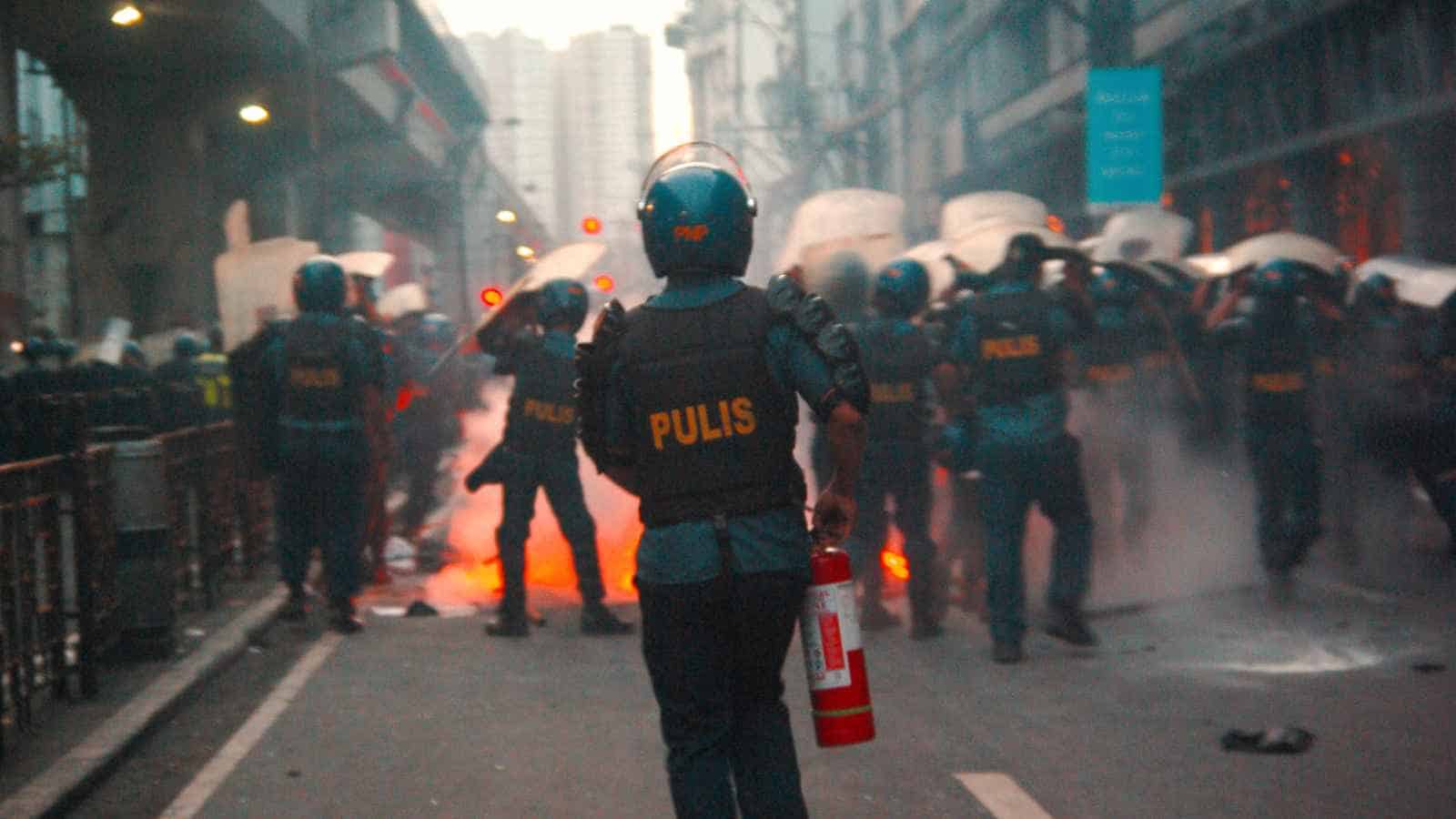
Threats, intimidation, and political violence become tools of governance. Leaders may incite loyalist groups while claiming plausible deniability, encouraging attacks on opposition, journalists, or judges. Gradually, violence is normalized, and citizens learn to anticipate harm if dissent occurs.
This quiet acceptance shifts culture: fear constrains speech, and aggression becomes a method of political calculation. Institutions meant to deter violence lose authority, leaving communities exposed and obedience incentivized.
Citizens Accept Authoritarian “Solutions”

When people prioritize order over freedom, support for authoritarian options grows. Surveys show roughly 31% of citizens in multiple countries favor unconstrained leadership. Nostalgia for strong rulers or distrust in opposition gives elites cover to further consolidate authority, reinforcing backsliding from the ground up.
Compliance becomes habitual. Citizens tolerate infringements because they believe it maintains stability. The subtle shift from participation to passive acceptance primes societies for deeper consolidation without overt coercion.
Decline Creeps, Then Accelerates
Authoritarianism rarely appears suddenly. It advances incrementally, weakening institutions over the years. A triggering crisis (pandemic, unrest, or economic shock) can accelerate consolidation, making prior slippage irreversible. Experts warn that the first signs are easy to dismiss, but cumulative erosion can be catastrophic once tipping points are reached.
For citizens, the lesson is vigilance: small changes accumulate into systemic vulnerability. Democracy can recover, but only if early warning signs are recognized and action is taken before the system reaches a critical threshold.
Civic Engagement Still Protects Democracy
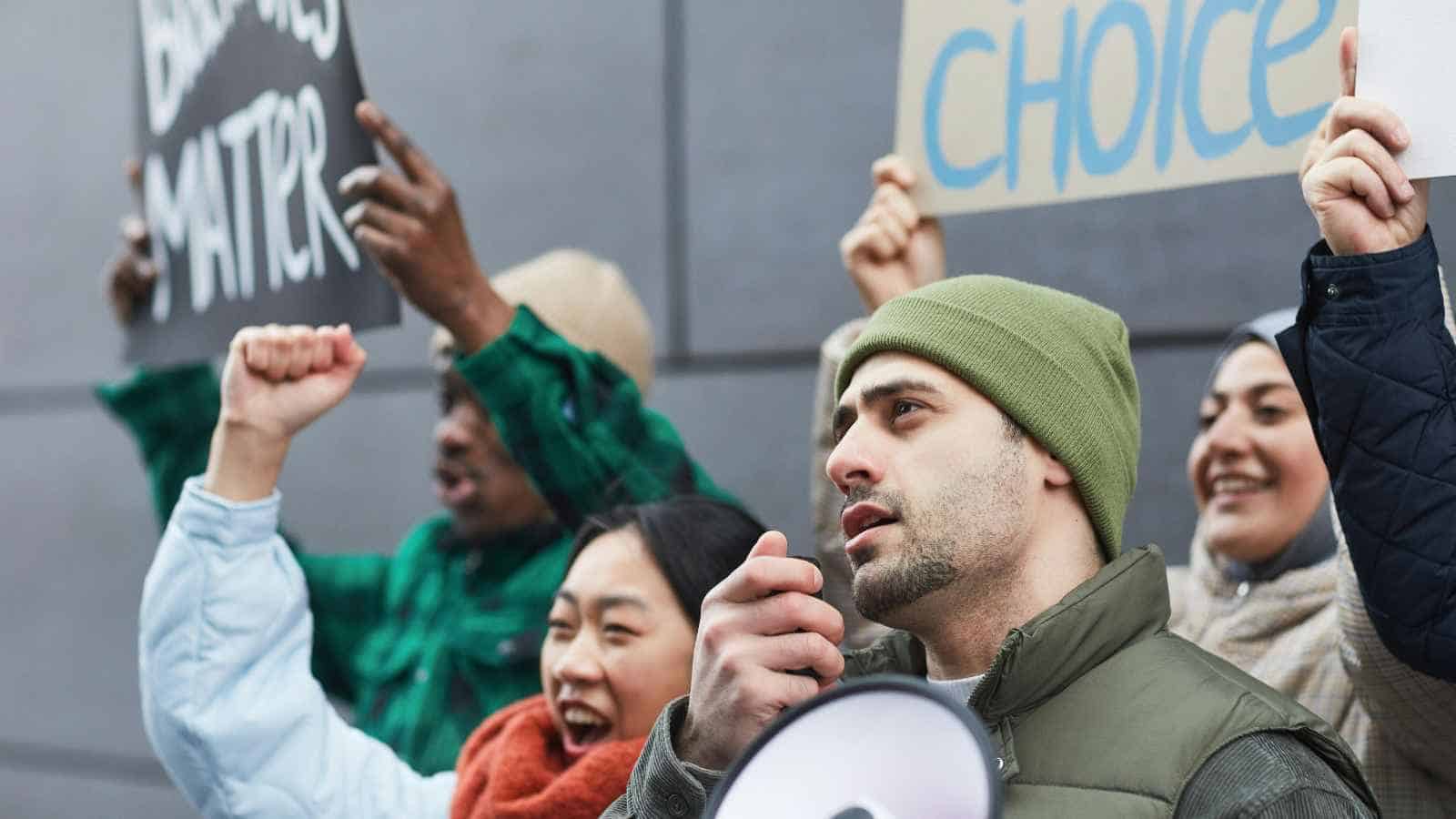
Despite backsliding, citizen action matters. Increased participation, activism, and coalition-building can halt or reverse erosion. Voters, journalists, and civil society organizations remain crucial in defending democratic norms. Engaged communities provide the counterbalance that prevents authoritarian consolidation from becoming inevitable.
Even amid creeping threats, human agency persists. Awareness, organization, and collective voice are essential tools for preserving freedom, proving that resistance is possible when citizens act together.
Disclaimer – This list is solely the author’s opinion based on research and publicly available information. It is not intended to be professional advice.
Like our content? Be sure to follow us