13 things boomers call luxuries that millennials now demand as essentials
The things your parents insisted were “nice extras” now feel like the bare minimum for getting through a normal week.
Generational divides often show up at the dinner table or during holiday gatherings. Older adults might fondly recall saving up for months just to buy a basic appliance. Younger folks today view those same household items as absolute necessities. The shift in perspective highlights a massive change in how different age groups define a decent standard of living.
Looking closely at daily habits reveals a fascinating cultural evolution across the United States. What was once considered a rare treat is now an expected part of the weekly routine. This changing tide causes plenty of friction when families discuss budgets and financial priorities. Understanding these differences helps bridge the gap between hardscrabble pasts and convenience-driven futures.
High Speed Internet Access

Dial-up connections and basic broadband used to be an expensive perk for tech enthusiasts. Today, functioning in society requires a lightning-fast connection just to pay bills or attend school. Without reliable Wi-Fi, keeping up with daily obligations is virtually impossible.
Older generations often remember waiting minutes just to load a single webpage. Millennials see lag times as a serious barrier to productivity and peace of mind. Fast internet is the invisible utility that keeps modern American households running smoothly.
Mental Health Therapy Sessions

Seeing a counselor was once a quiet luxury reserved for the wealthy or those in severe crisis. Times have changed, and proactive mental health care is now viewed just like going to the dentist. People recognize that keeping their minds sharp is essential for overall well-being.
A 2024 Forbes report 403 revealed that 45% of millennials feel burned out at work. Dealing with that level of stress makes professional guidance a baseline need rather than a splurge. Prioritizing mental fitness helps younger adults handle the heavy pressures of modern life.
Grocery Delivery Services

Having someone else pick out your tomatoes and drop them at your door used to scream extravagance. Now, young professionals view the saved time as infinitely more valuable than the delivery fee. Outsourcing errands allows busy adults to reclaim precious hours on the weekend.
A 2024 Drive Research study found that the usage of grocery delivery services increased by 56% compared to 2022. The convenience factor easily outweighs the slight markup on a carton of eggs. For many families, skipping the chaotic supermarket aisles is a definite sanity saver.
Specialty Coffee Drinks

Brewing a simple pot of black coffee at home was the standard morning ritual for decades. The rise of espresso machines and oat milk lattes shifted morning expectations entirely. A carefully crafted cup of coffee sets a positive tone for the entire day.
The National Coffee Association’s 2024 report revealed that 57% of American adults had a specialty coffee in the past week. Grabbing a cold brew is no longer a rare treat for a special occasion. It has become a daily fuel source that powers the modern American workforce.
Work From Home Flexibility

Clocking in from a home office used to be a rare privilege for top executives. The pandemic shattered that norm and proved that productivity does not require a cubicle. Employees now expect the freedom to manage their own schedules and environments.
According to a 2025 Gallup report, 35% of millennials prefer to work fully remotely. Leaving the daily commute behind gives workers more time for family and personal health. Flexibility is often valued just as highly as the actual salary on a job offer.
Gym Memberships And Fitness Classes
Jogging around the neighborhood was once the only workout most people needed or wanted. Fast forward to today, and boutique fitness studios dot nearly every commercial plaza in America. Staying active with professional equipment is now considered a fundamental health investment.
Younger adults view regular exercise routines as preventative medicine rather than a vanity project. Paying for a spin class or yoga studio access is built directly into their monthly budgets. Physical fitness is treated as a core pillar of a successful and balanced life.
Ride Sharing Apps

Calling a private car service was once an option exclusively for the elite. Smartphones democratized transportation by making a private ride available at the tap of a button. Having safe and immediate transit options provides peace of mind on late nights out.
Owning a car in a major city is increasingly viewed as an expensive and unnecessary headache. People would rather pay a monthly subscription for rides than deal with parking tickets and insurance. Instant transit acts as a vital lifeline for those traveling through busy urban centers.
Streaming Service Subscriptions
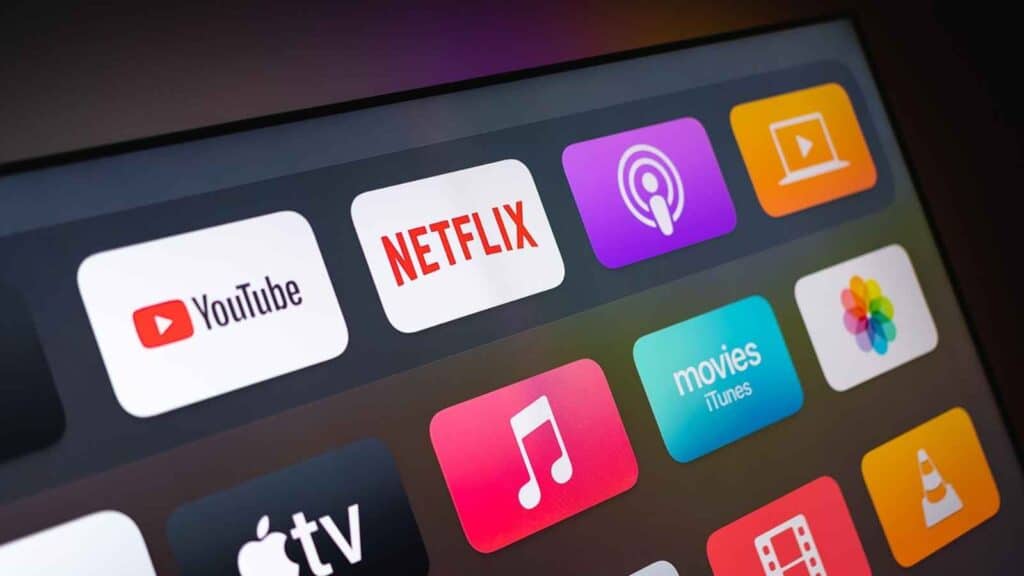
Paying for commercial-free television used to mean an expensive premium cable package. The digital age brought a massive library of entertainment right to the living room couch. Instant viewing allows people to watch exactly what they want on their own timeline.
A Trendency report noted that 67% of millennials maintain a Netflix subscription. Canceling traditional television service is the new normal for younger households. Access to endless movies and shows is the modern equivalent of a basic utility bill.
Organic And Diet Specific Foods

Buying specialized groceries like gluten-free pasta or organic berries used to be a niche habit. Today, reading ingredient labels and caring about food sourcing is standard practice. Consumers actively prioritize what they put into their bodies over saving a few pennies.
Supermarkets have adapted by dedicating massive aisles entirely to alternative diets and clean eating. Paying a premium for healthier options is seen as a direct investment in long-term health. Nutrient-dense food is considered a basic right rather than a fancy grocery store splurge.
Pet Health Insurance

Taking a dog to the vet for advanced medical treatments was once financially impossible for most. Animals are now treated as true family members who deserve the best care available. Monthly coverage plans keep unexpected veterinary bills from destroying a household budget.
The AVMA says the North American Pet Health Insurance Association reported that the number of insured pets in the United States surged to 6.4 million in 2024. Owners refuse to compromise on the medical needs of their furry companions. Protecting a pet with a solid insurance policy is simply responsible modern parenting.
Professional House Cleaning

Hiring a maid was historically a status symbol reserved for large estates and mansions. Busy dual-income households now realize that their free time is severely limited. Paying someone else to scrub floors buys back valuable hours for rest and recreation.
Scraping together time for deep cleaning often leads to unnecessary arguments and weekend stress. Delegating chores keeps the domestic peace and allows families to actually enjoy their days off. A clean home is a baseline requirement for mental clarity and a happy relationship.
Skincare And Self-Care Routines

Washing a face with a basic bar of soap was the standard bathroom routine for decades. The beauty industry has educated consumers on the importance of sunscreen and active ingredients. Protecting the skin barrier is now viewed as essential daily maintenance rather than vanity.
Younger adults dedicate a specific portion of their income to serums, moisturizers, and treatments. They view these products as necessary tools for aging gracefully and preventing future dermatological issues. A good skincare regimen is simply an extension of overall physical health care.
Travel And Vacation Time

Taking a cross-country trip was once a rare milestone event saved for a major anniversary. Millennials prioritize collecting experiences and seeing the globe while they are still young. Exploring new cultures provides an irreplaceable education that cannot be learned in a classroom.
Saving up for a house often takes a backseat to booking a flight or a weekend getaway. The concept of waiting until retirement to enjoy life feels completely outdated and risky. Regular vacations are necessary resets that prevent professional burnout and inspire personal growth.
Like our content? Be sure to follow us.