Why grocery shopping is making so many Americans completely dread payday
These days, payday doesn’t feel like relief for many Americans—it just feels like the moment the grocery bill finally catches up
Going to the local supermarket used to be a completely simple, mundane chore, but lately it feels like a high-stakes game where absolutely everyone is losing. Shoppers push their squeaky carts past towering displays of fresh produce and colorful pantry staples while silently calculating exactly how much of their hard-earned paycheck will vanish at the register.
The digital checkout screen lights up with absurd numbers that seem completely detached from any logical reality, leaving everyday people breathless, confused, and profoundly stressed. For millions of hardworking Americans, the remarkably simple act of buying daily food has somehow transformed into an agonizing, stressful ordeal that makes them dread payday before it even arrives on the calendar.
How Does this Affect Americans
One: Financial Strain From The Checkout Aisle
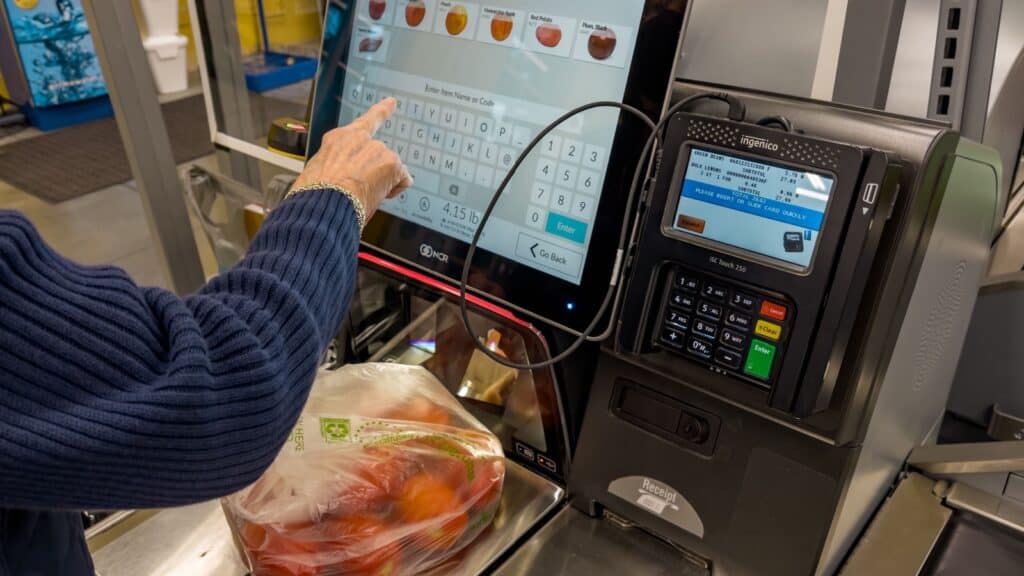
The simple act of filling a shopping cart now requires intense financial gymnastics that leave hard-working citizens feeling completely depleted by the time they slowly reach the parking lot, as every single item seems to cost a small fortune nowadays.
Families who previously coasted through the month comfortably without a second thought are now aggressively draining their emergency savings accounts just to cover the bare minimum required to keep their refrigerators moderately stocked with essential items.
Grocery Dive says a Kearney Consumer Stress Index reports that a staggering 85 percent of consumers report groceries as the category where they feel the greatest pinch from prices. Those freshly deposited paychecks literally vanish into thin air as soon as the cashier scans the final barcode, creating a relentless cycle of frustration that negatively colors every single aspect of household budgeting and long-term future planning.
People find themselves playing a dreadful game of financial tetris, constantly shifting money away from essential savings funds and necessary utility bills just to afford basic ingredients for a standard Sunday family dinner.
It feels entirely unjust and utterly ridiculous that responsible citizens working full-time jobs must sweat profusely and panic over the escalating price of a simple dozen eggs or a standard gallon of milk.
Two: Dietary Compromises At The Dinner Table
When household budgets tighten to a suffocating degree, the absolute first casualties are usually the vibrant, fresh vegetables, lean meats, and premium proteins that medical professionals always recommend for maintaining a healthy and balanced lifestyle.
Exhausted shoppers are reluctantly abandoning the colorful produce sections entirely in favor of the gloomy center aisles, where highly processed boxed meals offer a much cheaper, albeit significantly less nutritious, way to quickly fill hungry bellies.
A Food and Wine report revealed that 26 percent of respondents have resorted to buying unhealthy food for their families because it is all they can afford. This tragic and noticeable shift in daily consumption habits means that loving parents are essentially forced to prioritize sheer caloric volume over actual nutritional value, repeatedly serving up sodium-heavy pasta dishes instead of crisp, vitamin-packed salads.
The heartbreaking reality is that providing a wholesome, nourishing, and vitamin-rich meal has essentially transformed into an exclusive luxury that a massive portion of the population simply cannot finance on a normal middle-class salary.
Medical professionals loudly sound the alarm about the devastating long-term physical consequences of these forced dietary downgrades, but hungry children obviously cannot wait for the national economy to magically fix itself before dinnertime arrives.
Three: Emotional Stress During The Weekly Shop

The psychological toll of wandering through a brightly lit supermarket with a rigid smartphone calculator constantly in hand is absolutely devastating to the overall mental well-being of the average stressed consumer today.
Instead of actually enjoying the fun, creative process of selecting delicious ingredients for beloved family recipes, individuals routinely experience intense anxiety attacks while frantically comparing the minute cost per ounce of the most basic household commodities.
The grim, undeniable statistics perfectly illustrate this nationwide atmosphere of panic, as one-third of consumers anticipated spending significantly more on groceries in 2026 than they did the previous year, according to a comprehensive Grocery Dive.
Sometimes, the financial pressure becomes so absolutely unbearable that distressed people silently choose to simply stop eating rather than face the public humiliation of putting essential items back on the shelf at the busy cash register.
The intense, unspoken shame associated with sudden food insecurity weighs heavily on the tired shoulders of proud providers who genuinely feel like they are failing their dependents despite working incredibly hard every single day of the week.
This tragic and quiet desperation has led to over 25% of the American population admitting to occasionally skipping meals entirely due to the unrelenting rise in everyday grocery costs.
How Americans Are Managing It
1: Couponing And Apps To The Rescue
To fight back fiercely against these completely outrageous and completely unjustifiable price tags, everyday Americans have essentially turned their personal smartphones into powerful, indispensable weapons of mass discount hunting long before ever setting foot inside a physical retail store.
Gone are the nostalgic days of carefully clipping paper coupons from the thick Sunday newspaper; today, incredibly savvy shoppers spend countless hours endlessly scrolling through various complex store loyalty applications just to activate hidden digital savings.
Data from a recent Snipp report revealed that digital coupons profoundly influenced a massive 69 percent of all grocery sales in the first half of 2024, proving that hunting for digital discounts is absolutely the new survival norm.
Cashback applications and third-party rebate platforms have rapidly become absolutely essential survival tools for anyone desperately hoping to stretch their rapidly shrinking dollars just a tiny bit further each and every week.
Shoppers now willingly trade their personal purchasing data for a few measly cents back on every scanned receipt, slowly accumulating small victories that eventually add up to a free box of cereal or a desperately needed gallon of gas.
This exhausting digital scavenger hunt undoubtedly takes considerable time and mental energy, but it undeniably provides a completely necessary lifeline for struggling households drowning in a suffocating sea of uncontrollable inflation.
2: Switching To Store Brands For Savings

Fierce brand loyalty is rapidly becoming a quaint, entirely forgotten relic of the past as exhausted consumers quickly realize that a colorful, fancy logo does not justify paying double the price for virtually identical ingredients.
Generic products, once unfairly viewed as inferior alternatives meant only for extreme penny pinchers, are now the proud, undisputed stars of the modern American pantry and the crowded family refrigerator.
According to detailed data from the Private Label Manufacturers Association, private label grocery sales hit an astonishing record of 271 billion dollars in 2024, demonstrating a truly massive and permanent shift in consumer purchasing behavior.
Everyday people are frequently and delightfully surprised to discover that the generic toasted oats taste exactly the same as the heavily marketed name brand version, effectively leaving precious extra cash in their wallets for other pressing monthly bills.
Supermarkets across the country have clearly noticed this massive trend and are aggressively expanding their own in-house product lines to capture the full attention of value-conscious shoppers who firmly refuse to pay ridiculous premium prices.
The silly social stigma once attached to buying the cheaper store brand has completely vanished into thin air, entirely replaced by a collective sense of pride among incredibly frugal buyers who manage to successfully outsmart the rigged system.
3: Bulk Buying Strategies For Long-Term Relief
Instead of making quick, convenient trips to the local corner market every few days, numerous households are aggressively pivoting to massive warehouse clubs where they can purchase enormous, industrial quantities at a significantly lower per-unit cost.
The initial upfront financial investment required for a fifty-pound bag of rice or a giant crate of paper towels might sting initially, but it effectively protects families from guaranteed future retail price hikes.
Those fortunate enough to possess extra storage space are actively transforming their suburban garages into makeshift supermarkets, successfully hoarding nonperishable goods like modern doomsday preppers bracing for the next big economic shock.
This particular purchasing strategy requires careful, calculated planning and a decent amount of available upfront cash, making it a distinct privilege that unfortunately excludes the poorest families who are forced to live strictly from one fragile paycheck to the next.
However, resourceful friends and close neighbors are increasingly forming clever cooperative buying groups just to split these gigantic warehouse packages, guaranteeing that absolutely everyone gets a fair slice of the lucrative wholesale pie.
By intensely treating grocery shopping like a highly strategic military operation rather than a casual afternoon errand, consumers are fighting tooth and nail to rightfully reclaim some control over their uncertain financial destinies.
Like our content? Be sure to follow us.