14 American habits people abroad criticize openly
Traveling through the United States can feel like stepping into a familiar world that suddenly plays by bafflingly different rules.
Traveling to the United States feels like stepping onto a movie set where the volume is turned up, and the script is slightly confusing to outsiders. Visitors often marvel at the towering skyscrapers and expansive landscapes, but they usually find themselves baffled by the cultural quirks that locals take for granted. For a non-American, observing these habits is like watching a fascinating yet puzzling social experiment play out in real time.
While the American spirit is undeniably welcoming and enthusiastic, certain daily practices tend to spark debate in hostels and cafes across Europe and Asia. The rest of the world watches with a mix of amusement and confusion as Americans navigate huge portions, constant air conditioning, and a tipping culture that feels mandatory. It seems that what is standard procedure in the US often leaves international guests scratching their heads in disbelief.
Constant Smiling At Strangers

In many parts of the world, smiling at someone you do not know is considered suspicious or even a sign of foolishness. Americans, however, tend to flash smiles at passersby on the street, cashiers, and people in elevators as a standard social lubricant.
While this is intended to be friendly and disarming, it can come across as insincere or superficial to those from more reserved cultures. It forces a level of intimacy that some international guests find exhausting to maintain throughout the day. To a Russian or French tourist, this permanent optimism can feel forced and slightly robotic.
Tipping For Absolutely Everything

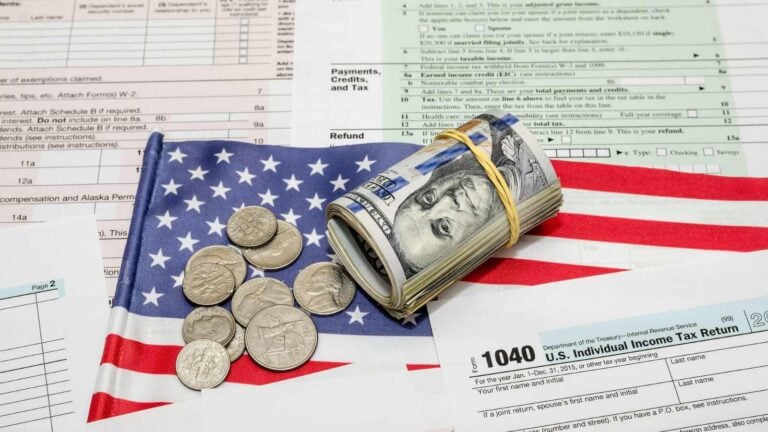
The concept of tipping is familiar to most travelers, but the American application of it feels like a high-stakes math test at the end of every meal. In many countries, a service charge is included, or a small tip is left, but in the US, customers are expected to pay staff wages directly. A Bankrate survey found that 63% of Americans now have a negative view of tipping, especially as prompts for gratuity appear at self-checkout kiosks.
Visitors often feel an immense pressure to calculate percentages correctly to avoid being seen as rude or stingy by their servers. It creates an awkward power dynamic in which the quality of service is tied directly to the customer’s generosity rather than to the employer’s responsibility. To an outsider, this system looks less like a reward for good service and more like a mandatory hidden tax.
The Volume Is Always Turned Up

Americans have a reputation for projecting their voices across rooms, restaurants, and public squares without a second thought. In cultures where speaking softly is a sign of politeness and respect, the booming laughter and loud conversations of American tourists stand out immediately. You can often hear a group of Americans long before you see them, which is a stark contrast to the hushed tones of a Tokyo subway.
This volume is not usually meant to be disruptive; rather, it reflects a cultural value placed on openness and confidence. It signals that the speaker has nothing to hide and wants to engage with their surroundings. However, for someone used to discrete interactions, this sonic dominance can feel overwhelming and borderline aggressive.
Excessive Air Conditioning

Stepping into an American store in the middle of July often requires a sweater because the temperature drop is so drastic. While the rest of the world uses cooling systems sparingly to save energy, the US tends to blast icy air as if it were trying to recreate the Arctic. According to the Energy Information Administration, nearly 90% of new single-family homes in the US are built with central air conditioning.
This reliance on air conditioning shocks visitors accustomed to opening windows or using fans during the summer months. It creates a bizarre reality where people are shivering indoors while a heatwave rages just on the other side of the glass. Critics abroad view this habit as largely wasteful and unnecessary, yet it remains a non-negotiable comfort for most American residents.
Pharmaceutical Commercials On TV
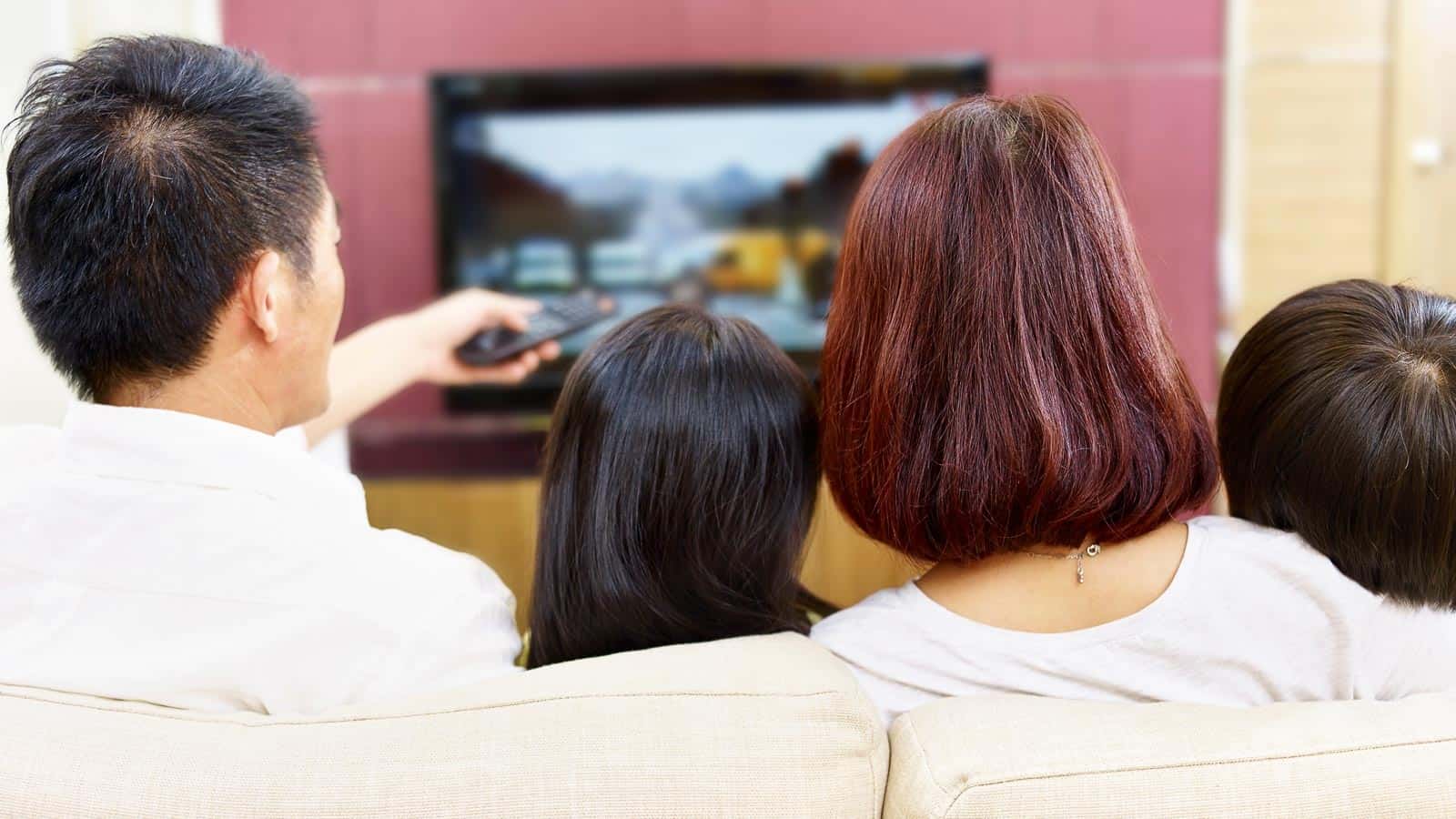
Turning on a television in a hotel room in the States introduces travelers to a parade of drug advertisements that list terrifying side effects over cheerful music. The United States and New Zealand are the only two countries in the world that allow direct-to-consumer advertising for prescription pharmaceuticals. Foreigners are baffled by the idea that patients should suggest specific medications to their doctors based on a thirty-second commercial.
These ads often show happy people running through fields while a narrator quietly mentions the risk of heart failure or depression. It turns medical treatment into a consumer product rather than a professional health decision made by experts. For an outsider, this commercialization of health care feels dystopian and deeply unsettling.
Driving Short Distances

The American reliance on automobiles is legendary, but it still surprises visitors to see locals driving to a shop only a five-minute walk away. Cities in the US are often built for cars rather than pedestrians, which makes walking feel unsafe or practically impossible in many suburbs. Data from the Department of Energy show that in 2021, 52% of all trips in the United States under three miles were taken by private vehicle.
This habit contributes to traffic congestion and to the lack of incidental exercise common in walkable European or Asian cities. It reinforces a sedentary lifestyle that many international observers find concerning and challenging to adapt to. The idea of getting into a two-ton machine to buy a carton of milk seems absurd to someone from a dense, walkable city.
Oversized Food Portions
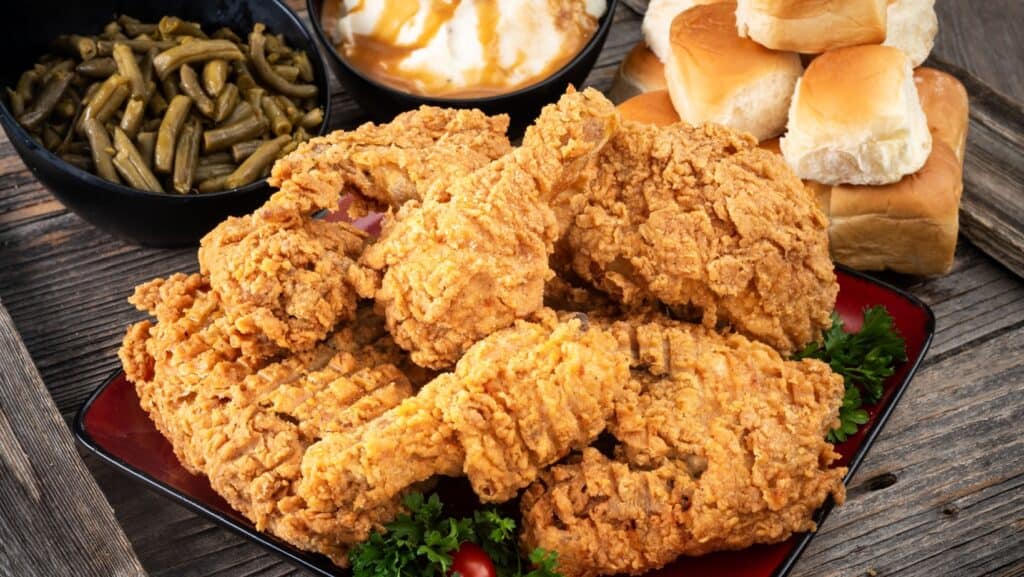
Ordering a meal in America is a gamble, with the prize often being enough food to feed a small family for a week. The sheer scale of the plates can be intimidating for tourists used to modest servings that prioritize quality over quantity. The NIH notes that restaurant portion sizes in the US have significantly increased over the last 20 years, distorting perceptions of what constitutes a regular meal.
This abundance leads to significant food waste, as finishing such massive plates is nearly impossible for the average person. It also explains the ubiquity of “doggy bags” or to-go boxes, which are a rare sight in many other parts of the world. Visitors often joke that an American appetizer is the same size as a European main course.
Asking “What Do You Do?” Immediately

Social introductions in the US almost always follow a specific script where one’s job title is the most crucial piece of information. In many other cultures, asking about work so early in a conversation is seen as tacky or an attempt to gauge someone’s financial status. Americans use this question to place a person socially, but it often reduces an individual’s identity to their economic output.
This habit suggests that a person is defined primarily by their career rather than their hobbies, family, or personal interests. It can make casual parties feel like networking events where everyone is subtly trying to climb a ladder. Outsiders often prefer to discuss travel, food, or philosophy before drilling down into the specifics of employment.
Sugar In Everything
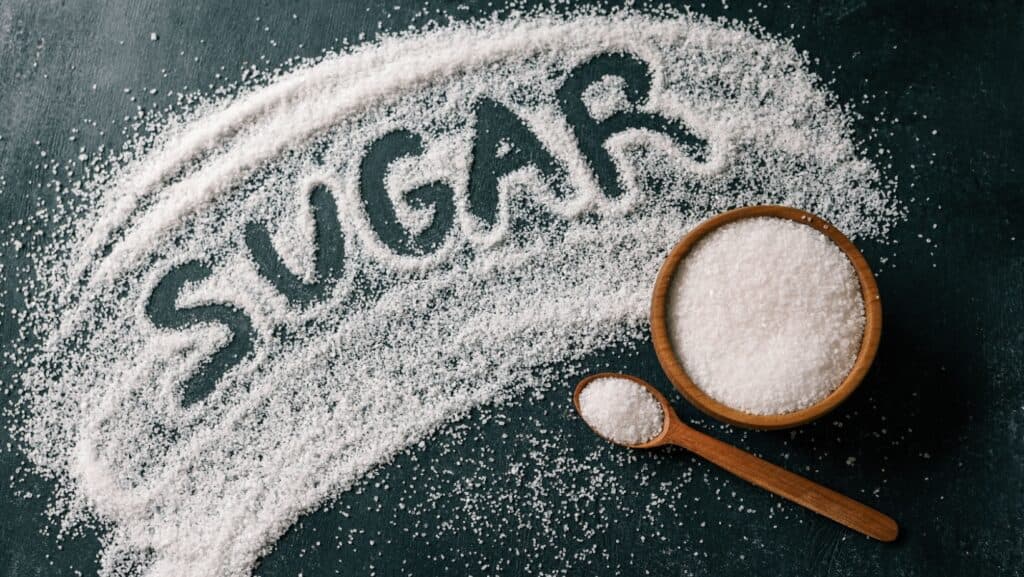
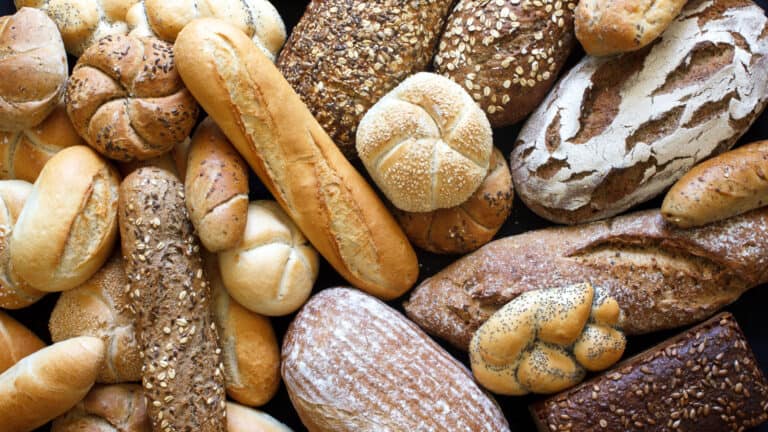
Travelers often complain that everyday items like bread, yogurt, and pasta sauce taste like dessert when purchased in American supermarkets. The high sugar content in processed foods is apparent to palates accustomed to savory flavors in their staples. In 2020, the Supreme Court of Ireland ruled that Subway’s bread contained so much sugar that it could not legally be defined as bread.
This hidden sweetness alters the taste of basic meals and contributes to the craving for even more sugar over time. It makes eating healthy while traveling in the US a genuine challenge for visitors who are not used to checking labels obsessively. Many tourists find themselves unable to finish a simple sandwich because the bun tastes closer to cake than a baguette.
Flags Everywhere

The level of patriotism on display in the US is unlike almost anywhere else, with the national flag flying from porches, car dealerships, and gas stations. In most other countries, flags are reserved for government buildings or international sporting events, not front lawns. A YouGov survey found that 51% of Americans own an American flag, highlighting the deep emotional connection locals have to the symbol.
For visitors, this constant visual reminder of national identity can feel intense and somewhat propagandistic. It blurs the line between civic pride and a kind of national branding that permeates every aspect of daily life. Seeing the stars and stripes on paper plates and napkins is a cultural shock for those who view national symbols with solemn reverence.
Ice Cold Water

If you ask for a glass of water in an American restaurant, you will likely receive a tumbler filled to the brim with ice and a splash of liquid. In many European and Asian countries, water is served at room temperature to aid digestion and avoid shocking the system. Americans view ice as a necessity for refreshment, whereas many outsiders see it as a way to dilute drinks and freeze their teeth.
The clinking of ice cubes is the soundtrack of American dining, but it often leaves tourists waiting for their drink to melt. It implies a focus on immediate sensory gratification rather than on the beverage’s flavor or health properties. Waiters rarely ask whether you want ice; they assume everyone prefers their drinks at near-freezing temperatures.
The Gap In Toilet Doors

Public restrooms in the US are a frequent source of anxiety for international visitors due to the wide gaps around the stall doors. In most of the world, a toilet stall provides complete visual privacy with floor-to-ceiling walls and doors that seal shut. The American design leaves large spaces that allow passersby to make awkward eye contact with the person inside.
This lack of privacy is baffling to outsiders who value discretion during such personal moments. It feels like a cost-cutting measure that sacrifices dignity for the sake of easier cleaning or security monitoring. Using a public bathroom in the US requires a level of exhibitionism that many travelers are not prepared for.
Sales Tax Surprise

Shopping in the US is a mental calculation game because the price on the tag rarely matches what you pay at the register. In most countries, the tax is included in the displayed price, so consumers know exactly what an item costs. This added charge at the checkout counter often catches tourists off guard, leaving them scrambling for extra change.
It creates a feeling of being slightly misled, even though it is just a difference in bureaucratic procedure. It also makes budgeting for souvenirs and meals more difficult since the final total is always a variable mystery. To a visitor, a price tag should be a promise, not an estimate subject to state and local laws.
15 Things Women Only Do With the Men They Love

The 15 Things Women Only Do With the Men They Love
Love is a complex, beautiful emotion that inspires profound behaviors. We express our love in various ways, some universal and others unique to each individual. Among these expressions, there are specific actions women often reserve for the men they deeply love.
This piece explores 15 unique gestures women make when they’re in love. From tiny, almost invisible actions to grand declarations, each tells a story of deep affection and unwavering commitment.