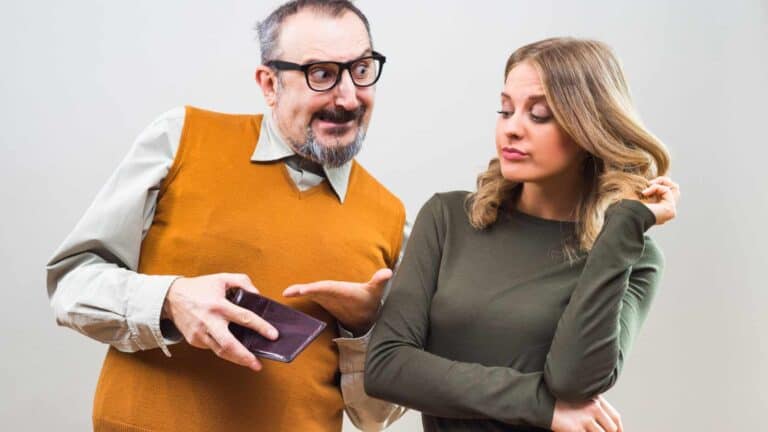
14 entitled actions we’re sick of seeing
We’re living in the golden age of “Main Character Energy,” and quite frankly, it’s exhausting. I walked into my local coffee shop yesterday and watched a guy hold up the entire line while he filmed a TikTok of his latte art. He didn’t even say thank you to the barista. Sadly, this behavior isn’t rare anymore. A recent YouGov poll found that 76% of Americans believe people are becoming ruder and less civilized. We see it everywhere, from grocery aisles to boarding gates, and it feels like basic etiquette is disappearing.
We need to talk about the specific behaviors that drive us all up the wall. These aren’t just minor annoyances; they are clear signs of entitlement that scream, “My time is more valuable than yours.” I pulled together the data and trends to back up why these actions are so universally despised. FYI, if you recognize yourself in this list, consider this a friendly intervention.
Treating Service Workers Like Punching Bags

Front‑line workers report on Buzzfeed being yelled at, insulted, or demeaned over minor issues, like store policies, sold‑out items, or small mistakes. Social‑media compilations are full of customers demanding special treatment, threatening staff, or mocking employees’ appearance and pay.
Organizational psychologists note that entitlement often shows up as “demanding special treatment” and “resistance to feedback and teamwork,” especially in high‑stress service environments. The result isn’t just hurt feelings; research links entitled behavior to higher burnout, more conflict, and worse performance across entire workplaces.
Expecting Rules to Apply to Everyone Else

NIH Research describes “psychological entitlement” as a stable trait where people believe they’re exempt from normal rules and deserve “automatic” privileges. This can manifest as cutting lines, ignoring policies they agreed to, or insisting that “this doesn’t apply to me” when called out.
Highly entitled employees are more likely to disregard norms, clash with supervisors, and feel mistreated whenever expectations are enforced. Over time, this erodes trust and makes everyone else’s life harder.
Weaponizing Social Media Over Minor Inconveniences

Platforms are full of people “exposing” a barista, server, or small business over mistakes that could have been resolved with a calm conversation. Case studies on EliteBusiness of brand backfires describe how both companies and customers spiral into public shaming, insults, and pile‑ons instead of problem‑solving.
Entitlement, coupled with online anonymity, creates a toxic mix: people feel justified in escalating minor grievances into mass outrage because they believe they’re owed flawless service and emotional validation.
“The Customer Is Always Right,” Even When They’re Clearly Wrong

Retail and restaurant workers describe customers who demand refunds after finishing the meal, insist on free items because they “deserve it,” or accuse staff of incompetence when policies don’t bend.
Service‑sector research notes that entitled customers expect extra rewards “regardless of effort or merit,” and react with anger or threats when they don’t get them. That “I pay your salary” mindset turns a normal transaction into a power play.
Using “I’m Just Being Honest” as a Free Pass for Cruelty

Psychologists point out that entitlement often comes with cognitive distortions: people convince themselves they’re simply “telling it like it is,” even when their words are hurtful or unnecessary.
Healthy assertiveness is about expressing needs respectfully; entitlement is about prioritizing your feelings over everyone else’s dignity. When “honesty” is only ever used to punch down, it’s not candor, it’s self‑centeredness in disguise.
Expecting Instant Replies and Getting Angry When They Don’t Come

Digital culture has normalized rapid responses, but entitlement takes it further: assuming people must always be available, then reacting with irritation or guilt‑tripping when they’re not.
WebMD describes an entitlement cycle: high expectations lead to disappointment, which triggers anger and a sense of being “cheated,” reinforcing the belief that the world owes you more. Applying that cycle to texts and DMs turns normal delays into imagined disrespect.
Treating Other People’s Time as Free

Entitled people often “book” unpaid emotional labor or expertise, asking for repeated favors, advice, or last‑minute help without offering anything back or acknowledging the cost.
Entitlement has been linked to lower accountability and higher conflict, with entitled employees more likely to expect special accommodations and less likely to reciprocate support. Over time, friends and colleagues quietly burn out on always being volunteered for someone else’s emergencies.
Acting Like Basic Consideration Is Optional

Entitlement is fundamentally a lack of reciprocity: expecting special consideration without giving it in return. In everyday life, that looks like:
- Blasting music in shared spaces
- Letting messes or trash be “someone else’s problem.”
- Ignoring agreed‑upon norms (quiet hours, shared chores, RSVPs)
When enough people behave this way, environments become stressful and distrustful, even if no single action appears dramatic in itself.
Leveraging Identity or Status to Excuse Bad Behavior

Researchers on entitlement and status-seeking found that some individuals use their role, success, or identity to justify bending rules or mistreating others. This can mean supervisors who belittle staff, “VIP” customers who expect line‑cutting, or influencers who assume free products without providing value.
Status‑driven entitlement is linked to more aggressive tactics and “promotion of one’s own advancement at others’ expense.” People are increasingly vocal about refusing to tolerate this dynamic.
Exploding in Rage Over Minor Frustrations

As entitlement grows, so does anger. Psychology Today notes that “the more rights we perceive ourselves to have, the more anger we need to defend them,” creating a culture where tiny inconveniences prompt disproportionate fury.
This shows up as road‑rage style reactions in stores, comment sections, or customer‑service lines: people feeling “personally wronged” by traffic, policies, or honest mistakes, then lashing out as if they’ve been fundamentally violated.
Parentifying Kids Into Their Personal Audience

Pepperdine University warns that some parents slide into treating their children as emotional support systems or mini‑therapists, expecting them to absorb adult problems, take sides, or manage household moods.
Experts frame this as a form of entitlement: assuming kids exist to meet adult emotional needs, not the other way around. It burdens children with anxiety and guilt, and it’s one of the “quiet” entitled behaviors people often only recognize in hindsight.
Raising Kids to Believe the World Owes Them

Pepperdine’s education and psychology researchers define childhood entitlement as teaching kids they “deserve something even though they haven’t earned it,” then shielding them from consequences or frustration.
Highly entitled young adults report more dissatisfaction, more conflict, and more burnout later on. Parents and teachers are increasingly pushing back, emphasizing responsibility, gratitude, and shared rules instead of “you’re special, so you’re exempt.”
Expecting Relationships Without Effort or Reciprocity

Entitlement extends to dating and friendships as well: people who believe they’re owed attention, loyalty, or forgiveness regardless of how little they invest. This “exaggerated sense of deservingness” fuels conflicts and break‑ups, especially when one person repeatedly demands more care than they offer.
Psychologists stress that healthy bonds are built on mutual respect and responsibility, not one person acting like a perpetual customer and the other like lifetime support staff.
Why Entitled Behavior Feels So Exhausting

Across studies, entitlement is linked with more conflict, lower satisfaction, and higher burnout for the entitled person and everyone around them. It’s essentially a refusal to see other people as fully human, with their own limits, needs, and rights.
Experts suggest simple countermeasures: clear boundaries, consistent consequences, and cultures that reward cooperation and empathy rather than pure status‑seeking. Because the more we collectively push back on these entitled actions, the less normal and less tolerable they become.
Disclosure line: This article was developed with the assistance of AI and was subsequently reviewed, revised, and approved by our editorial team.
20 Odd American Traditions That Confuse the Rest of the World
20 Odd American Traditions That Confuse the Rest of the World
It’s no surprise that cultures worldwide have their own unique customs and traditions, but some of America’s most beloved habits can seem downright strange to outsiders.
Many American traditions may seem odd or even bizarre to people from other countries. Here are twenty of the strangest American traditions that confuse the rest of the world.
20 of the Worst American Tourist Attractions, Ranked in Order

20 of the Worst American Tourist Attractions, Ranked in Order
If you’ve found yourself here, it’s likely because you’re on a noble quest for the worst of the worst—the crème de la crème of the most underwhelming and downright disappointing tourist traps America offers. Maybe you’re looking to avoid common pitfalls, or perhaps just a connoisseur of the hilariously bad.
Whatever the reason, here is a list that’s sure to entertain, if not educate. Hold onto the hats and explore the ranking, in sequential order, of the 20 worst American tourist attractions.