14 things Americans did in the ‘40s that would never fly now
From smoking at your desk to raising kids without car seats, everyday habits Americans embraced in the 40s now clash with modern rules, norms, and laws.
The 1940s were a time of grit and resilience, but looking back, our modern lifestyle feels worlds apart from that era. It is wild to recall how casual folks were with their health, living without the safety nets we now expect.
Reflecting on these changes helps us value the progress in our financial habits and the food we eat today. Here is a look at the lifestyle choices from the 40s that would shock the average person now.
Smoking Everywhere Without a Second Thought
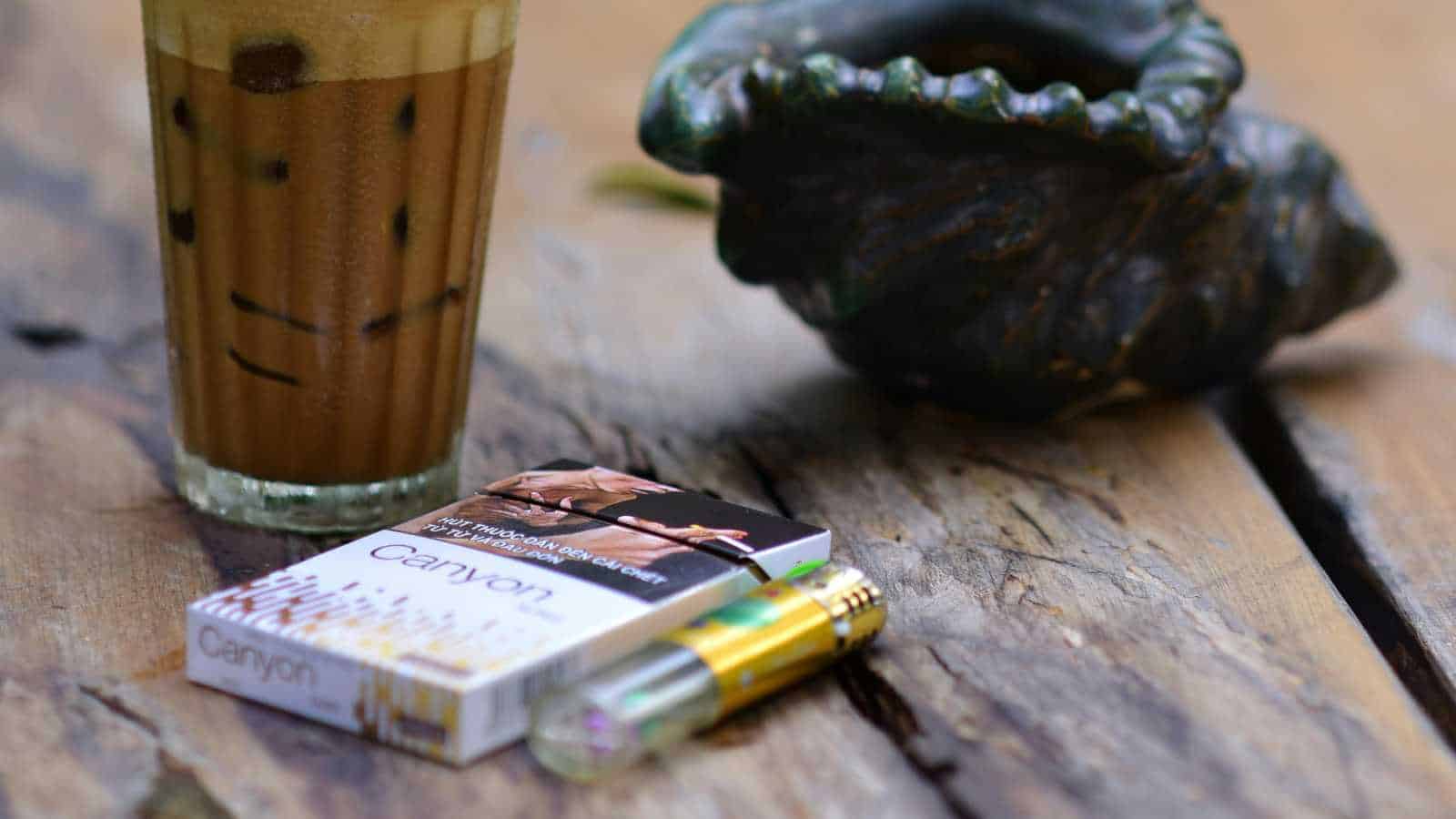
Lighting up a cigarette was as common as eating breakfast, with people puffing away in hospitals and offices. Back then, the concept of a ‘smoke-free’ zone was virtually unheard of, and you could even light up in movie theatres or on commercial flights.
Today, strict laws and a better understanding of health risks have pushed smoking out of public spaces entirely.
Cooking With Heavy Fats

For every meal, back then, a popular breakfast recipe likely started with lard, as animal fats were the backbone of nearly every dish.
The modern diet has shifted dramatically toward leaner options, but in the 40s, flavour and calories were the main goals. We now know that heart health depends on limiting fat intake, making this old recipe style rare.
Riding Without Seat Belts or Safety Gear.
Hop into a car from the 40s, and you will notice a glaring absence of seat belts or even padded dashboards. According to the National Safety Council, the traffic death rate in 1937 was 30.8 per 100,000 people, which is 56% higher than it is today.
We now prioritise safety in every car trip, but back then, it was just you and the road.
Hitchhiking Across The Country

Standing on the roadside was a standard way to manage travel for soldiers and civilians alike. Historian Jack Reid notes that these spontaneous encounters nurtured a sense of genuine human interaction,” creating fleeting relationships.
Modern safety concerns have made this travel method nearly extinct, inspiring caution rather than adventure.
Sunbathing With Baby Oil And Foil

Before we knew about UV damage, a day at the beach meant slathering on baby oil to bake the skin dark. People used reflective surfaces to amplify the sun’s rays, unaware of the impact on their beauty and long-term well-being.
Today, we pack sunscreen for every beach trip to protect our skin and maintain our beauty.
Strict Rationing Of Groceries

During the war, buying food required a ration book, which limited how much sugar, meat, and coffee you could purchase. This strict budget for goods meant families had to be creative to keep their grocery pantries stocked with staples. It is hard to imagine walking into a grocery store now and being told you cannot buy a simple diet item.
Children Roaming The Neighbourhoods Unsupervised

Kids in the 40s lived a free-range lifestyle, often leaving the house and not returning until the streetlights came on. Parents did not worry about supervision, trusting their relationships with neighbours to keep an eye on things.
Today, that level of freedom is rare, as we tend to keep a closer watch on our lifestyle.
Pets Running Loose Without Leashes

The family pet was often treated like a resident, roaming the streets freely without a leash or fence. It was common to see a dog wandering through town, a sight that would cause panic for any pet owner today.
We now prioritise pet safety with microchips and leashes to ensure our furry friends don’t get lost.
Living On A Single Income

In the 1940s, it was common for a family to get by on one salary, managing their money with relative ease. The 1940 Census data show that the median home value was just $2,938, making homeownership accessible for a single earner.
Today, the high cost of living often requires two incomes to manage family finances and budgets.
Dressing Up For Every Occasion

You would never catch a 40s crowd at the store in sweatpants; everyone dressed to impress. This attention to beauty and style was a sign of respect and inspired vintage fashion lovers.
Our modern casual dress code is comfortable, but it lacks the polish that once inspired us daily.
Sharing A Party Line Telephone
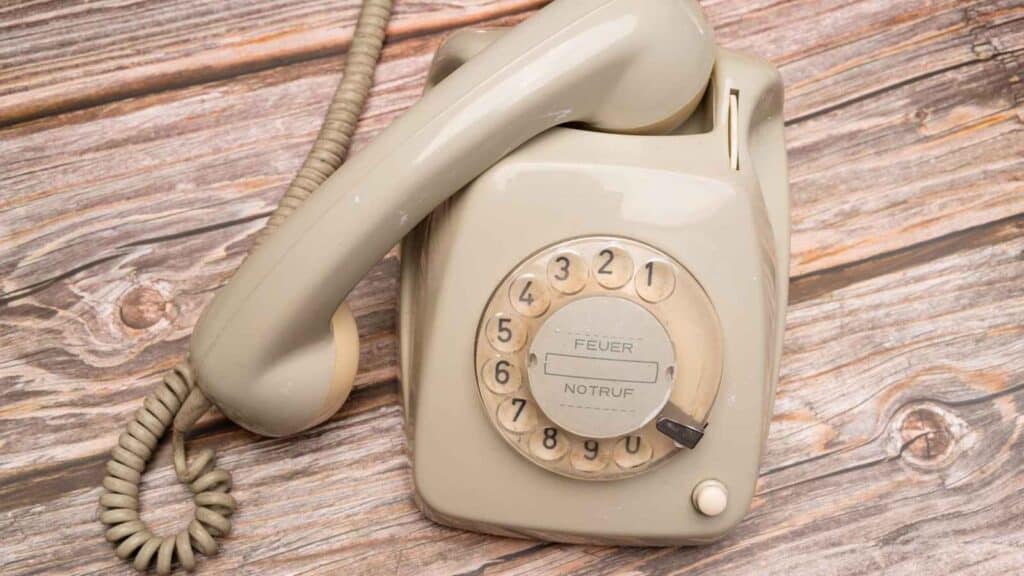
Privacy was a luxury, as many households shared a “party line” telephone meant privacy was non-existent; every personal conversation, including discussions about family finances, risked being overheard by neighbours.
Today’s private smartphones offer a huge privacy upgrade, yet we may have become less cautious about the security of our sensitive financial details online. This new risk is highlighted by the fact that the average data breach cost in 2024 reached $4.88 million globally, showing that digital security is the modern cost of privacy.
Duck And Cover Drills In Schools
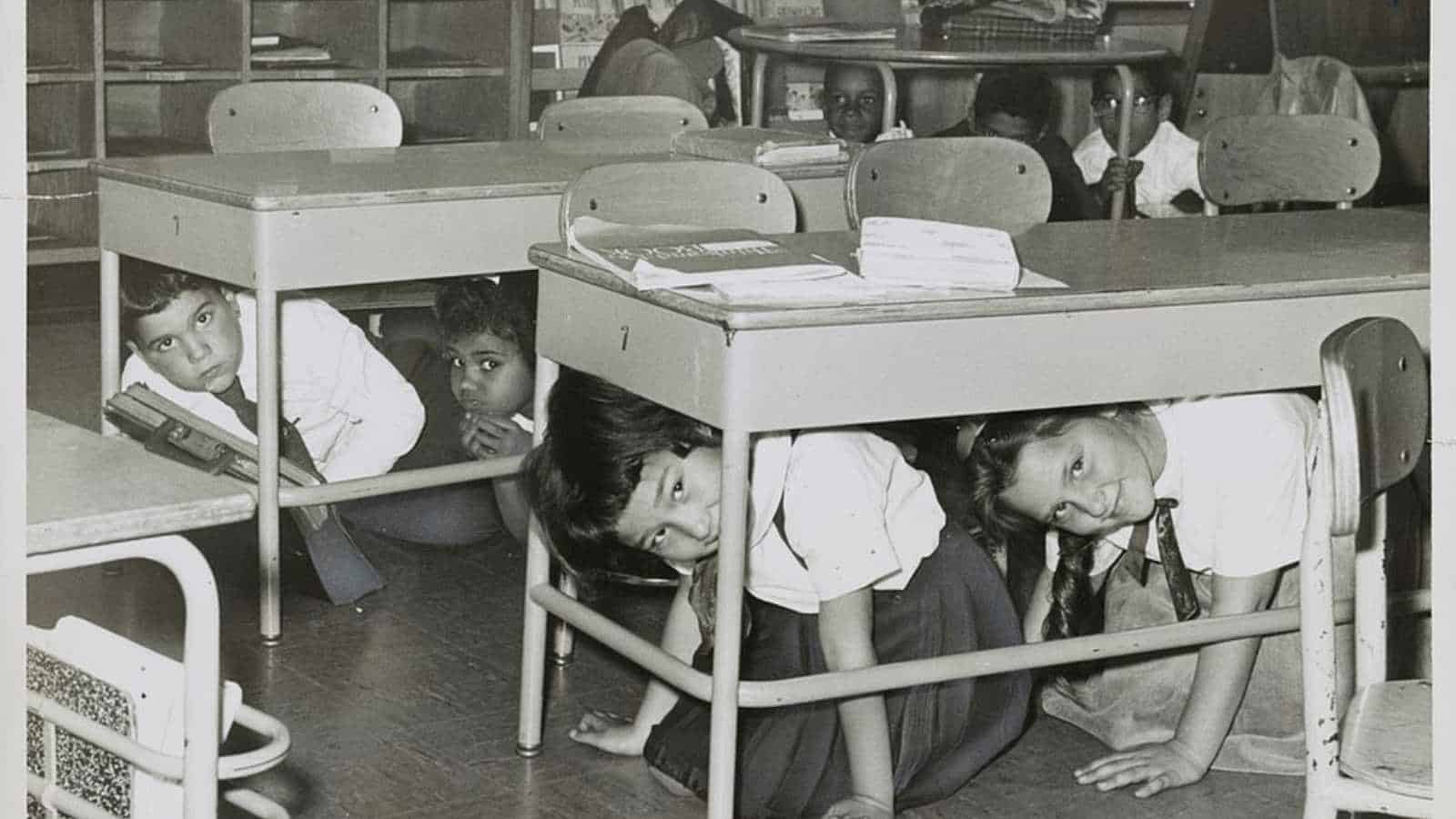
School children were regularly drilled to “duck and cover” under their desks in case of a nuclear attack. It was a terrifying reality that became routine for an entire generation. We fortunately don’t have this specific fear in our daily safety inspiration, though we have other drills.
Cooking Massive Holiday Feasts From Scratch

A Thanksgiving dinner in the 40s was a labor of love that required days of preparation, with no shortcuts. In 1947, if you spent $20, you would need to have $236.48 today to buy the same amount of food, illustrating how affordable food used to be.
Today, we might skip breakfast to make room for a Thanksgiving recipe that’s convenient.
Using Cash For Everything

That early dependence on cash and layaway created a mandatory discipline, ensuring people only spent funds they had strictly allocated. However, the ease of modern financial tools has eroded this habit, leading to a massive increase in borrowing.
This shift is starkly illustrated by the fact that the total U.S. credit card debt has reached an all-time high of $1.23 trillion as of the third quarter of 2025.
Key Takeaway
The 1940s were a paradox of hardship and simplicity. While we have traded low-cost living and open community trust for high-tech safety and strict regulations, the era serves as a powerful reminder of human resilience.
Looking back allows us to appreciate modern medical and safety advancements, while perhaps questioning if we have lost the art of connection and financial discipline along the way.
Disclosure: This article was developed with the assistance of AI and was subsequently reviewed, revised, and approved by our editorial team.
20 Odd American Traditions That Confuse the Rest of the World
20 Odd American Traditions That Confuse the Rest of the World
It’s no surprise that cultures worldwide have their own unique customs and traditions, but some of America’s most beloved habits can seem downright strange to outsiders.
Many American traditions may seem odd or even bizarre to people from other countries. Here are twenty of the strangest American traditions that confuse the rest of the world.
20 of the Worst American Tourist Attractions, Ranked in Order

20 of the Worst American Tourist Attractions, Ranked in Order
If you’ve found yourself here, it’s likely because you’re on a noble quest for the worst of the worst—the crème de la crème of the most underwhelming and downright disappointing tourist traps America offers. Maybe you’re looking to avoid common pitfalls, or perhaps just a connoisseur of the hilariously bad.
Whatever the reason, here is a list that’s sure to entertain, if not educate. Hold onto the hats and explore the ranking, in sequential order, of the 20 worst American tourist attractions.