15 anti-inflammatory foods you should eat every day
Inflammation doesn’t arrive loudly; it builds slowly, shaped meal by meal, long before the body demands attention.
Inflammation can feel like an uninvited guest that refuses to leave your party, causing aches and fatigue that drag you down. We often turn to medicine cabinets for relief, but the grocery store aisle might hold the real key to feeling like your best self again. Making simple changes to what you put on your plate can have a massive impact on how you feel every single day.
You do not need to overhaul your entire life overnight to see results, as small steps often lead to the biggest leaps in health. Adding just a few of these powerful ingredients to your meals can help cool down the fire inside your body. These fifteen foods are packed with flavor and science-backed benefits that make healthy eating feel less like a chore.
Blueberries
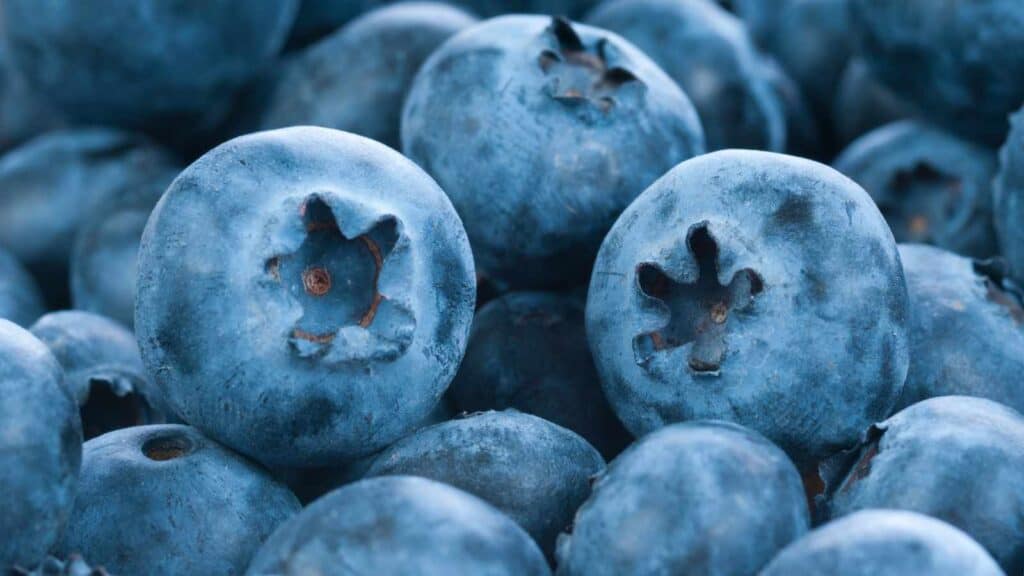
These tiny blue gems are packed with antioxidants called anthocyanins that give them their vibrant color and potent health benefits. Research 403 on ScienceDirect suggests that higher intakes of berries and anthocyanins are associated with a 32% lower rate of myocardial infarction. You can easily toss a handful into your morning oatmeal or blend them into a smoothie for a sweet defense against cellular damage.
Eating them regularly helps your body switch off the inflammatory genes that lead to chronic disease and aging. It is smart to keep a bag of frozen blueberries in your refrigerator so you always have a healthy option on hand. They are just as nutritious as fresh ones and make a convenient snack when you are craving something cold and sweet.
Fatty Fish

Salmon and mackerel are loaded with omega-3 fatty acids, which act as a direct extinguisher for inflammation throughout your entire system. Nutrition Insight says a study analysis of over 217,000 adults linked higher omega-3 blood levels to a 35–40% lower risk of developing early-onset dementia. Aiming for two servings a week can drastically change your fatty acid profile and protect your brain and heart.
If cooking fish feels complicated, you can start with simple options like canned sardines or tuna to get those vital nutrients. Despite the clear benefits, MVS Pharma says that 76% of the global population is not consuming the recommended levels of omega-3 fatty acids. Making a conscious effort to eat more fish puts you ahead of the curve for long-term health.
Broccoli
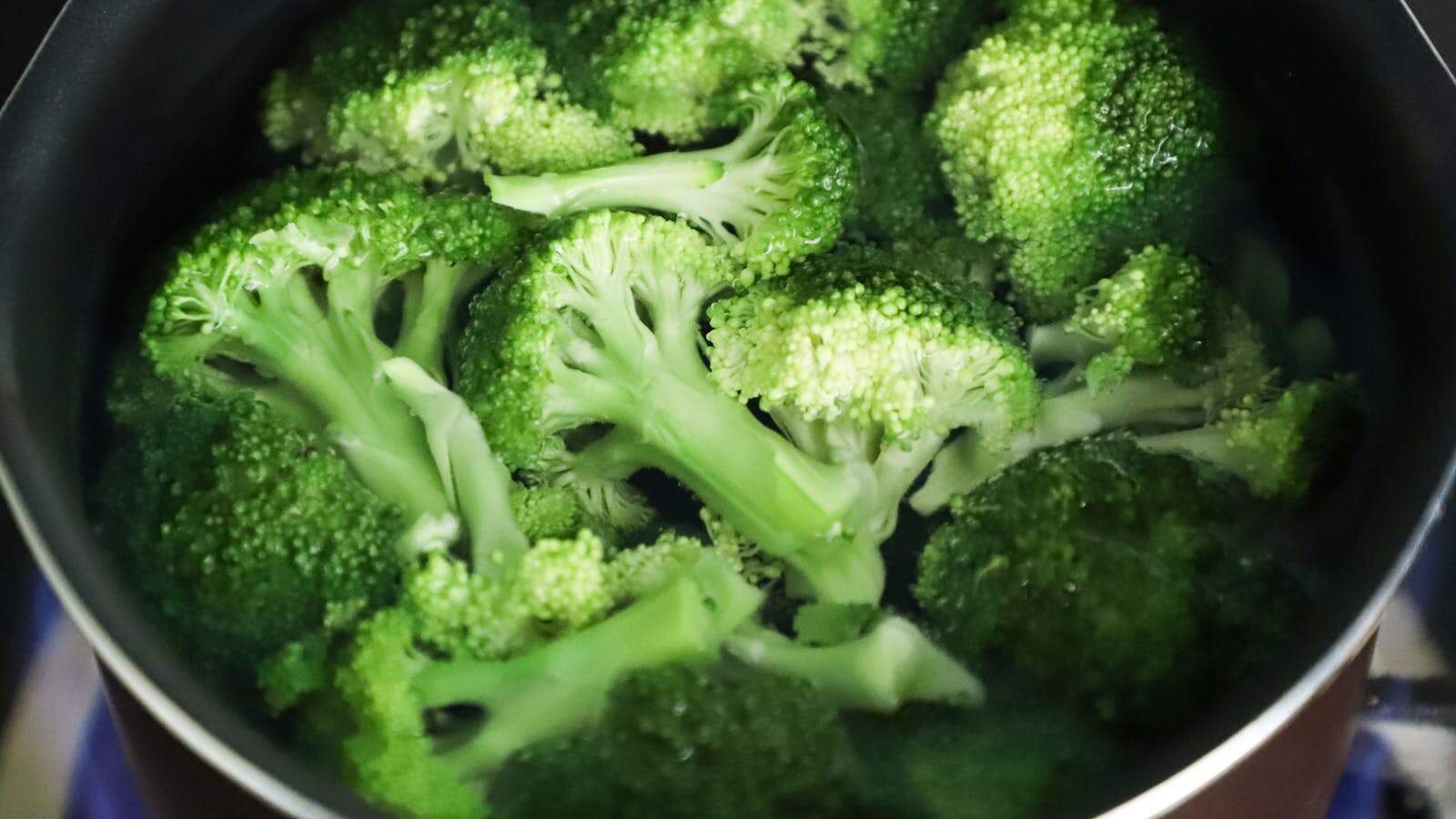
This cruciferous vegetable is a powerhouse containing sulforaphane, a compound that blocks enzymes that cause joint destruction and inflammation. Steaming broccoli lightly instead of boiling it helps preserve the nutrients that do the heavy lifting for your immune system. You can pair it with lemon juice and a pinch of salt to make the flavor pop without adding unhealthy fats.
You should try to eat broccoli a few times a week because it supports your body’s natural detoxification processes efficiently. The high fiber content also keeps your gut microbiome happy, which is essential since a huge portion of your immune system lives there. A healthy gut barrier prevents inflammatory substances from leaking into your bloodstream and causing widespread havoc.
Avocados

Avocados are rich in potassium, magnesium, and fiber, which all work together to keep your heart healthy and inflammation low. Adding half an avocado to your sandwich or salad provides a creamy texture that replaces the need for inflammatory processed condiments like mayonnaise.
They also contain carotenoids and tocopherols, which are linked to reduced cancer risk and better heart health markers. Eating these healthy fats with other vegetables actually helps your body absorb more of their fat-soluble antioxidants. It is a win-win situation where your food works together to provide maximum protection for your cells.
Green Tea

Sipping green tea provides you with epigallocatechin-3-gallate (EGCG), a compound that inhibits inflammation by reducing the production of pro-inflammatory cytokines. Many people find that swapping their second cup of coffee for green tea reduces jitters while still providing a gentle energy boost. You can drink it hot or iced with a slice of lemon to enhance the absorption of its beneficial antioxidants.
This beverage has been extensively studied for its ability to reduce the risk of heart disease and improve overall metabolic health. Regular consumption is linked to lower levels of C-reactive protein, a key marker doctors use to measure inflammation. Making this a daily ritual is a simple lifestyle change that pays off in dividends for your long-term wellness.
Bell Peppers

Bell peppers contain high levels of vitamin C and antioxidants, such as quercetin, which have strong anti-inflammatory effects. Chili peppers are also effective because they contain sinapic acid and ferulic acid, which reduce inflammation and support healthy aging. You can slice them up for a crunchy snack with hummus or sauté them into a colorful stir-fry for dinner.
The brighter the pepper, the riper and more nutrient-dense it usually is, so reach for the red and yellow varieties often. Just one medium-sized red bell pepper provides more than 100% of your daily recommended intake of vitamin C. This essential vitamin is crucial for repairing tissues and keeping your immune system functioning without overreacting.
Mushrooms

Varieties like shiitake, truffle, and portobello contain phenols and other antioxidants that provide significant anti-inflammatory protection. Cooking mushrooms gently can actually improve their nutritional value and make their compounds more available for your body to absorb. You can easily add them to omelets, pasta sauces, or soups to deepen the flavor profile of your meals.
They are one of the few food sources of selenium and also contain beta-glucans, which modulate the immune system effectively. While often overlooked, mushrooms have been used for centuries in traditional medicine to fight off infections and boost vitality. Including a mix of different types in your diet ensures you get a broad spectrum of these protective nutrients.
Grapes

Grapes contain anthocyanins, which reduce inflammation and may decrease the risk of several chronic diseases, including heart disease. They are also a great source of resveratrol, the same compound found in red wine that has famous heart-health benefits. Freezing grapes makes for a fantastic natural popsicle that satisfies sugar cravings without the inflammatory spike of candy.
The skin of the grape holds the highest concentration of these antioxidants, so eating them whole is the best way to consume them. A study on ScienceDirect shows that grape compounds can help prevent metabolic syndrome, which often leads to diabetes and heart issues. Snacking on a cup of grapes provides hydration and critical nutrients that keep your blood vessels flexible.
Turmeric
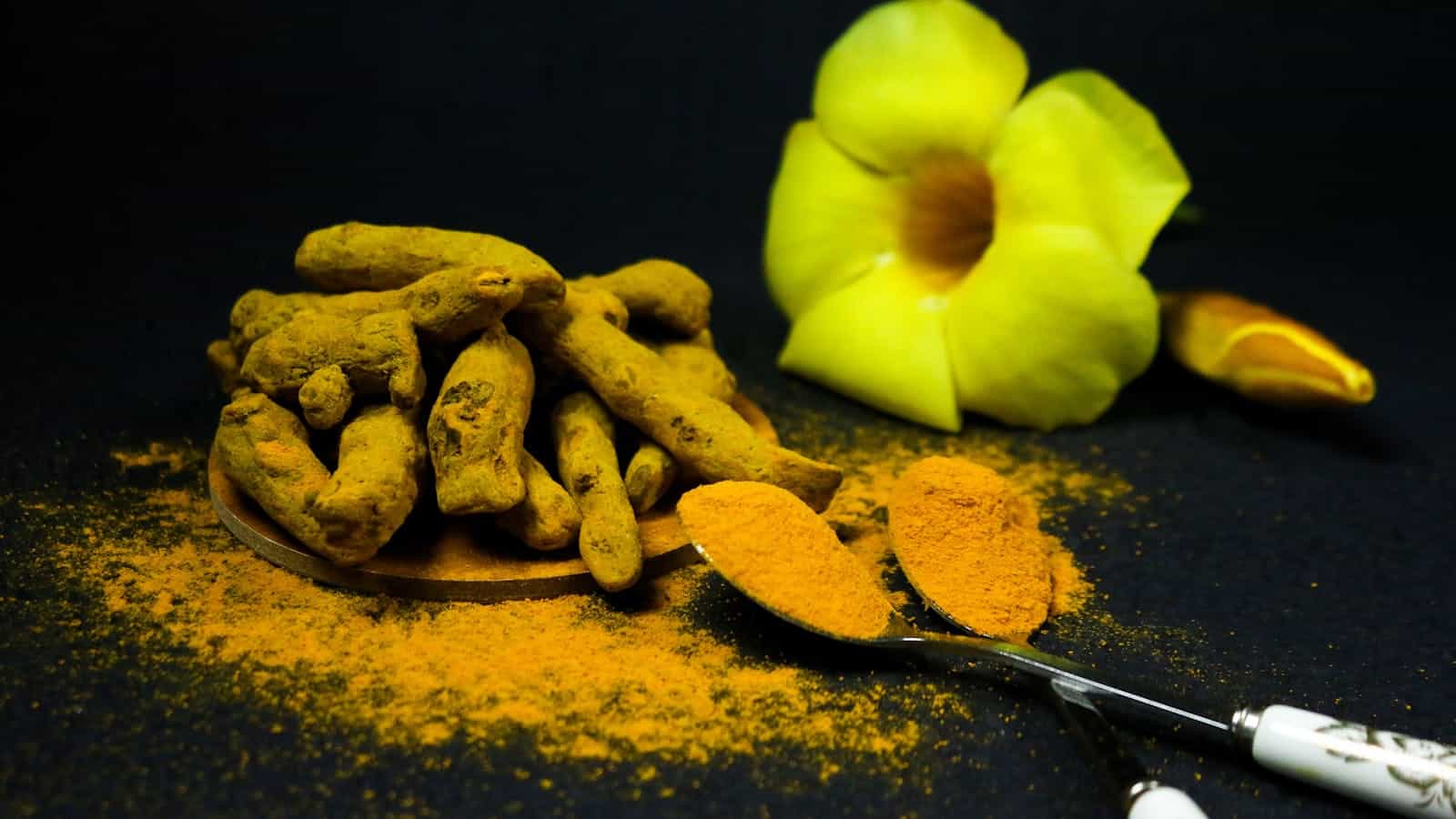
This bright yellow spice contains curcumin, a powerful anti-inflammatory nutrient that rivals the effectiveness of some anti-inflammatory drugs. You should always consume turmeric with a pinch of black pepper, as it boosts curcumin absorption by 2,000%. It works wonders in curries, soups, or even as a golden milk latte before bed to help you relax.
Curcumin fights inflammation at the molecular level by blocking NF-kB, a molecule that travels into the nuclei of your cells and turns on inflammation. Adding this spice to your cooking routine is an easy, flavorful way to support your joint health and mobility. It is a staple in many cultures for a reason, bringing a warm, earthy flavor to roasted vegetables.
Extra Virgin Olive Oil

This oil is one of the healthiest fats you can eat and is a staple of the Mediterranean diet for good reason. It contains oleocanthal, an antioxidant with effects similar to those of anti-inflammatory drugs like ibuprofen. You should use it for salad dressings or low-heat cooking to preserve its delicate, beneficial compounds.
A 2025 NIH systematic review confirmed that following a diet enriched in olive oil can significantly reduce inflammatory markers, such as interleukin-6. Drizzling high-quality olive oil over cooked vegetables or whole-grain bread is a delicious habit that protects your blood vessels. It is much better for you than vegetable oils high in omega-6 fats, which can promote inflammation if eaten in excess.
Dark Chocolate

Dark chocolate is packed with antioxidants like flavanols that reduce inflammation and keep the endothelial cells lining your arteries healthy. You need to choose chocolate with at least 70% cocoa content to get the benefits without overloading on sugar. A small square after dinner can satisfy your sweet tooth while actually doing something good for your heart.
The flavanols in cocoa have been shown to improve blood flow and lower blood pressure effectively. Eating dark chocolate in moderation is a treat you can feel good about because it lowers the stress hormones that trigger inflammation. It is proof that eating an anti-inflammatory diet does not mean giving up everything you love.
Tomatoes
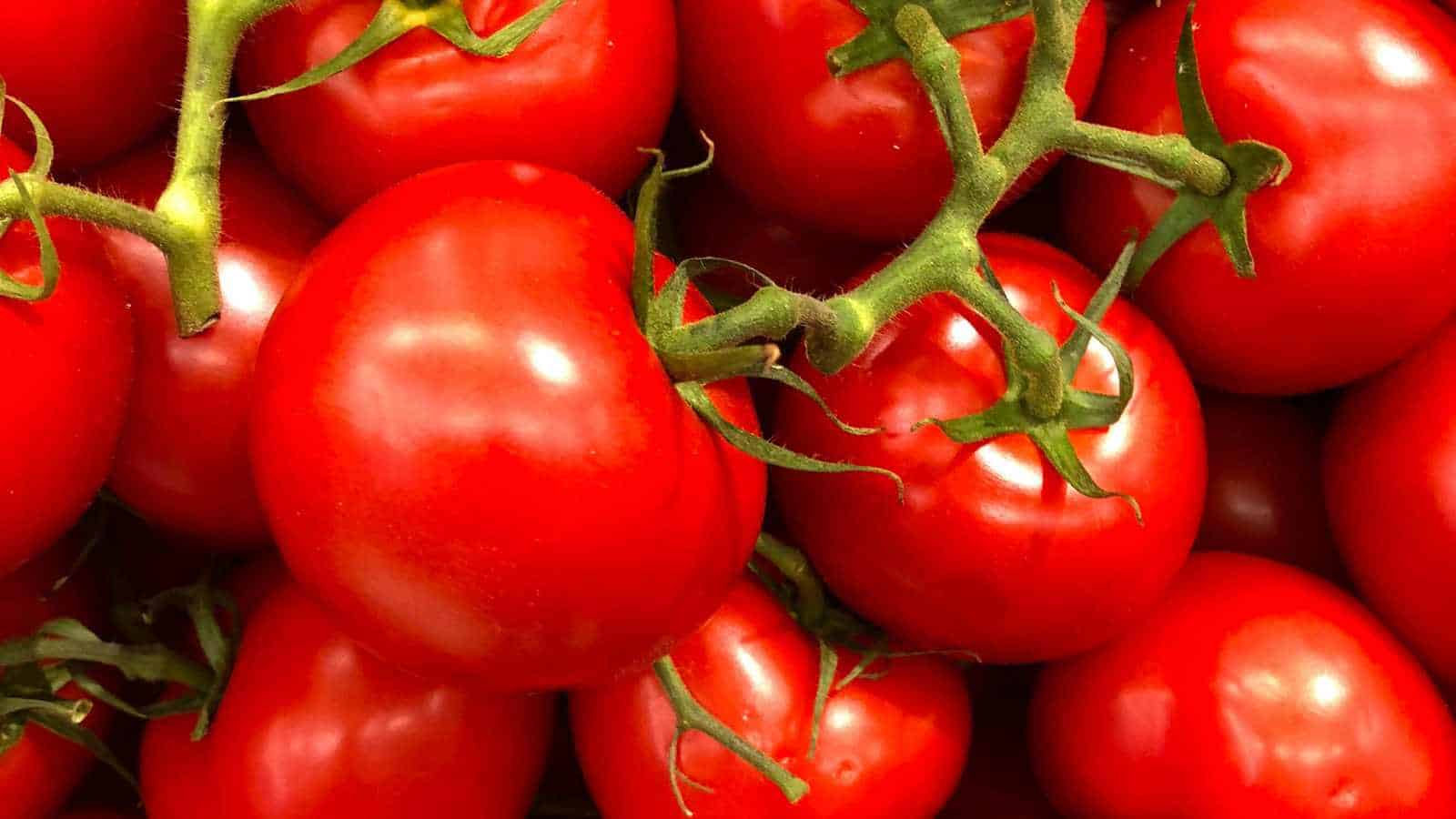
Tomatoes are loaded with lycopene, an antioxidant with impressive anti-inflammatory properties that is even more potent when cooked. A study published in Frontiers found that high lycopene levels were associated with a reduced overall cancer risk. You can roast them with olive oil to maximize the amount of lycopene your body can absorb during digestion.
They are versatile enough to be used in salads, sauces, and soups, making them an easy addition to almost any meal. Lycopene is particularly effective at protecting your skin from sun damage and reducing systemic inflammation linked to obesity. Whether fresh or canned, tomatoes provide a consistent source of nutrients that fight oxidative stress daily.
Cherries
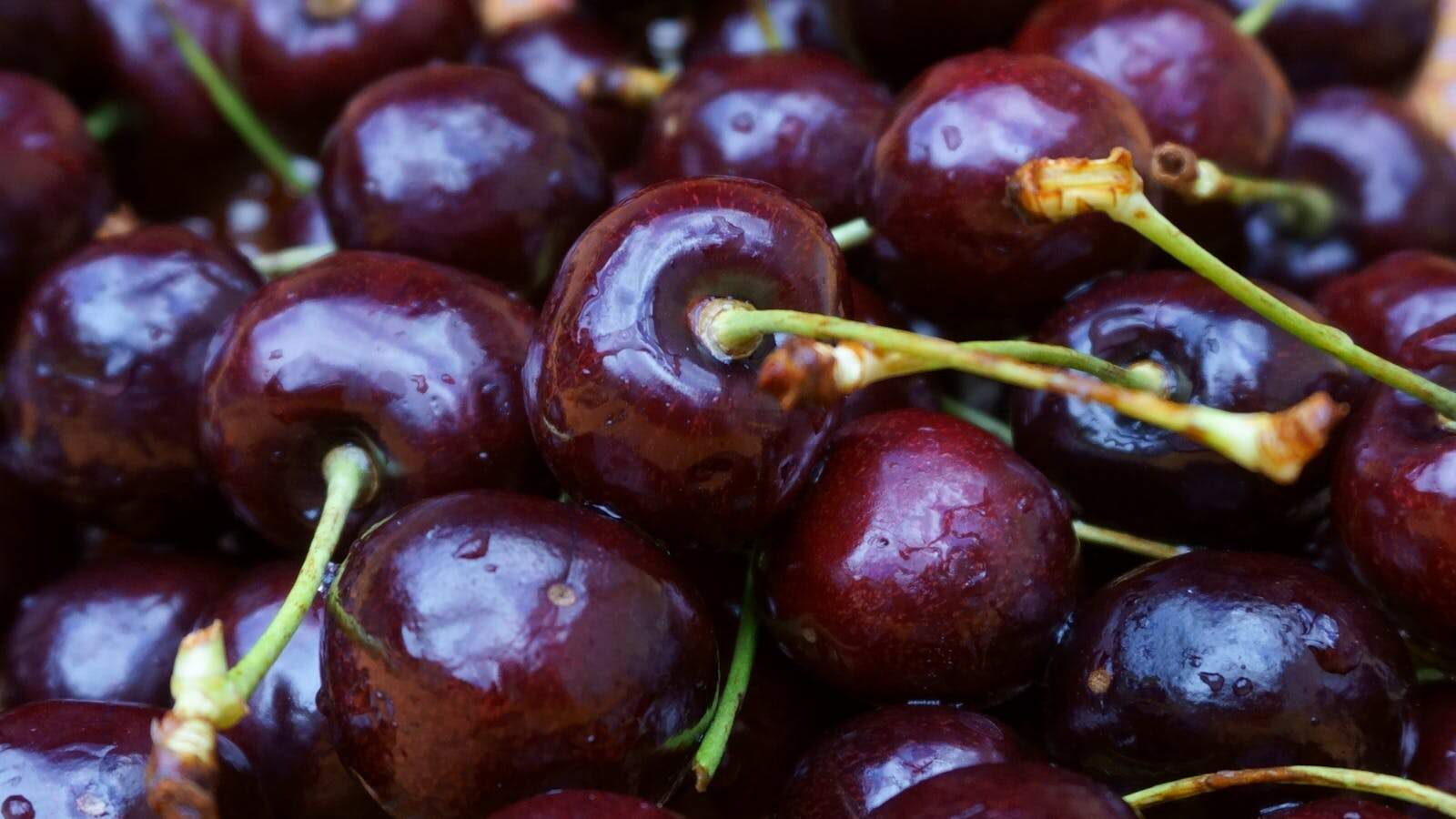
Tart cherries and sweet cherries are rich in antioxidants like vitamin C and polyphenols that fight inflammation and oxidative stress. Many athletes drink tart cherry juice because it helps reduce muscle soreness and inflammation after intense workouts. You can eat them fresh when in season or buy them frozen or dried to enjoy year-round.
Regular consumption has been linked to lower uric acid levels, which can help prevent painful gout flare-ups. MDPI research indicates that the compounds in cherries inhibit the same inflammatory enzymes targeted by pain-relieving medications. This makes them a natural, tasty alternative for managing minor aches and pains associated with daily activities.
Walnuts
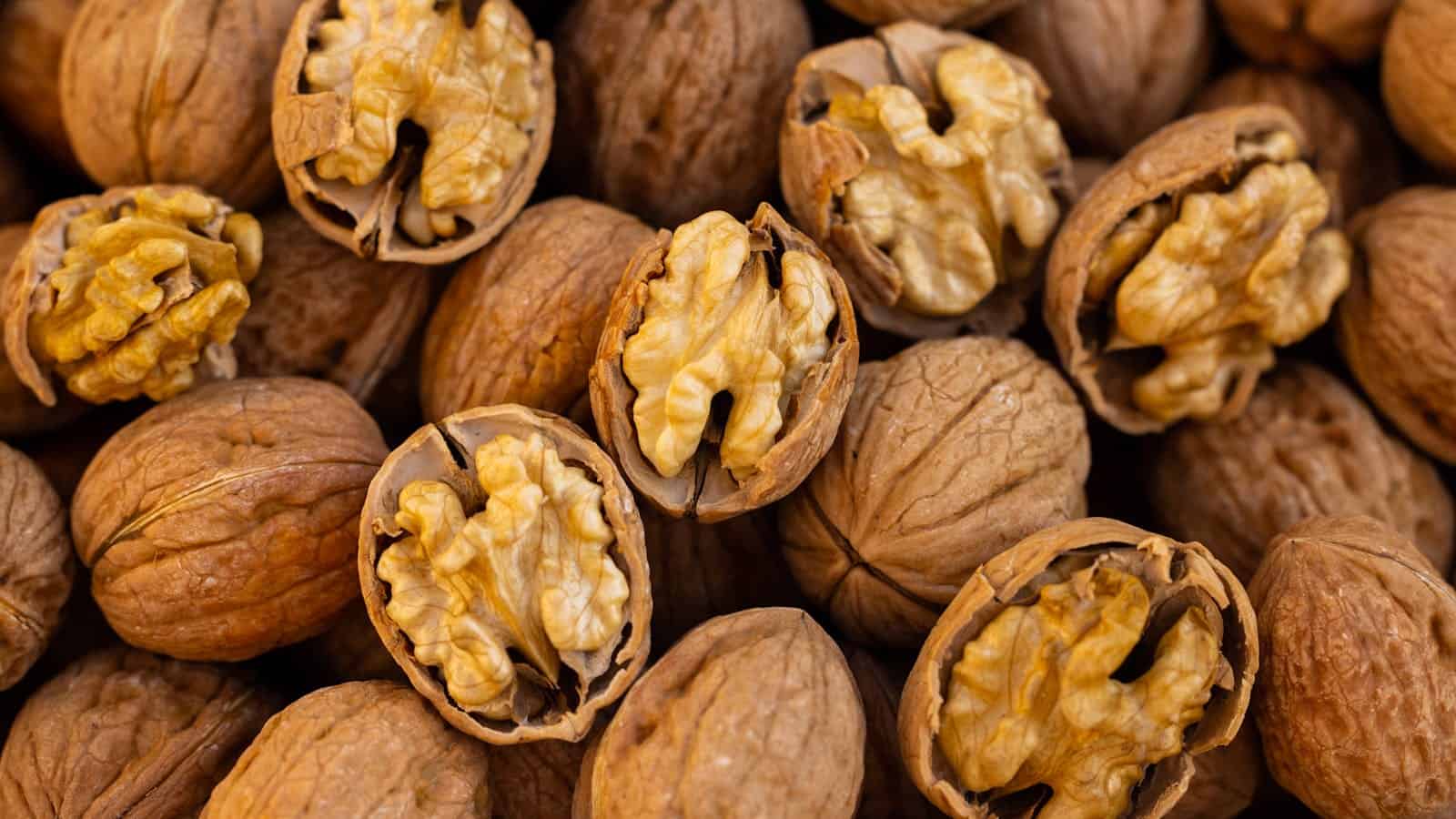
Walnuts are an excellent source of protein, fiber, and healthy fats, specifically the plant-based omega-3 fatty acid ALA. According to the American Heart Association, cardiovascular diseases are the leading cause of death in the U.S, highlighting the need for heart-healthy foods like nuts. You can sprinkle them on salads or yogurt to add a satisfying crunch and a dose of brain-boosting nutrients.
They have higher antioxidant activity and significantly more healthy omega-3 fats than any other common nut. Eating just a small handful a day can help lower cholesterol and improve the function of your blood vessels. This simple snack habit helps combat the oxidative stress that accumulates from a busy, stressful lifestyle.
Spinach

Leafy greens like spinach are rich in vitamins and minerals that support the immune system and help fight chronic inflammation. It contains high levels of vitamin K, which is essential for bone health and for preventing arterial calcification. You can easily blend a handful into a smoothie without tasting it or sauté it quickly with garlic.
The darker the leaf, the more potent the anti-inflammatory properties usually are, so spinach is a top-tier choice. It is also rich in alpha-lipoic acid, an antioxidant that helps regenerate other antioxidants, such as vitamins C and E. Keeping a box of baby spinach in the fridge makes it easy to add a nutrient boost to eggs or sandwiches.
Like our content? Be sure to follow us