10 foods that help you sleep better at night
If you’ve been staring at the ceiling all night, it might be time to let your dinner do the heavy lifting for sleep.
Tossing and turning is a nightmare you may know too well, staring at the clock while the rest of the neighborhood snoozes peacefully. You might have tried counting sheep or flipping the pillow to the cool side, but sometimes the answer is simply in your kitchen waiting for you. Your late-night snack habits might be the villain keeping you awake, or they could be the hero that finally helps you drift off to dreamland.
We have rounded up some tasty options that settle your stomach and calm your mind so you can wake up refreshed and ready to tackle the day. These specific foods contain the right mix of chemicals and vitamins to naturally signal your body that it is time to shut down for the night.
Tart Cherry Juice

This ruby-red drink is arguably the heavyweight champion of natural sleep aids because it is loaded with melatonin, the hormone that regulates your internal clock. It is not just an old wives’ tale; science backs up the claims that this sour beverage packs a serious punch against insomnia.
A NIH study found that adults with insomnia who drank 8 ounces of tart cherry juice twice a day slept an average of 84 minutes longer. That is nearly an hour and a half of extra rest just from sipping a glass of juice. If you want to try this, make sure you pick the tart variety rather than the sugary sweet versions found in most soda aisles.
Kiwifruit
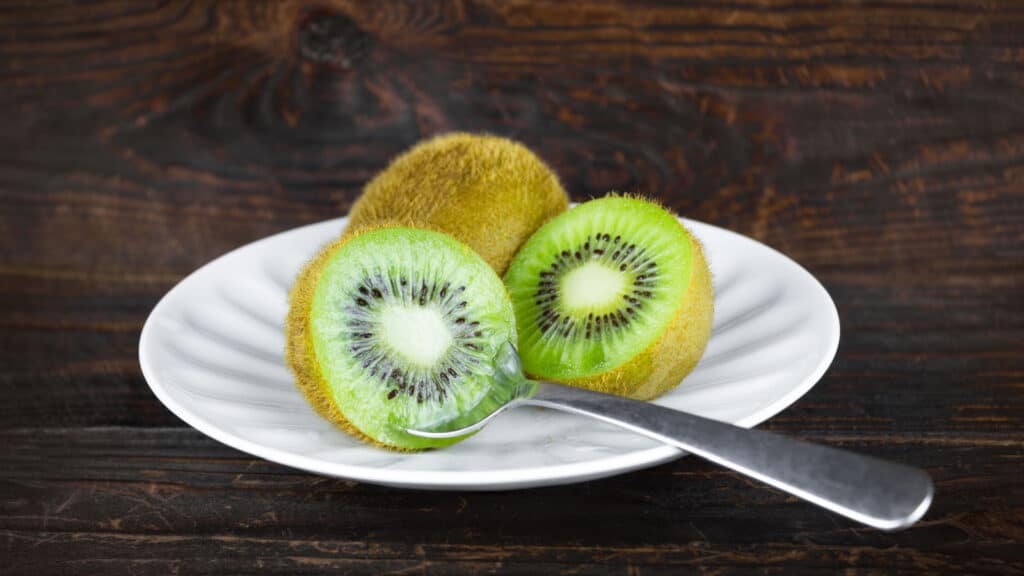
You might know this fuzzy fruit as a tropical treat, but it turns out it is also a powerful tool for crashing out earlier. Eating two kiwis an hour before bed might sound specific, but the results from clinical trials are hard to ignore.
HerbaZest cites research from the Taipei Medical University that found that volunteers who followed this kiwi routine fell asleep 42% faster than they normally did. The high levels of serotonin and antioxidants in the fruit seem to calm the brain down rapidly. So, slicing up this green fruit might be the smartest dessert choice you make all week.
Almonds

These crunchy nuts are a fantastic source of magnesium, a mineral that plays a massive role in relaxing your muscles and de-stressing your nervous system. Think of magnesium as nature’s chill pill that helps your body physically wind down after a chaotic day.
Healio presents a report from a study showing that consuming 60 grams of almonds daily significantly improved sleep quality scores compared to a control group. The magnesium creates a sedative effect that preps you for deep, restorative rest. Keep a jar on your nightstand for a quick handful when you start feeling the pre-sleep munchies.
Fatty Fish

Salmon, tuna, and mackerel are not just great for your heart; they are loaded with Vitamin D and healthy omega-3 fatty acids that boost serotonin production. Most Americans are deficient in Vitamin D, which can wreak havoc on sleep cycles without them even realizing it.
A study published in the Journal of Clinical Sleep Medicine discovered that people who ate salmon three times a week reported better overall sleep and daily functioning than those who ate chicken or beef. The combination of nutrients helps stabilize your sleep rhythms over time. Grilling a piece of salmon for dinner could be your ticket to waking up feeling genuinely refreshed.
Walnuts
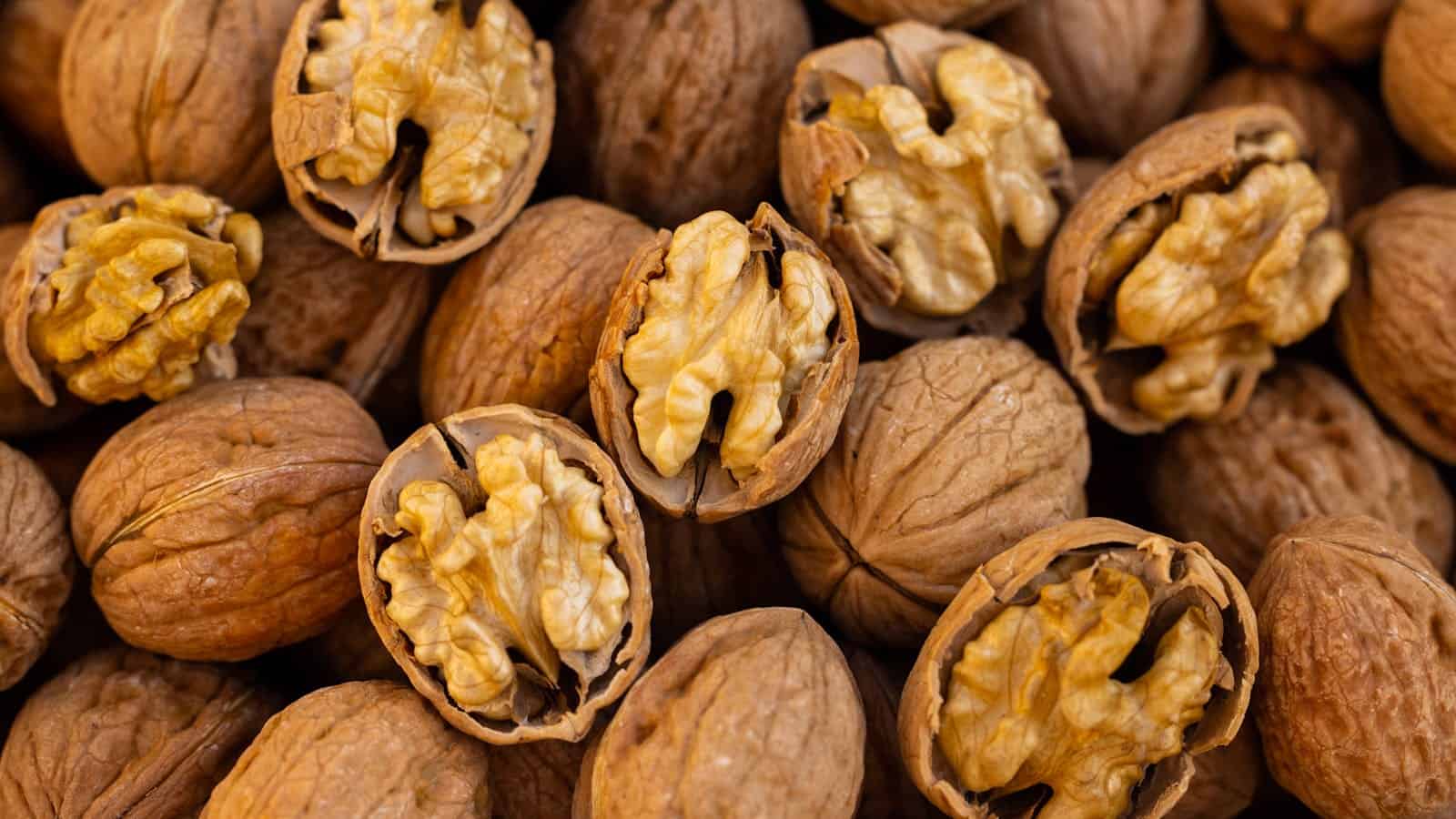
Much like almonds, walnuts are a nutritional powerhouse, but they have the added bonus of containing their own supply of melatonin. They also provide a healthy dose of fatty acids that help reduce brain inflammation, paving the way for smoother sleep.
Eating a handful of walnuts creates a blood concentration of melatonin that correlates with better sleep efficiency during the night. It is a simple, crunchy way to signal to your body that it is time to power down. Toast them lightly to bring out the flavor if you find the raw taste a bit too bitter.
Chamomile Tea

Sipping on a warm mug of chamomile tea has been a classic remedy for generations because it contains apigenin, an antioxidant that binds to receptors in your brain to promote sleepiness. It is a gentle and caffeine-free way to unwind after a chaotic day, signaling to your body that the hustle is over. According to the CDC, 1 in 3 US adults do not get enough sleep, so a soothing ritual like tea is a smart habit to adopt.
The warmth of the liquid itself provides a comforting sensation that can physically relax your chest and stomach muscles. Making this tea part of your nightly routine creates a psychological cue that signals to your brain it is time to disconnect.
White Rice

Carbohydrates often get a bad rap, but high-glycemic carbs like white rice can actually help you fall asleep significantly faster. The spike in blood sugar and insulin helps drive tryptophan into your brain, where it is converted into sleep-inducing serotonin.
A Japanese study linked high rice consumption to better sleep quality, noting that the effect was stronger with rice than with bread or noodles. The key is timing; eating it about four hours before bed seems to be the sweet spot. Just be careful not to pair it with spicy foods that might cause heartburn and keep you up.
Bananas

Bananas are basically a peelable sleeping pill, containing potassium and magnesium, which work together to relax overstressed muscles. If you suffer from restless legs or nighttime cramps, this yellow fruit could be the simple fix you need.
They also contain tryptophan, the amino acid precursor to serotonin and melatonin. It is a triple-threat of sleep nutrients wrapped in convenient, biodegradable packaging. Mash one into a bowl of oatmeal for a double dose of sleep-promoting compounds.
Oatmeal

Speaking of oatmeal, a warm bowl of oats is not just for breakfast; it is a cozy, comfort food that naturally raises your blood sugar just enough to make you sleepy. Oats are a natural source of melatonin, similar to cherries, but they fill you up, so hunger pangs don’t wake you at 3 a.m.
The grains trigger insulin production, much like white rice, helping those neural pathways prepare for sleep. It feels like a warm hug for your stomach, which can be incredibly soothing after a stressful day. Add a splash of milk and honey to amplify the calming effects before you head to the bedroom.
Warm Milk

There is a reason your grandmother always suggested a glass of warm milk when you couldn’t sleep: it offers psychological and physiological comfort. Milk contains tryptophan, calcium, and Vitamin D, all of which cooperate to stabilize your mood and sleep cycle.
While the tryptophan levels are relatively low, the psychological link to childhood comfort plays a huge role in lowering anxiety. If you believe it will help you sleep, the placebo effect combined with the warm liquid can be powerful. Sometimes, the simplest old-school remedies are the ones that work the best.
Like our content? Be sure to follow us